


Food Safety Recalls Create Compliance Barriers | Sellers Must Act Now
- 1.5M egg cartons recalled across 6 states; 98+ cases, 26 hospitalizations; sellers face inventory liability, listing removal, and stricter HACCP requirements




















Overview
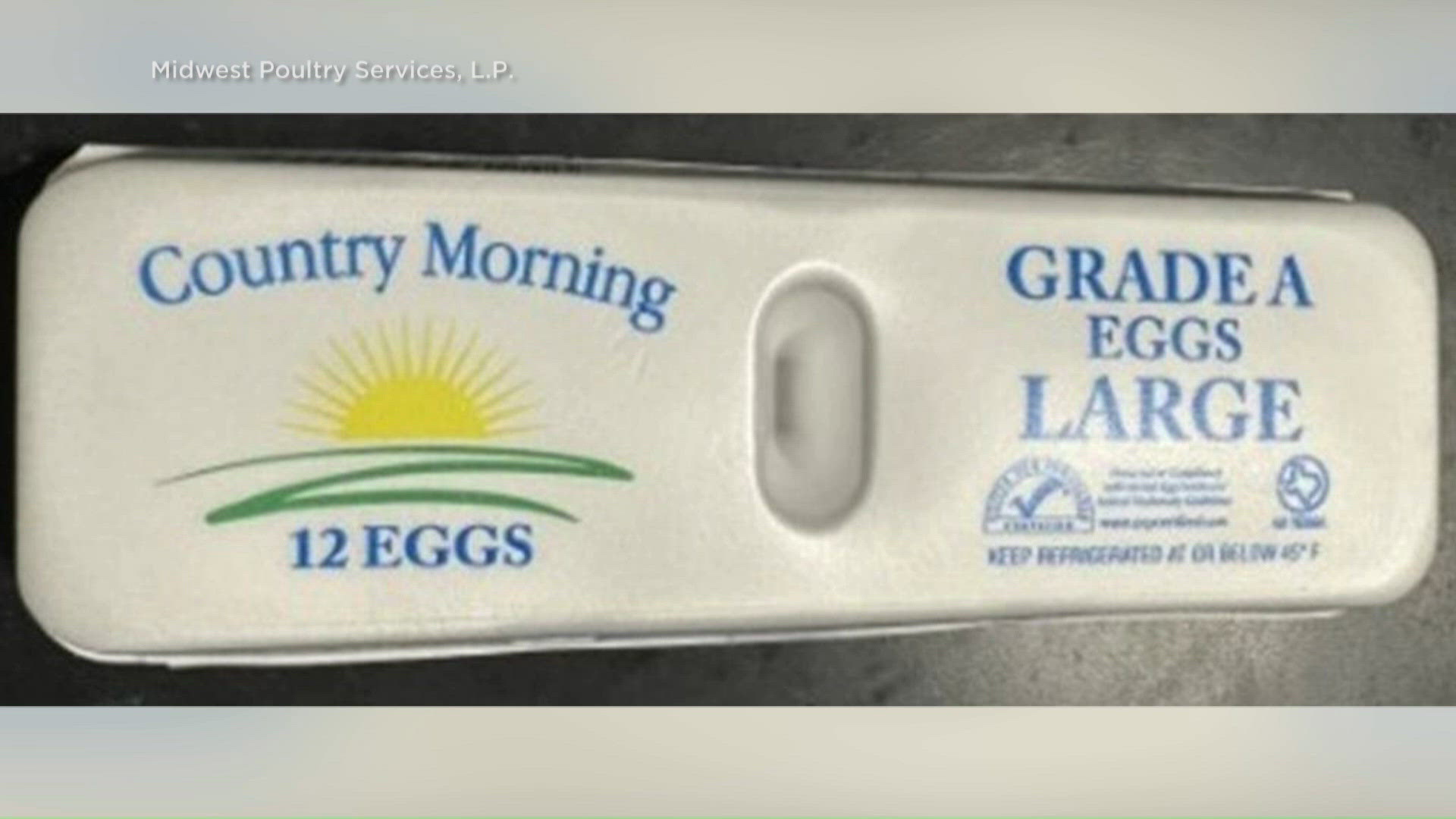
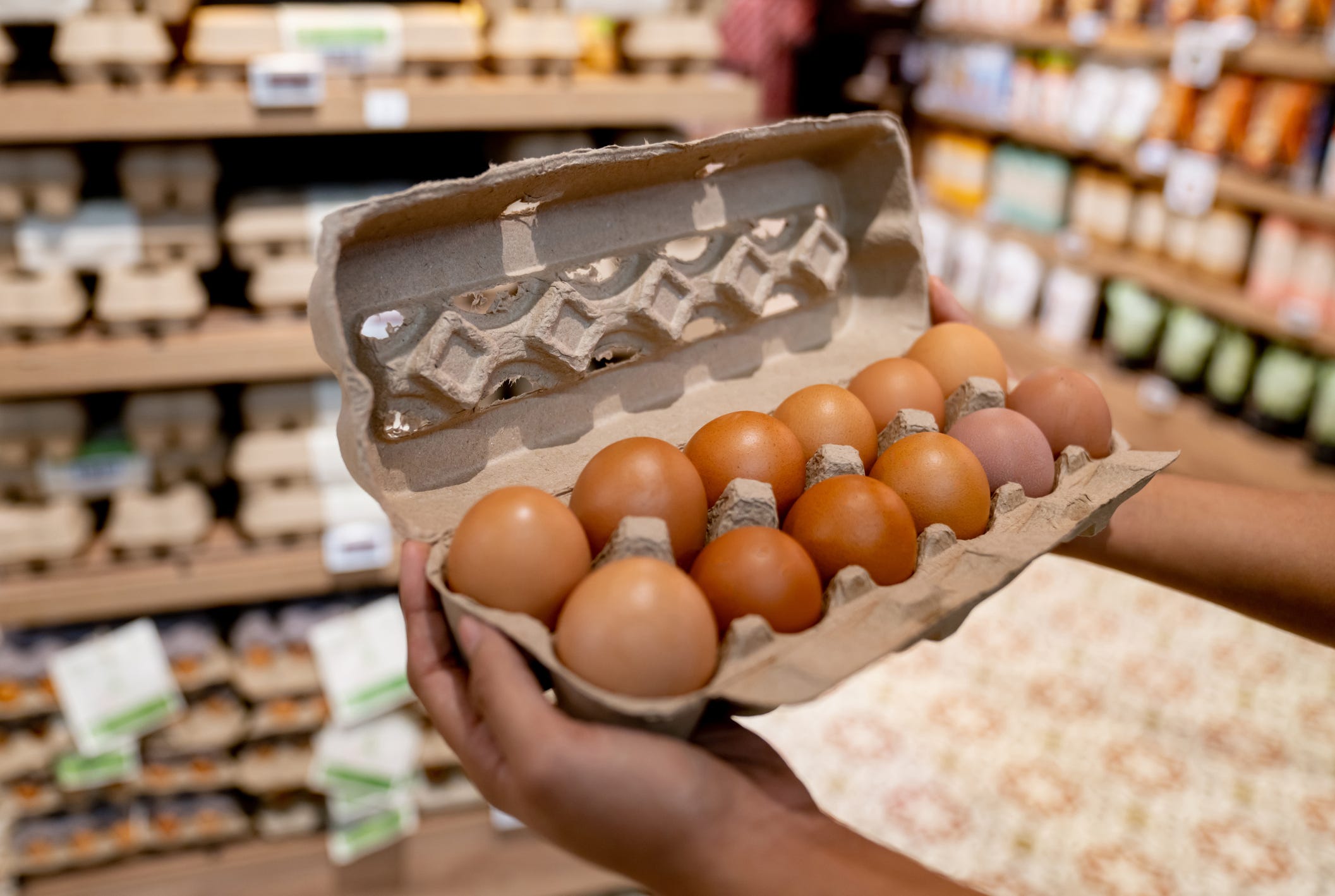
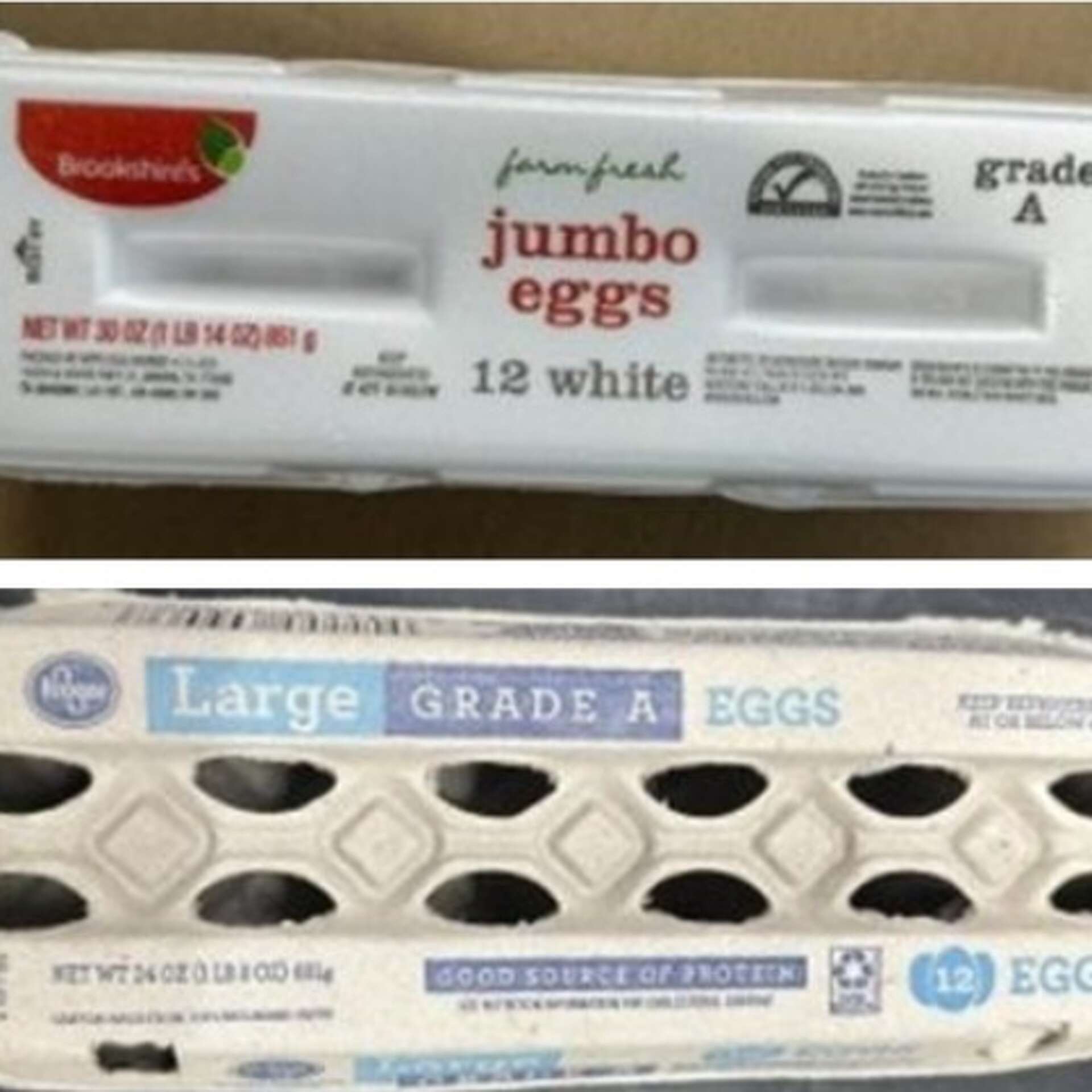
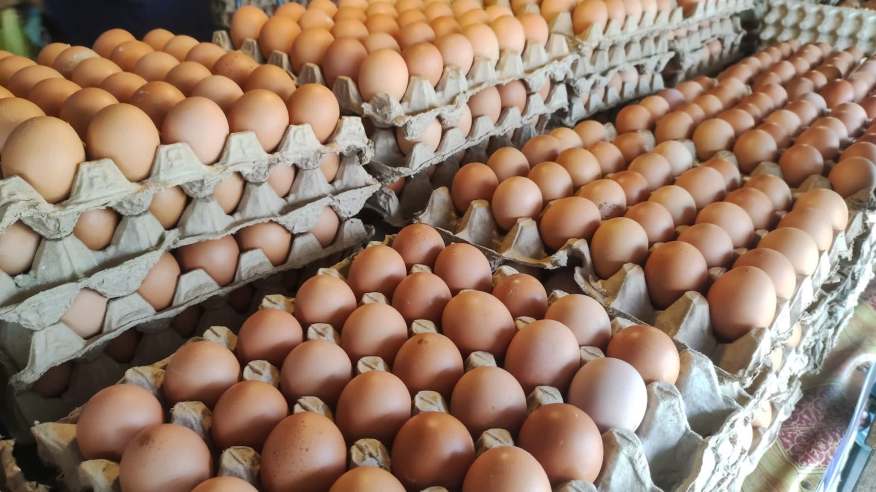
The 2024 salmonella outbreak affecting 1.5 million dozen eggs from Midwest Poultry Services represents a critical compliance inflection point for food sellers on Amazon, Walmart, and specialty marketplaces. The CDC-confirmed outbreak across 17 states (98 cases, 26 hospitalizations as of August 5) has triggered immediate inventory recalls for brands sold at Kroger, Brookshire, and other major retailers, with affected cartons bearing best-by dates July 20–August 17, 2026 and batch codes P-1950 or 0840962. This event signals accelerating FDA enforcement of Hazard Analysis and Critical Control Points (HACCP) standards and traceability requirements that will eliminate non-compliant sellers from food categories within 12-18 months.
For food sellers, this recall creates a two-tier market: compliant sellers with HACCP certification, third-party food safety audits, and real-time batch tracking will capture market share from competitors forced to exit. Sellers currently offering eggs, poultry, produce, or prepared foods without documented HACCP plans face immediate listing suspension on Amazon Fresh, Walmart+, and Instacart if their suppliers lack FDA Form 483 compliance records. The outbreak also triggered parallel salmonella cases linked to jalapeño peppers (345 cases, 27 states) and backyard poultry contact (814 cases, 44 states), indicating systemic gaps in supply chain transparency. Sellers sourcing from Texas, Mexico, or other high-risk regions must now provide FDA-verified supplier certifications or face 30-90 day delisting windows.
The fastest compliance path for food sellers involves three immediate steps: (1) Obtain third-party HACCP certification ($3,000–$8,000 per facility, 4-8 weeks) through NSF International or SQF auditors; (2) Implement batch-level traceability systems (cost: $500–$2,000/month for cloud-based platforms like TraceLink or Everstream); (3) Audit supplier documentation within 14 days to confirm FDA compliance status. Sellers who delay face 40-60% inventory write-offs when products are delisted, plus potential liability claims. The recall also creates opportunities for sellers offering food safety compliance services, testing kits, and supplier verification tools—a market segment projected to grow 25-35% annually through 2026 as platforms enforce stricter standards.
Questions 8
What compliance service opportunities exist for sellers and service providers?
The outbreak creates high-demand service gaps: (1) FDA compliance consulting ($5,000–$20,000 per engagement), (2) batch traceability software implementation ($500–$2,000/month recurring), (3) supplier verification and auditing ($2,000–$5,000 per supplier), (4) HACCP training and certification support ($3,000–$8,000 per facility). Service providers offering rapid compliance packages (30-day turnaround) can command 20-30% premium pricing. Sellers with existing HACCP certification can also offer white-label compliance services to smaller competitors, creating recurring revenue streams. The compliance services market for food e-commerce is projected to grow 25-35% annually through 2026.
Which marketplaces enforce food safety compliance most strictly?
Amazon Fresh and Walmart+ enforce the strictest HACCP and traceability requirements, with automatic delisting for non-compliant suppliers within 30 days of FDA alerts. Instacart and specialty platforms (Thrive Market, Vitacost) follow similar timelines. Traditional retail channels (Kroger, Brookshire) have longer compliance windows (60-90 days) but face greater liability exposure. Shopify and independent e-commerce sites have minimal enforcement but expose sellers to direct liability claims. Sellers should prioritize Amazon Fresh and Walmart+ compliance first, then extend to other platforms. Compliance on these two platforms typically covers 70-80% of online food sales volume.