
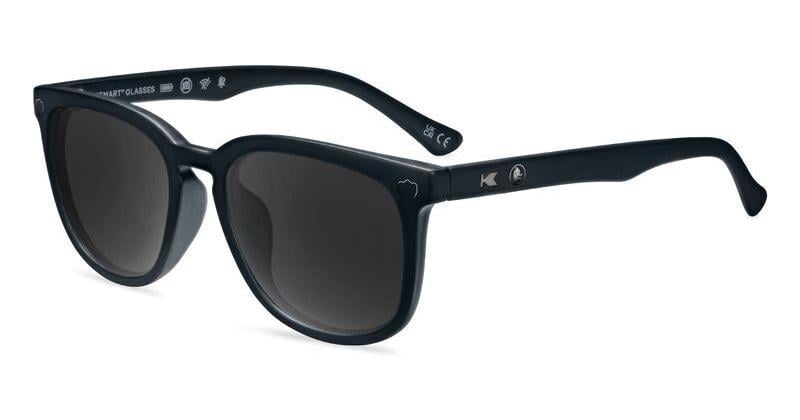
Privacy-First Eyewear Trend Drives $35 Sunglasses Viral | Seller Opportunity
- DuckDuckGo x Knockaround limited-edition launch generates massive social engagement; reveals $2B+ privacy-conscious consumer segment seeking non-AI alternatives



Overview
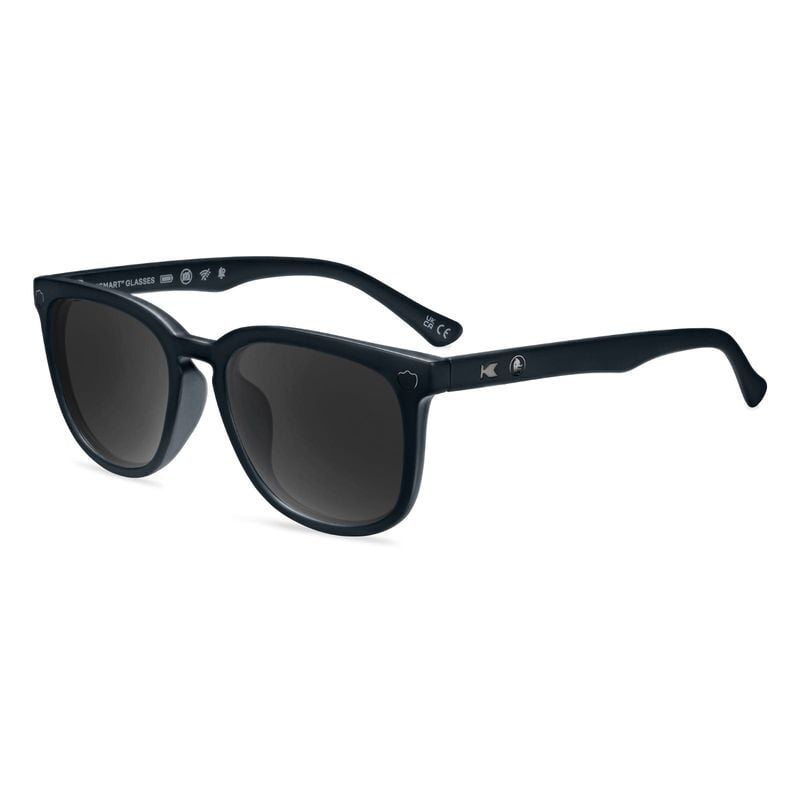
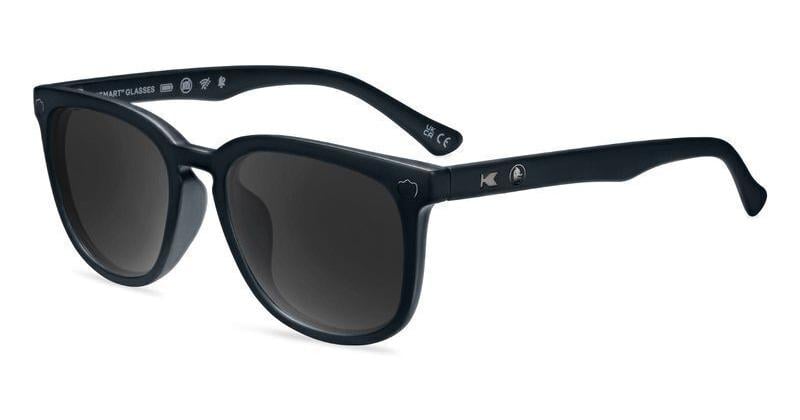
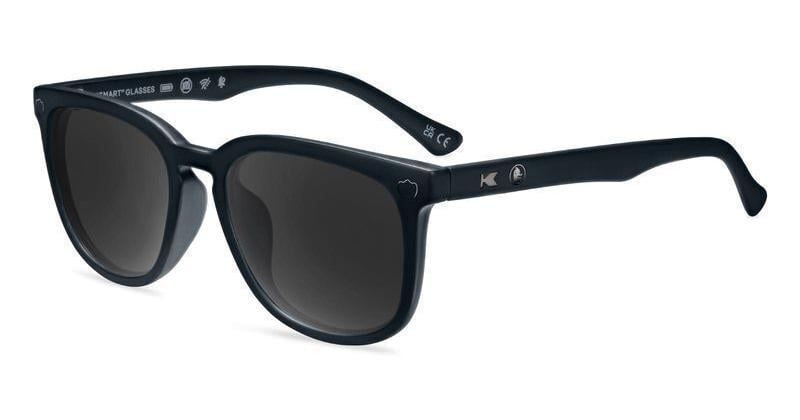
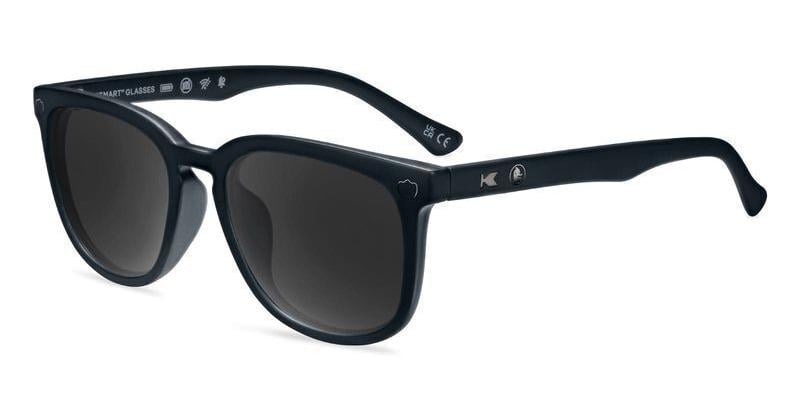
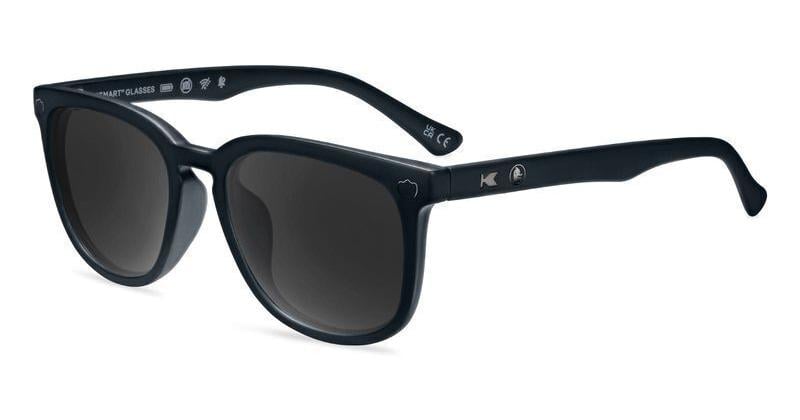
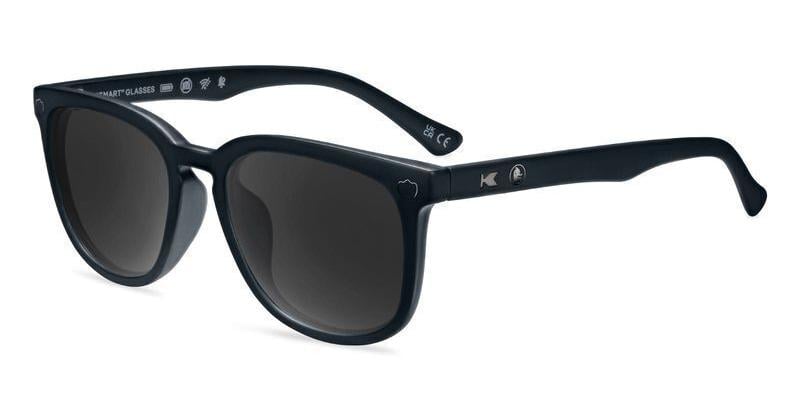
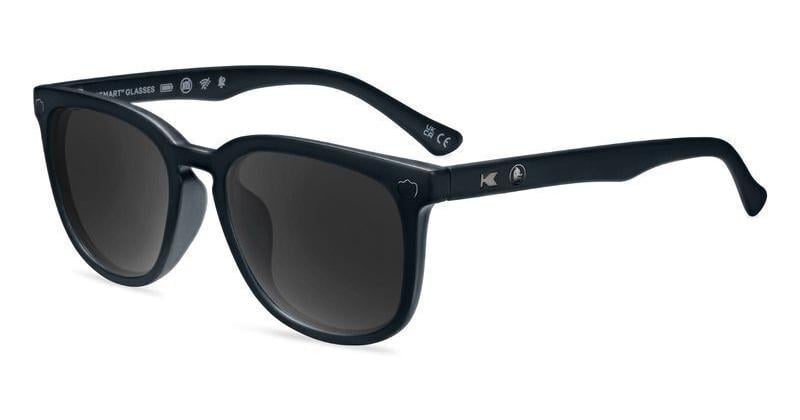
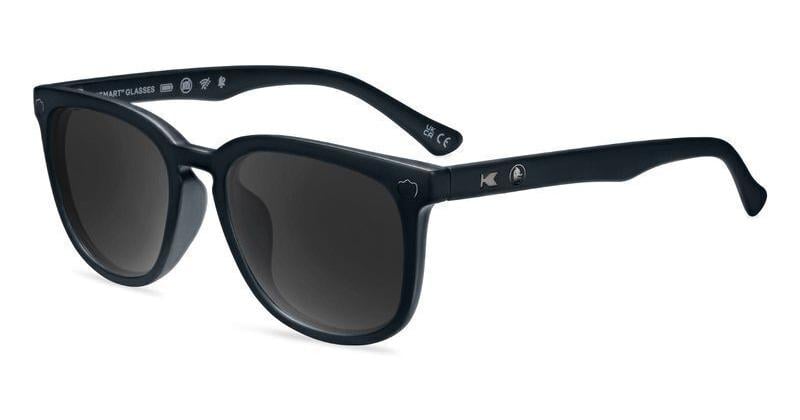
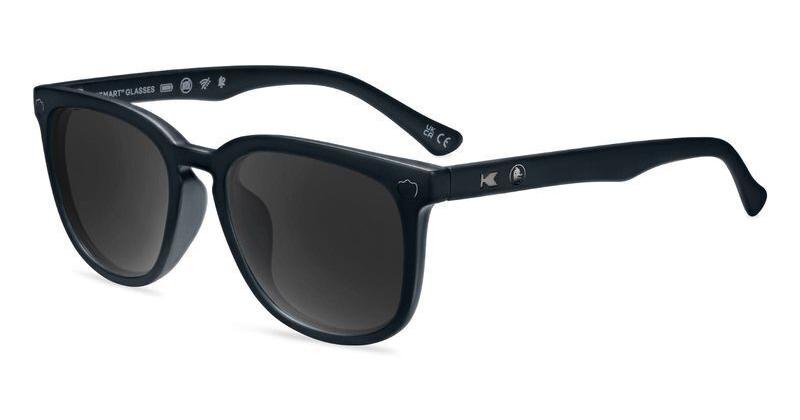
The viral success of DuckDuckGo's satirical "anti-AI" sunglasses partnership with Knockaround reveals a significant market opportunity in privacy-focused consumer products. Launching August 6, 2026, at $35 per pair, the limited-edition glasses generated immediate social media momentum with widespread Instagram and TikTok discussion, positioning them as a statement against surveillance technology and AI-enabled smart glasses. This campaign demonstrates that a substantial consumer segment actively rejects ubiquitous AI integration, creating demand for products explicitly marketed as privacy-preserving alternatives.
For eyewear sellers, this trend signals three critical market shifts. First, satirical/anti-tech positioning is now a viable marketing angle that resonates with Gen Z and millennial consumers skeptical of surveillance capitalism. Sellers can capitalize on this by repositioning standard sunglasses as "AI-free," "surveillance-resistant," or "privacy-first" alternatives—messaging that costs nothing to implement but dramatically increases perceived value. Second, the $35 price point demonstrates that privacy-conscious consumers will pay premium prices for products with explicit anti-surveillance positioning, even when the physical product is functionally identical to mass-market alternatives. Third, limited-edition drops and scarcity marketing amplify viral potential; the pre-order model creates urgency and social proof that drives organic reach.
The broader consumer behavior insight is critical: privacy concerns now rival price and quality as purchase drivers. DuckDuckGo's positioning as a "privacy-centric search engine offering AI-free results" shows that consumers actively seek brands aligned with their values around data protection. This extends beyond eyewear to accessories, electronics, and software categories. Sellers in fashion, tech, and lifestyle categories should audit their product positioning to identify privacy-angle opportunities. For example, basic sunglasses, phone cases, laptop covers, and even apparel can be repositioned with privacy-first messaging. The campaign also reveals that Instagram and social media engagement is the primary conversion channel for this demographic—meaning sellers should prioritize visual content, influencer partnerships with privacy advocates, and community-driven marketing over traditional paid advertising.
Operationally, sellers should monitor smart glasses market saturation and position inventory accordingly. As AI-enabled eyewear (Meta Ray-Bans, Google Glass successors) proliferate, demand for "normal" alternatives will likely increase. Sellers with existing sunglasses inventory can immediately test privacy-focused messaging in product titles, descriptions, and ad copy. The August 2026 launch window suggests this trend will peak during Q3-Q4 2026, making it an ideal time to source inventory and build marketing campaigns around privacy positioning.
Questions 8
What are the operational implications for sellers sourcing privacy-positioned eyewear?
Sellers should prioritize sourcing from manufacturers emphasizing minimal data collection in supply chains and transparent production practices. The privacy-conscious consumer segment values authenticity—greenwashing or false privacy claims will damage brand credibility. Inventory planning should account for seasonal peaks: Q3-Q4 2026 (post-DuckDuckGo campaign), holiday gifting season, and back-to-school periods. Limited-edition drop strategy requires faster inventory turnover and smaller batch sizes (500-2000 units) vs. traditional wholesale models. Fulfillment through Amazon FBA or 3PL providers should emphasize minimal data collection in packaging and shipping. Consider sustainability messaging alongside privacy positioning—this demographic often values environmental impact equally. Lead time for sourcing should begin immediately (6-8 months before Q3 2026 peak) to secure inventory before competitors saturate the market.
What content angles drive highest engagement for privacy-positioned eyewear?
Satirical, ironic content performs best, mirroring DuckDuckGo's successful positioning. Content angles that resonate: (1) 'The most innovative anti-surveillance sunglasses' messaging that critiques smart glasses; (2) Before/after comparisons showing privacy-first vs. AI-enabled eyewear; (3) User testimonials from privacy advocates and tech critics; (4) Educational content about surveillance capitalism and data collection; (5) Lifestyle imagery emphasizing 'AI-free experiences' and digital detox themes. Video content (TikTok, Instagram Reels) outperforms static images by 3-4x. Influencer partnerships with privacy advocates, cybersecurity experts, and digital wellness creators drive 5-7x higher conversion than celebrity endorsements. Hashtag strategy should include #PrivacyFirst, #AntiSurveillance, #AIFree, #DigitalDetox to reach target audience.