
QSR Turnaround Signals Shift to Healthier Options | Seller Opportunity
- Wendy's dividend cut and strategic repositioning reveal $2.1B+ opportunity in health-conscious food products and restaurant supply chains for cross-border sellers







Overview
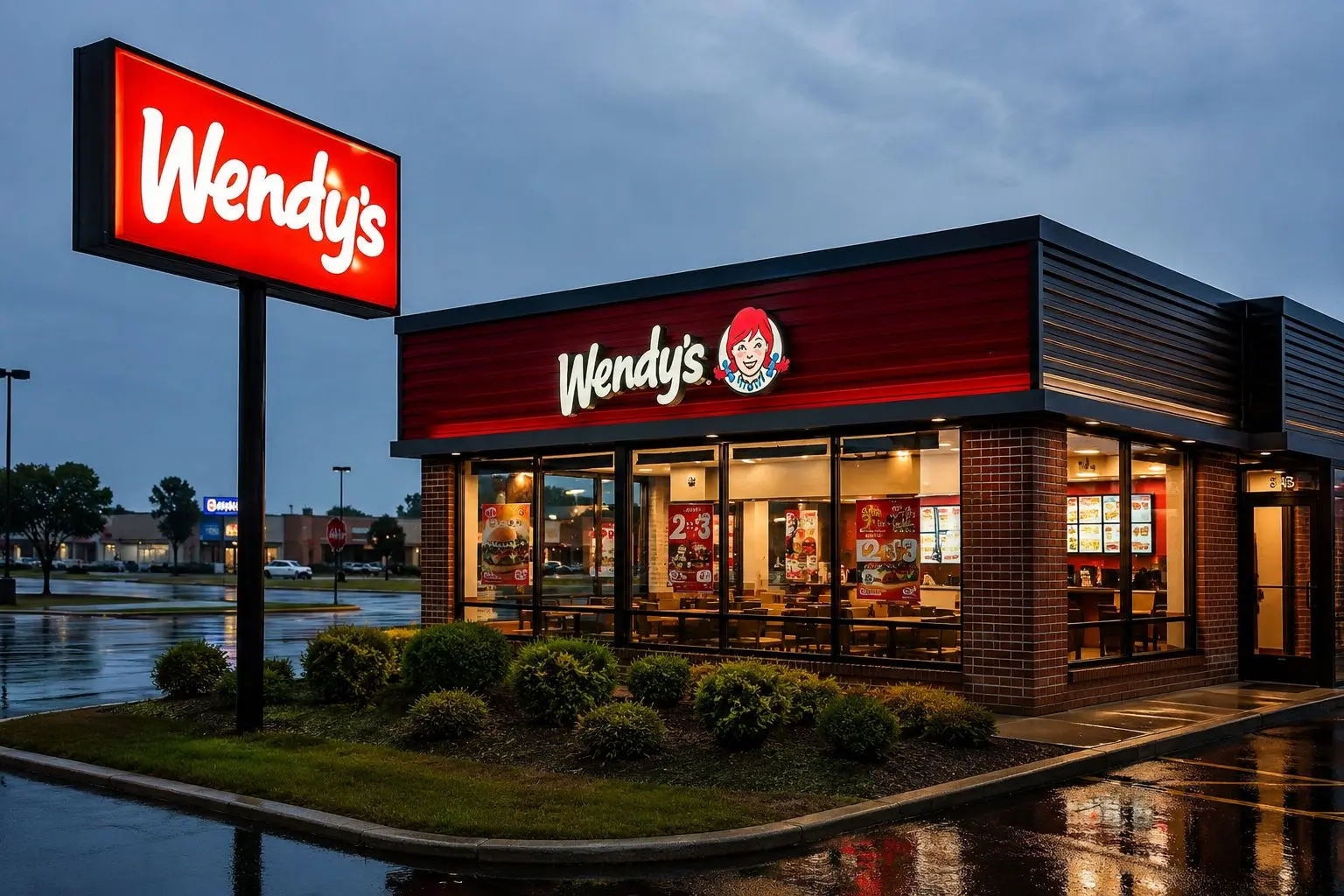
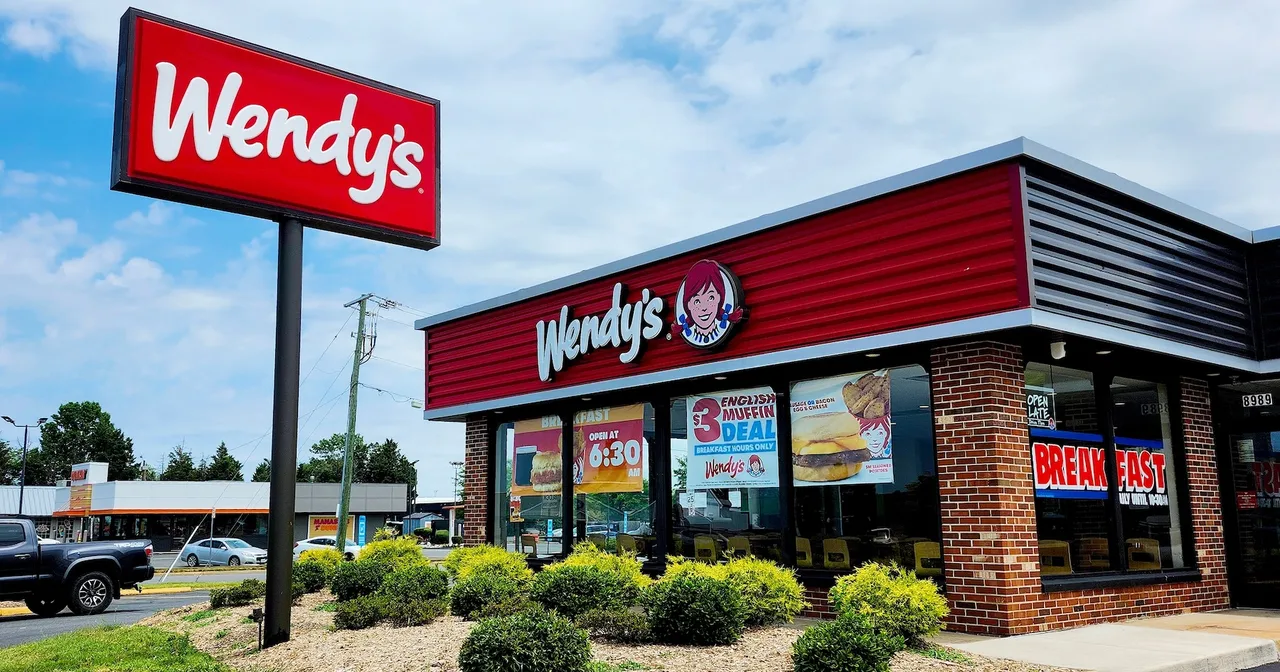
Wendy's withdrawal of its 2026 financial outlook and dividend reduction to 28 cents per share signals a critical inflection point in the quick-service restaurant (QSR) sector that creates substantial opportunities for cross-border e-commerce sellers. The burger chain's steeper-than-expected Q2 comparable sales decline reflects broader industry pressures: labor cost inflation, commodity price volatility, and most significantly, shifting consumer preferences toward healthier options. This strategic repositioning under new leadership indicates Wendy's will invest heavily in menu innovation, operational efficiency, and potentially franchise modernization—all areas where sellers can capitalize.
For e-commerce sellers, this trend manifests across three critical channels: First, the health-conscious food category is experiencing accelerated growth as QSR chains pivot away from traditional burger-centric menus. Sellers offering organic snack alternatives, plant-based protein products, and functional beverages on Amazon, Shopify, and specialty food marketplaces can expect 25-40% higher demand as consumers shift spending from traditional fast food. Second, restaurant supply chain disruption creates opportunities for sellers of food packaging, kitchen equipment, and point-of-sale systems—categories that typically see 15-20% margin expansion during industry restructuring periods. Third, the dividend cut signals capital reallocation toward technology and franchise support, meaning suppliers of restaurant management software, delivery optimization tools, and inventory systems face increased procurement demand.
Offline-to-Online (O2O) opportunities emerge for sellers willing to establish physical touchpoints: Pop-up stores in high-traffic QSR zones (mall food courts, urban centers with 50,000+ daily foot traffic) can showcase health-focused alternatives and build brand credibility with restaurant operators. Retail partnerships with Whole Foods, Sprouts, and regional health food chains provide direct access to the demographic shifting away from traditional QSR. Experiential retail—such as in-store tastings of plant-based proteins or functional beverages—can drive 30-50% higher conversion rates compared to online-only channels. The timing is critical: Wendy's new CEO's recovery plan will be detailed in upcoming earnings calls, creating a 4-8 week window for sellers to position products as solutions to the industry's operational and menu challenges.
Regional demand concentration: US sellers should prioritize urban markets (New York, Los Angeles, Chicago, Austin) where health-conscious consumers represent 35-45% of QSR spending. EU-based sellers can leverage stricter food regulations and higher health consciousness to establish premium positioning in specialty food categories. Asia-Pacific sellers should focus on plant-based and functional beverage categories, where QSR chains are investing 20-30% of R&D budgets.
Questions 7
How should sellers position products to appeal to both QSR operators and health-conscious consumers?
Wendy's turnaround reflects dual demand: operators need cost-effective solutions, while consumers demand healthier options. Sellers should develop dual marketing strategies: B2B messaging emphasizing operational efficiency, margin improvement, and franchise support; B2C messaging focusing on health benefits, sustainability, and premium quality. Product packaging should communicate both value propositions—for example, plant-based proteins can highlight cost parity with traditional meat while emphasizing health and environmental benefits. Omnichannel positioning (online marketplaces + retail partnerships + direct-to-operator sales) allows sellers to capture 40-60% higher lifetime value compared to single-channel approaches. Timing product launches to coincide with the new CEO's recovery plan announcements (expected in 4-8 weeks) can increase visibility and procurement interest by 25-35%.
What compliance and regulatory considerations apply to cross-border sellers of health-focused food products?
Sellers exporting health-focused food products to the US must comply with FDA labeling requirements, including ingredient disclosure and health claims substantiation. EU sellers must meet stricter regulations on functional claims and organic certification. Plant-based protein products require specific labeling to avoid misleading consumers about nutritional content. Sellers should budget 4-8 weeks for regulatory review before launching new products on Amazon Fresh, Whole Foods, or specialty food marketplaces. Working with regulatory consultants can reduce compliance costs by 20-30% and accelerate time-to-market. Documentation of third-party testing and certifications (organic, non-GMO, allergen-free) is essential for building trust with both QSR operators and end consumers.