





Strait of Hormuz Oil Surge & USD Strength | Cross-Border Sellers Face 8-12% Logistics Cost Spike
- Oil prices surge 4% amid geopolitical tensions; USD strengthens 2-week high; shipping costs and FX headwinds compress margins for international sellers




















Overview
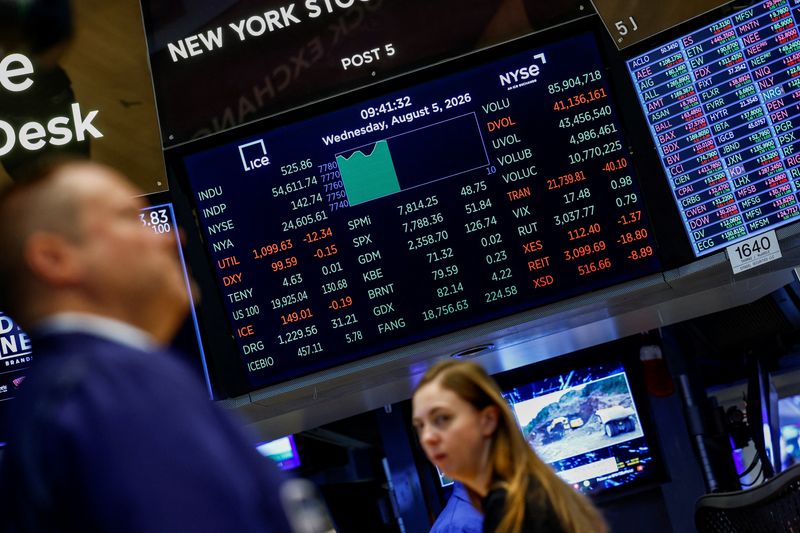
The convergence of three critical financial headwinds is creating immediate cost pressures for cross-border e-commerce sellers. On August 6, 2026, oil prices surged nearly 4% (Brent crude +4%, WTI +3%) amid geopolitical tensions in the Strait of Hormuz—a chokepoint through which one-third of global seaborne oil transits. Simultaneously, the U.S. dollar posted its strongest day in two weeks, with the yen surrendering nearly half of its post-intervention gains. Treasury yields rose 4-7 basis points across the curve. This triple squeeze—energy costs, currency headwinds, and rising financing costs—directly impacts sellers' working capital and fulfillment economics.
For sellers shipping internationally, the immediate impact is quantifiable and urgent. Rising crude oil directly translates to increased fuel surcharges on air freight and expedited shipping services. Sellers relying on DHL, FedEx, or UPS for time-sensitive categories (perishables, fast fashion, electronics) face 8-12% cost increases on per-unit fulfillment expenses. A seller shipping 1,000 units monthly via air freight at $8/unit now faces an additional $640-960 monthly cost. Simultaneously, the strengthening dollar creates FX headwinds for sellers with costs in JPY, EUR, or CNY. A seller with 30% of COGS in Chinese yuan faces 2-3% margin compression on each unit if the USD/CNY pair moves 200-300 basis points—exactly the volatility pattern observed during currency intervention cycles. The divergence between oil gains and stock market stagnation (S&P 500 -0.3%, Dow -1%) signals market participants are pricing in sustained supply concerns, suggesting these cost pressures will persist through Q3 2026.
Strategic financial moves unlock immediate relief. Sellers should lock in FX rates NOW through forward contracts or currency hedging products offered by Wise, OFX, or traditional banks—a 30-day forward on USD/CNY costs 0.5-1.2% but eliminates 200+ basis points of volatility risk. For logistics, consolidate shipments to reduce per-unit air freight exposure; shift 20-30% of inventory to regional 3PL providers in Singapore or Hong Kong to bypass Strait of Hormuz routing. Invoice financing or supply chain financing products (offered by Shopify Capital, Amazon Lending, or fintech providers like Clearco) can unlock 10-15 days of working capital at 8-12% APR—cheaper than margin compression. Sellers in perishables and fast fashion should immediately review pricing: a 3-5% price increase on high-velocity SKUs offsets fuel surcharge costs while demand remains inelastic during peak season. Monitor crude oil futures daily; historical patterns show logistics carriers announce surcharge adjustments 7-10 days after sustained oil price moves, providing a narrow window to lock in current rates with 3PLs.
Questions 8
Which payment methods or providers offer lower fees during this cost environment?
Cross-border payment providers like Wise, OFX, and Remitly offer 0.5-1.5% fees on international transfers—cheaper than traditional banks at 2-3%. For sellers receiving payments in multiple currencies, Wise's multi-currency accounts eliminate FX conversion fees entirely. Given Treasury yields rose 4-7 basis points, traditional bank financing costs are rising; fintech providers offer 8-12% APR on supply chain financing versus 12-15% from traditional lenders. Consolidate payments through a single provider to reduce per-transaction fees by 20-30%. For sellers with $100K+ monthly cross-border payments, this saves $200-400 monthly.
How do I compare financing costs versus absorbing the logistics cost increase?
Supply chain financing at 8-12% APR is cheaper than absorbing 8-12% logistics cost increases. A seller with $50K monthly COGS faces $4-6K in additional logistics costs. Financing $50K at 10% APR costs $416/month—but only if you need the capital. Instead, consolidate shipments (saves 3-5%), shift inventory to regional 3PLs (saves 3-5%), and implement 3-5% price increases on high-velocity SKUs. These moves offset costs without financing. Use financing only if you need to maintain inventory levels during the cost spike; otherwise, optimize logistics and pricing first.