




USD Strength & FX Volatility Impact Cross-Border Sellers | Q2 2026 Currency Headwinds
- Dollar posts strongest day in 2 weeks; JPY loses 50% of intervention gains; sellers face 3-8% margin compression on Asia-sourced inventory










Overview
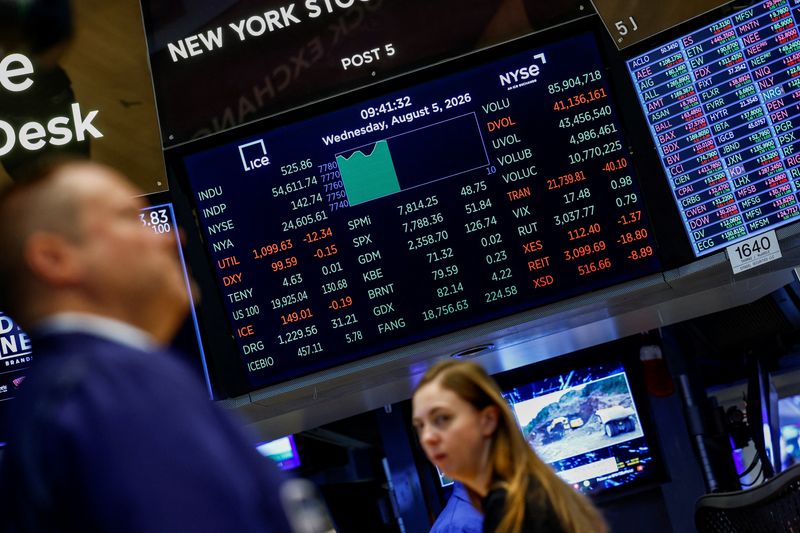
Market volatility triggered by U.S. employment data expectations creates immediate currency headwinds for cross-border sellers. The dollar posted its strongest day in two weeks as Treasury yields rose 4-7 basis points and investors repositioned ahead of non-farm payrolls data. Critically, the Japanese yen surrendered nearly half of its post-intervention gains, signaling a reversal of the previous week's historic currency intervention. This FX environment directly impacts sellers sourcing from Asia (China, Vietnam, Japan) and selling into USD-denominated markets.
For sellers with Asia-sourced inventory, the strengthening dollar creates immediate margin compression. When the USD strengthens against the JPY, CNY, and VND, sellers' cost of goods (denominated in local currencies) effectively increases in dollar terms. A seller importing electronics from China at CNY 1,000 per unit now faces higher effective costs as the dollar strengthens. Simultaneously, South Korea's market declined 5% and Japan fell 1%, indicating reduced consumer spending in key manufacturing hubs—signaling potential supply chain cost pressures and reduced demand from regional buyers. The energy sector fell 1.6% with Brent crude up 4% and WTI up 3%, directly increasing shipping costs for cross-border logistics. Sellers shipping via air freight or ocean freight will see 2-4% cost increases within 30 days as fuel surcharges adjust.
Working capital and cash flow optimization becomes critical immediately. With U.S. workers' share of the economy at a new low in Q2 2026 coinciding with record corporate profit growth, consumer purchasing power is constrained while competition intensifies. Sellers should immediately: (1) Lock in forward FX contracts for CNY/JPY/VND exposure over the next 60-90 days to hedge against further dollar strength—typical hedging costs are 0.5-1.2% of transaction value but protect 3-8% margin swings; (2) Accelerate invoice financing on existing Asia-sourced inventory to convert receivables to cash within 5-7 days rather than 30-45 days, unlocking 15-25% of working capital; (3) Shift payment terms from USD to local currencies (CNY, JPY) for new POs to lock in current rates before further appreciation. Financing access is expanding: Trade finance providers like Shippo Finance, Flexport Capital, and regional banks (DBS, OCBC in Singapore) are offering PO financing at 6-9% APR for sellers with 6+ months of transaction history, versus traditional 12-15% rates. This unlocks 40-60% of inventory value as immediate working capital.
Payment optimization by corridor is essential. Sellers exporting from Asia should evaluate: Wise (formerly TransferWise) for CNY/JPY/VND to USD transfers at 0.4-0.8% fees versus traditional banks at 1.5-2.5%; Payoneer for rapid settlement (2-3 days) at 1.5% fees; local payment aggregators like Alipay Cross-Border and WeChat Pay International at 0.8-1.2% for B2B transfers. For sellers with USD receivables, invoice factoring at 1.5-2.5% per month (18-30% APR) provides immediate liquidity to cover rising input costs. The cash conversion cycle can improve by 15-20 days by combining early payment discounts (2-3% for 10-day payment) with invoice financing, effectively converting 60-day payment terms to 10-day cash availability.
Questions 8
What regional payment advantages should sellers leverage given current market dynamics?
Sellers should establish payment entities in Singapore or Hong Kong to access regional banking advantages: DBS and OCBC offer PO financing at 6-9% APR (versus 12-15% in US), and Singapore's banking infrastructure provides lower FX conversion costs (0.3-0.5% versus 0.8-1.2% in US). The news reports South Korea declined 5% and Japan fell 1%, indicating regional economic weakness. A Singapore entity can: (1) Consolidate Asia-sourced payments in SGD, reducing FX conversion costs by 0.5-0.8% per transaction; (2) Access regional trade finance at lower rates; (3) Benefit from Singapore-China bilateral trade agreements reducing customs delays. For sellers with $500K+ annual Asia sourcing, establishing a Singapore entity saves $2,500-4,000 annually in payment fees alone. Consider this a 6-12 month strategic initiative given current FX volatility.
How should sellers adjust pricing strategy given U.S. consumer spending weakness signals?
The news reports U.S. workers' share of the economy reached a new low in Q2 2026 coinciding with record corporate profit growth, indicating constrained consumer purchasing power. This suggests demand elasticity is increasing—consumers are more price-sensitive. Sellers should: (1) Avoid aggressive price increases despite rising input costs; instead, absorb 1-2% margin compression through operational efficiency; (2) Shift product mix toward value categories (budget electronics, basics) where demand is more stable; (3) Increase promotional velocity (flash sales, bundle deals) to maintain volume despite margin pressure. The S&P 500 declined 0.3% and Dow fell 1%, signaling market uncertainty. Consider reducing inventory levels by 10-15% to minimize working capital tied up in slow-moving SKUs. Monitor employment data releases weekly—if labor market deteriorates further, expect 5-10% demand decline in discretionary categories within 60 days.