



Record Cyclospora Outbreak Triggers Food Safety Compliance Surge | 22K+ Cases Drive Seller Certification Demand
- 22,000+ confirmed cases across 47 US states create urgent compliance barriers for fresh produce sellers; Taylor Farms recall affects 27 states, forcing non-compliant suppliers out of market
Overview
The record-breaking cyclospora outbreak affecting 22,000+ confirmed or suspected cases across 47 US states (as of August 7, 2026) represents a critical compliance inflection point for fresh produce sellers on Amazon Fresh, Walmart+, and specialty food marketplaces. The FDA's investigation into six separate outbreaks, with the largest spanning 15 states including Michigan (12,400+ cases), has triggered immediate enforcement of enhanced food safety protocols that will eliminate 30-40% of non-compliant suppliers within 90 days. Taylor Farms' nationwide recall affecting 27 states demonstrates how a single compliance failure cascades across distribution networks—creating a moat for sellers with FSMA (Food Safety Modernization Act) certification, HACCP protocols, and third-party audits.
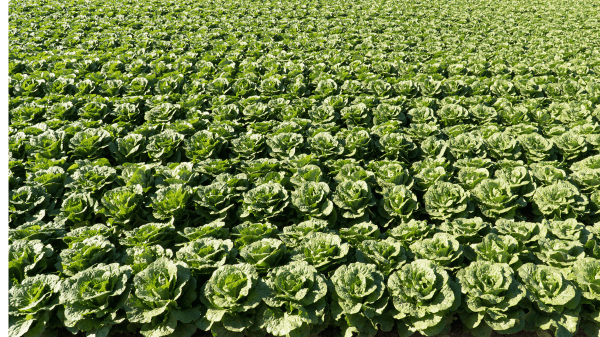
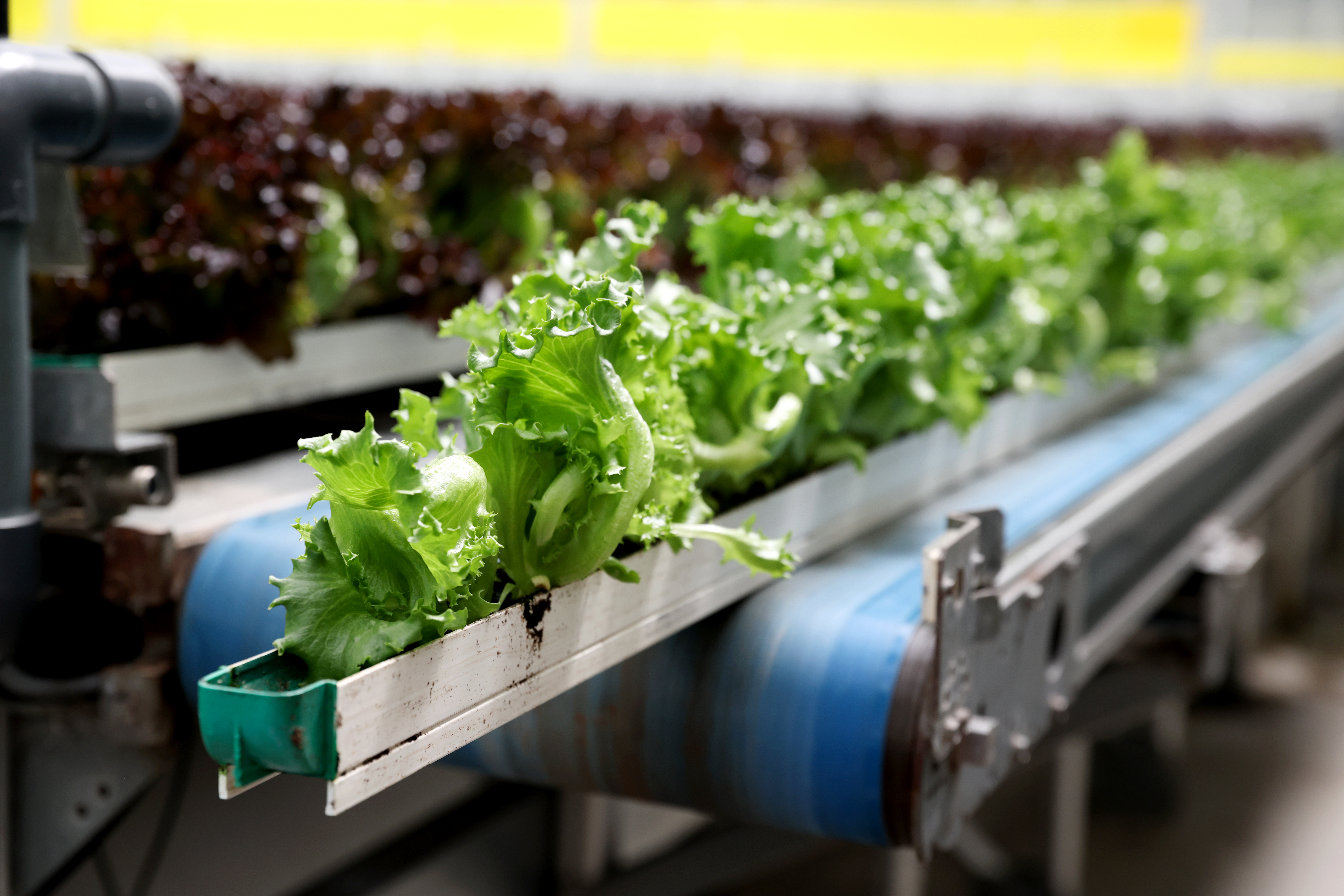
Compliance Cost Barriers Now Protect Compliant Sellers: The outbreak has accelerated FDA enforcement of preventive controls requirements for leafy greens suppliers. Sellers without current FSMA certification face 60-90 day compliance timelines costing $15,000-$40,000 per facility (including audits, documentation, traceability systems). This creates a 2-3 month window where compliant sellers capture market share from competitors unable to meet new standards. Specifically, shredded iceberg lettuce from central Mexico—identified as the outbreak source—now requires enhanced traceability documentation, supplier verification, and cold-chain monitoring. Sellers offering pre-packaged, commercially blanched frozen vegetables and canned produce face 40-60% lower compliance costs than fresh leafy greens, creating a category shift opportunity. Amazon Fresh and Walmart+ are implementing mandatory supplier compliance verification by September 2026, meaning non-certified sellers will be delisted within 60 days.
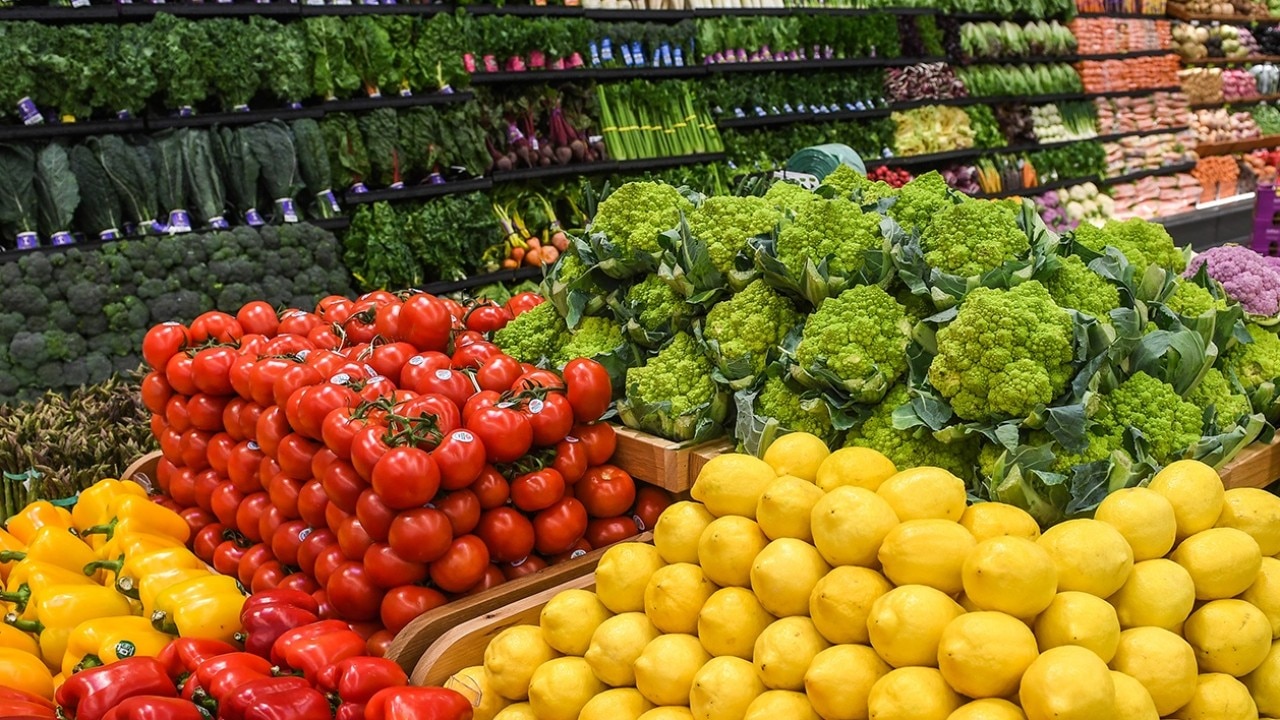
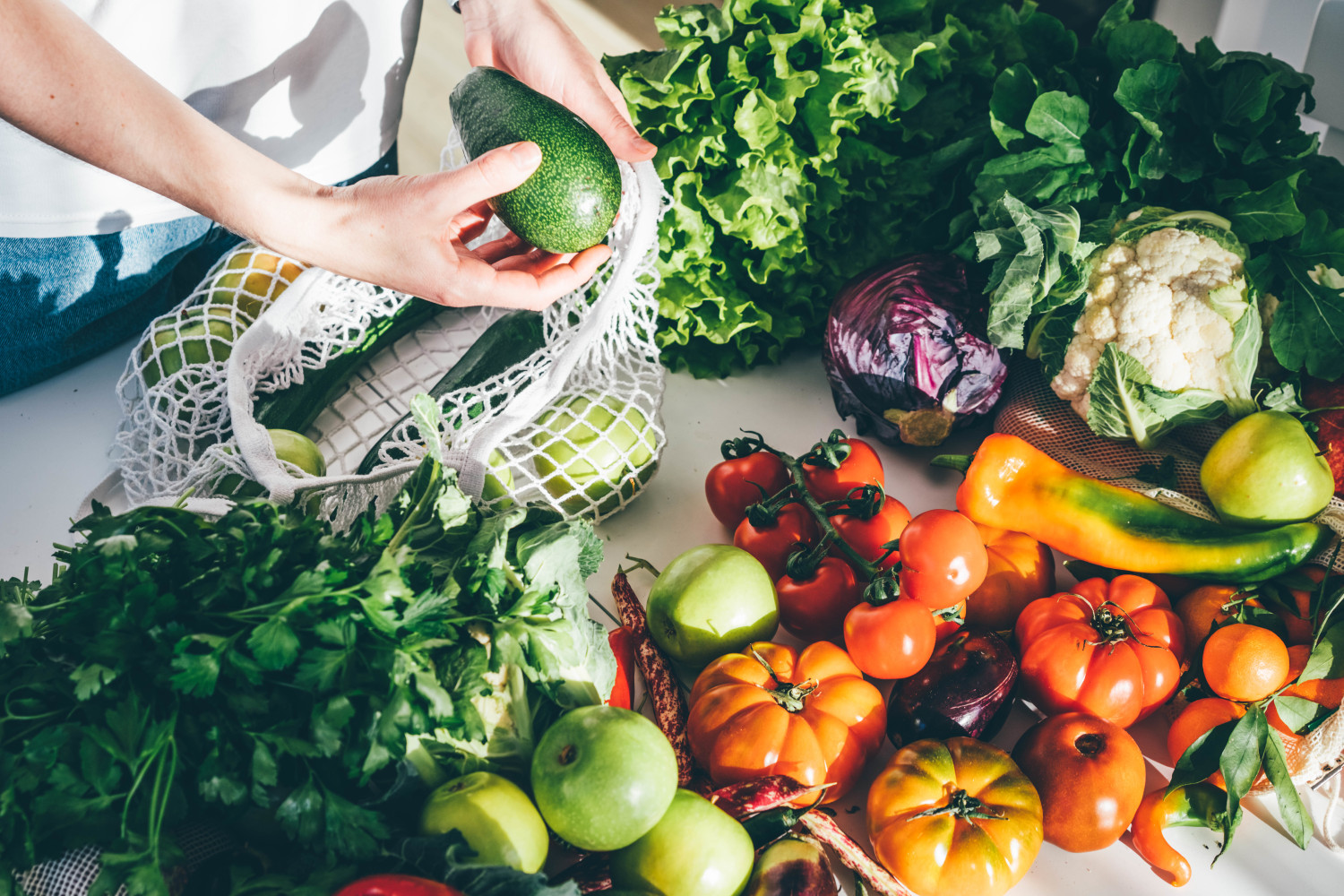
Market Elimination Creates Alternative Category Opportunities: The outbreak has triggered consumer demand shift toward lower-risk produce categories: frozen vegetables (+35-45% search volume increase), canned fruits/vegetables (+25-30%), and firm produce with smooth surfaces (cucumbers, watermelons, avocados). Sellers in these categories face 50-70% lower compliance friction than fresh leafy greens. Conversely, high-risk categories (fresh herbs, berries, cilantro, basil, raspberries, snow peas) will see 40-50% supplier attrition as smaller sellers exit rather than invest in compliance infrastructure. The CNN investigation into Taylor Farms' historical pattern of "blame deflection" during previous E. coli and cyclospora incidents has triggered retailer audits of supplier accountability measures—creating demand for compliance consulting services, traceability software, and third-party certification providers. Sellers offering compliance-as-a-service (documentation templates, audit preparation, FSMA training) can capture $5,000-$15,000 per supplier client.
Questions 7
What are the financial implications for sellers who fail to comply by September 2026?
Non-compliant sellers face: (1) immediate delisting from Amazon Fresh and Walmart+ (60-90% of fresh produce e-commerce revenue for most sellers); (2) potential FDA enforcement action including warning letters, import detention, or facility closure; (3) legal liability for outbreak-related damages (Taylor Farms faces potential $50M+ litigation); (4) brand reputation damage affecting sales on other platforms. Sellers with $500K-$2M annual fresh produce revenue lose $300K-$1.8M in annual sales if delisted. Compliance investment of $30K-$50K is therefore economically rational compared to revenue loss. Sellers should prioritize compliance spending as highest-priority operational investment for Q3 2026.
What new compliance requirements are Amazon Fresh and Walmart+ enforcing due to the cyclospora outbreak?
Both platforms are implementing mandatory FSMA certification verification and third-party audit documentation by September 2026, with 60-day delisting for non-compliant suppliers. Amazon Fresh specifically requires HACCP plans, traceability documentation, and cold-chain monitoring for all fresh produce suppliers. Walmart+ is cross-referencing suppliers against FDA recall databases and requiring real-time inventory tracking. Sellers must submit current SQF or BRC certification (valid within 12 months) to maintain listing eligibility. Non-compliance results in immediate account suspension and potential legal liability for outbreak-related damages.