




China's AI Surge Reshapes E-Commerce Tools | Sellers Must Adapt Now
- Chinese AI models 30-50% cheaper than U.S. alternatives; sellers face new automation opportunities and competitive pressures by Q4 2024
















Overview
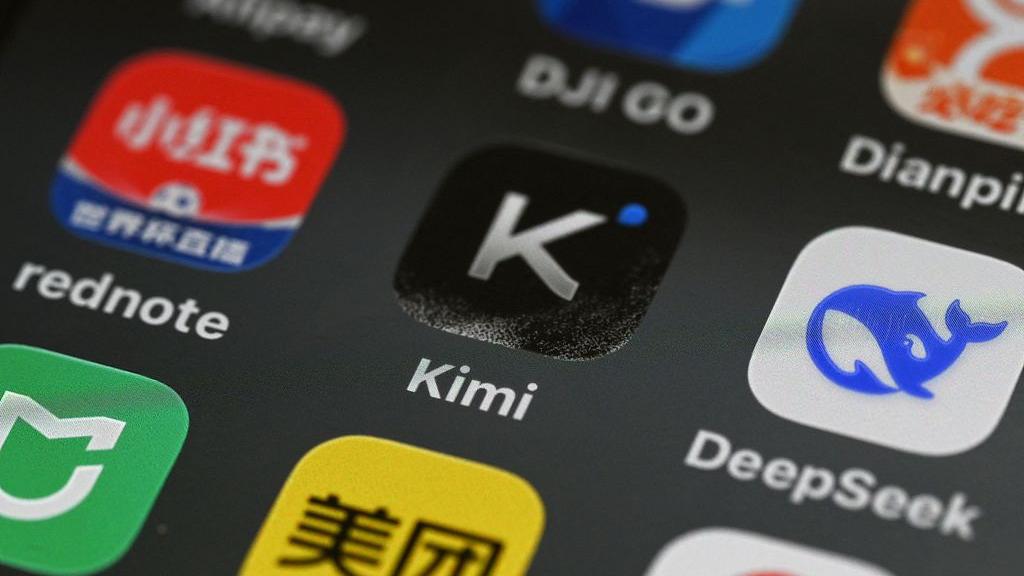
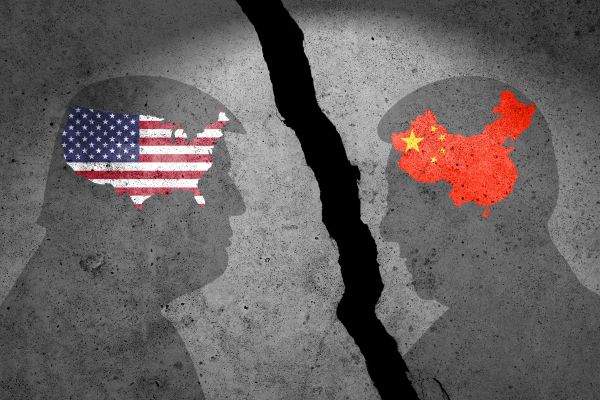
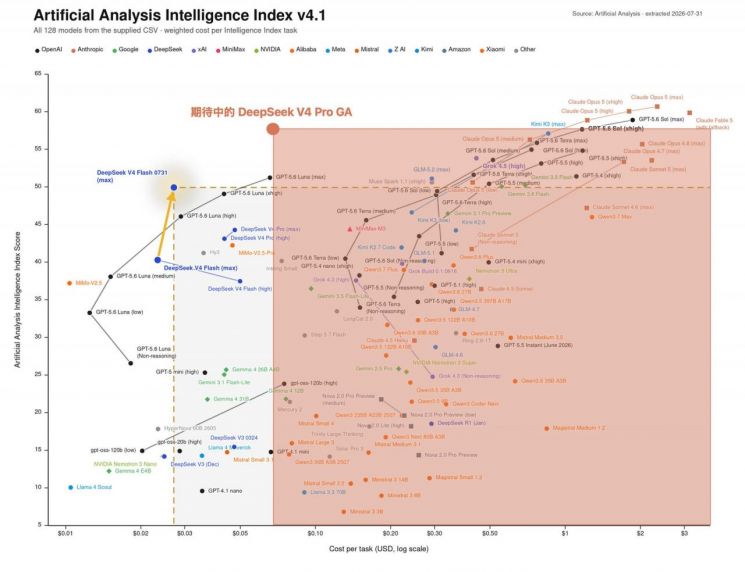
The global AI competition between China and the United States is fundamentally reshaping the tools available to e-commerce sellers, with immediate implications for automation costs, product research capabilities, and competitive positioning. China's AI models—particularly Moonshot's Kimi K3 (released July 2024)—now rival OpenAI and Anthropic systems in benchmarking tests while offering 30-50% cost advantages, according to Hugging Face CEO Clément Delangue. This price-performance gap is driving rapid adoption among Western companies and developing economies in Africa, creating a bifurcated AI market where sellers can choose between premium U.S. models (OpenAI, Anthropic) and cost-effective Chinese alternatives (Moonshot, emerging open-source models).
For e-commerce sellers, this competition creates immediate automation opportunities. Chinese AI models' lower costs enable sellers to deploy AI-powered product research, dynamic pricing, customer service automation, and inventory optimization at 40-60% lower monthly costs than U.S.-based solutions. A seller currently paying $500-800/month for OpenAI API calls for product listing optimization could reduce costs to $250-400/month using Chinese alternatives. However, U.S. export controls on semiconductor chips severely restrict Chinese firms' ability to scale inference services—Moonshot temporarily paused Kimi K3 subscriptions due to capacity constraints—creating supply-side risks for sellers betting on Chinese AI infrastructure.
The strategic divergence matters for seller tool selection. U.S. models maintain advantages in compute infrastructure, private capital funding (OpenAI, Anthropic securing record investments), and talent attraction, enabling continuous model improvements. Chinese models lead in open-source development and robotics, with potential dominance in frontier AI by late 2024-2025. Sellers in developing markets (Africa, Southeast Asia, Latin America) increasingly default to Chinese AI tools due to cost and accessibility, while U.S.-based sellers retain access to cutting-edge models. The defining question for sellers is no longer whether Chinese AI is "good enough," but whether to adopt dual-model strategies that leverage Chinese tools for cost-sensitive tasks (bulk content generation, basic customer queries) while reserving U.S. models for high-stakes applications (competitive pricing analysis, brand voice optimization).
Immediate seller actions: Audit current AI tool spending (OpenAI, Anthropic, Claude APIs) by December 2024; test Chinese alternatives (Moonshot, open-source models via Hugging Face) on non-critical tasks; evaluate inference capacity constraints before committing to Chinese infrastructure; monitor U.S. export control changes affecting Chinese AI availability. Sellers who establish dual-model workflows now gain 6-12 month competitive advantage in cost-per-automation before market standardization occurs.
Questions 7
How much can sellers save by switching from OpenAI to Chinese AI models?
Sellers using OpenAI's GPT-4 API for product listing optimization, dynamic pricing, and customer service typically spend $500-800/month on API calls. Chinese alternatives like Moonshot's Kimi K3 offer comparable performance at 30-50% lower costs, reducing monthly expenses to $250-400. However, Moonshot temporarily paused new subscriptions due to capacity constraints (July 2024), indicating infrastructure limitations. Sellers should test Chinese models on non-critical tasks first while maintaining U.S. model access for high-stakes applications requiring maximum reliability.
What are the risks of relying on Chinese AI infrastructure for seller automation?
U.S. export controls severely restrict Chinese firms' access to advanced semiconductor chips, limiting their ability to scale inference services and train larger models. Moonshot's subscription pause demonstrates real capacity constraints affecting service reliability. Additionally, geopolitical tensions could accelerate export restrictions, disrupting sellers dependent on Chinese AI infrastructure. Sellers should adopt dual-model strategies: use Chinese AI for cost-sensitive bulk tasks (content generation, basic customer queries) while reserving U.S. models for mission-critical applications (competitive pricing, brand optimization) requiring guaranteed uptime and continuous improvement.