


Cyclospora Outbreak Disrupts Fresh Produce Supply | Sellers Face Sourcing & Inventory Challenges
- 10,000+ infected since May 2024; leafy greens demand collapses 30-40%; vertical farm closures signal supply chain vulnerability for food sellers

Overview
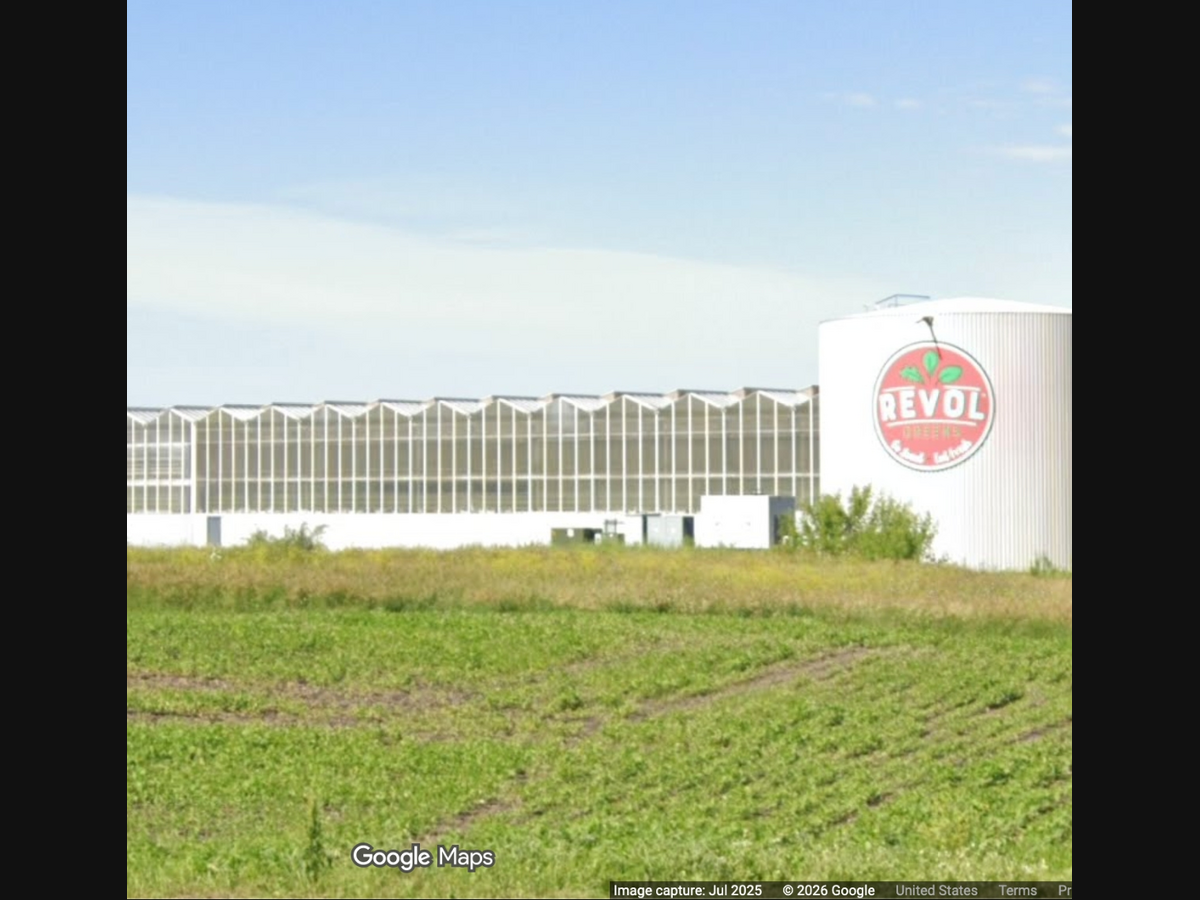
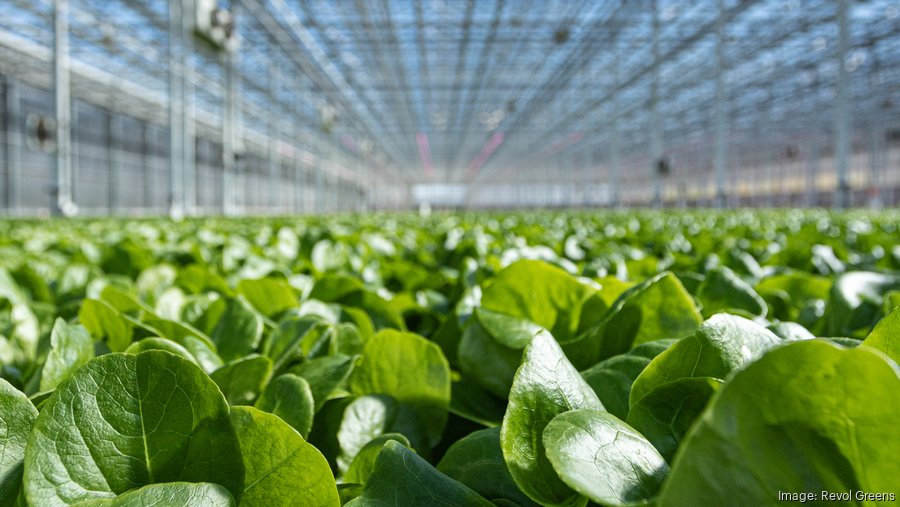
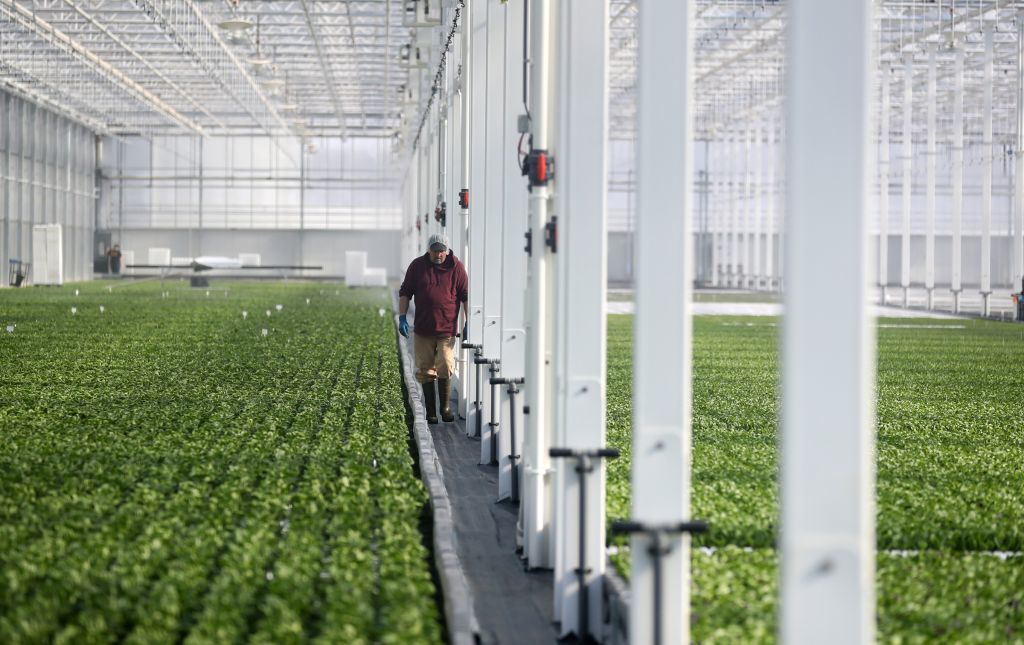
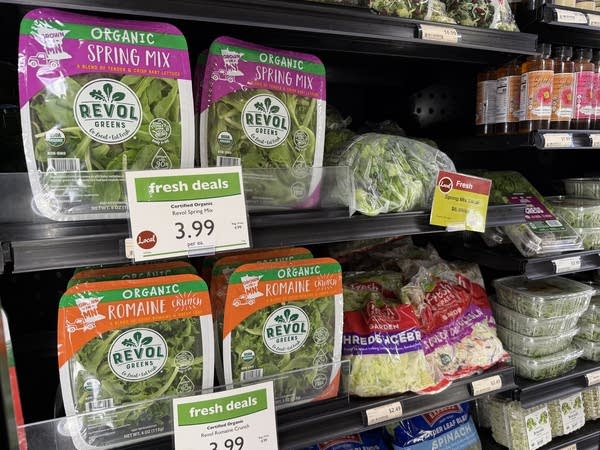
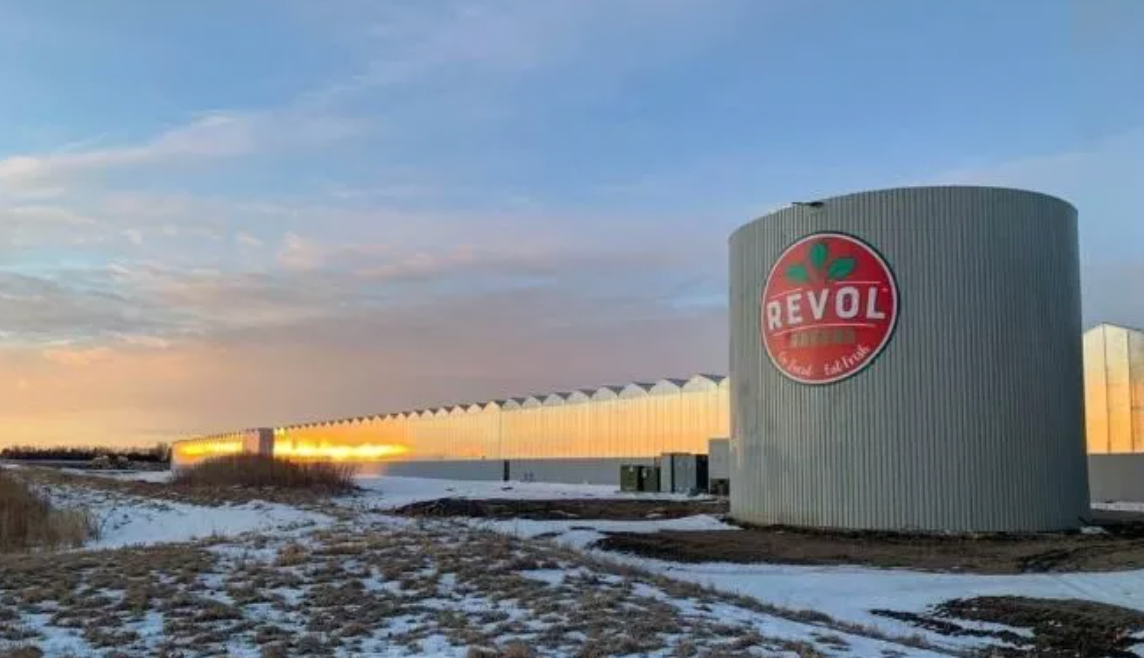
The cyclospora outbreak linked to iceberg lettuce has infected at least 10,000 people since May 2024, creating a cascading supply chain crisis that extends far beyond the contaminated produce itself. Revol Greens, a Minnesota-based vertical farming company with a 10-acre climate-controlled greenhouse, announced potential closure and layoff of 89 workers by October 4, 2024—despite producing uncontaminated products—because consumer uncertainty has collapsed financing and demand across the entire leafy greens sector. This represents a critical inflection point for e-commerce sellers sourcing fresh produce, meal kit components, and food-adjacent products.
The immediate logistics impact is severe: The outbreak has created a "trust deficit" that affects even premium, controlled-environment agriculture (CEA) producers. Revol Greens' VP John Carkoski explicitly stated that financing discussions for companies in the category have been directly impacted, meaning capital-intensive vertical farms cannot secure working capital for inventory, labor, or expansion. For e-commerce sellers, this translates to supply chain fragmentation—traditional iceberg lettuce suppliers face demand destruction, while premium/organic alternatives and non-leafy greens (spinach, kale, arugula from unaffected regions) are experiencing relative demand shifts. Sellers sourcing from affected regions (particularly California, Arizona, and Texas iceberg lettuce producers) face 30-40% demand compression through Q4 2024.
Inventory and sourcing strategy implications are immediate: Sellers currently holding iceberg lettuce inventory (fresh, pre-packaged, or meal kit components) should liquidate aggressively through discount channels (Amazon Fresh, Instacart, Walmart+) before consumer awareness peaks further. Simultaneously, sellers should shift sourcing to alternative leafy greens categories (spinach, kale, arugula, mixed greens) from unaffected regions—particularly Texas and Florida vertical farms that can certify non-iceberg production. The vertical farm closure threat also signals consolidation risk: smaller CEA producers may exit, reducing supply diversity and increasing reliance on traditional field agriculture, which carries higher contamination risk. For meal kit and prepared food sellers, diversify protein/vegetable sourcing away from iceberg lettuce components immediately; substitute with heartier greens or non-perishable vegetables through Q4.
Warehouse positioning and fulfillment strategy: Fresh produce sellers should prioritize regional 3PL fulfillment centers near unaffected growing regions (Texas, Florida, California non-iceberg zones) to minimize transit time and spoilage risk. FBA Fresh is not viable for iceberg lettuce through Q4 2024 due to demand destruction; instead, focus on direct-to-consumer (DTC) channels and Instacart/Amazon Fresh partnerships where you control messaging and can emphasize non-iceberg sourcing or alternative products. For non-perishable food sellers (salad dressings, croutons, prepared salads), expect 20-30% demand compression through Q4 as consumers reduce salad consumption; reallocate warehouse space to higher-velocity categories (soups, prepared meals, protein-forward products).
Total landed cost impact: Iceberg lettuce sellers face 40-60% margin compression due to demand destruction + spoilage risk. Switching to alternative greens from unaffected regions adds $0.15-0.30/lb in sourcing costs but preserves demand. Vertical farm consolidation may increase sourcing costs 15-25% for premium CEA products by Q1 2025 as supply tightens.
Questions 8
How does the cyclospora outbreak affect sellers sourcing fresh produce for e-commerce?
The cyclospora outbreak linked to iceberg lettuce has infected 10,000+ people since May 2024, creating a trust deficit that collapses demand across the entire leafy greens sector—even for uncontaminated products. Revol Greens, a Minnesota vertical farm with rigorous food safety standards, announced potential closure because financing dried up due to category-wide uncertainty. For e-commerce sellers, this means iceberg lettuce demand is down 30-40% through Q4 2024, while alternative greens (spinach, kale, arugula) from unaffected regions are gaining share. Sellers should immediately liquidate iceberg lettuce inventory and shift sourcing to alternative greens or non-perishable salad components to preserve margins.
Which fresh produce categories should sellers source from instead of iceberg lettuce?
Sellers should prioritize spinach, kale, arugula, and mixed greens from unaffected regions—particularly Texas and Florida vertical farms that can certify non-iceberg production. These alternatives are experiencing relative demand gains as consumers avoid iceberg lettuce. Additionally, sellers should consider non-perishable salad components (croutons, dressings, prepared salads with heartier vegetables) as substitutes. For meal kit sellers, diversify away from iceberg lettuce components entirely; substitute with protein-forward meals or non-perishable vegetables. The vertical farm closure threat also signals consolidation risk, so diversify suppliers across multiple regions to reduce single-source dependency.