


ChatGPT Free Tier Unlimited Messaging | AI Automation Opportunity for E-Commerce Sellers
- OpenAI removes text message limits for 1B+ weekly users; Luna/Sol models enable cost-effective AI automation for product research, pricing, and customer service workflows
)
/socialsamosa/media/media_files/2026/08/07/62-2026-08-07-18-55-21.png)





Overview
OpenAI's rollout of unlimited text-based messaging for free ChatGPT users represents a critical inflection point for e-commerce sellers seeking to automate repetitive tasks without premium subscription costs. With over 1 billion weekly active users gaining unrestricted access to the new GPT-5.6 Luna model (optimized for high-volume, cost-sensitive workloads), sellers now have a viable path to implement AI-powered automation across product research, competitive intelligence, listing optimization, and customer service—previously bottlenecked by message limits and premium pricing.
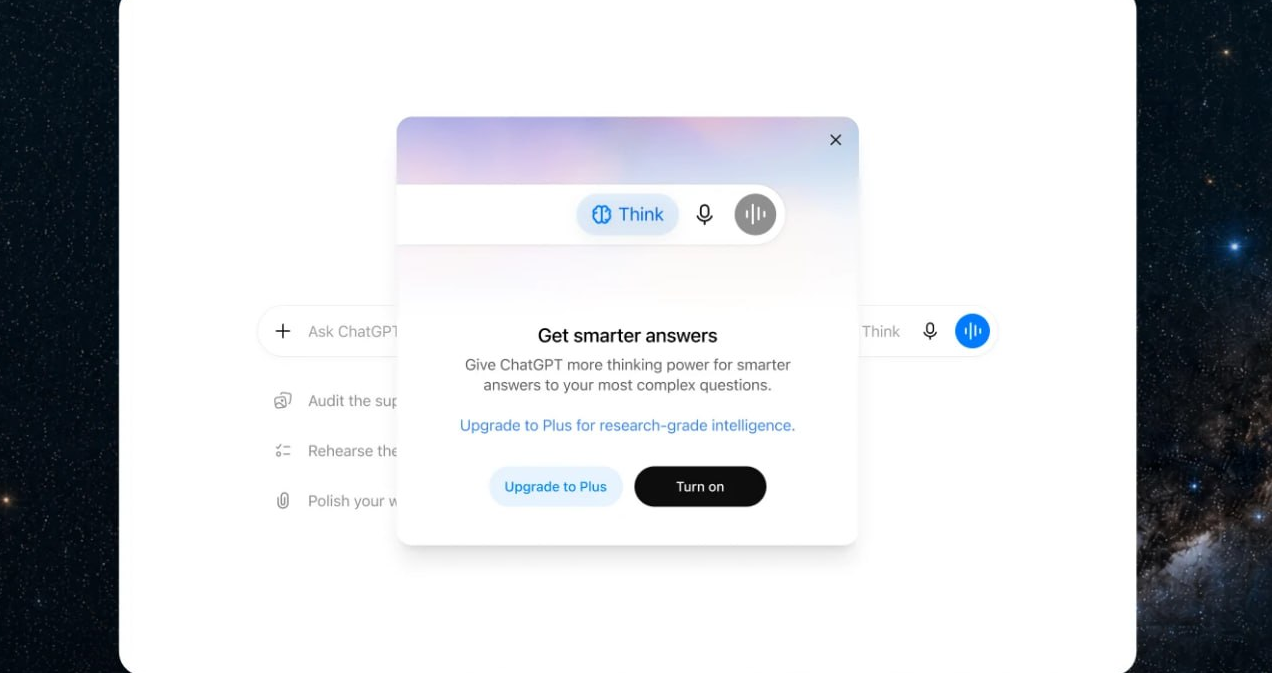
The immediate automation opportunity is substantial: Free users previously faced cooldown periods that made batch processing impossible; unlimited messaging eliminates this friction entirely. For sellers managing 100-500 SKUs, this enables real-time AI analysis of competitor pricing, product descriptions, and customer reviews at zero marginal cost. The Luna model's "Think" button allows sellers to push deeper analysis for complex requests (market sizing, trend forecasting, supply chain optimization) without upgrading to Plus/Pro tiers. Industry benchmarks suggest sellers spend 15-25 hours weekly on manual research tasks; Luna automation can compress this to 3-5 hours through batch processing of product data, review analysis, and pricing intelligence.
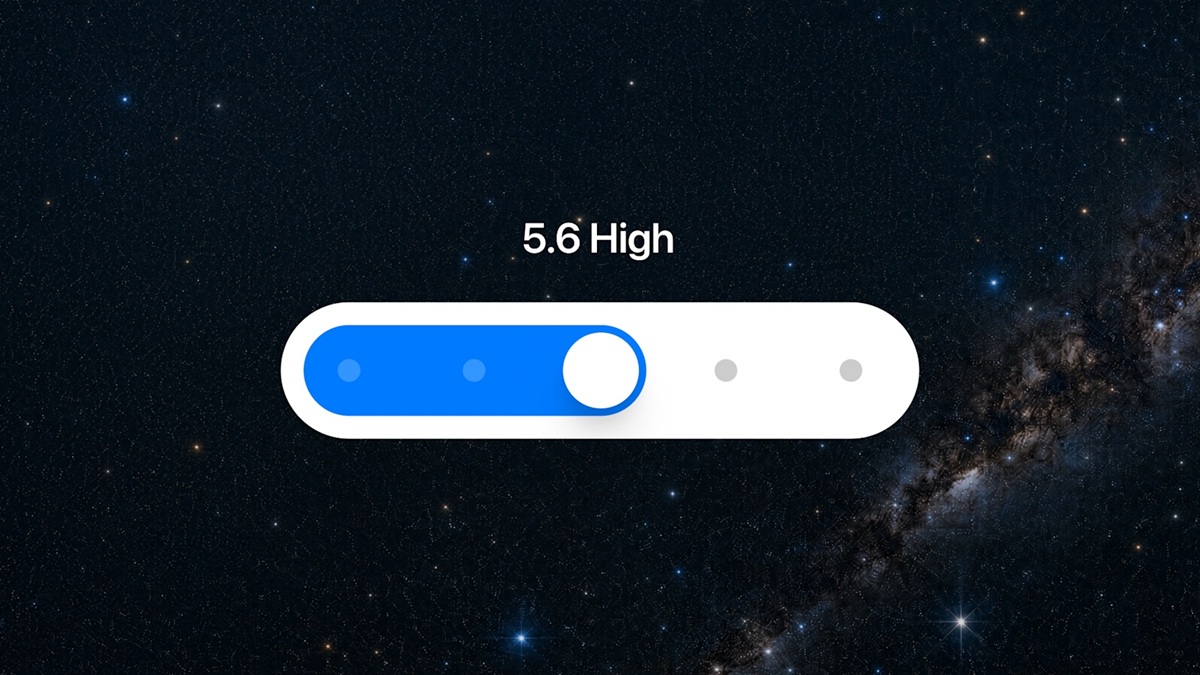
The competitive intelligence angle is particularly powerful: Sellers can now deploy AI agents to monitor competitor listings across Amazon, eBay, and Shopify in real-time, extracting pricing trends, keyword strategies, and promotional patterns. The Sol model (for Plus/Pro users) delivers "more focused responses" with fewer hallucinations, making it suitable for high-stakes decisions like inventory allocation and category expansion. The effort slider for premium users enables dynamic cost-benefit analysis: "Instant" mode for quick lookups (competitor ASPs, BSR trends) versus higher-effort analysis for strategic decisions (market entry, supplier negotiations). This tiered approach mirrors how sellers should allocate AI resources—fast automation for tactical tasks, deeper reasoning for strategic bets.
Data-driven insights emerge from Luna's cost-sensitive design: OpenAI explicitly optimized Luna for "high-volume workloads," signaling infrastructure designed to handle thousands of concurrent seller queries. This enables new AI product opportunities: sellers need tools that batch-process Luna queries across entire product catalogs, automatically generating optimized listings, pricing recommendations, and customer service responses. The gap exists between raw Luna capability and seller-specific workflows—no existing tool fully integrates Luna with Amazon Seller Central, eBay APIs, or Shopify admin dashboards to automate end-to-end operations.
Time-to-value is immediate: Sellers can begin using Luna today for product research (30-60 min/week savings), competitive pricing analysis (2-3 hours/week), and customer service templating (5-8 hours/week). The unlimited messaging removes the primary barrier to adoption—message limits that previously forced sellers to choose between breadth (monitoring many competitors) and depth (detailed analysis of few competitors). With Luna, sellers can do both simultaneously.
Questions 8
How can free ChatGPT users automate product research without message limits?
OpenAI's removal of cooldown periods on unlimited text messaging enables free users to batch-process competitor analysis, keyword research, and market sizing in a single session. Previously, sellers faced 3-4 hour waits between message clusters; unlimited access eliminates this friction entirely. The Luna model processes high-volume requests efficiently, allowing sellers to analyze 50-100 competitor listings, extract pricing patterns, and identify category trends in 30-45 minutes versus 4-6 hours of manual research. Sellers should immediately deploy Luna for daily competitive intelligence workflows—monitoring Amazon BSR trends, eBay pricing changes, and Shopify store strategies at zero cost.
What is the difference between Luna and Sol models for seller use cases?
Luna (free tier) is optimized for high-volume, cost-sensitive workloads—ideal for batch processing, rapid iteration, and exploratory analysis. Sol (Plus/Pro) delivers more focused responses with fewer hallucinations, making it suitable for high-stakes decisions like inventory allocation, supplier negotiations, and market entry strategies. The effort slider for Sol users enables dynamic cost-benefit: use 'Instant' mode for quick lookups (competitor ASPs, category BSR), higher-effort levels for strategic analysis (market sizing, supply chain optimization). Sellers should use Luna for tactical automation (50-70% of queries) and reserve Sol for decisions with >$5K financial impact.