

Federal Reserve Rate Outlook 2026 | Critical Financing Impact for Cross-Border Sellers
- Trump signals preference for lower rates; potential 2-4% reduction in borrowing costs for inventory financing and working capital by Q4 2026




%20and%20President%20Donald%20Trump_Bloomberg.jpg&w=1920&q=75)

Overview
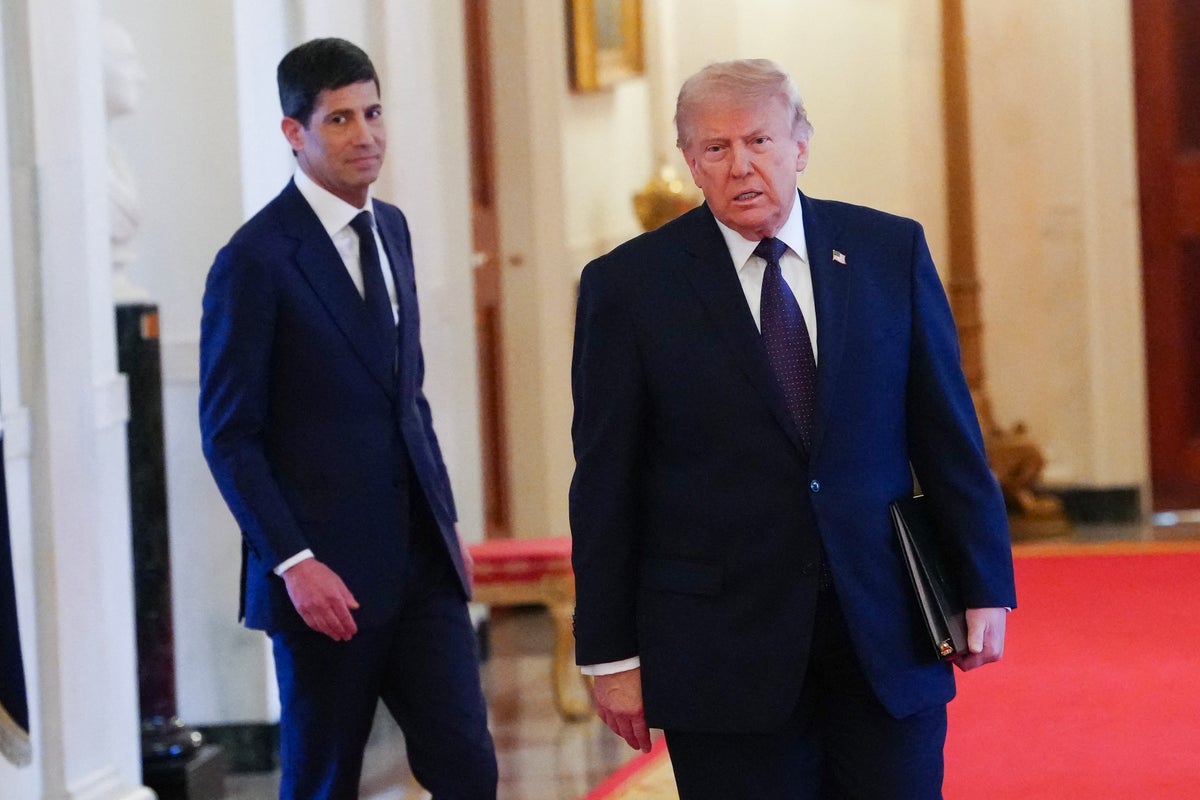
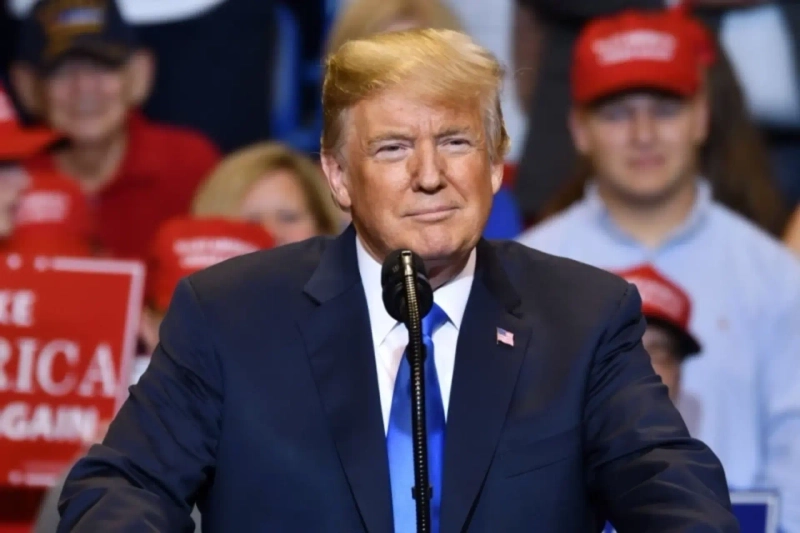
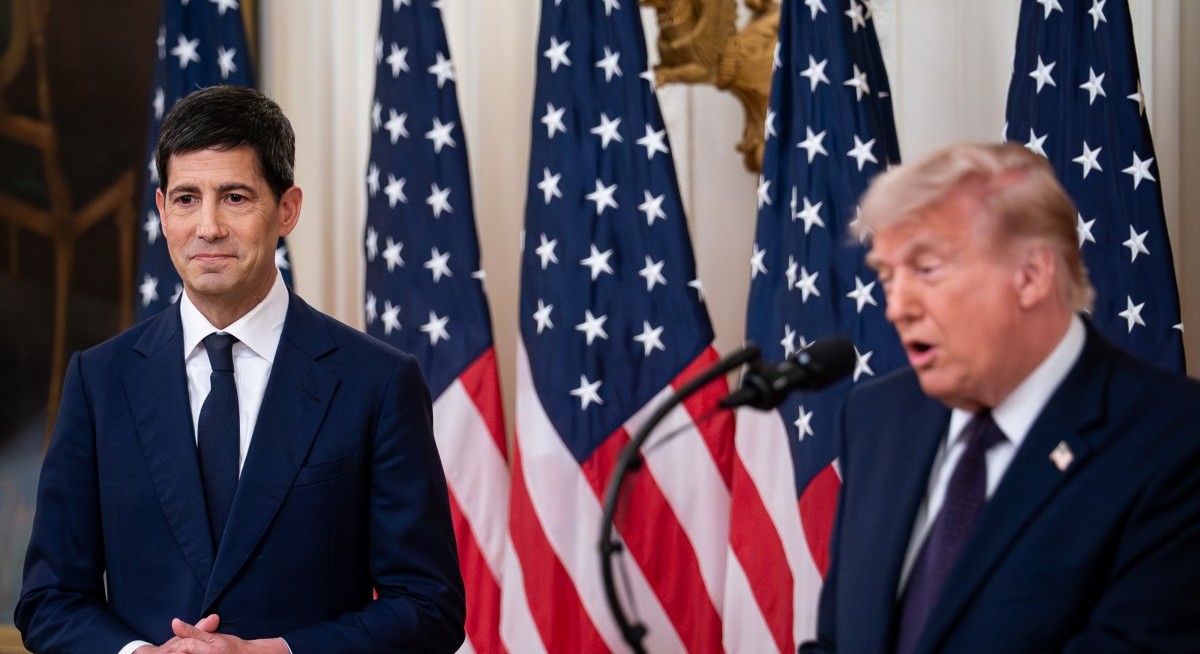
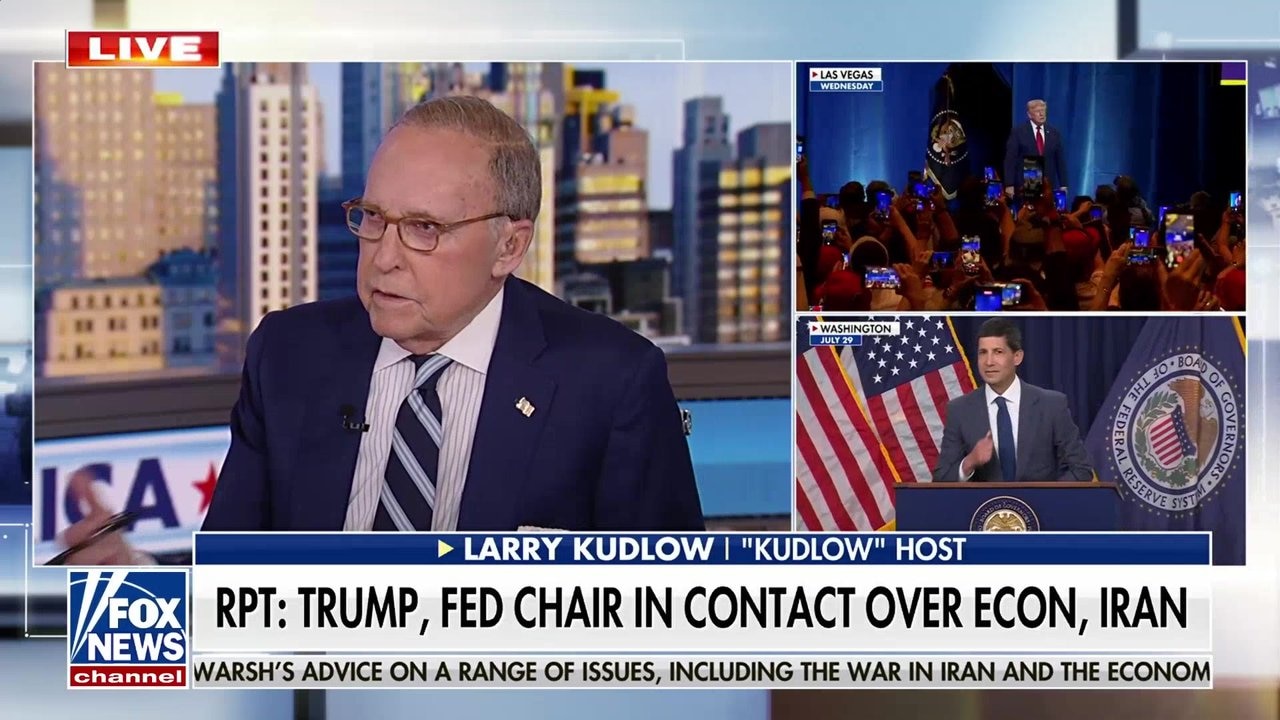
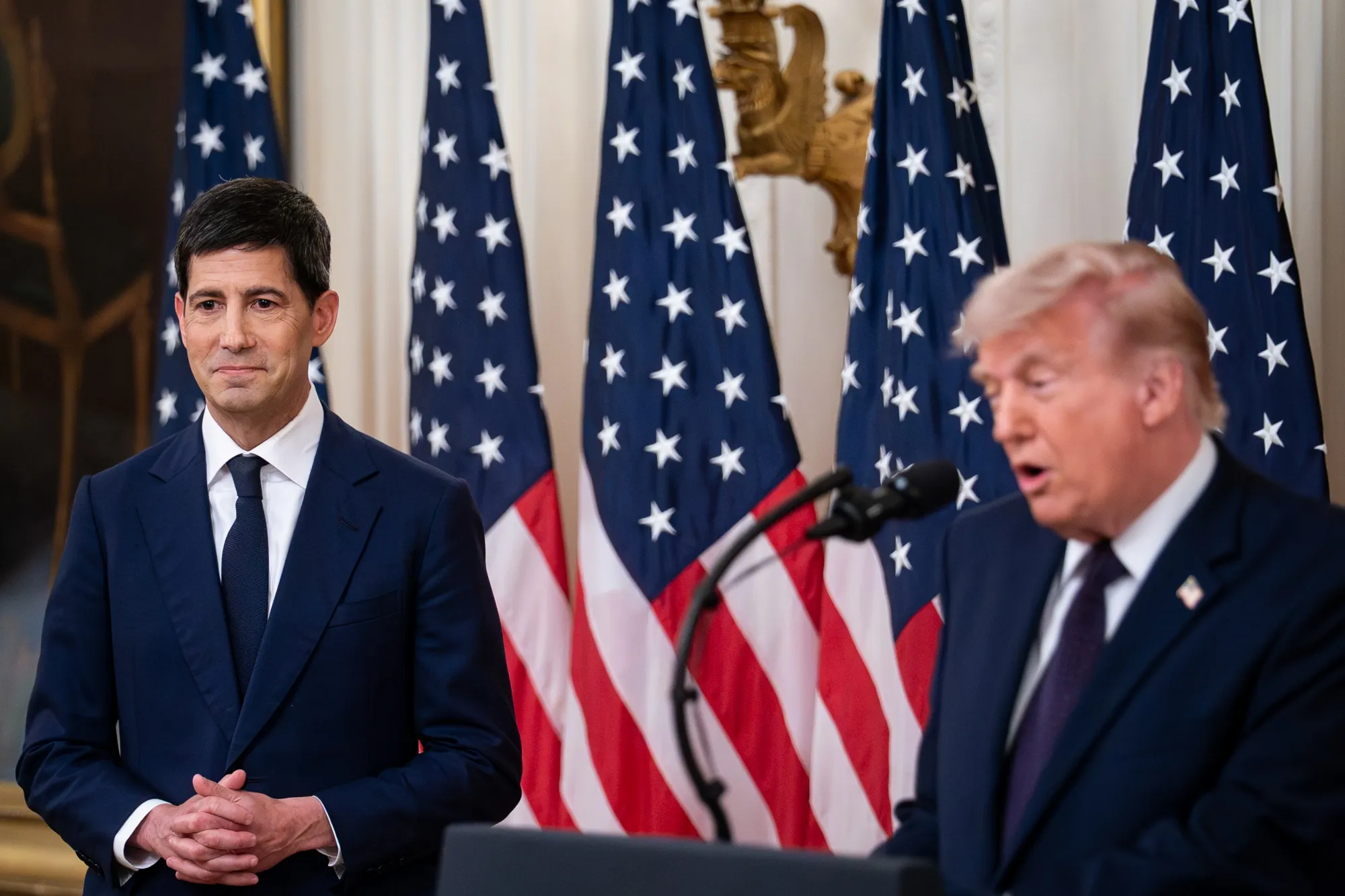
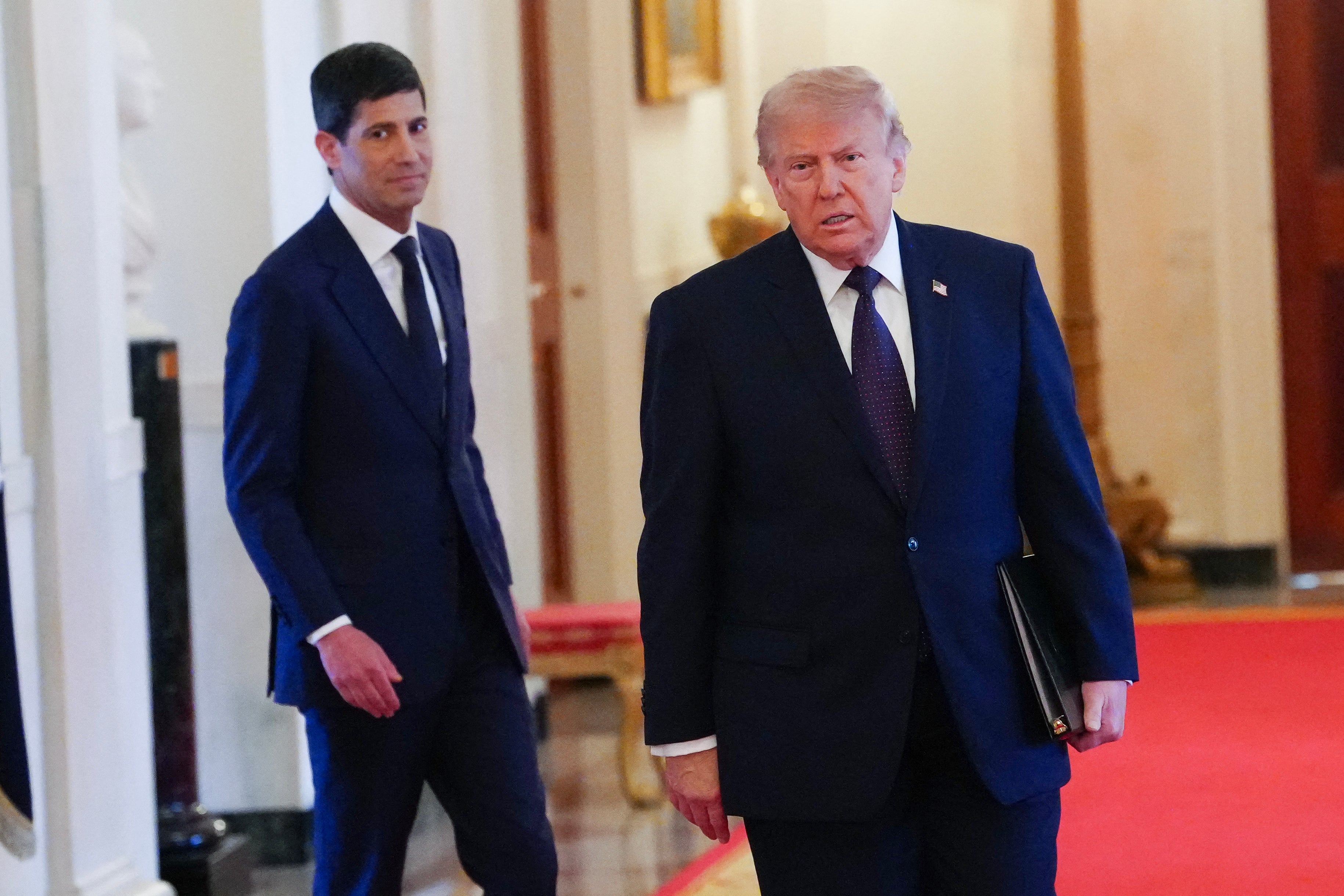
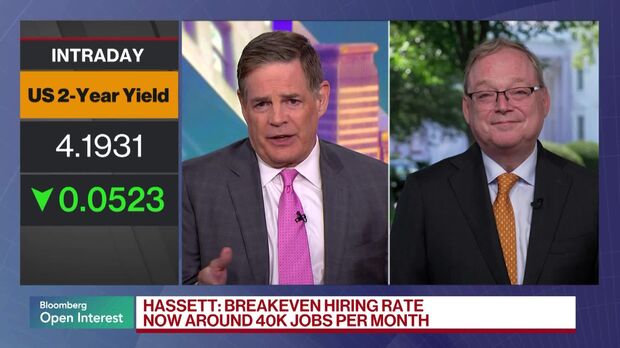
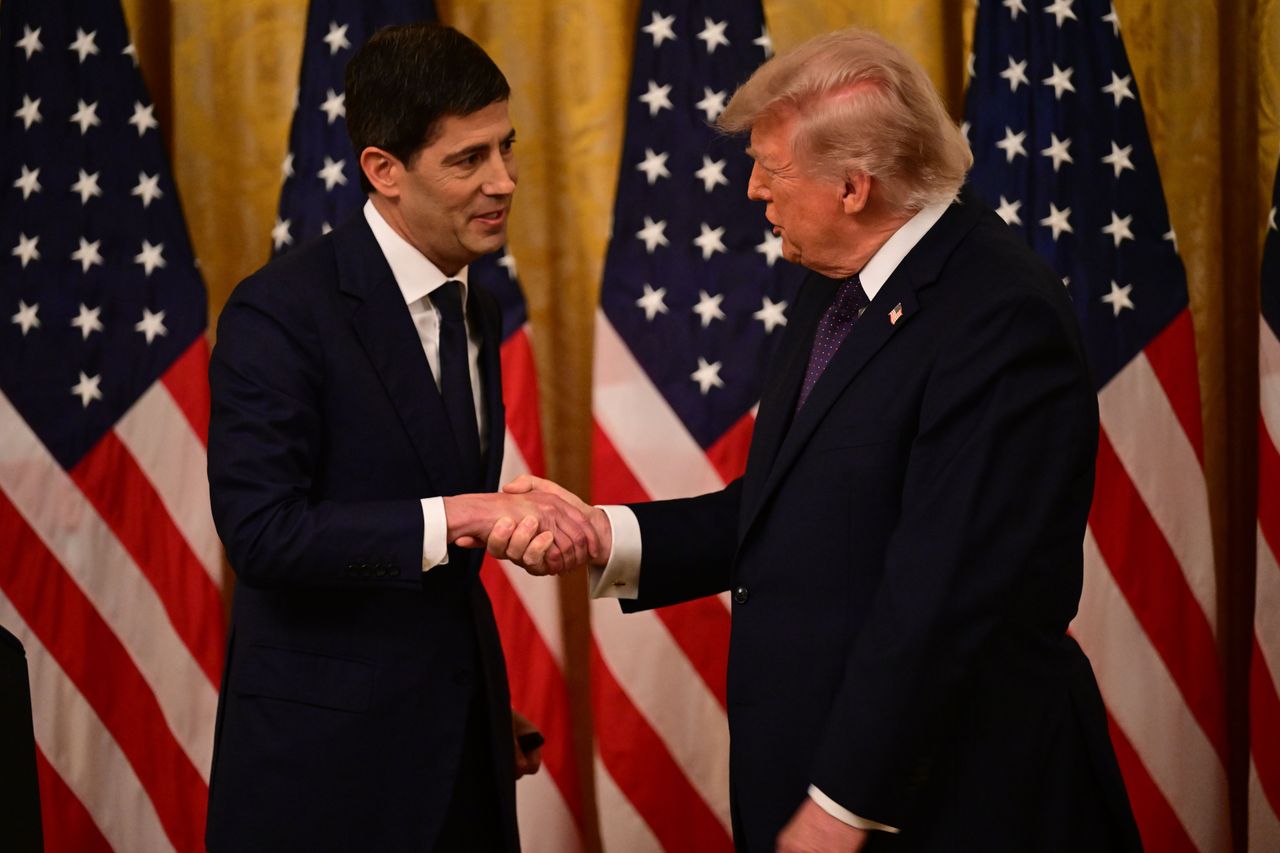
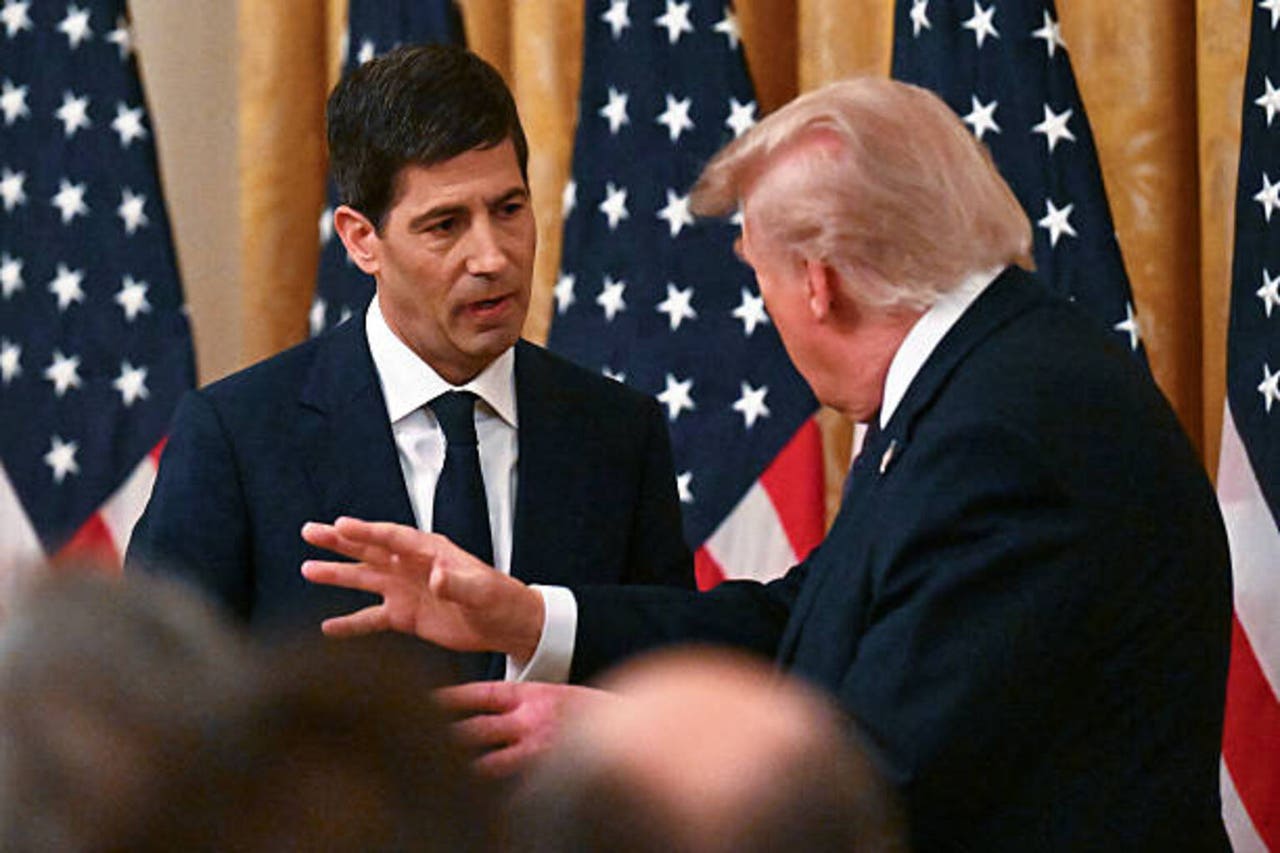
Trump's August 2026 statement on Federal Reserve monetary policy represents a significant shift in political rhetoric that directly impacts cross-border e-commerce seller financing costs. In an interview with Punchbowl News, President Trump acknowledged that Federal Reserve Chairman Kevin Warsh operates within structural independence constraints, marking a notably softer stance compared to his previous confrontational approach. This measured rhetoric—particularly regarding rate decisions before the November midterm elections—signals potential acceptance of lower interest rate trajectories, which carries immediate implications for sellers' working capital optimization and inventory financing strategies.
For cross-border e-commerce sellers, the Federal Reserve's interest rate decisions function as a critical financial lever affecting multiple operational dimensions. Lower interest rates directly reduce borrowing costs for inventory expansion, working capital lines of credit, and business growth financing—typically saving sellers 2-4% annually on credit lines ranging from $50,000 to $500,000. Conversely, rate hikes increase operational expenses for the estimated 40-50% of Amazon FBA and Shopify sellers relying on inventory financing or revolving credit. The Federal Reserve's policy decisions cascade through currency exchange rates, affecting international shipping costs (particularly for sellers sourcing from Asia or Europe) and cross-border payment processing fees. A 1% rate reduction typically translates to $500-2,000 monthly savings for mid-sized sellers ($1-5M annual revenue) utilizing inventory loans or PO financing.
The political environment surrounding the November 2026 midterm elections creates a favorable window for sellers to lock in financing before potential rate volatility. Trump's acknowledgment of Federal Reserve independence—despite his rate preferences—suggests reduced likelihood of aggressive rate hikes in the near term. This creates a 4-6 month window (August-December 2026) where sellers can secure fixed-rate financing at potentially lower levels before post-election policy shifts. Additionally, lower rates improve consumer purchasing power and credit availability, directly boosting demand for e-commerce products across multiple categories. Sellers should monitor Federal Reserve announcements, FOMC meeting schedules, and economic indicators (inflation data, employment reports) as these factors determine financing costs, currency fluctuations affecting cross-border transactions, and overall consumer spending patterns that drive profitability through 2026.
Immediate financial optimization opportunities include: (1) Refinancing existing inventory loans or credit lines before potential rate increases post-election; (2) Locking in fixed-rate PO financing or invoice factoring at current rates; (3) Accelerating inventory purchases for Q4 2026 peak season while borrowing costs remain favorable; (4) Evaluating FX hedging strategies for major currency pairs (USD/EUR, USD/CNY, USD/GBP) to protect against rate-driven volatility; (5) Reviewing working capital financing products from alternative lenders (Shopify Capital, Amazon Lending, Stripe Capital) that may offer rate-sensitive terms.
Questions 8
What payment optimization strategies align with lower interest rate environments?
Lower rates create favorable conditions for payment optimization: (1) Negotiate extended payment terms (45-60 days) with suppliers, using freed working capital for inventory expansion; (2) Implement dynamic pricing strategies to capture demand increases from improved consumer credit availability; (3) Accelerate inventory turnover to reduce carrying costs and working capital requirements; (4) Evaluate supply chain financing options (supplier financing, reverse factoring) that become more attractive at lower rates; (5) Optimize payment method selection—lower rates reduce the cost of payment processing delays. Sellers should also review cross-border payment providers (Wise, Remitly, OFX) for competitive FX rates and fees, which become more critical as currency volatility increases. Calculate your cash conversion cycle and identify opportunities to reduce days payable outstanding.
How do Federal Reserve interest rate changes affect cross-border seller financing costs?
Federal Reserve rate decisions directly impact borrowing costs for inventory financing, working capital lines, and PO financing that cross-border sellers rely on. A 1% rate reduction typically saves sellers $500-2,000 monthly on credit lines ranging $50,000-$500,000. Trump's August 2026 statement signaling preference for lower rates suggests potential 2-4% annual savings on inventory loans through 2026. Sellers should lock in fixed-rate financing before post-election volatility, as rates may increase after November 2026 midterms. Monitor FOMC meeting schedules and Federal Reserve announcements to time refinancing decisions.