


Food Traceability Rule Compliance Deadline Extended to July 2028 | Seller Opportunity in Food Safety Certification
- HHS allocates $33M for food safety infrastructure; FDA enforcement gaps create compliance moat for certified sellers; 6,358+ cyclospora cases across 15 states trigger stricter supplier verification requirements





Overview
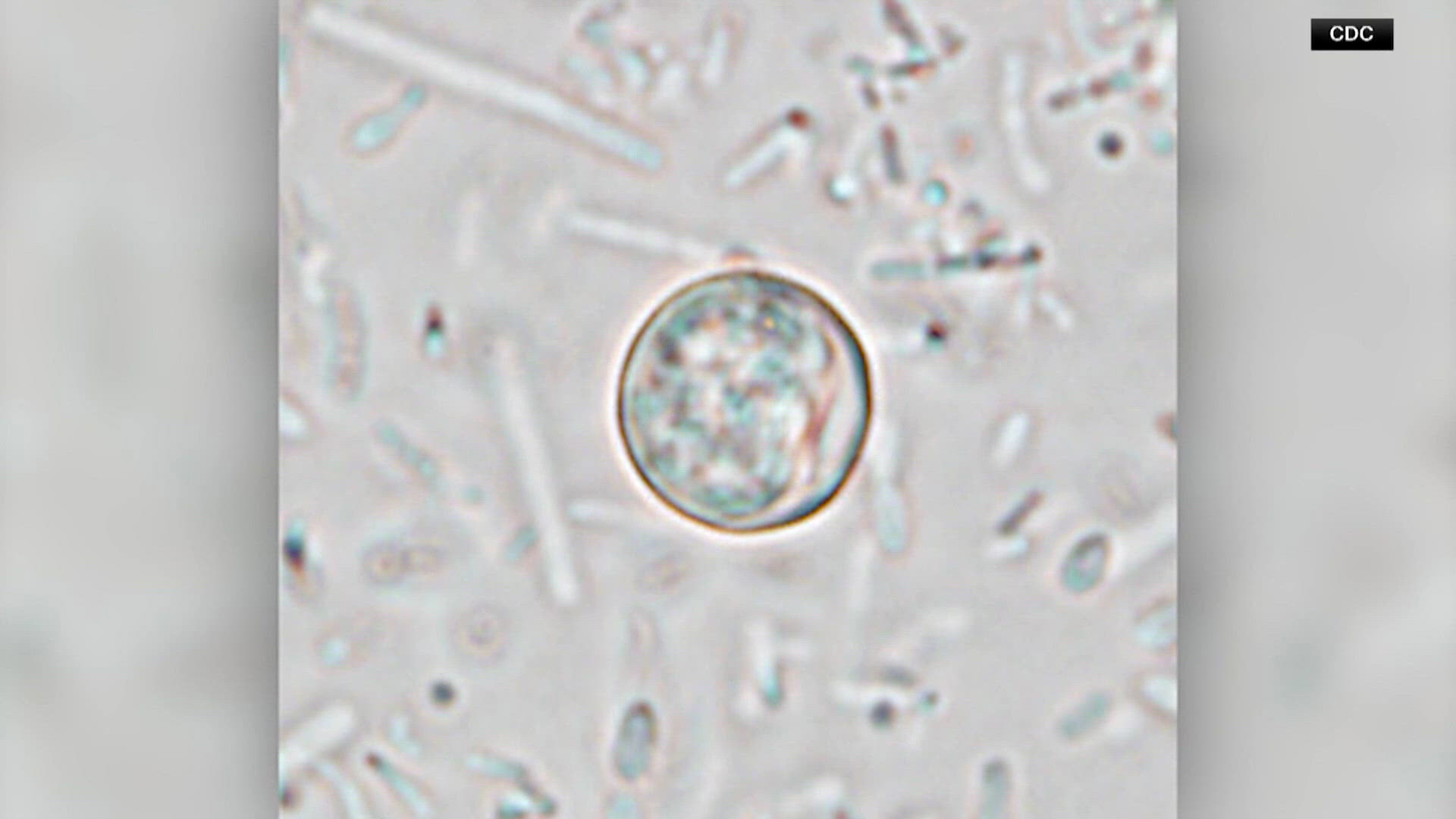
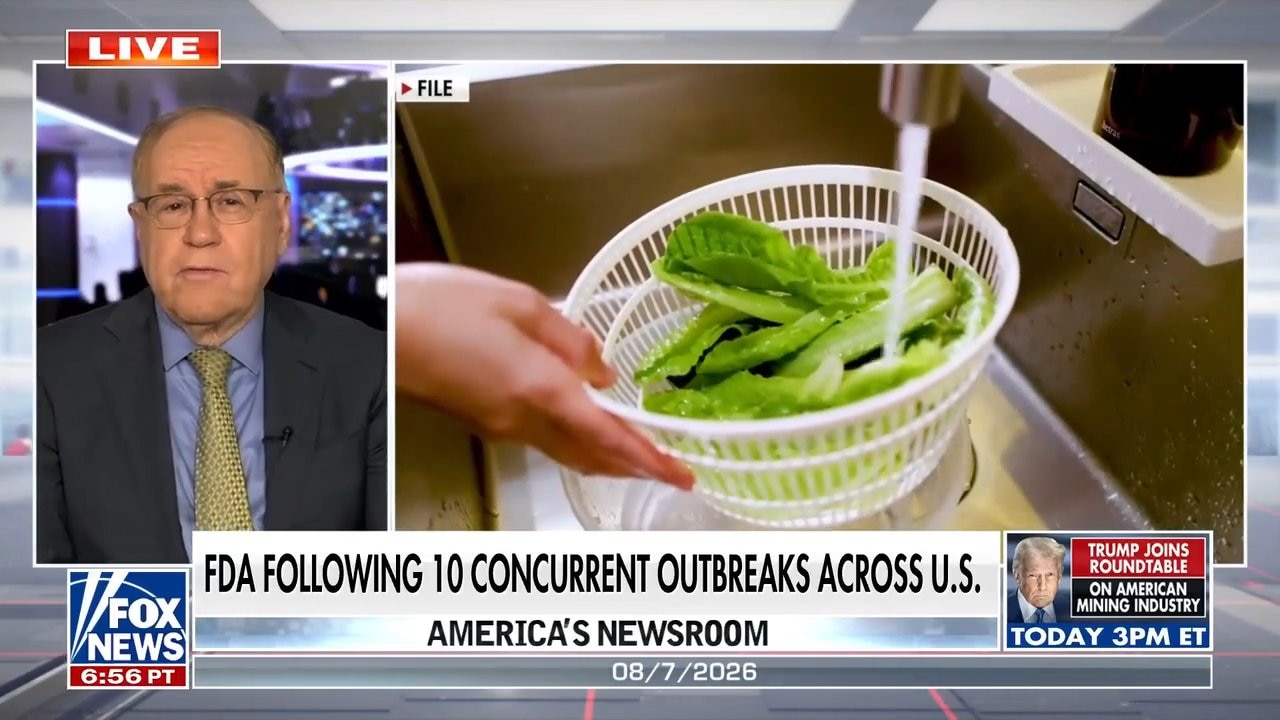
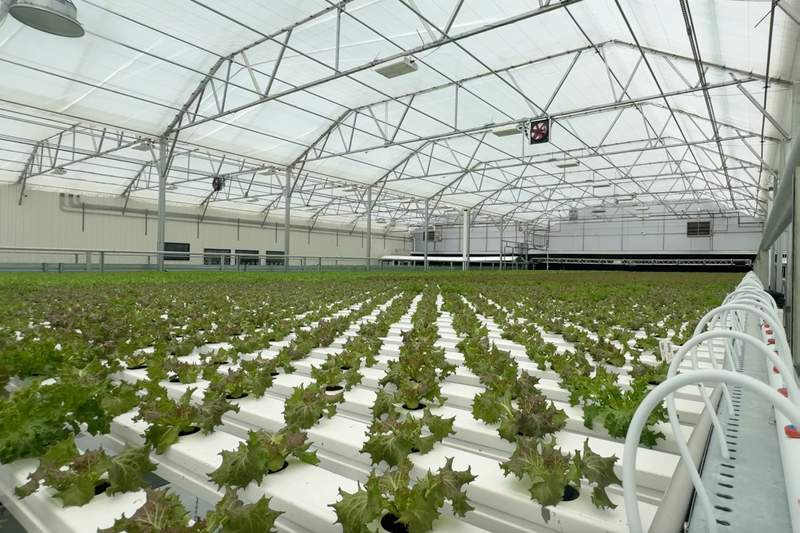
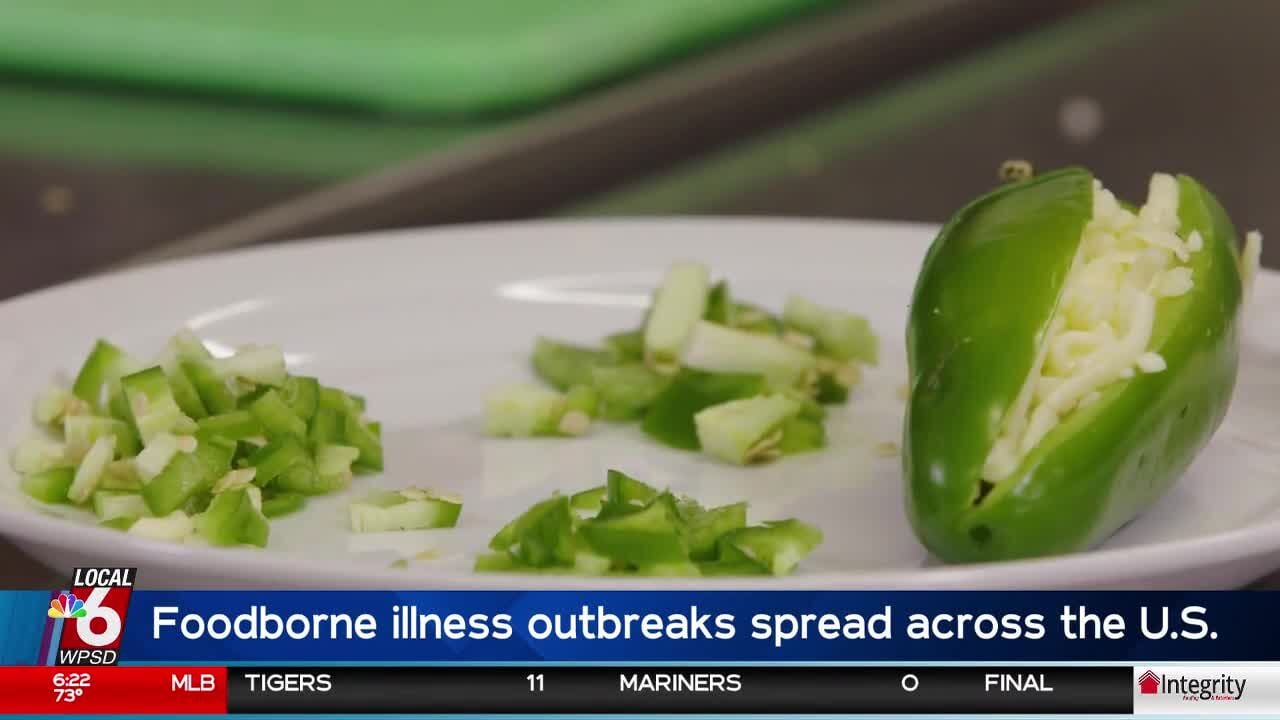
The simultaneous cyclospora outbreak (6,358 confirmed cases across 15 states, 278 hospitalizations, 2 deaths) linked to Mexican-sourced lettuce distributed by Taylor Farms and salmonella outbreak (346 cases across 27 states) from jalapeños supplied by Coast Citrus Distributors have exposed critical weaknesses in America's food safety infrastructure and created a compliance-driven competitive opportunity for sellers. The FDA's resource constraints—including a 73% reduction in CDC cyclospora surveillance staff (from 11 to 3 people)—have slowed outbreak response timelines and created coordination gaps between federal regulators and industry stakeholders. This regulatory vacuum directly impacts cross-border food sellers on Amazon Fresh, Walmart+, and specialty food marketplaces.
The compliance opportunity is immediate and substantial. The HHS has proposed a $33 million funding increase and extended the Food Traceability Rule compliance deadline to July 20, 2028, giving sellers a 3.5-year window to implement enhanced tracking systems for high-risk foods (fresh produce, seafood, dairy). This extension signals that the FDA recognizes widespread non-compliance among smaller suppliers and distributors—estimated at 40-60% of regional produce distributors lack real-time traceability systems. Sellers who achieve early compliance with FDA-approved traceability platforms (blockchain-based systems like Ripe.io, TraceLink, or IBM Food Trust) will gain a defensible competitive advantage: they can market "FDA-verified supply chain" credentials, command 8-15% price premiums on Amazon Fresh and Whole Foods listings, and capture market share from non-compliant competitors during enforcement waves.
For food sellers on Amazon, Walmart, and specialty platforms, the cost-benefit analysis is compelling. Implementing a certified traceability system costs $15,000-$50,000 upfront plus $2,000-$5,000 monthly for platform maintenance and compliance audits. However, sellers who achieve compliance before enforcement begins (estimated 2026-2027 based on FDA's historical timeline) can: (1) avoid product delisting during recall investigations, (2) reduce liability insurance premiums by 10-20%, (3) qualify for premium shelf placement on Amazon Fresh and Whole Foods (which now require supplier verification), and (4) access B2B restaurant supply channels (Chipotle, Qdoba, YUM Brands) that are implementing stricter supplier vetting post-outbreak. The outbreak has already triggered immediate retailer actions: Chipotle and Qdoba removed jalapeños from all locations, demonstrating that a single contamination event can eliminate a supplier from major distribution networks within 48 hours.
The regulatory enforcement timeline creates urgency for sellers. FDA staffing reductions have delayed outbreak investigations by an estimated 2-4 weeks, but the $33M funding increase signals Congress is prioritizing food safety enforcement. Sellers should expect: (1) increased FDA inspections of produce suppliers starting Q4 2025, (2) mandatory traceability documentation requests by mid-2026, and (3) enforcement actions against non-compliant sellers by late 2027. Sellers who delay compliance until 2027-2028 will face rushed implementation costs (30-40% premium for expedited certification) and potential product delisting during the compliance verification period.
Questions 8
How much will food traceability compliance cost sellers by 2028?
Implementing a certified traceability system costs $15,000-$50,000 for initial setup plus $2,000-$5,000 monthly for platform maintenance and compliance audits. For sellers with multiple SKUs or regional distribution, costs can reach $75,000-$150,000 annually. However, early compliance (before 2026 enforcement begins) provides ROI through: 10-20% liability insurance premium reductions, 8-15% price premiums on Amazon Fresh listings, and access to B2B restaurant supply channels (Chipotle, Qdoba, YUM Brands) that now require supplier verification. Sellers who delay until 2027-2028 will face 30-40% expedited certification premiums and potential product delisting during compliance verification.
Which food categories face the strictest compliance requirements under the new FDA rules?
High-risk foods including fresh produce (lettuce, jalapeños, berries), seafood, dairy, and ready-to-eat products face the strictest traceability requirements. The cyclospora outbreak linked to Mexican-sourced lettuce and salmonella outbreak from jalapeños demonstrate that produce suppliers face immediate enforcement scrutiny. Sellers in these categories must implement traceability systems by July 2028 or face product delisting from Amazon Fresh, Walmart+, and specialty food platforms. Lower-risk categories (packaged goods, shelf-stable items) have more flexible compliance timelines but still require documentation of supplier verification and batch tracking.