


Midwest Air Freight Disruption | Critical Supply Chain Impact for E-Commerce Sellers
- 90-minute delays at Minneapolis-St. Paul hub affecting 9-state region; air cargo sellers face immediate inventory rerouting and cost increases of 15-25%














Overview
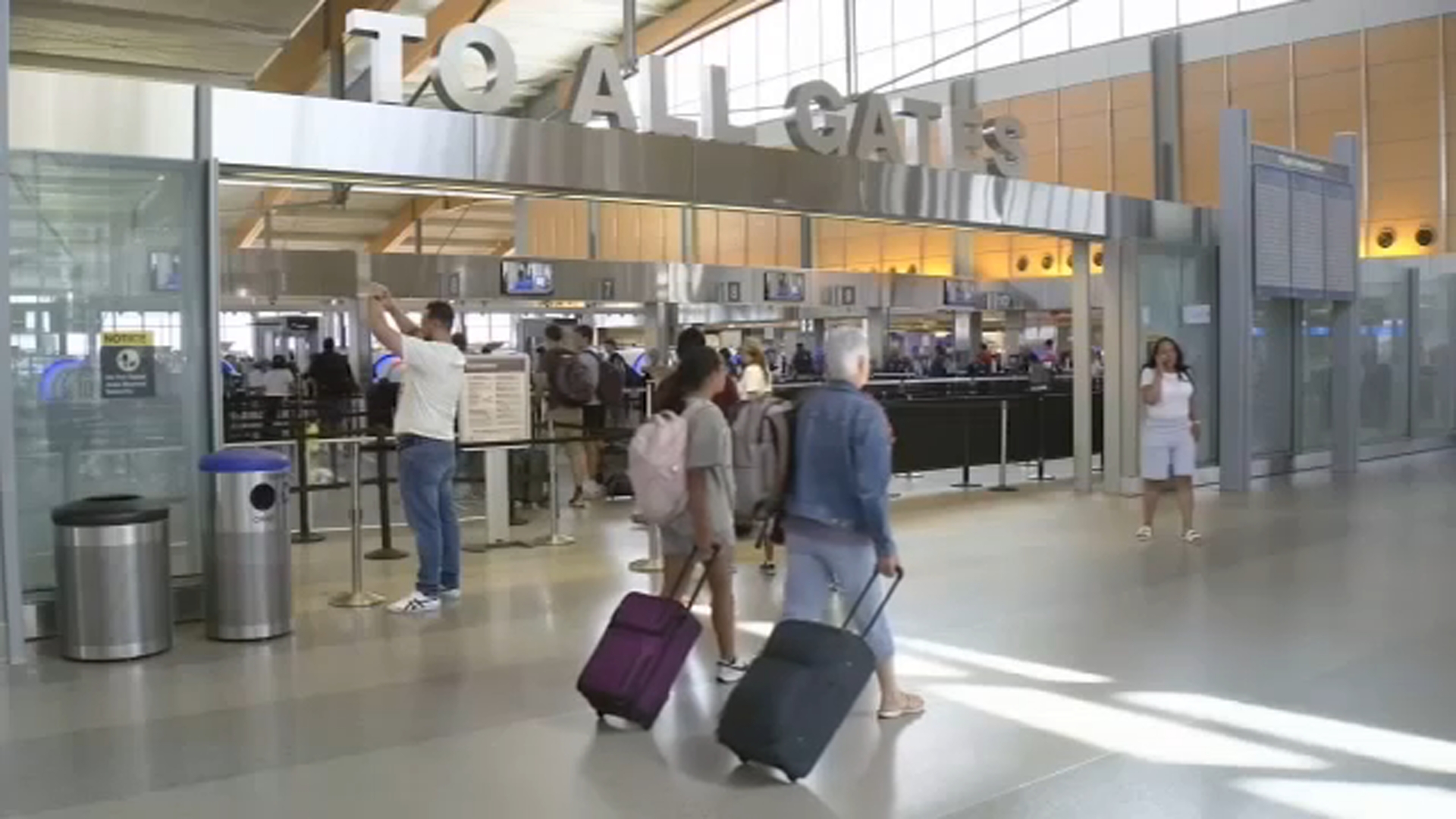
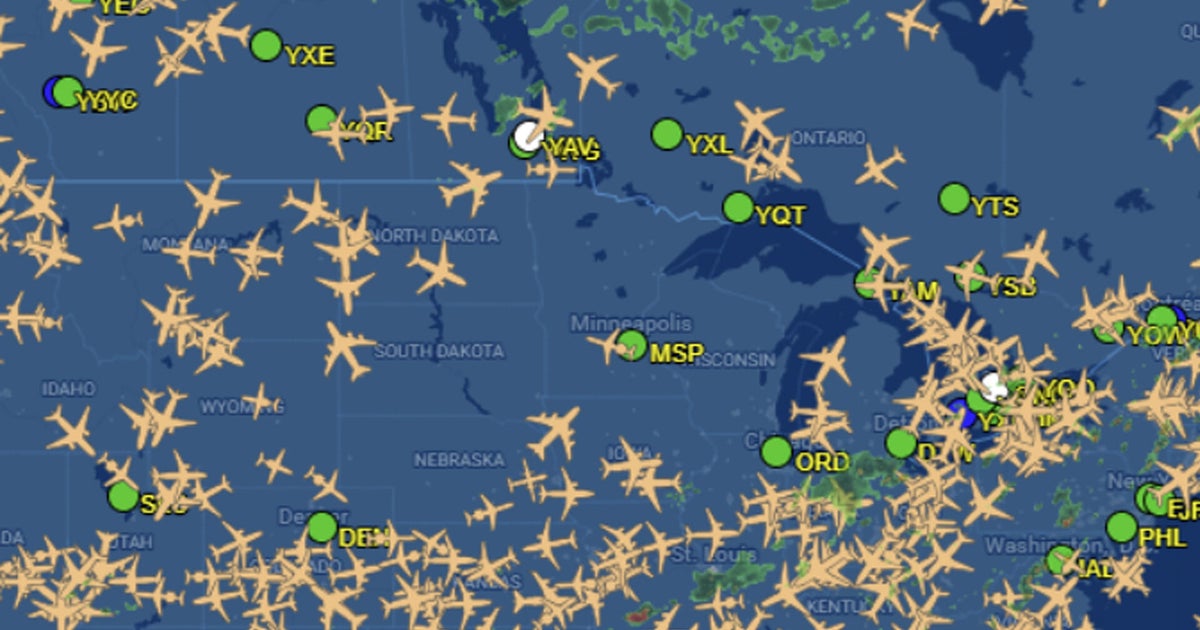
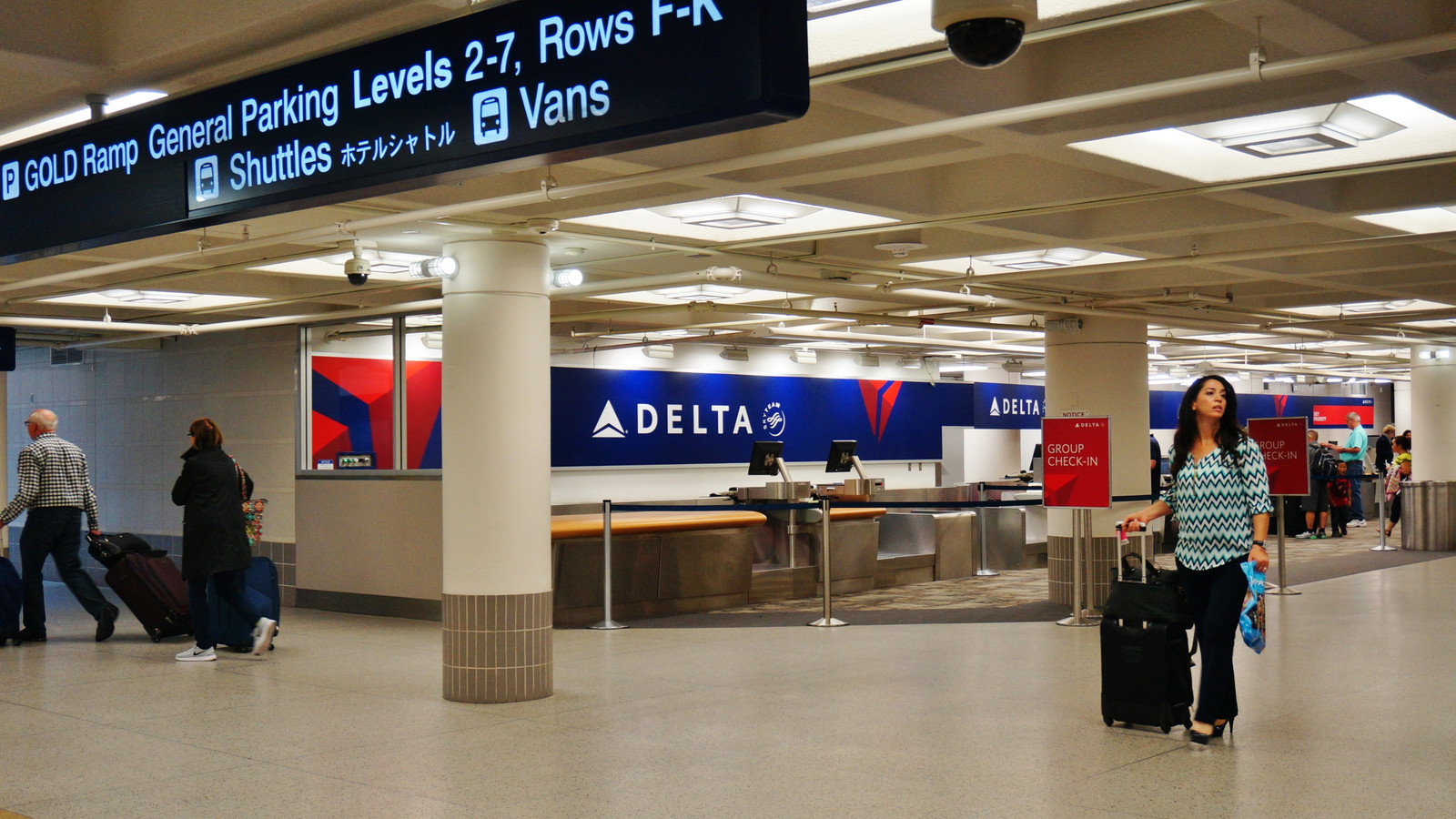
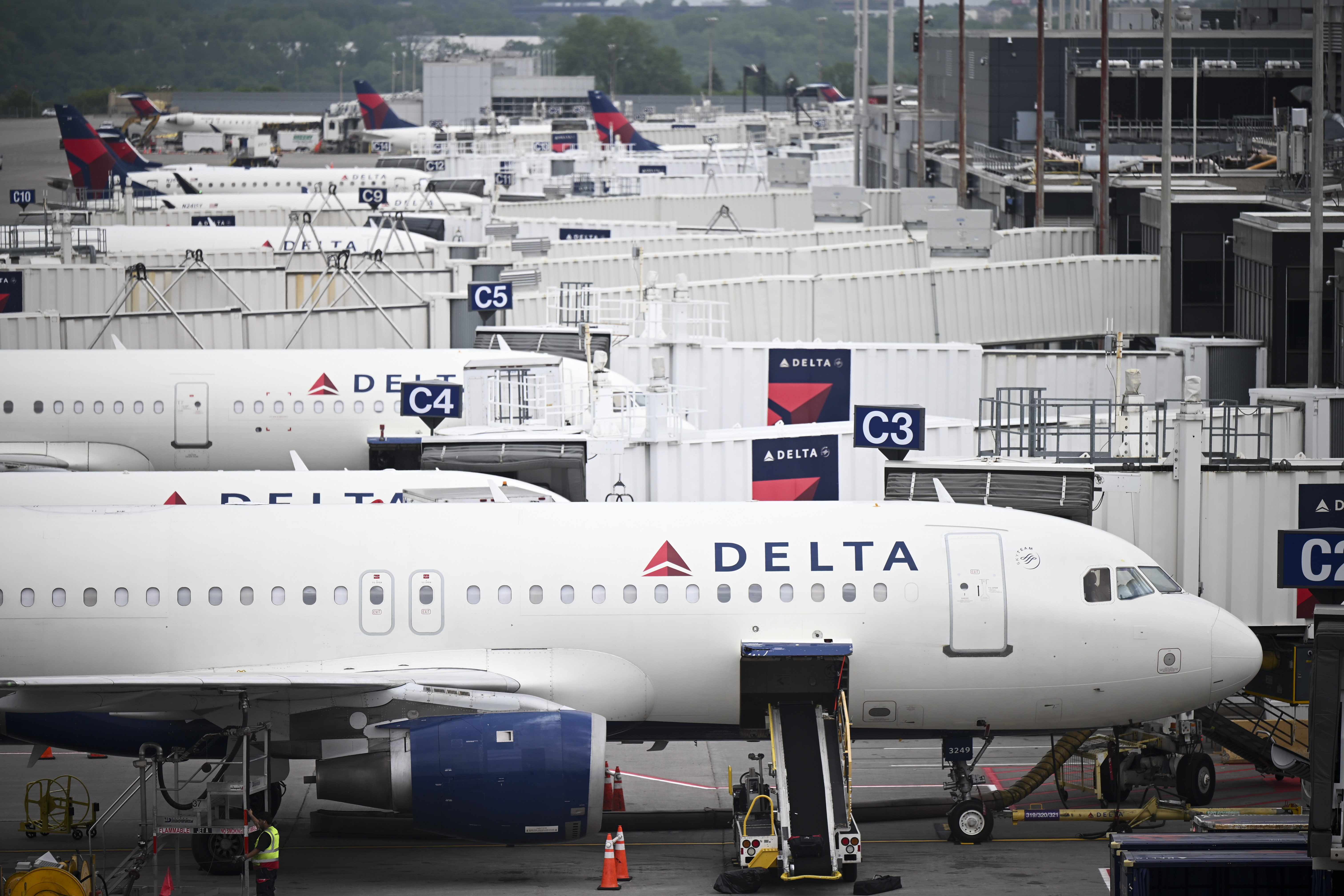
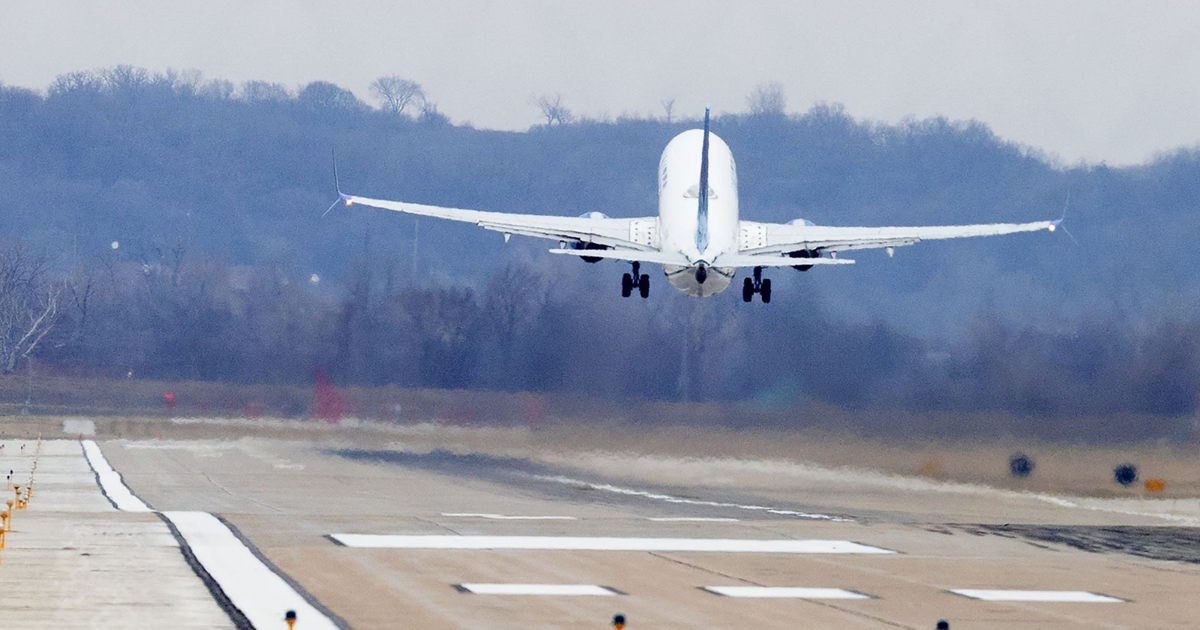
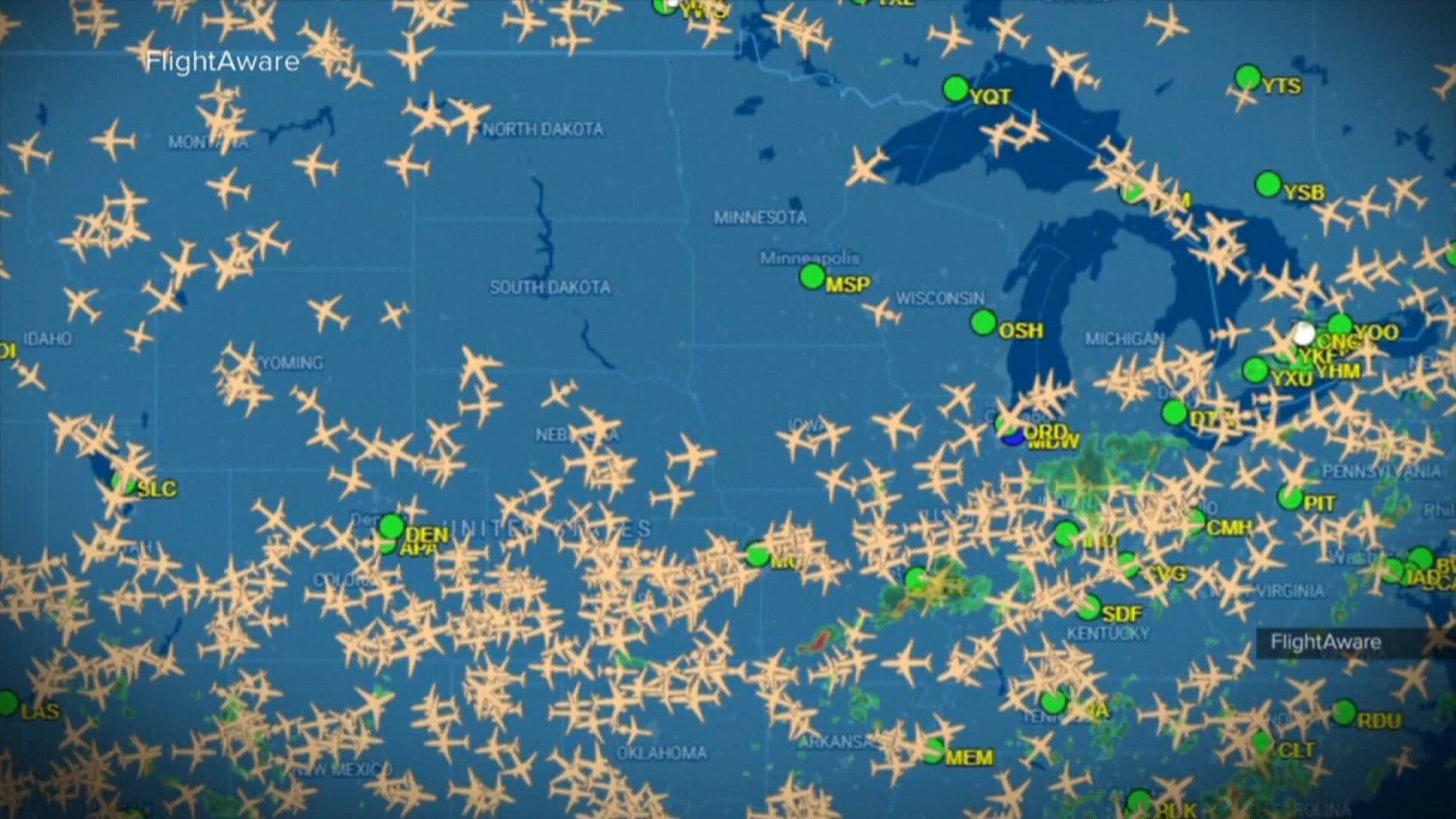
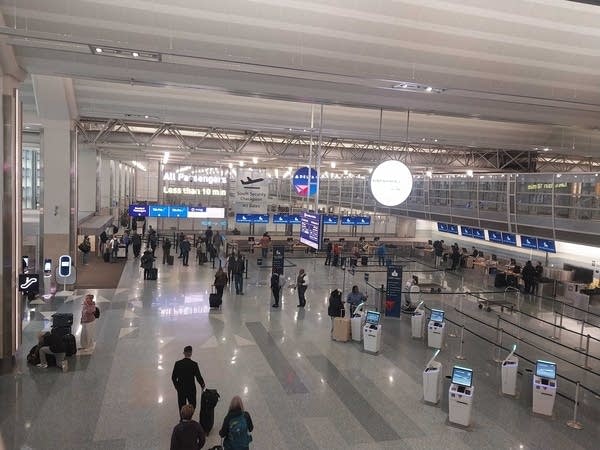
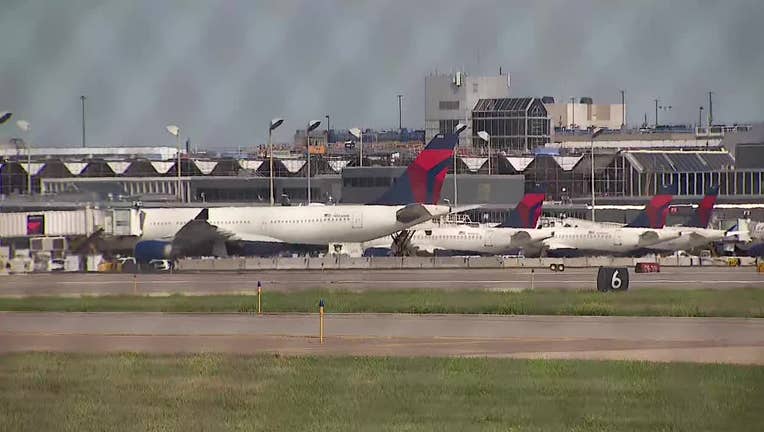
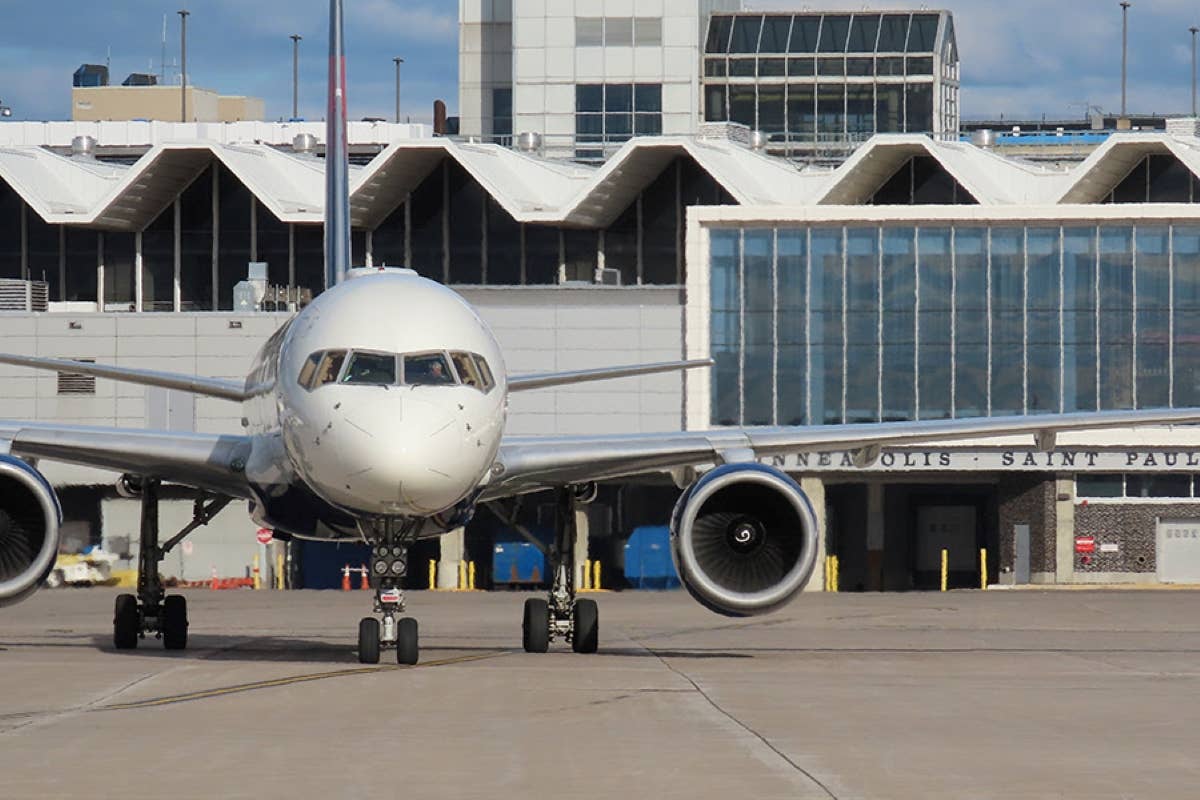
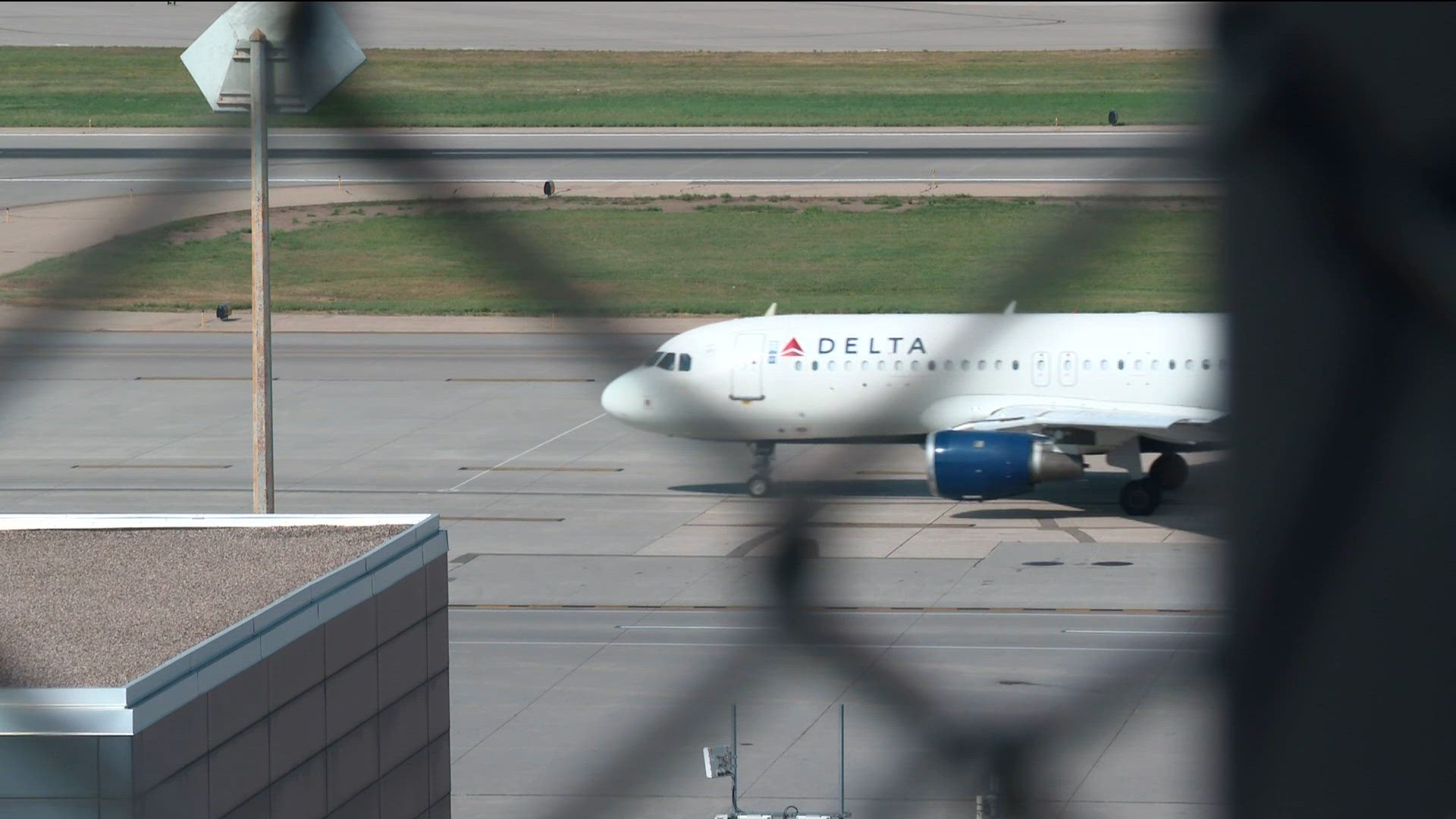
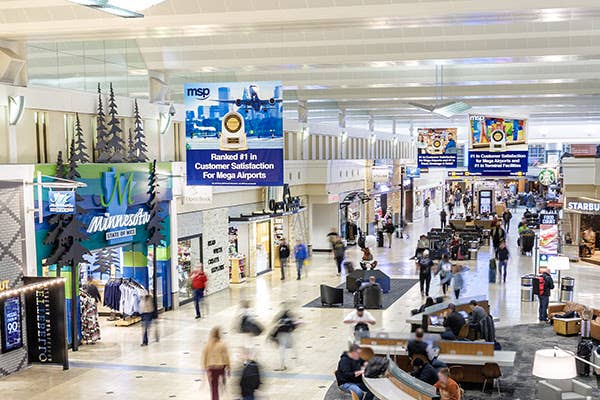
On August 6, 2026, a temporary outage at the Minneapolis air traffic control facility disrupted operations across 330,000 square miles, affecting nine states (Minnesota, Michigan, Kansas, Missouri, North and South Dakota, Nebraska, and Wisconsin) and grounding flights throughout the Midwest. Minneapolis-St. Paul International Airport experienced average delays of 90 minutes, with both inbound and outbound traffic impacted. While systems came back online during the evening, disruptions persisted at multiple airports with no clear timeline for complete normalization.
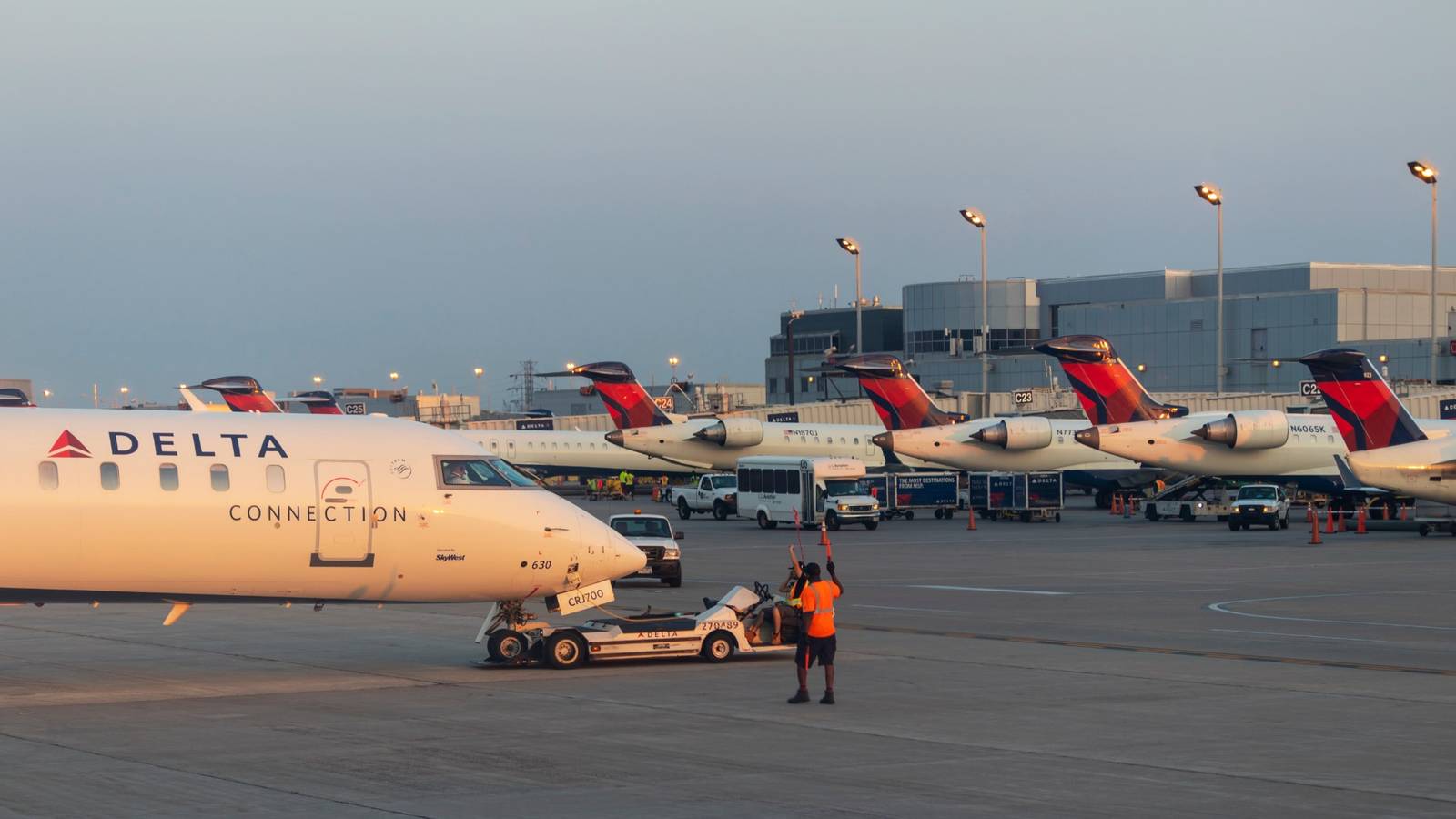
For cross-border e-commerce sellers, this incident represents a critical logistics vulnerability. The Minneapolis-St. Paul hub is a major air cargo distribution center handling time-sensitive shipments for sellers using air freight to meet Amazon Prime delivery windows and FBA replenishment deadlines. Sellers relying on air cargo routes through Midwest hubs face immediate operational challenges: delayed inventory arrivals, missed FBA inbound windows, and potential Buy Box penalties for slow inventory turnover. The 90-minute delay cascades into 24-48 hour supply chain disruptions when accounting for ground handling, customs clearance, and final-mile delivery.
Immediate cost impacts for affected sellers: Air freight rates typically increase 15-25% during regional disruptions as carriers reroute through alternative hubs (Chicago ORD, Memphis FedEx hub, Dallas-Fort Worth). Sellers shipping electronics, apparel, and time-sensitive categories from Asia to US Midwest warehouses face $2,000-8,000 additional costs per shipment. Storage costs compound the problem—delayed inventory sitting in bonded warehouses costs $0.50-1.50/cubic foot daily. For a 40-cubic-foot shipment delayed 48 hours, this adds $40-60 in holding costs alone.
Strategic logistics response required: Sellers should immediately assess inventory in-transit through Minneapolis-St. Paul, contact freight forwarders for alternative routing (via Chicago or Memphis), and evaluate temporary 3PL positioning in unaffected regions. The incident highlights systemic infrastructure vulnerabilities in US air cargo networks—a single facility failure cascades across nine states. Sellers should diversify air freight routing away from single-hub dependency and consider increasing safety stock in regional fulfillment centers to buffer against future disruptions. This event signals the need for redundant logistics networks and real-time supply chain visibility tools.
Questions 8
How does the Minneapolis air traffic control outage affect Amazon FBA sellers?
The August 6, 2026 outage directly impacts FBA sellers using air freight to replenish inventory at Midwest fulfillment centers. Sellers face 24-48 hour delays in inventory arrival, which can trigger Amazon's IPI (Inventory Performance Index) penalties if inbound shipments miss scheduled windows. For sellers shipping from Asia via air freight, the 90-minute Minneapolis-St. Paul delay compounds into multi-day supply chain disruptions. Immediate action: Contact your freight forwarder to confirm alternative routing through Chicago or Memphis hubs, and notify Amazon Seller Central of delayed inbound shipments to avoid performance penalties.
What are the specific cost increases for air freight sellers during this disruption?
Air freight rates typically increase 15-25% during regional hub disruptions as carriers reroute shipments through alternative facilities. A standard 40-cubic-foot shipment from Asia to US Midwest normally costs $3,000-5,000; during disruptions, expect $3,500-6,250. Additionally, bonded warehouse holding costs ($0.50-1.50/cubic foot daily) add $40-60 per day for delayed shipments. For sellers with 5-10 in-transit shipments, total disruption costs can reach $5,000-15,000 until systems normalize. Mitigation: Negotiate rate guarantees with freight forwarders and establish backup routing agreements before future incidents.