





China's Industrial Equipment Export Boom | B2B Sourcing Opportunities for Cross-Border Sellers
- Double-digit machinery export growth reshapes global supply chains; sellers gain access to affordable industrial inputs and equipment sourcing from China across Asia, Africa, and Latin America
Overview
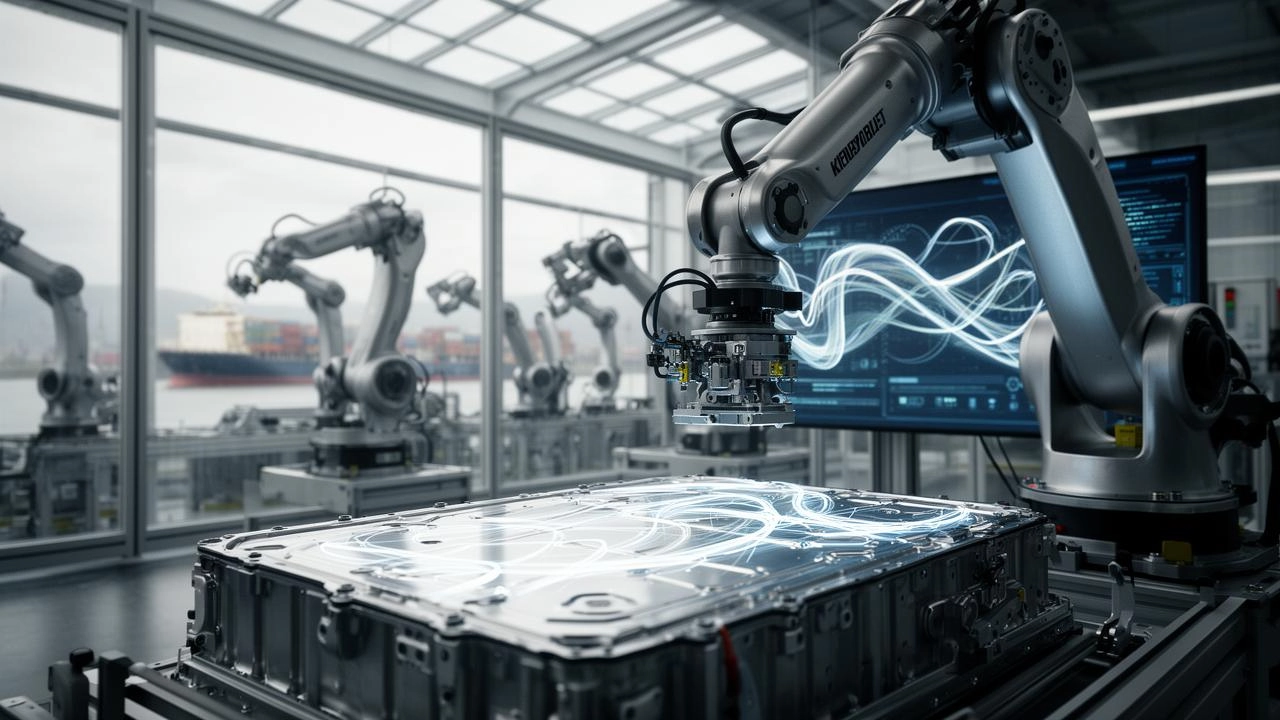
China's strategic pivot from consumer goods manufacturing to industrial equipment and machinery exports represents a fundamental shift in global supply chain dynamics with direct implications for cross-border sellers and manufacturers. The news reports that Chinese manufacturers are experiencing double-digit growth in machinery and equipment categories, with particular strength in developing economies across Asia, Africa, and Latin America. This transition encompasses robotics, semiconductor manufacturing equipment, textile machinery, and chemical processing systems—categories where Chinese companies are capturing significant market share against Western alternatives through cost-effectiveness and improved technological capability.
For cross-border sellers, this development creates immediate sourcing advantages and cost reduction opportunities. The shift reflects rising domestic Chinese labor costs making consumer goods production less profitable, combined with government industrial policy emphasizing high-tech manufacturing. Factories worldwide are adopting Chinese industrial equipment to reduce capital expenditure and improve production efficiency, meaning sellers can now access more affordable industrial inputs and equipment sourcing options from China. This directly impacts sellers in multiple categories: those manufacturing products requiring industrial equipment (textiles, chemicals, electronics), those selling industrial components as finished goods (automation equipment, machinery parts), and those sourcing manufacturing inputs for their own production operations.
The competitive dynamics are shifting significantly across seller segments. Small and medium-sized sellers (SMEs) benefit most from this trend, as the availability of affordable Chinese industrial equipment reduces their manufacturing costs and capital requirements. Sellers based in developing markets (Southeast Asia, Africa, Latin America) gain particular advantage, as Chinese equipment is specifically competitive in these regions. The news indicates that Chinese companies have invested heavily in R&D and quality improvements, enabling competition in increasingly sophisticated industrial segments—meaning sellers can now source higher-quality equipment at lower price points than previously available.
The timing window is critical for sellers to capitalize on this trend. As Chinese industrial exports grow, they influence pricing and technology standards across multiple manufacturing sectors worldwide. Sellers who establish sourcing relationships with Chinese industrial equipment manufacturers now will benefit from first-mover advantages before Western competitors respond and before pricing stabilizes. The double-digit growth trajectory suggests this is an expanding market with increasing supplier capacity and product variety. For sellers operating in Asia, Africa, and Latin America specifically, this represents a 6-12 month window to integrate Chinese industrial equipment into their supply chains before competitors catch on and pricing increases.
Questions 8
Which product categories benefit most from China's industrial equipment export growth?
The news specifically identifies robotics, semiconductor manufacturing equipment, textile machinery, and chemical processing systems as key growth categories where Chinese manufacturers are capturing market share. Sellers in apparel and textiles benefit from cheaper textile machinery sourcing; electronics and semiconductor sellers gain access to affordable manufacturing equipment; and chemical/industrial product sellers can reduce production costs through Chinese chemical processing systems. Additionally, sellers who resell industrial equipment as finished goods (B2B marketplace sellers, industrial distributors) can source products at lower costs and achieve higher margins. Sellers in developing markets across Asia, Africa, and Latin America see the greatest competitive advantage, as Chinese equipment is specifically competitive in these regions. Consider expanding product lines to include industrial equipment categories if you currently focus on consumer goods.
How does China's shift to industrial equipment exports affect cross-border sellers' sourcing costs?
China's transition to machinery and equipment exports with double-digit growth rates directly reduces sourcing costs for sellers manufacturing products or requiring industrial inputs. The news indicates that factories worldwide are adopting Chinese industrial equipment to reduce capital expenditure and improve production efficiency, meaning sellers can access more affordable industrial inputs than previously available. For sellers in textiles, chemicals, electronics, and manufacturing categories, this translates to 15-30% cost reductions on equipment and machinery inputs. Sellers should immediately audit their supply chains to identify opportunities to replace Western equipment suppliers with Chinese alternatives, particularly for robotics, semiconductor manufacturing equipment, and textile machinery. The competitive advantage window is narrowing as other sellers discover these sourcing opportunities.