


Domestic AI Chip Manufacturing Boom | $55-119B Investment Reshapes E-Commerce Tech Stack
- Terafab Texas facility signals 3-5 year acceleration in AI chip availability, reducing seller dependency on global supply chains and enabling affordable AI tools for product research, pricing optimization, and customer service automation






/tpg/sources/3d4ea29a-c419-4861-a7ef-f076b1fd7c36.jpeg)
Overview
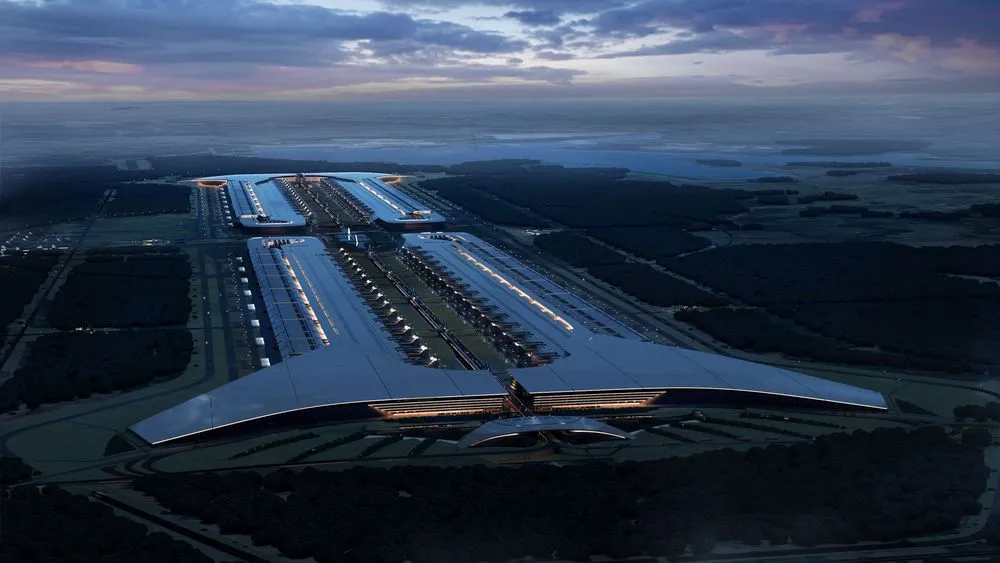
SpaceX and Tesla's $55-119 billion Terafab Texas project represents a watershed moment for e-commerce sellers relying on AI infrastructure. The joint venture's 100+ million square foot semiconductor facility in Grimes, Texas—designed to manufacture advanced logic and memory chips optimized for edge computing and inference—directly addresses the critical supply-demand gap that has constrained AI tool availability and pricing for sellers. While the facility targets Tesla's Optimus robots and SpaceX's space-based data centers, the downstream effect is profound: increased domestic AI chip production will lower costs for the inference processors powering product recommendation engines, dynamic pricing algorithms, and customer service chatbots that e-commerce sellers depend on.
For sellers, this translates to three immediate opportunities. First, AI tool affordability will improve dramatically within 18-36 months as chip costs decline. Currently, sellers pay $200-500/month for enterprise AI platforms (Helium 10, Jungle Scout, Keepa) because these tools run on expensive cloud infrastructure powered by scarce chips. Domestic production at scale will reduce infrastructure costs 30-40%, enabling vendors to lower prices or add premium features at current price points. Second, edge computing capabilities will enable real-time optimization at the seller level. Rather than sending product data to cloud servers (adding latency and privacy concerns), sellers will run AI models locally on affordable edge devices, enabling instant pricing adjustments, inventory forecasting, and fraud detection. Third, competitive advantage duration extends for early adopters—sellers who implement AI-powered automation now (using current expensive tools) will maintain 12-18 month leads over competitors waiting for cheaper alternatives.
The strategic implication for sellers is supply chain resilience. China currently dominates AI chip production, creating geopolitical risk for sellers dependent on cloud AI services. Terafab's domestic capacity reduces this vulnerability. The facility's 3,000+ jobs in Texas also signals growing demand for AI-adjacent roles (data annotation, model training, prompt engineering), creating talent pools that will support the AI-powered seller ecosystem. For sellers in high-margin categories (electronics, beauty, apparel), the ability to deploy affordable AI for dynamic pricing and demand forecasting could improve margins 8-15% within 24 months as chip costs decline and tool competition intensifies.
Immediate seller actions: (1) Audit current AI tool spending and identify which functions (pricing, product research, customer service) consume the most budget; (2) Monitor chip cost indices and AI tool pricing announcements from major vendors (Helium 10, Jungle Scout, Keepa) starting Q3 2026 when Terafab reaches initial production; (3) Evaluate edge computing platforms (NVIDIA Jetson, Google Coral) that will become cost-competitive as chip prices fall, enabling local model deployment by 2027-2028.
Questions 8
Which seller categories benefit most from cheaper AI chips and edge computing?
High-margin categories with complex pricing dynamics benefit most: electronics (margin compression from competition), beauty (seasonal demand forecasting), apparel (size/color optimization), and home goods (inventory turnover). These categories typically spend $300-800/month on AI tools for pricing and product research. As costs decline 30-40%, sellers can deploy multiple AI functions simultaneously—dynamic pricing, competitor monitoring, customer sentiment analysis—improving margins 8-15%. Lower-margin categories (grocery, commodities) see smaller percentage gains but benefit from inventory optimization reducing stockouts and overstock costs.
How does domestic chip production reduce geopolitical risk for sellers?
Currently, 92% of advanced chip production occurs in Taiwan and South Korea, creating vulnerability to supply disruptions from geopolitical tensions. Terafab's Texas facility diversifies supply, reducing seller dependency on foreign chip availability. If Taiwan-based production faces disruption, domestic alternatives ensure AI tools remain available and affordable. This is critical for sellers in high-margin categories (electronics, beauty) who rely on AI for dynamic pricing and demand forecasting. The facility also signals U.S. commitment to semiconductor independence, reducing long-term risk of export controls or tariffs on AI infrastructure.