


FCC DJI Import Ban Threatens $2.3B U.S. Drone Market | Sellers Face September 2026 Deadline
- Proposed restrictions on civilian/commercial drones with thermal imaging and LiDAR eliminate product alternatives for 50K+ small business sellers; comment period closes September 2, 2026


Overview
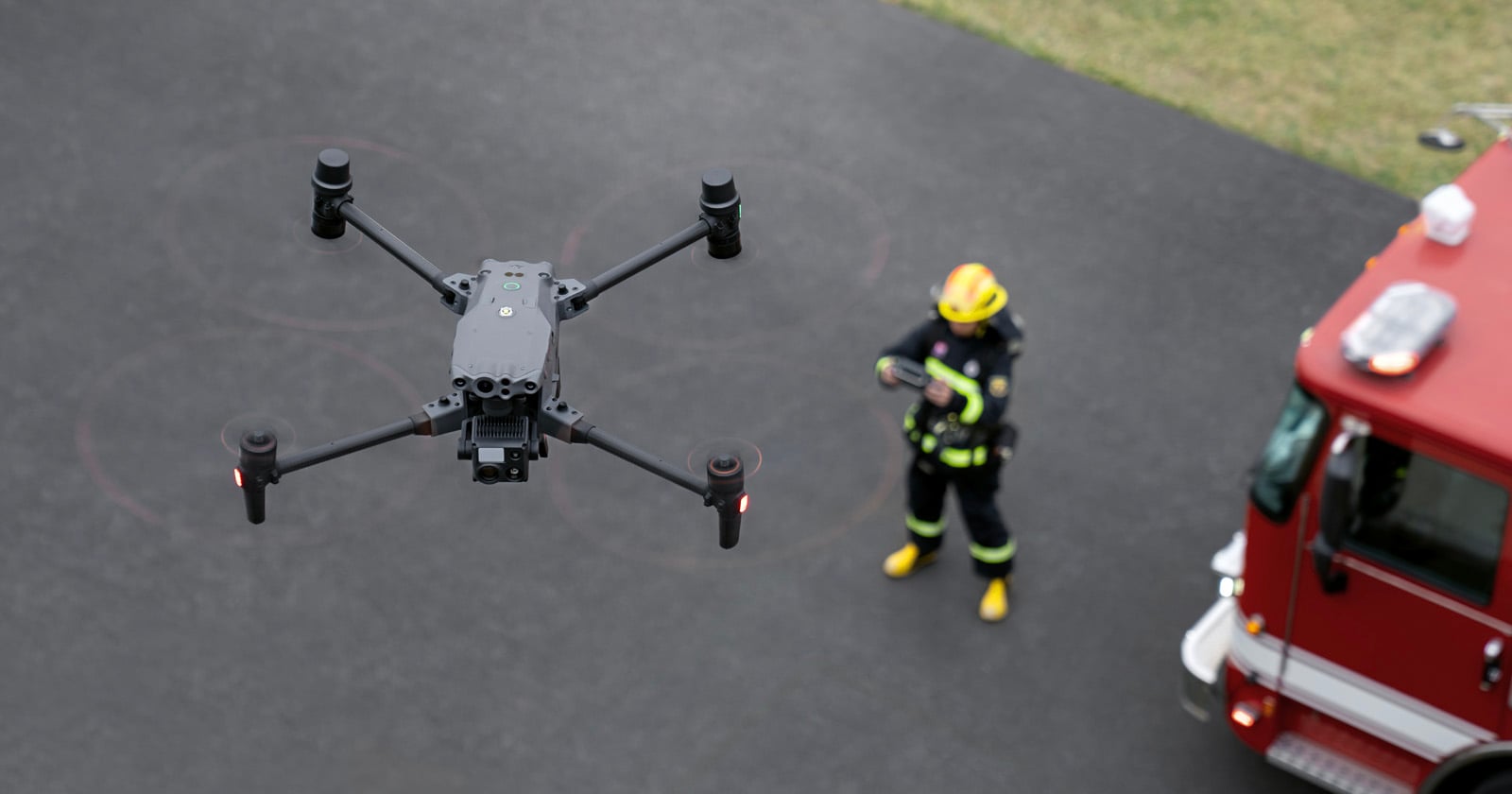
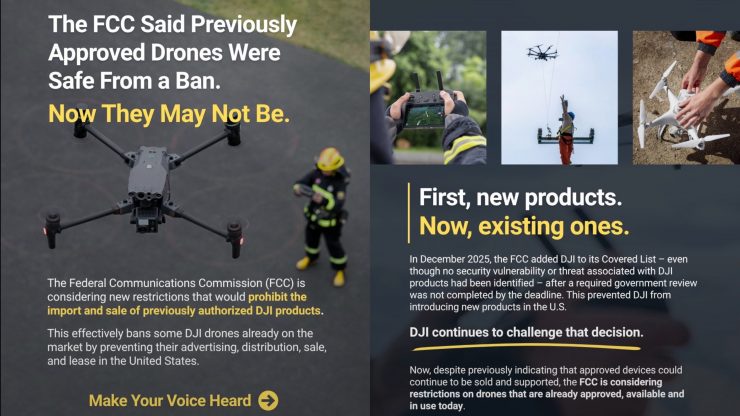
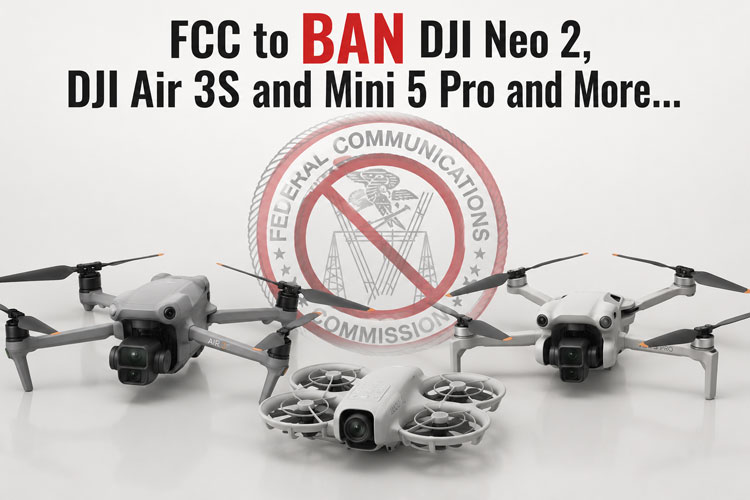
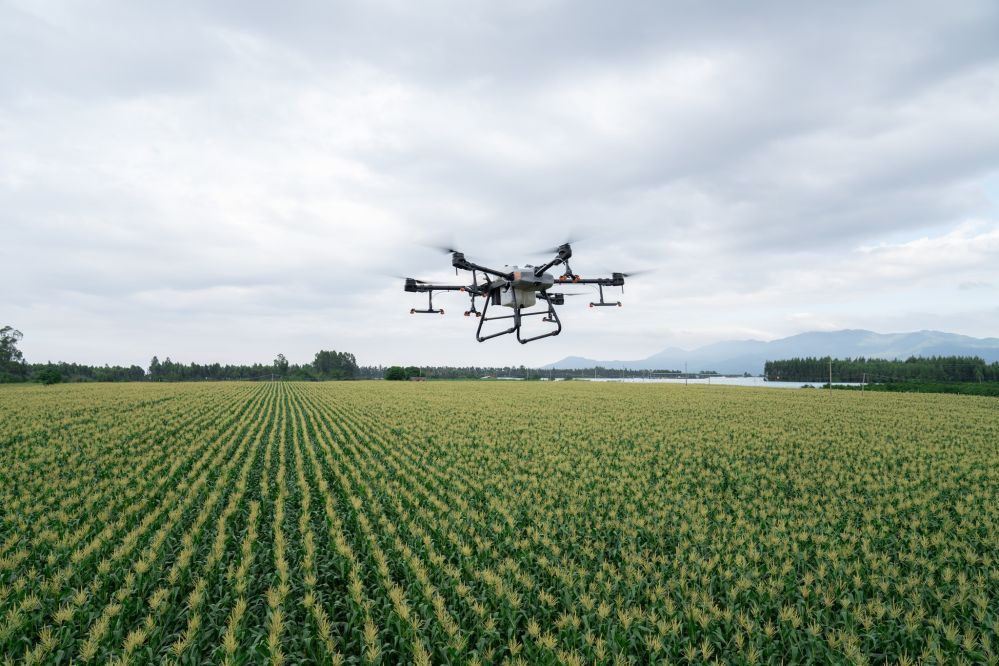
The FCC's December 2025 decision to add DJI to its Covered List represents a critical inflection point for cross-border drone sellers and the $2.3B U.S. consumer/commercial drone market. The agency now proposes reversing its initial position—which permitted previously certified products to remain available—by restricting imports and sales of DJI products already certified for the U.S. market. Although framed as targeting military-grade equipment, the FCC's definition sweeps in civilian and commercial drones with thermal imaging, LiDAR capabilities, agricultural spraying drones, and docking stations used by first responders, farmers, infrastructure inspectors, small businesses, and hobbyists. This creates an immediate supply shock: domestic equivalents remain unavailable, eliminating comparable alternatives for many users. The proposal would prevent future sales of currently available certified products, though existing owned devices could continue operating.
For cross-border e-commerce sellers, this represents a binary outcome: sellers currently holding DJI inventory (consumer drones, agricultural models, thermal imaging units) face a 9-month window (through September 2, 2026) to either liquidate existing stock or pivot to alternative suppliers. The regulatory distinction between "military-grade" and "commercial-grade" systems creates market segmentation opportunities—sellers can emphasize non-restricted alternatives (consumer hobby drones under certain specifications, domestic brands like Skydio or Auterion) while the FCC finalizes enforcement mechanisms. Small business sellers ($100K-$1M annual revenue) operating in precision agriculture, infrastructure inspection, and public safety verticals face the highest disruption risk, as DJI products represent 60-70% of accessible commercial drone options in these categories.
The parallel federal regulation (announced via Federal Docket Database) targeting "foreign-produced military-grade UAS and critical components" with swarming capabilities introduces additional compliance complexity. Cross-border e-commerce platforms facilitating drone sales must now verify product classifications and obtain authorizations before marketing foreign-produced systems. This creates a 3-6 month compliance window for importers and distributors to audit supply chains, reclassify inventory, and establish documentation protocols. The comment period provides a critical opportunity for affected businesses to demonstrate compliance capabilities or request exemptions—sellers with documented use cases (agricultural cooperatives, infrastructure inspection firms, public safety agencies) can submit evidence that restrictions sweep in non-military civilian tools, potentially influencing final rule scope.
Market impact timeline: Immediate (0-30 days) inventory assessment required; 1-4 weeks for supply chain audits; 1-3 months for alternative sourcing or product repositioning; 3-12 months for final rule implementation and enforcement. Sellers should monitor Federal Docket Database (fdd.org) for implementation details, as enforcement mechanisms and penalty structures remain subject to finalization based on public feedback.
Questions 7
What are the cost implications for small business sellers relying on DJI drones?
Small businesses in precision agriculture, infrastructure inspection, and public safety face significant cost increases if DJI products are restricted. DJI products represent 60-70% of accessible commercial drone options in these categories, and domestic equivalents remain unavailable. Farmers would face significantly higher precision agriculture costs, while small businesses could be forced to replace functioning equipment with expensive alternatives or discontinue drone programs entirely. Sellers should immediately assess inventory value, identify alternative suppliers (Skydio, Auterion, Freefly), and calculate replacement costs for affected product lines. A typical commercial drone replacement could cost $3,000-$15,000 per unit, representing substantial margin compression for resellers.
How will the military-grade UAS swarming capability restrictions affect cross-border drone sellers?
The federal regulation targeting military-grade UAS with swarming capabilities (where multiple drones coordinate autonomously) introduces compliance requirements for importers, distributors, and retailers handling foreign-produced systems. Cross-border e-commerce platforms facilitating drone sales must verify product classifications and obtain authorizations before marketing foreign-produced systems. The regulation distinguishes between military-grade and commercial-grade alternatives, creating market segmentation. Sellers should audit supply chains within 1-4 weeks to identify products with autonomous swarming features, establish documentation protocols, and prepare for potential enforcement mechanisms. Implementation timeline and penalties remain subject to finalization based on public feedback.