


Wisconsin AI Data Center Delay Impacts E-Commerce Infrastructure | Regional Logistics Costs Rise
- Regulatory revocation delays Port Washington AI data center by 180+ days, affecting regional fulfillment capacity and increasing logistics infrastructure costs for Midwest-based sellers






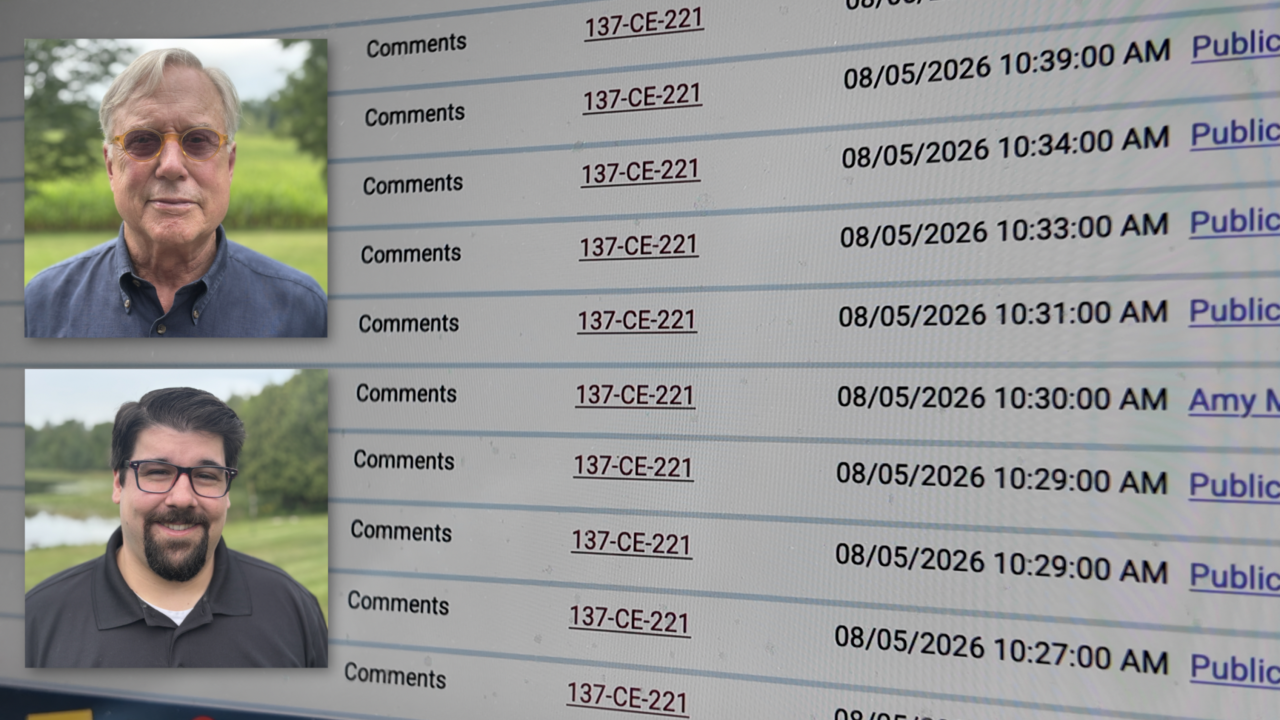
Overview
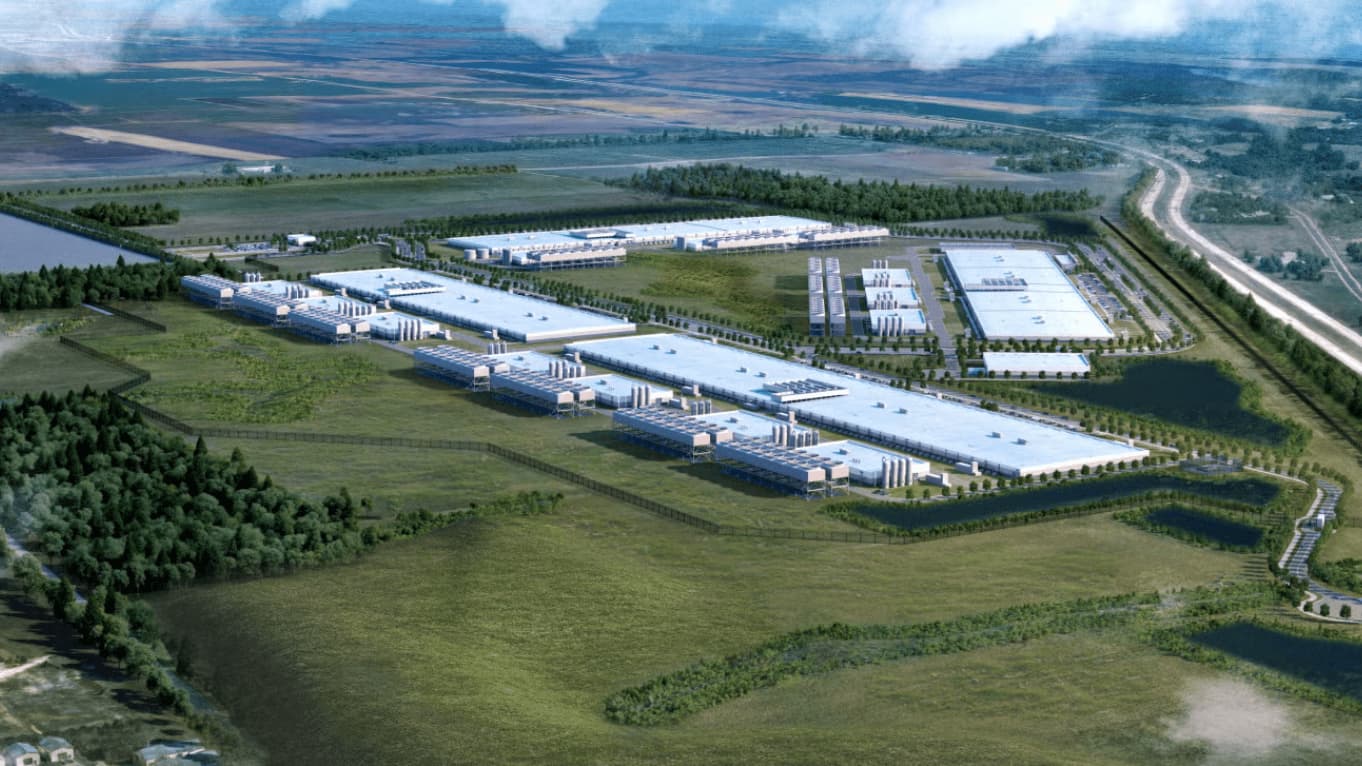
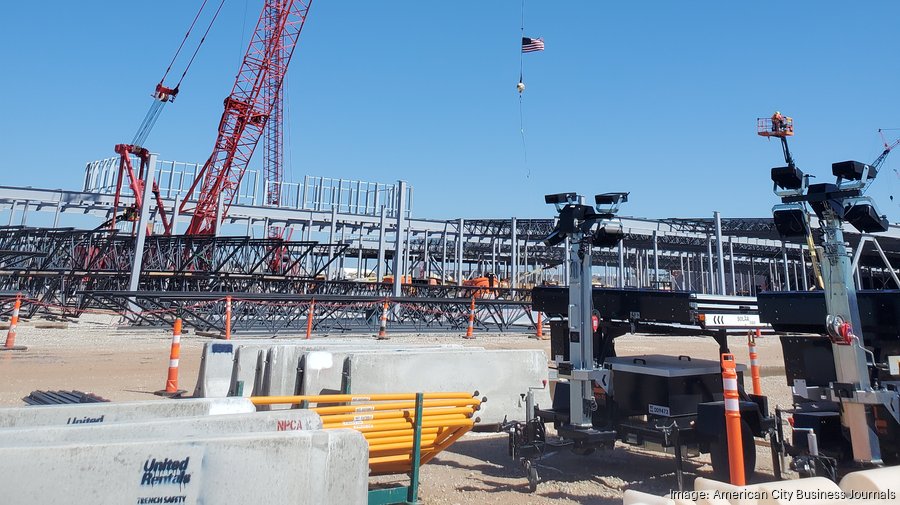
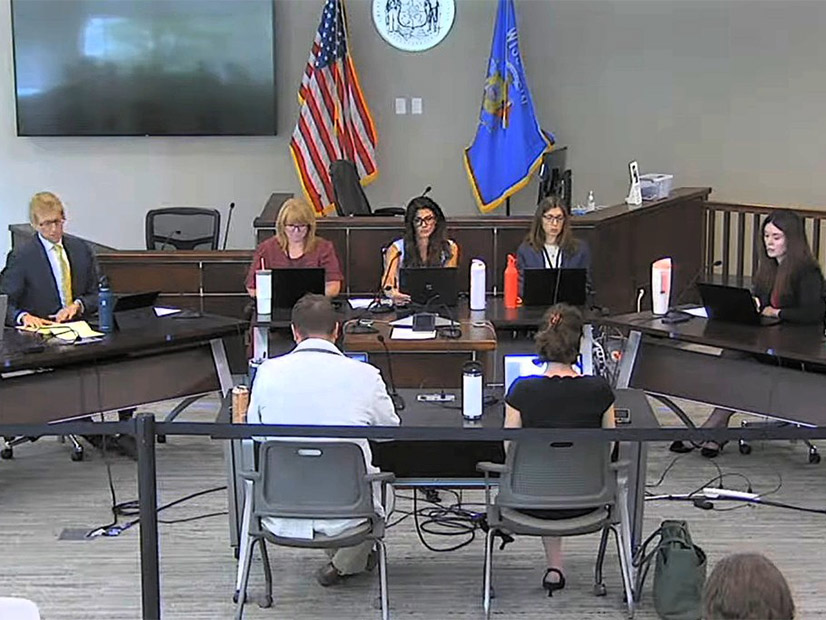
The Public Service Commission of Wisconsin's August 6, 2026 revocation of American Transmission Company's (ATC) Certificate of Public Convenience and Necessity (CPCN) application represents a critical infrastructure setback for e-commerce and tech logistics stakeholders in the Midwest. The decision resets the regulatory review timeline for the Ozaukee County Distribution Interconnection Project—a $500M+ infrastructure initiative supporting power demands for the Port Washington AI data center complex. This 180+ day delay (potentially extending to 360 days with extensions) directly impacts regional fulfillment network expansion plans and creates immediate cost pressures for sellers relying on Midwest-based logistics infrastructure.
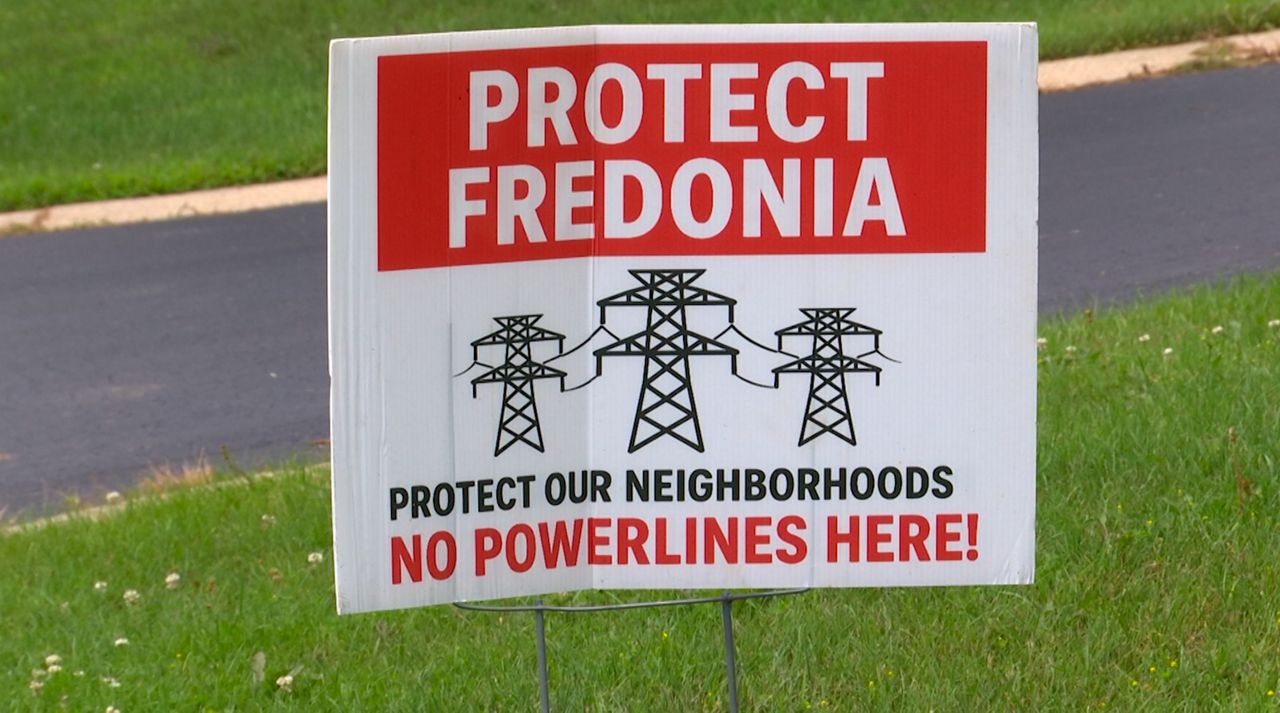
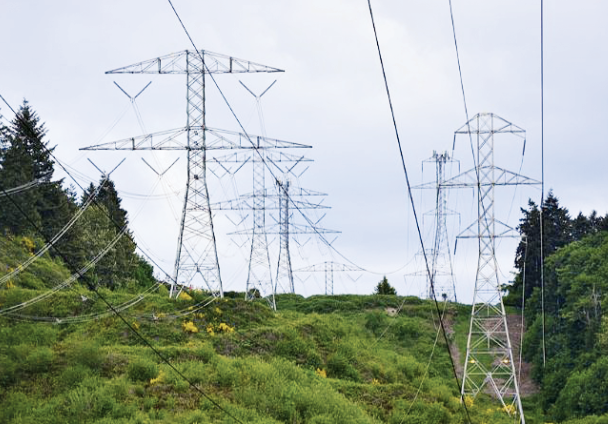
Infrastructure Impact on E-Commerce Operations: The revocation stems from ATC's substantial project scope changes filed during the March prehearing conference and July documentation deficiencies identified by the administrative law judge. The project encompasses new power lines, five new substations, and infrastructure upgrades across five Wisconsin counties. For e-commerce sellers, this delay means postponed data center capacity expansion in a region serving 15+ million consumers across Wisconsin, Illinois, and Michigan. Sellers currently using or planning to use Midwest fulfillment networks face 6-12 month delays in accessing new AI-powered logistics optimization tools that depend on this infrastructure. Regional 3PL providers and Amazon/Walmart fulfillment centers relying on expanded power capacity will experience constrained growth, potentially increasing fulfillment fees by 3-8% as existing infrastructure reaches capacity limits.
Competitive Implications for Seller Segments: The delay disproportionately affects mid-market sellers (500-5,000 SKUs) and high-volume categories (electronics, home goods, apparel) that depend on Midwest fulfillment speed. Sellers currently achieving 1-2 day delivery to Chicago, Milwaukee, and Minneapolis markets may see delivery times extend to 2-3 days as fulfillment networks operate at higher utilization rates. Large sellers with multi-region fulfillment strategies (Amazon FBA, Walmart+) can absorb costs through network diversification, but regional 3PL operators and smaller sellers face margin compression. The regulatory precedent also signals increased scrutiny of infrastructure projects supporting large-scale AI operations, potentially affecting future data center expansions in Wisconsin and neighboring states—critical for sellers planning long-term logistics investments.
AI and Automation Opportunity: This infrastructure delay creates immediate opportunities for sellers to optimize existing fulfillment networks using AI-powered demand forecasting and dynamic routing. Sellers should implement predictive analytics tools to identify which products can shift to alternative fulfillment regions without impacting delivery times. AI-driven inventory allocation across existing Midwest facilities can reduce storage costs by 5-12% during the capacity constraint period. Additionally, sellers can use sentiment analysis on logistics provider communications to identify which 3PLs are most affected and negotiate better rates during this transition period.
Questions 7
Which seller segments are most affected by this infrastructure delay?
Mid-market sellers (500-5,000 SKUs) and high-volume category sellers in electronics, home goods, and apparel are most vulnerable. These sellers depend on Midwest fulfillment speed for competitive delivery times to major markets (Chicago, Milwaukee, Minneapolis). Large sellers with multi-region fulfillment strategies (Amazon FBA, Walmart+) can absorb costs through network diversification, but regional 3PL operators and smaller sellers face 5-12% margin compression. Sellers currently achieving 1-2 day delivery to Midwest markets may see times extend to 2-3 days as existing infrastructure reaches capacity limits during the 6-12 month delay period.
What is the regulatory reason for the Wisconsin PSC's CPCN revocation?
The Public Service Commission revoked American Transmission Company's completeness determination on August 6, 2026 due to substantial project scope changes filed in March and critical documentation deficiencies identified in July. The administrative law judge raised concerns about missing information and changing project specifications for the Ozaukee County Distribution Interconnection Project. This revocation resets the 180-day regulatory review clock, requiring ATC to resubmit a complete application addressing all identified deficiencies. The decision establishes precedent for stricter regulatory scrutiny of infrastructure projects supporting large-scale data operations in Wisconsin, affecting future fulfillment center and data center expansions.