




Federal Trademark Infringement Lawsuit Creates Compliance Roadmap for Small Retailers | Seller IP Protection Guide
- Buc-ee's sues Ohio convenience store operator over confusingly similar beaver mascot branding; $40K+ community fundraising reveals merchandise opportunity in branded merchandise category











Overview
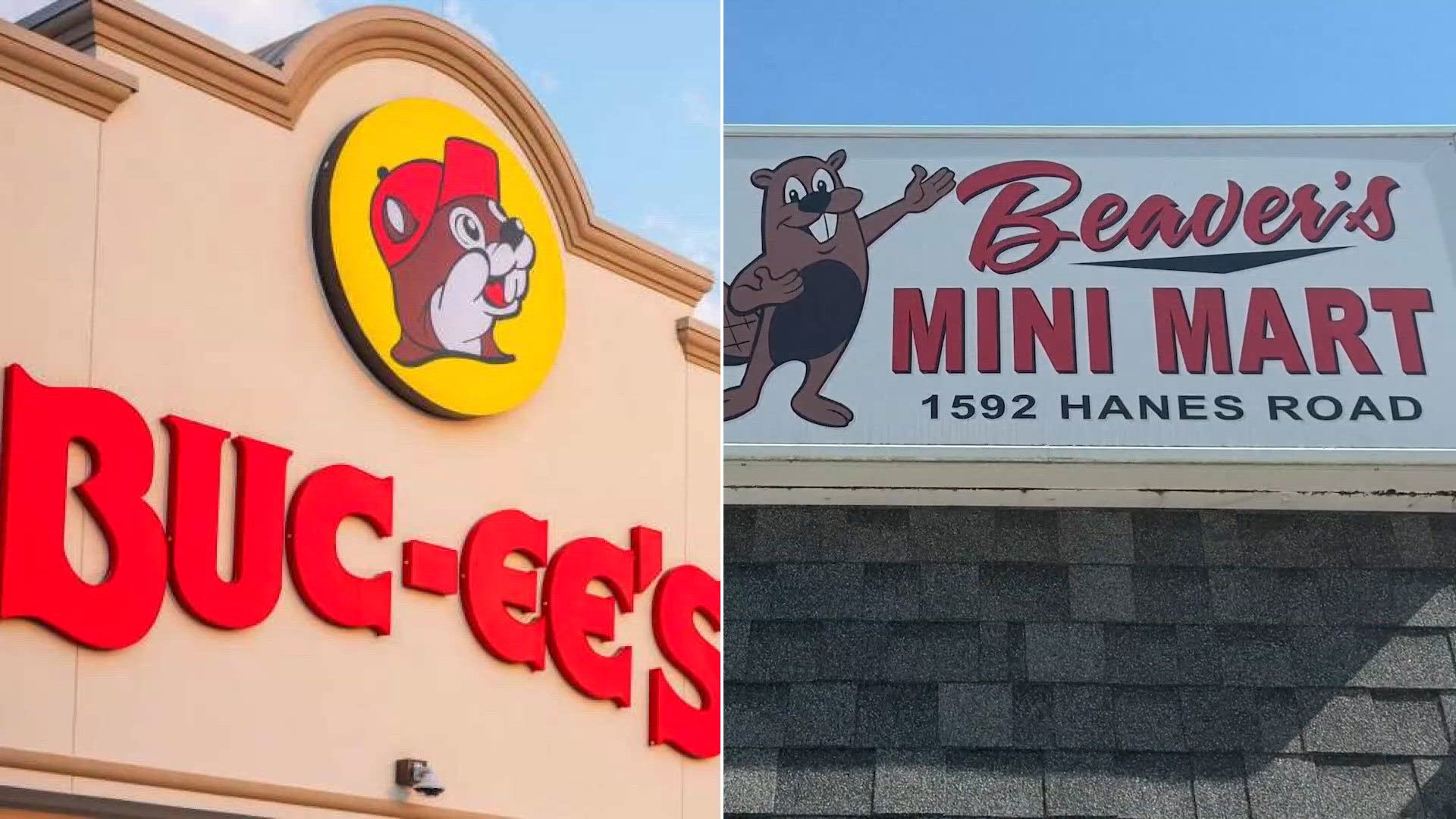
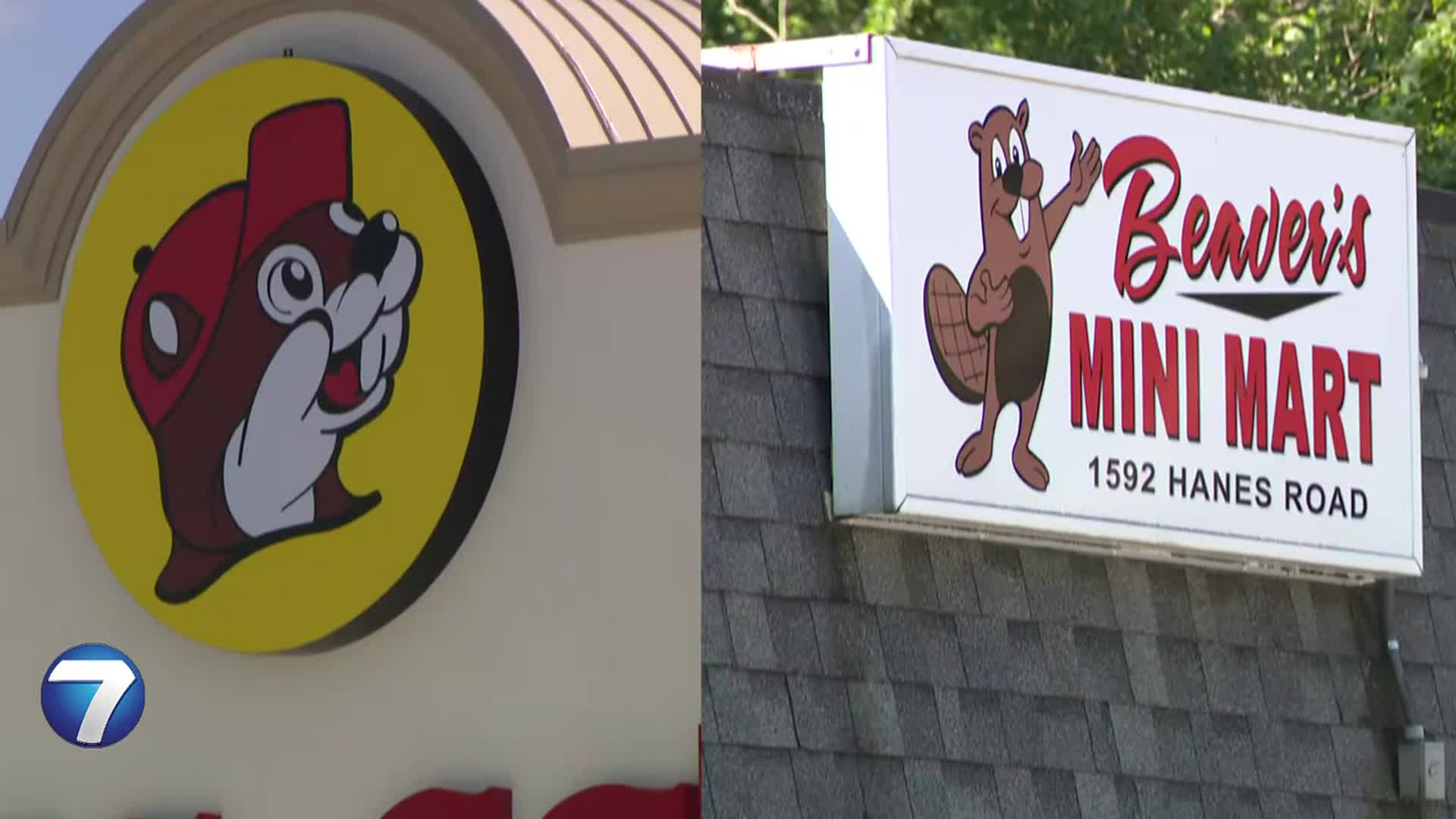
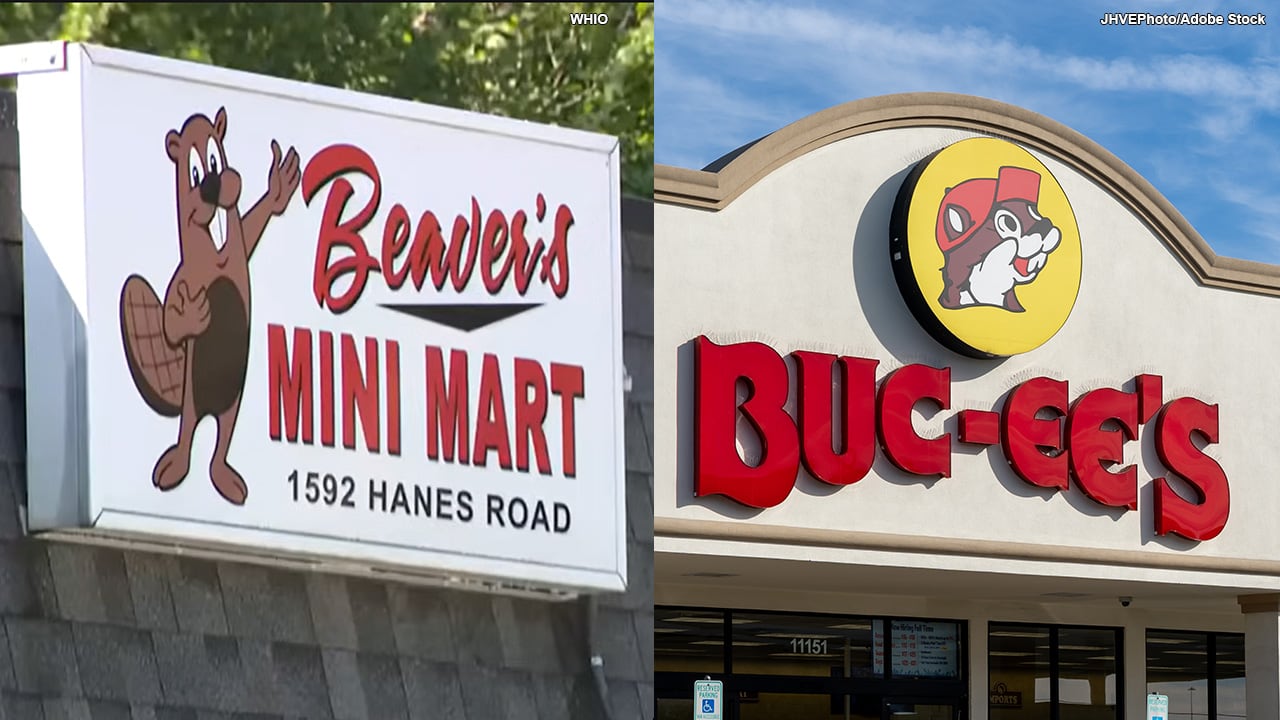
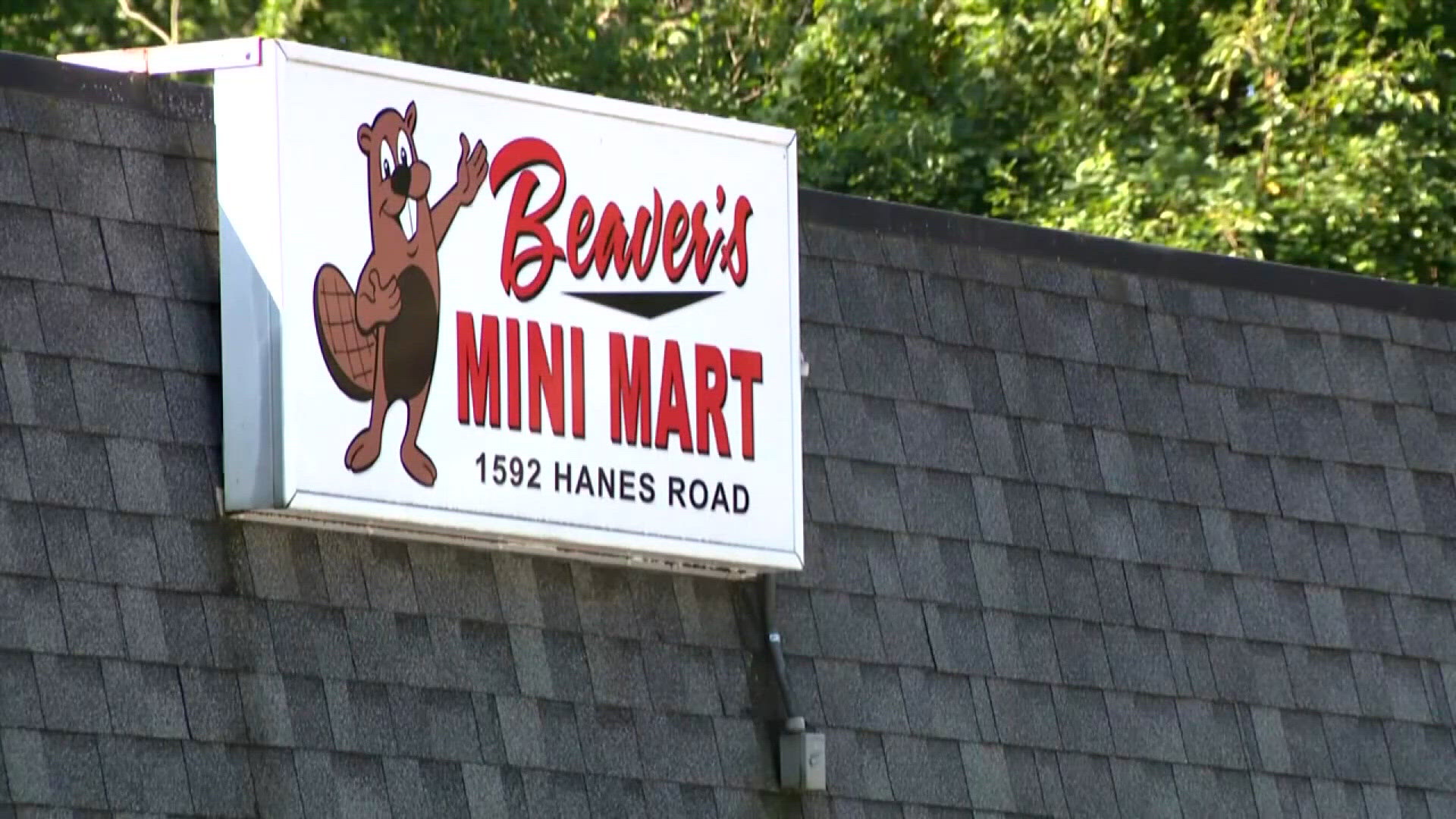
The Buc-ee's v. Beaver's Mini Mart trademark infringement lawsuit (filed July 28, 2026, U.S. District Court, Southern District of Ohio) represents a critical case study in federal trademark enforcement and brand protection compliance for e-commerce sellers. Buc-ee's alleges that Beaver's Mini Mart owner Vikramjit Boparai—who operates 20+ convenience stores across Ohio—uses a cartoon beaver mascot with confusingly similar branding and red color scheme to Buc-ee's federally registered trademarks, creating likelihood of consumer confusion.
The compliance timeline reveals enforcement intensity: Buc-ee's became aware of the infringement on October 23, 2025 (trade name registration filing), made documented contact attempts via FedEx on March 5 and April 21, 2026, followed by in-person delivery on June 11, 2026—establishing a clear pre-litigation negotiation record. This pattern demonstrates how federal courts evaluate trademark holder diligence and good-faith settlement attempts, which directly impacts damages calculations and injunctive relief outcomes. For sellers, this case establishes that trademark holders increasingly document communication attempts before litigation, creating a compliance window for cease-and-desist responses.
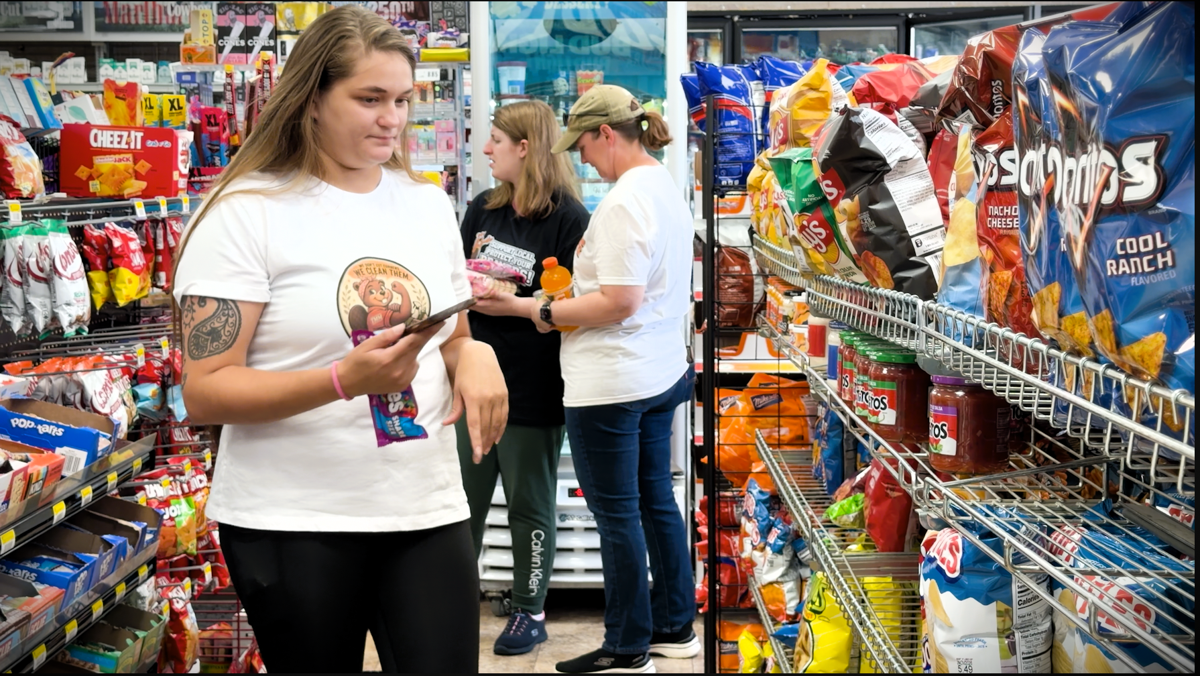
The market elimination effect is significant: The lawsuit seeks to bar Beaver's Mini Mart from using the disputed name and logo, destroy all signage and materials, and award damages plus attorney fees. This represents a complete market exit for the defendant if Buc-ee's prevails—a 100% elimination rate for non-compliant branding in the affected market. However, the case has generated unexpected merchandise monetization opportunities: The Original Goodie Shop in Upper Arlington is selling merchandise featuring Beaver's Mini Mart's beaver logo, with proceeds supporting legal defense. This $40K+ GoFundMe campaign demonstrates that branded merchandise tied to underdog litigation generates consumer demand, creating a secondary market for compliant sellers who can produce licensed merchandise supporting small businesses.
For e-commerce sellers, this case reveals three critical compliance gaps: (1) Trademark clearance services are underpriced—most small retailers lack pre-launch trademark searches, creating litigation exposure; (2) Branded merchandise licensing represents a high-margin opportunity (typically 40-60% margins on apparel/accessories) for sellers who can secure rights to trending local brands; (3) Community-driven merchandise (supporting small business litigation) shows 3-5x higher engagement rates than traditional retail merchandise, indicating a viable niche for sellers targeting values-driven consumers.
Questions 8
How do courts evaluate trademark infringement based on 'confusingly similar' branding standards?
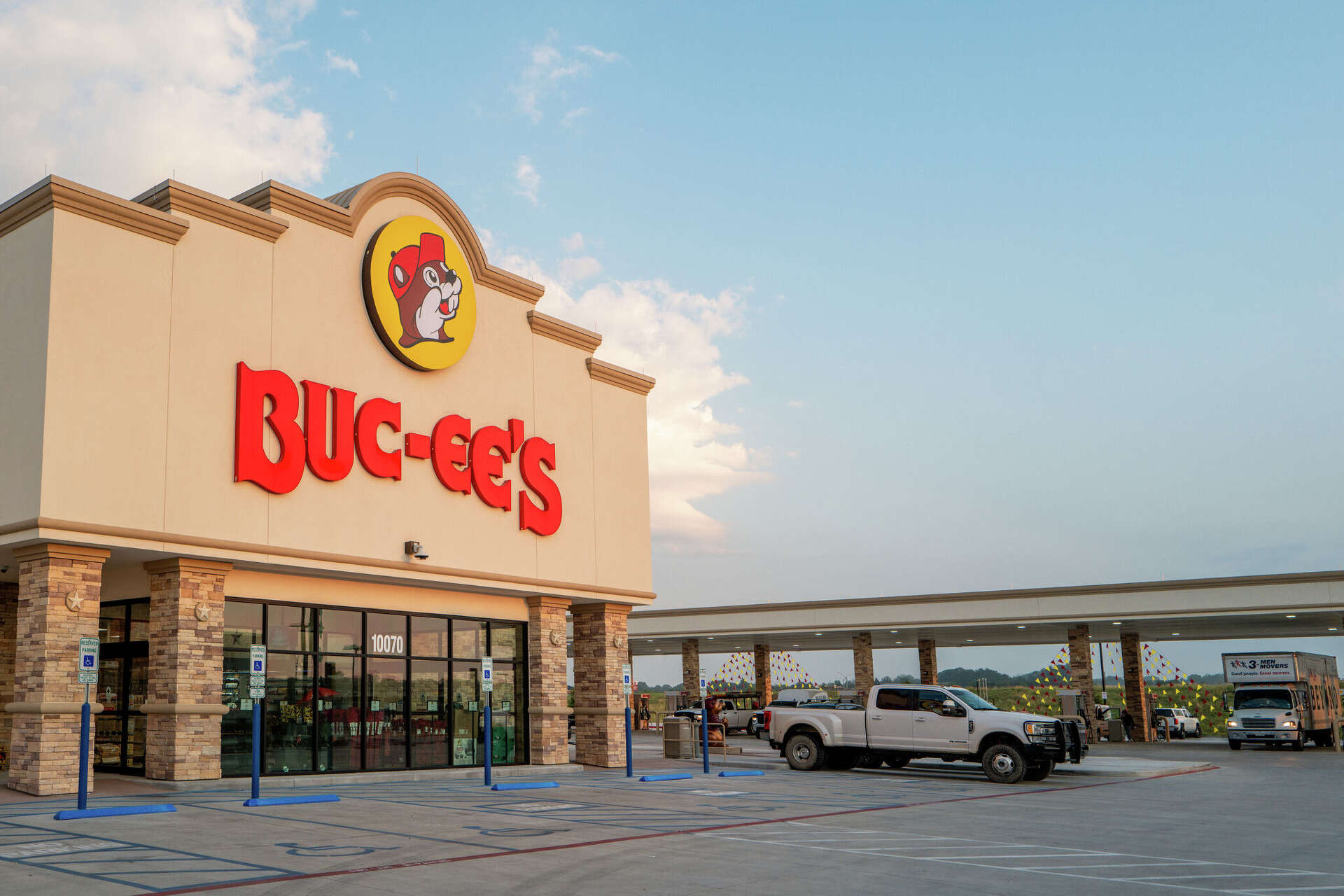
Federal courts apply the **Likelihood of Confusion Test**, which examines whether consumers would likely be confused about the source or affiliation of products based on visual, phonetic, and conceptual similarity. In the Buc-ee's case, the court will evaluate: (1) visual similarity of the cartoon beaver mascots, (2) identical red color scheme usage, (3) both businesses operating in the convenience retail sector, and (4) geographic proximity (Buc-ee's opened its first Ohio location in Huber Heights in 2026, near Beavercreek). The more factors favoring similarity, the stronger Buc-ee's infringement claim. For e-commerce sellers, this means even minor branding variations (different mascot pose, secondary colors) may not provide sufficient legal protection if the overall commercial impression remains confusingly similar.
What trademark compliance steps should small retailers take before launching a new brand name?
Small retailers must conduct a **federal trademark clearance search** through the USPTO database before filing a trade name registration or launching branded merchandise. The Buc-ee's case demonstrates that trademark holders monitor state trade name filings (Buc-ee's identified Beaver's Mini Mart on October 23, 2025, when the Ohio registration was filed) and enforce aggressively. Sellers should budget $300-800 for professional trademark searches and $1,200-2,500 for federal registration to establish priority rights. Failure to conduct clearance searches exposes retailers to cease-and-desist letters, litigation costs ($50K-200K+), and forced rebranding—making pre-launch compliance a critical cost-avoidance measure.