



US-Ukraine Security Negotiations: A Geopolitical Chessboard of Territorial Compromise and Strategic Realignment
- Diplomatic breakthrough reveals complex territorial negotiations with far-reaching global implications








Overview
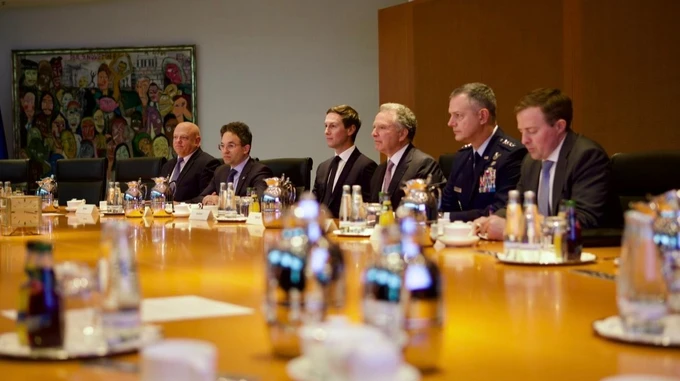
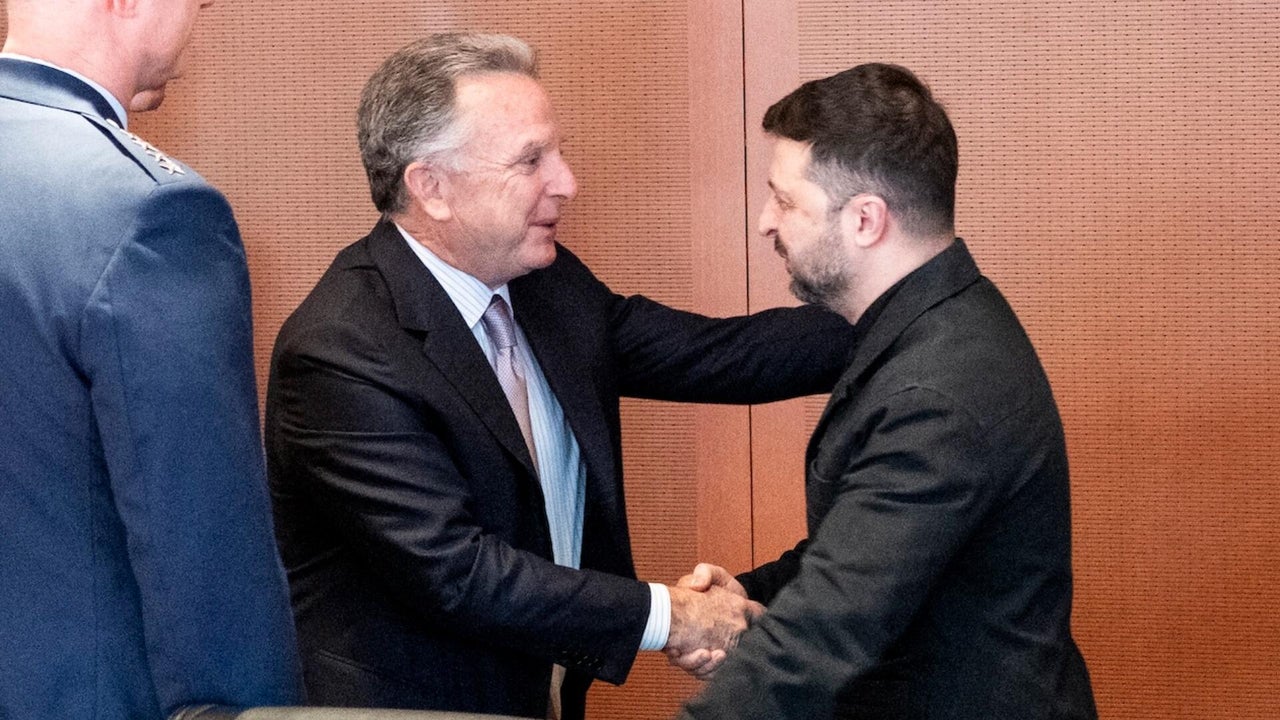
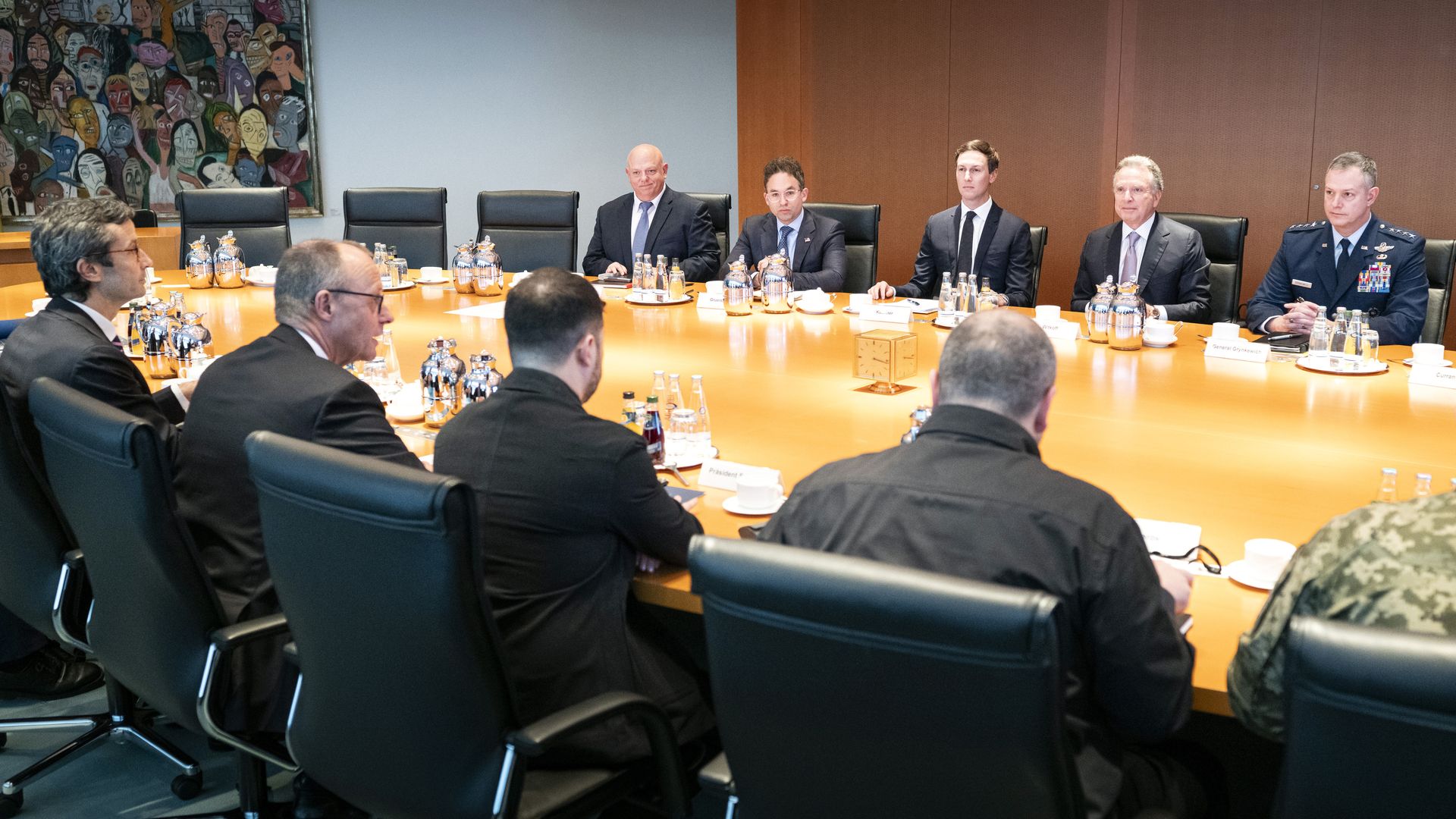
The ongoing diplomatic negotiations between the United States and Ukraine represent a pivotal moment in geopolitical strategic repositioning, where territorial compromise meets complex security guarantees. At the heart of these high-stakes discussions lies a nuanced proposal that could fundamentally reshape the regional security architecture.
Strategic Territorial Recalibration emerges as the core dynamic, with the U.S. proposing Ukraine pull back from approximately 14% of its current controlled territory in the Donbas region. This isn't merely a territorial concession but a sophisticated geopolitical maneuver designed to create a demilitarized "free economic zone" that could potentially neutralize ongoing conflict tensions. The proposed framework mirrors NATO's Article 5, offering Ukraine unprecedented security assurances that could dramatically alter its strategic positioning.
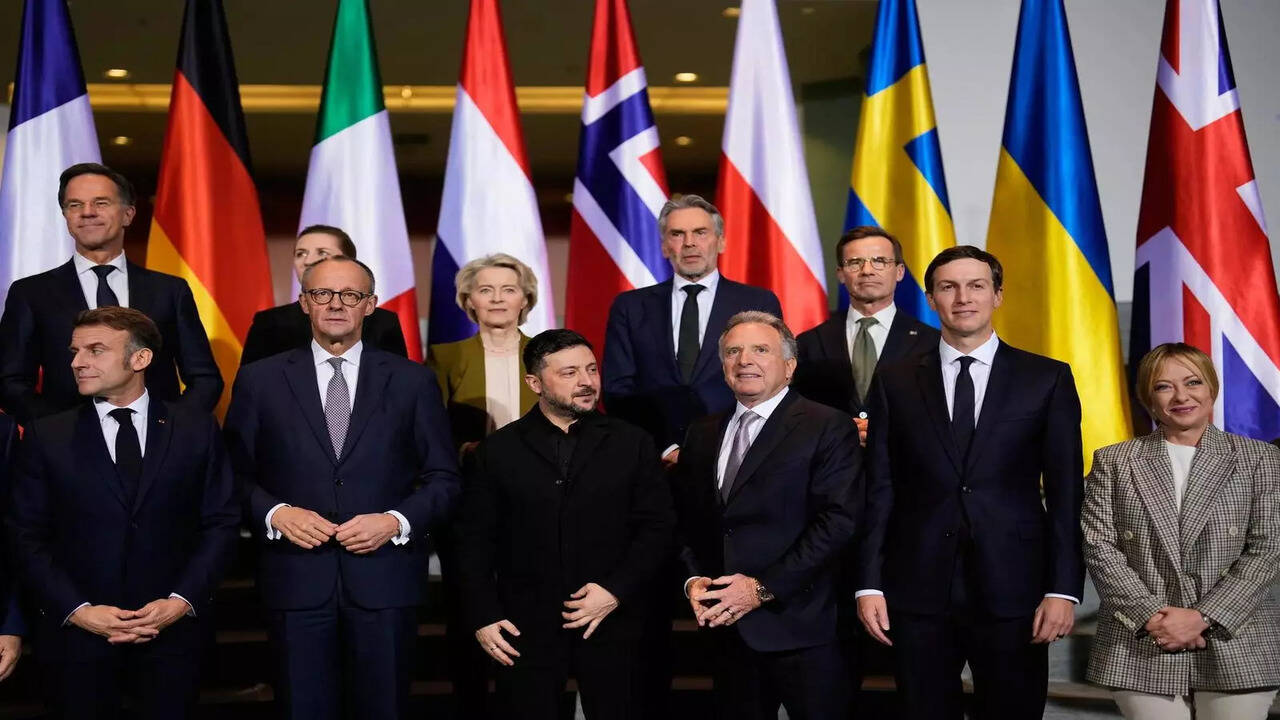
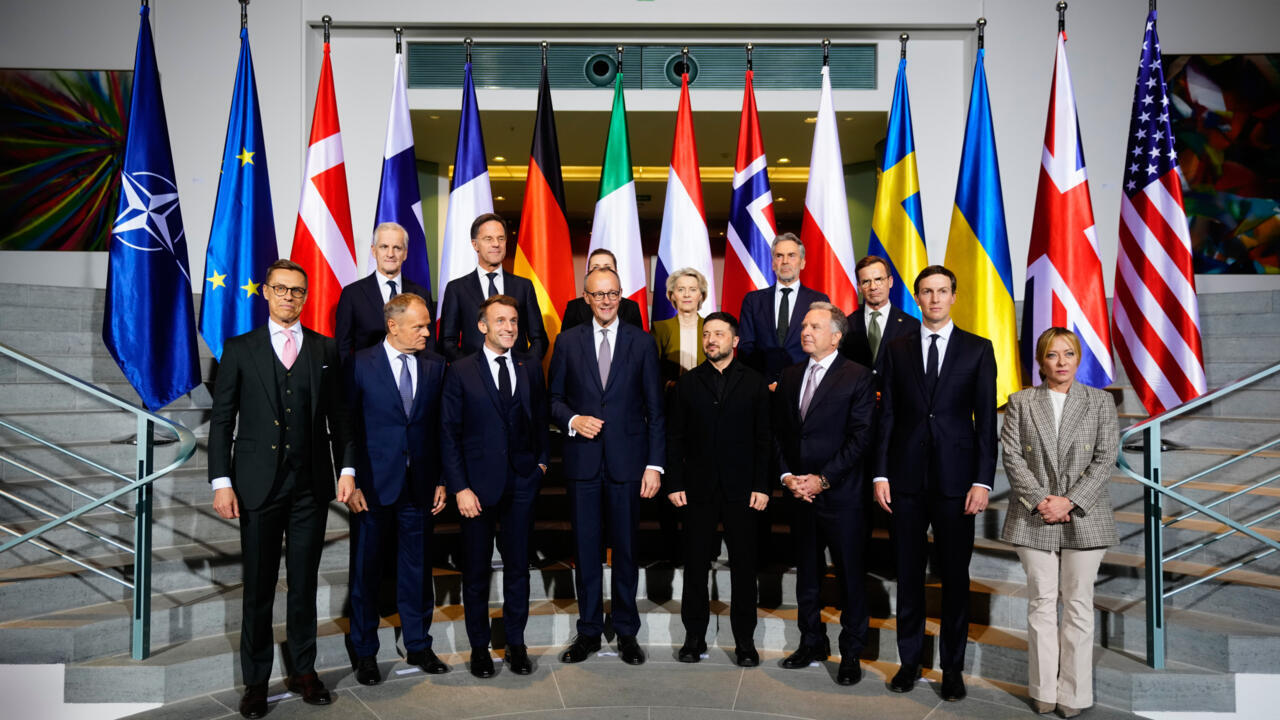
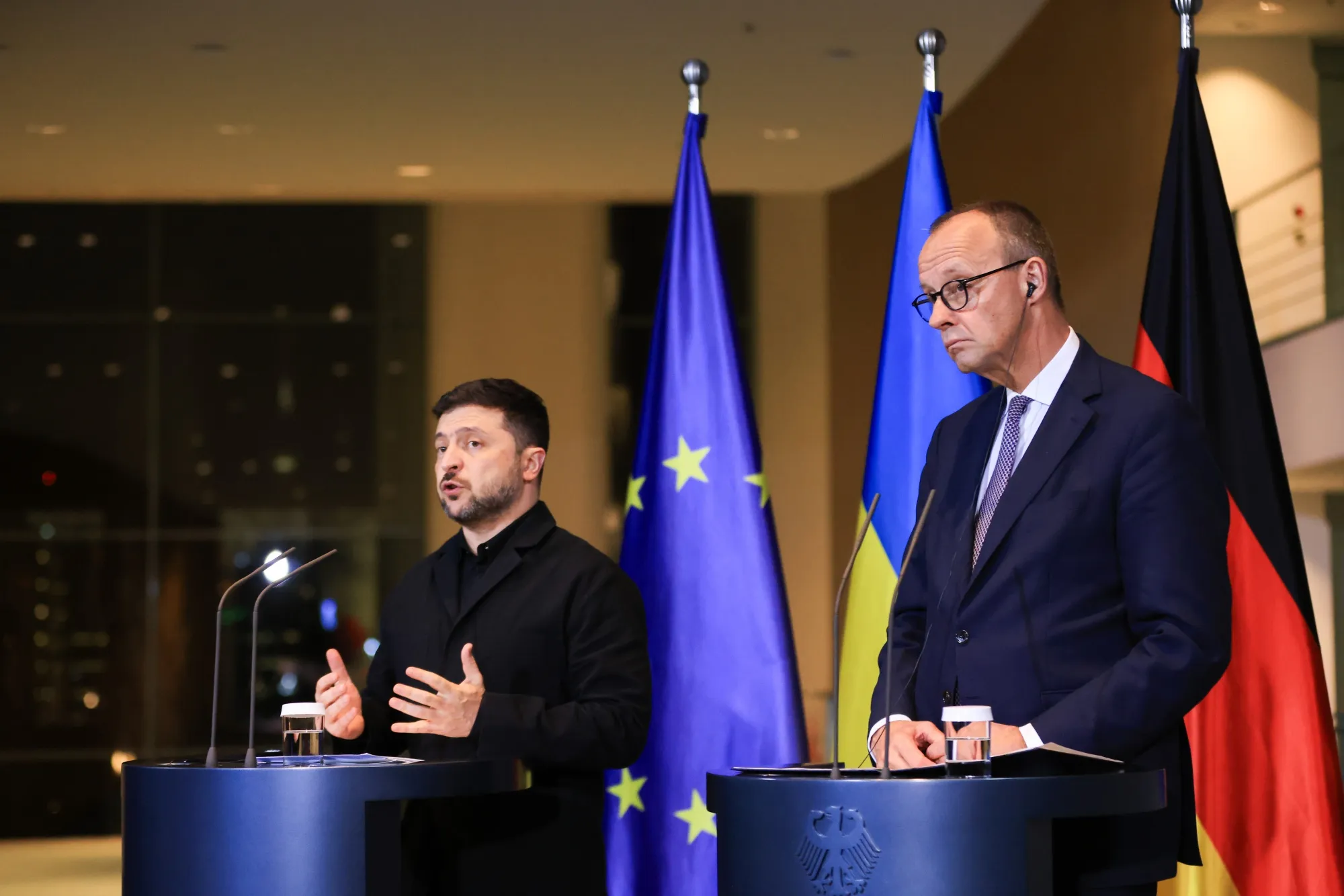
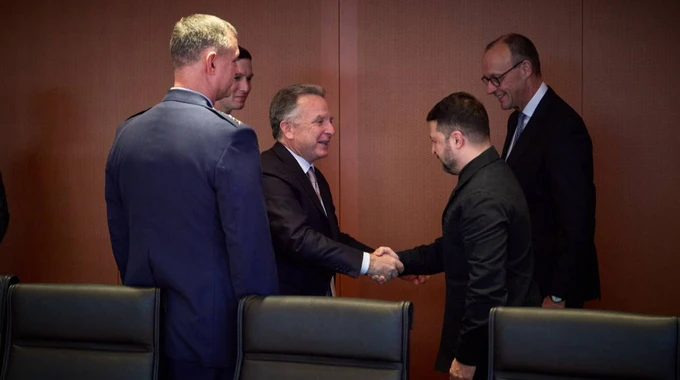
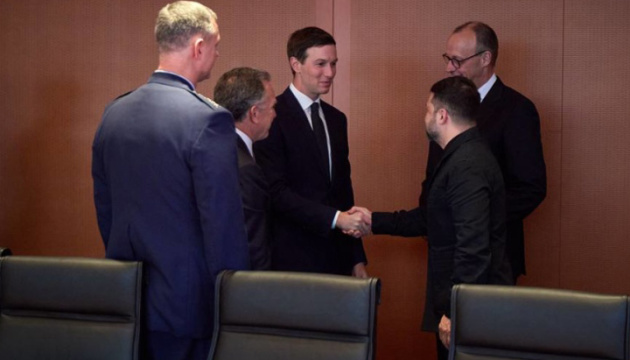
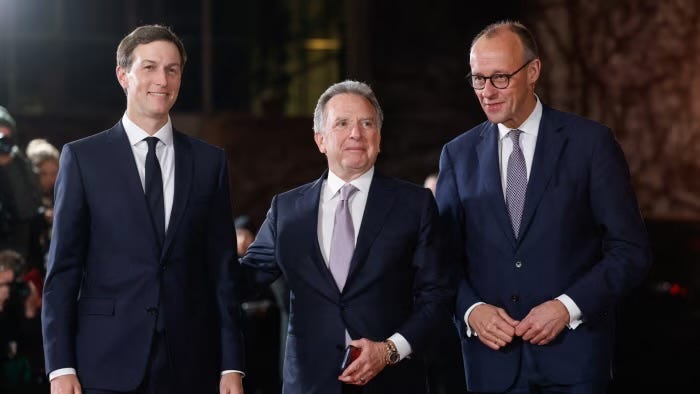
The negotiation's complexity is underscored by multiple interconnected dynamics. European leaders like German Chancellor Friedrich Merz and Polish Prime Minister Donald Tusk express cautious optimism, recognizing this as potentially the first genuinely productive negotiation cycle. The economic dimensions are equally intricate, with the Russian central bank seeking €230 billion in damages, while European powers contemplate using €210 billion in frozen Russian assets to support Ukraine's defense infrastructure.
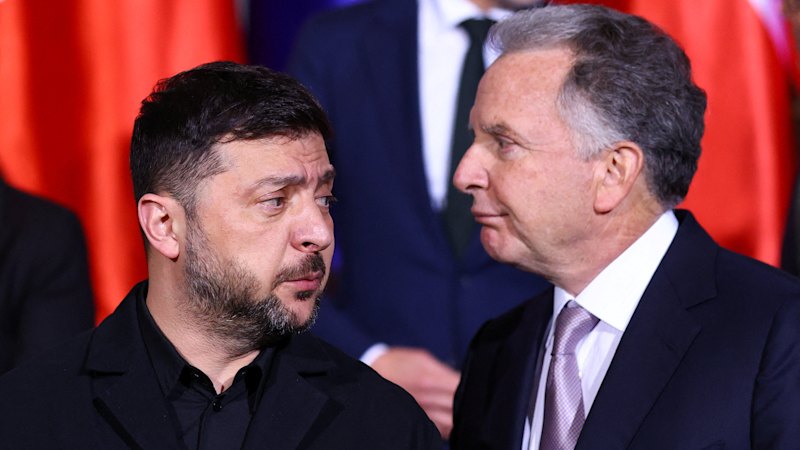
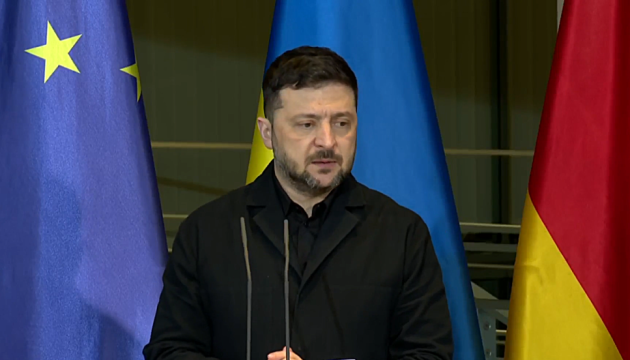
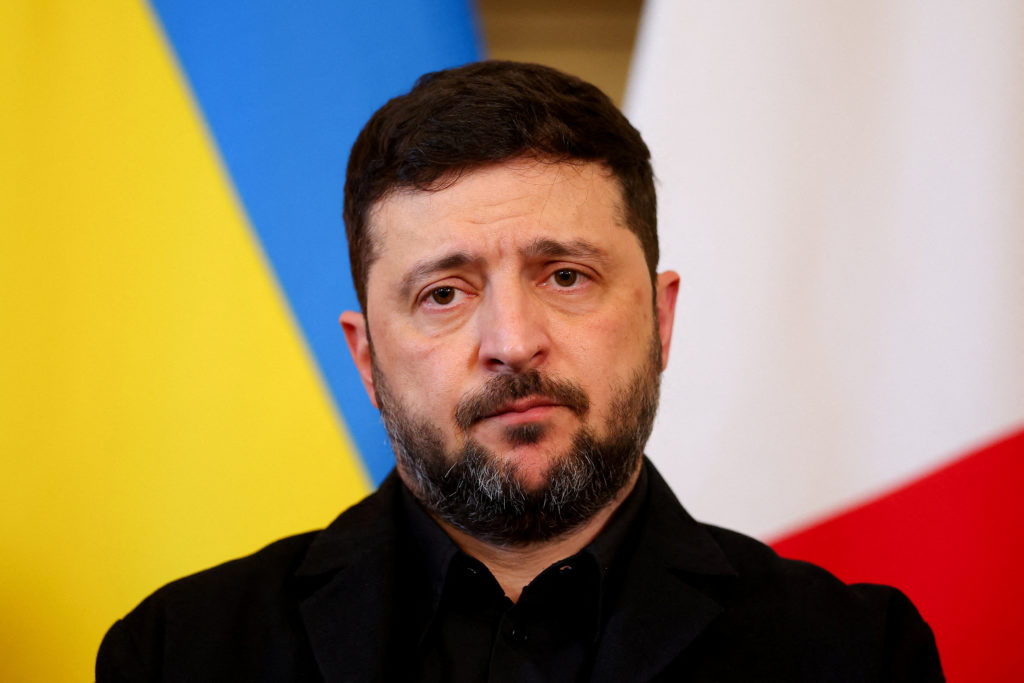
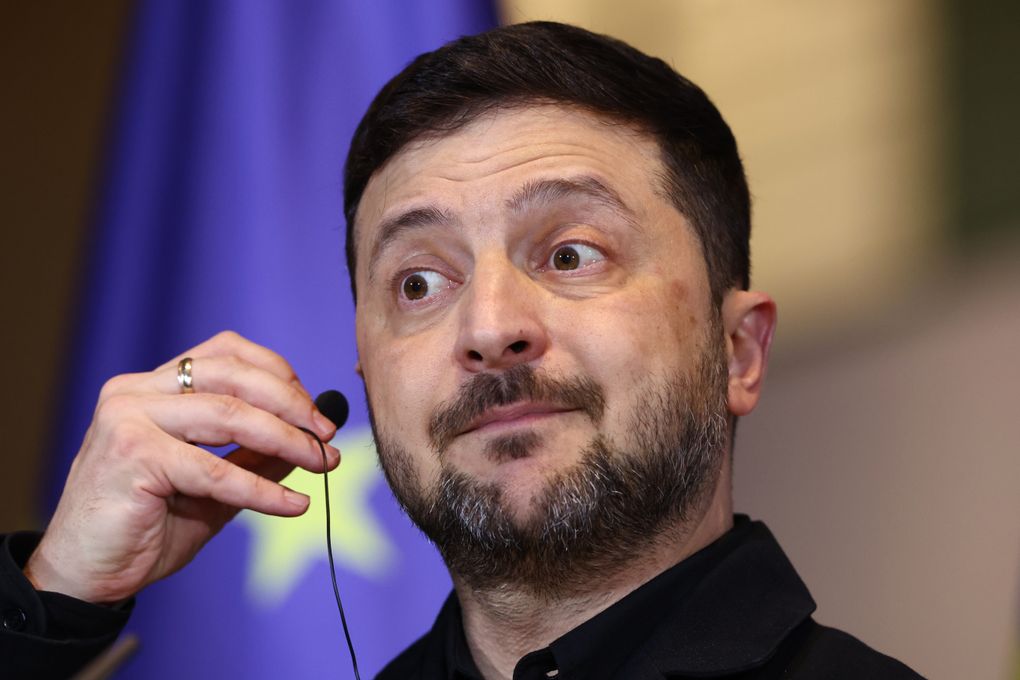
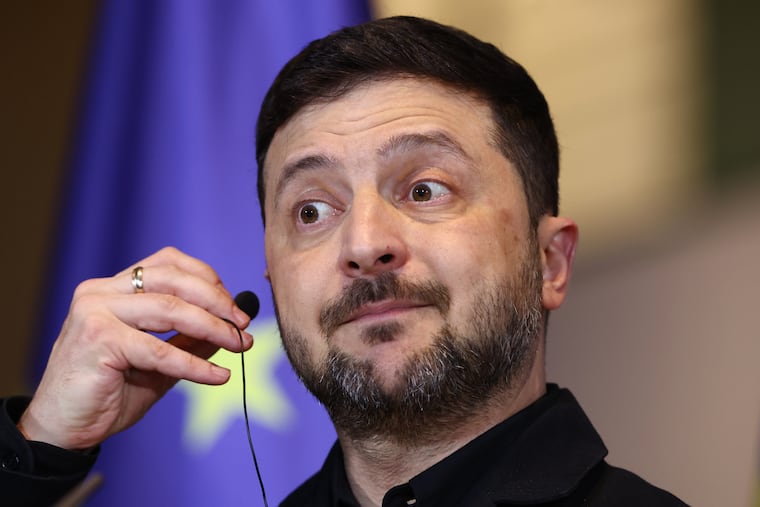
Critically, the negotiations represent more than a bilateral discussion—they are a sophisticated geopolitical recalibration. Zelenskyy's strategic positioning is particularly noteworthy, simultaneously seeking U.S. security guarantees while maintaining Ukrainian sovereignty through a potential referendum on territorial changes. The U.S. negotiators' assertion that 90% of issues have been resolved signals a rare moment of diplomatic convergence in an otherwise intractable conflict.
The broader implications extend far beyond immediate territorial concerns. These negotiations could potentially redefine regional security mechanisms, offering Ukraine a pathway to accelerated EU integration and billions in reconstruction funds, while providing Russia a potential avenue for reintegration into the global community—if it chooses diplomatic engagement over continued confrontation.
Questions 4
What economic dimensions are involved in these negotiations?
The negotiations include complex economic considerations, such as the Russian central bank seeking €230 billion in damages, while European leaders are considering using €210 billion in frozen Russian assets to support Ukraine's defense and reconstruction efforts.
How might these negotiations impact global geopolitical dynamics?
These negotiations could potentially redefine regional security mechanisms, offer Ukraine accelerated EU integration, provide Russia a pathway to global reintegration, and establish a new diplomatic framework for resolving long-standing territorial conflicts.