

Trademark Enforcement Escalation | Small Sellers Face IP Risk in Convenience Retail
- Buc-ee's lawsuit against Beaver Mini Mart reveals aggressive federal trademark strategy; 45K+ community support signals IP enforcement backlash; sellers must audit branding compliance immediately













Overview
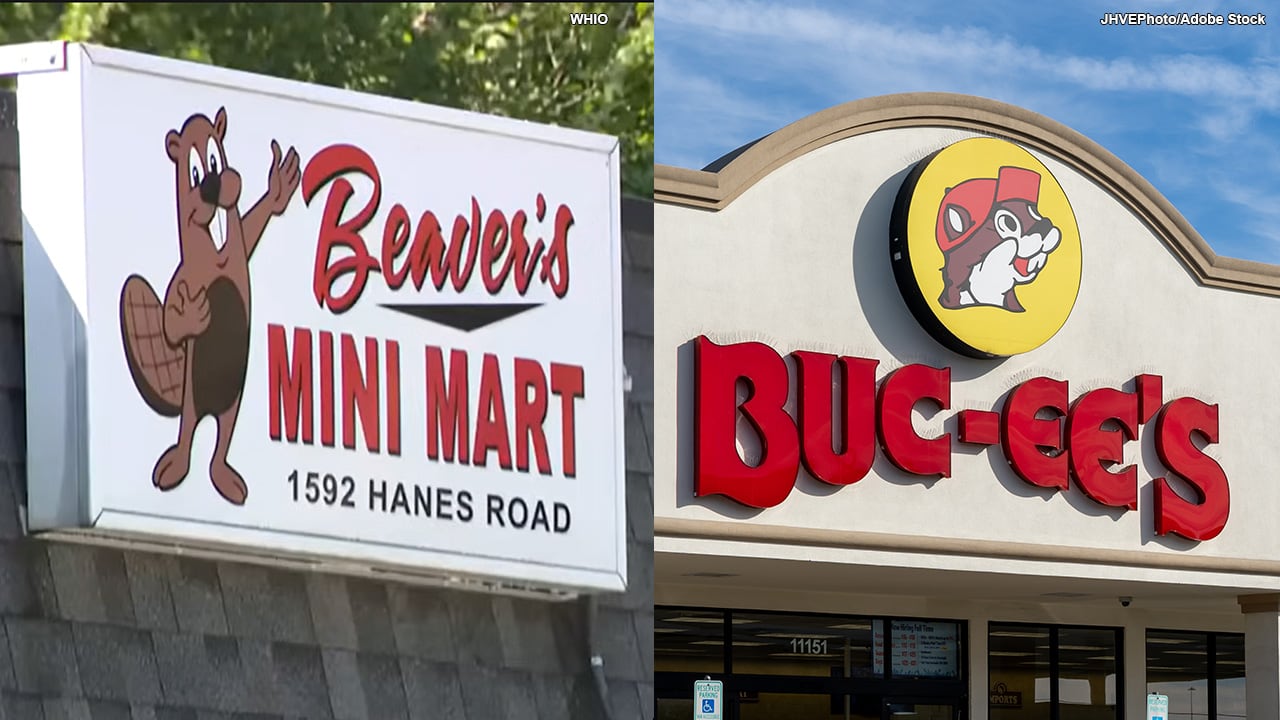
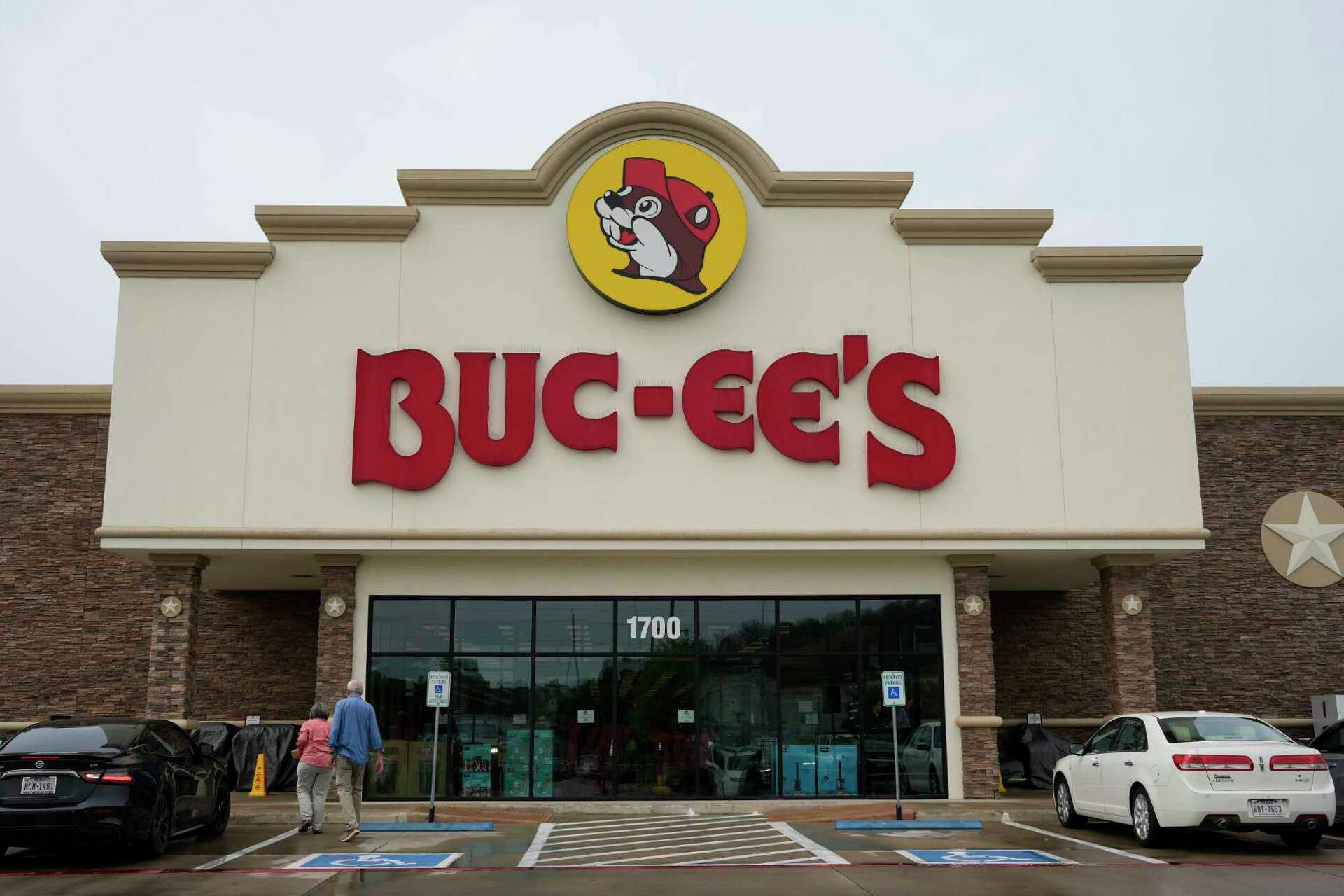
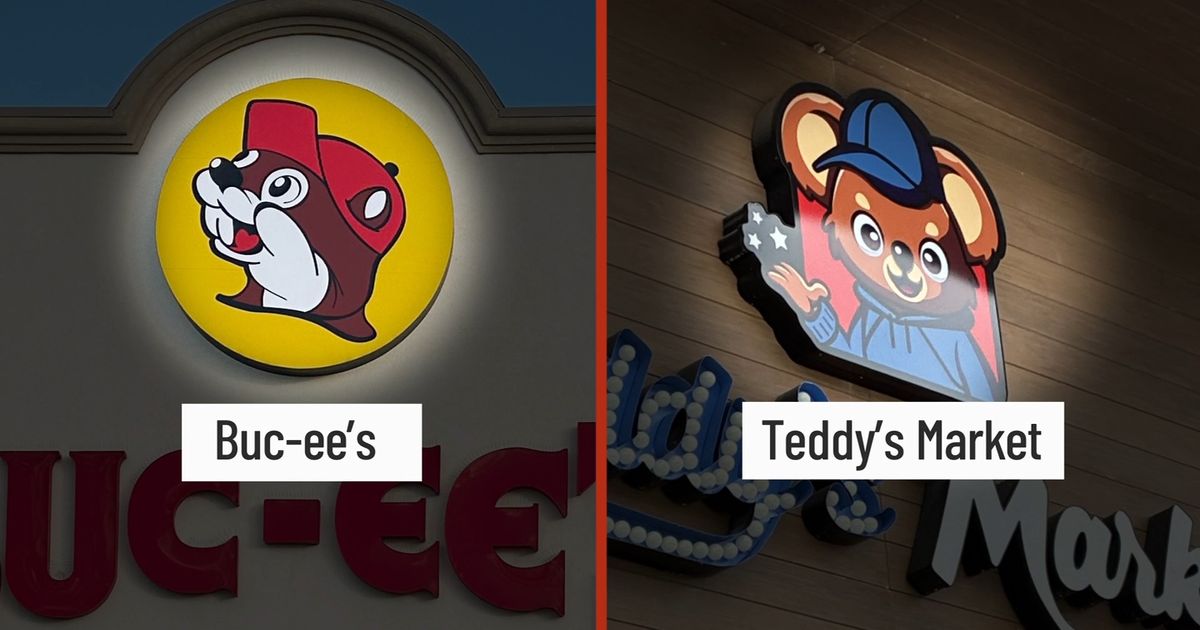
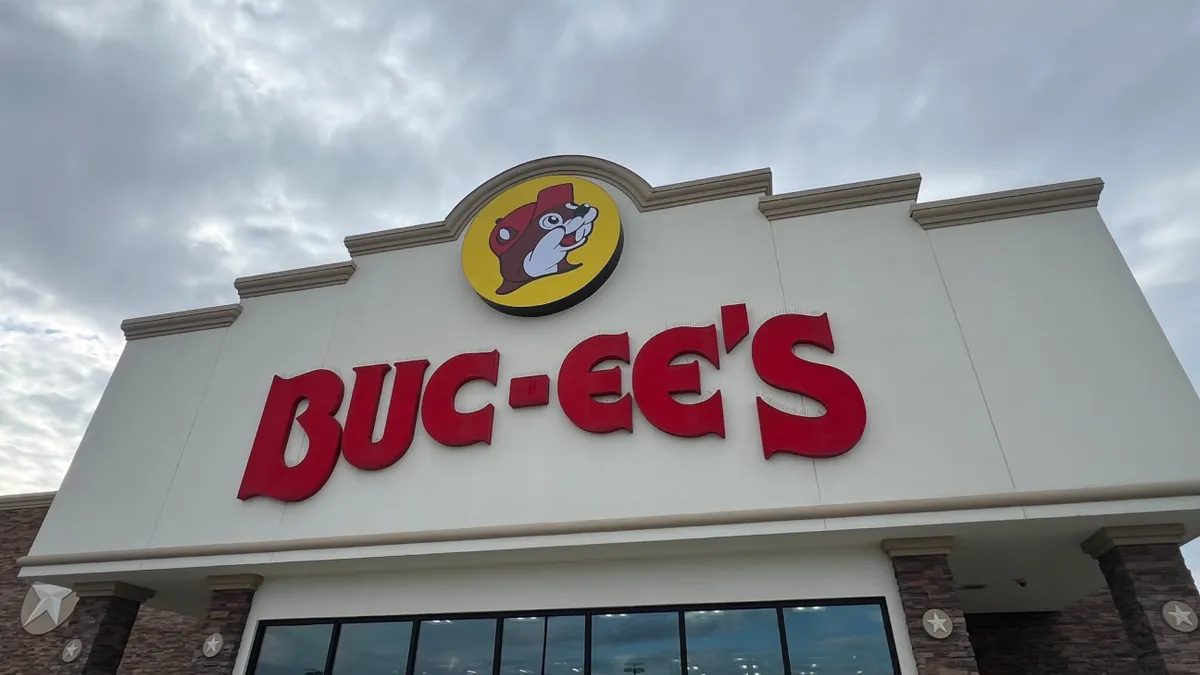
The Buc-ee's vs. Beaver Mini Mart trademark dispute represents a critical inflection point in intellectual property enforcement for e-commerce sellers, particularly those operating in convenience retail, merchandise, and branded product categories. Buc-ee's, a Texas-based convenience chain, filed a federal trademark infringement lawsuit against Beaver Mini Mart in Beavercreek, Ohio, alleging that the competitor's beaver logo—featuring wide eyes, a smile, and red coloring—creates "confusing similarity" to Buc-ee's branding. The lawsuit was triggered by Beaver Mini Mart's federal trademark filing for "Beavermart" after Buc-ee's announced its Huber Heights expansion, signaling that geographic expansion announcements now trigger aggressive IP enforcement.
Compliance Barrier Creation: This case demonstrates how large retailers weaponize federal trademark law to eliminate regional competitors before market entry. Buc-ee's has previously sued multiple businesses statewide and nationwide, establishing a pattern of enforcement that creates a high-cost compliance moat. For sellers operating in convenience retail, merchandise, or branded categories on Amazon, Shopify, or eBay, this signals that trademark clearance is no longer optional—it's a prerequisite for survival. The lawsuit alleges confusing similarity based on visual elements (beaver mascot, coloring, style), meaning sellers cannot rely on minor design variations to avoid infringement. Legal expert Bryan Schroll notes that most businesses in similar situations settle and rebrand, indicating that litigation costs and rebranding expenses typically exceed $50K-200K, making this prohibitively expensive for small operators.
Market Elimination Effect: The $45,000 GoFundMe campaign supporting Beaver Mini Mart reveals the financial asymmetry: small businesses cannot afford trademark defense. This creates a winnowing effect where non-compliant sellers are forced to exit or rebrand entirely. For e-commerce sellers, this means: (1) federal trademark searches must precede product launches, (2) visual branding (logos, mascots, color schemes) requires clearance, and (3) geographic expansion announcements should not precede trademark filings. The case also highlights that community backlash against aggressive IP enforcement is rising, with Ohio leaders rallying behind the small business—suggesting that sellers can leverage public sentiment and social media to contest enforcement, though this does not eliminate legal liability.
Service Gap Opportunity: The dispute reveals underserved demand for affordable trademark clearance services targeting small retailers and e-commerce sellers. Trademark searches, federal filings, and infringement risk assessments typically cost $1,500-5,000, creating a barrier for sellers under $1M annual revenue. Sellers should immediately audit their branding against federal trademark databases (USPTO.gov) and consider trademark insurance or clearance services before expanding into new markets or launching branded merchandise.
Questions 8
Why does Buc-ee's aggressive enforcement matter for sellers on Amazon, Shopify, and eBay?
Buc-ee's has established a pattern of suing multiple businesses statewide and nationwide, indicating systematic IP enforcement that extends beyond local disputes. This pattern signals that large retailers increasingly weaponize federal trademark law to eliminate competitors before market entry—particularly when expansion is announced. For e-commerce sellers, this means: (1) trademark enforcement is not limited to direct competitors, (2) geographic expansion announcements trigger enforcement scrutiny, and (3) visual branding similarity is evaluated broadly. Sellers operating in convenience retail, branded merchandise, or mascot-based categories face elevated IP risk. Platforms like Amazon Brand Registry provide some protection, but only for registered trademarks. Sellers should monitor competitor trademark filings and avoid launching products with similar visual elements to established brands, even if names differ.
How much does trademark defense typically cost for small sellers facing infringement lawsuits?
Trademark defense costs range from $50,000-200,000+ depending on litigation complexity, according to legal expert Bryan Schroll cited in the case. The Buc-ee's lawsuit demonstrates that even small local businesses face six-figure defense expenses, which is why most settle and rebrand rather than litigate. For e-commerce sellers, this creates a critical compliance barrier: trademark clearance before launch ($1,500-5,000) is far cheaper than defending infringement claims. The $45,000 GoFundMe campaign for Beaver Mini Mart illustrates that community support cannot offset legal costs. Sellers should budget for trademark searches and clearance services as a non-negotiable pre-launch expense, particularly when expanding geographically or launching branded merchandise.