
CBP Counterfeit Enforcement Surge | Luxury Watch Sellers Face $2M Penalties & Supply Chain Scrutiny
- CBP seized 875+ counterfeit Audemars Piguet watches ($1.25B value) across summer 2026; Indianapolis and Louisville ports intensifying IP screening; sellers importing branded timepieces from Hong Kong face heightened compliance requirements and account suspension risks on Amazon/eBay


Overview
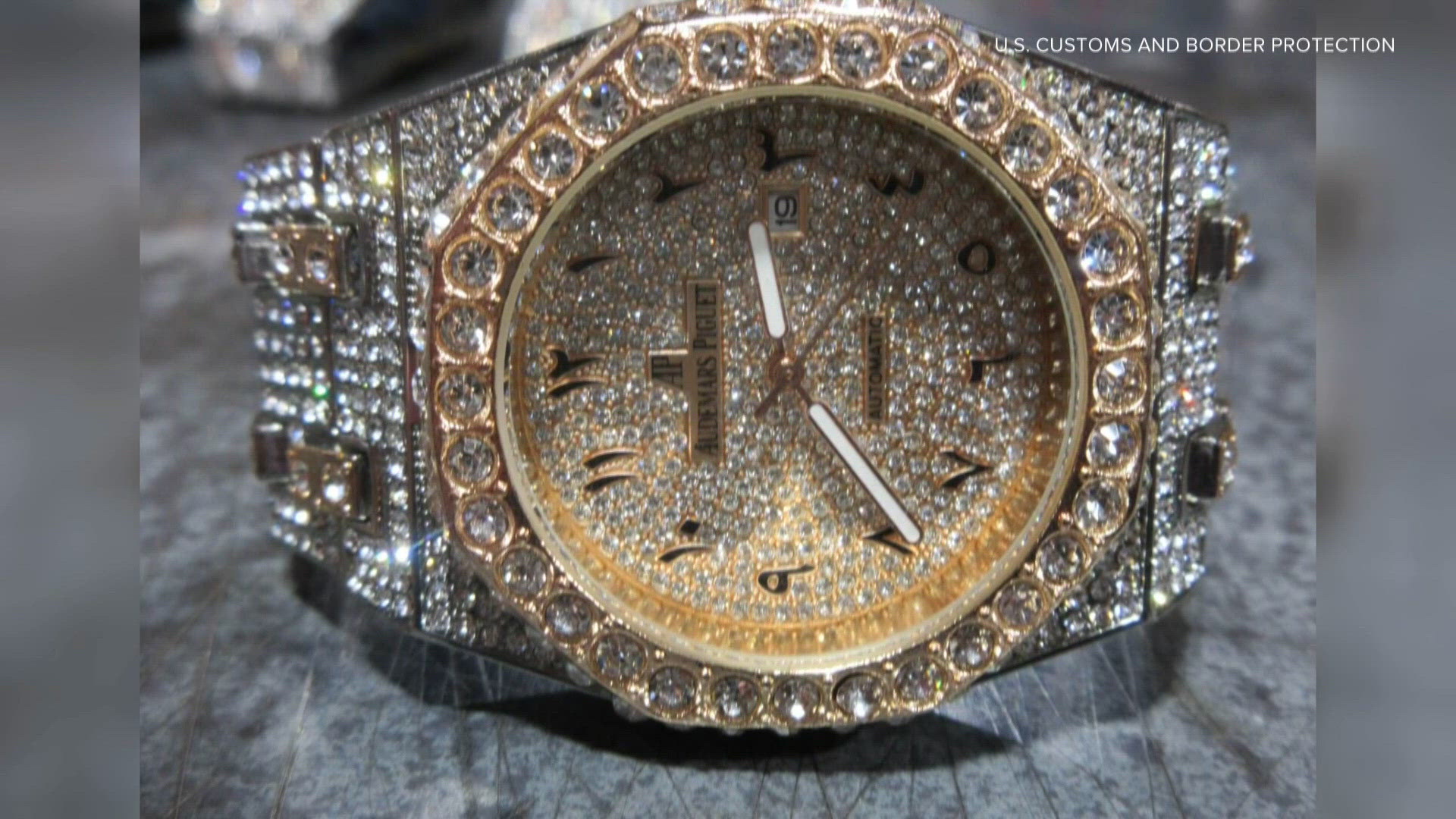
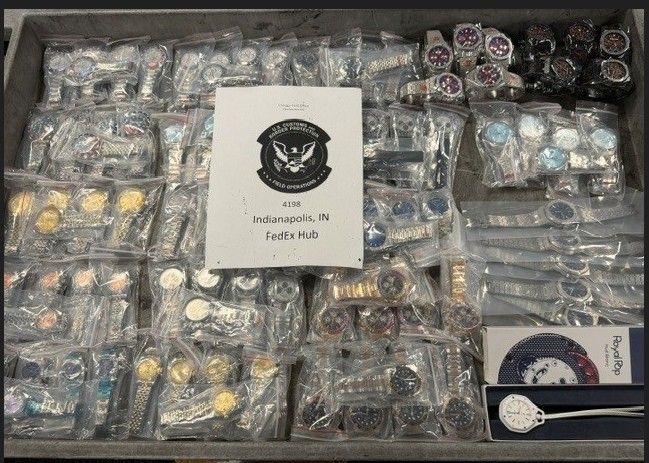
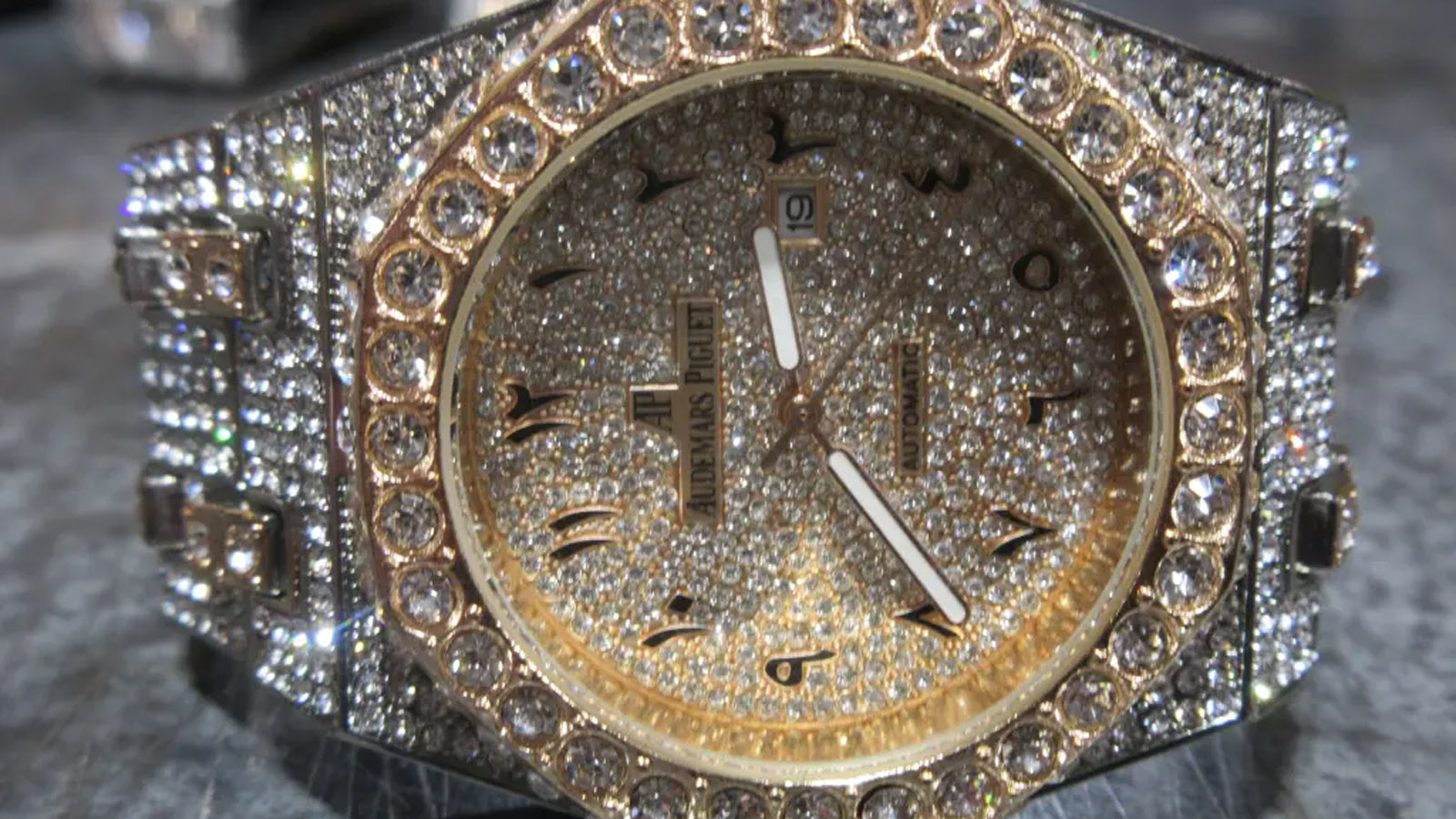
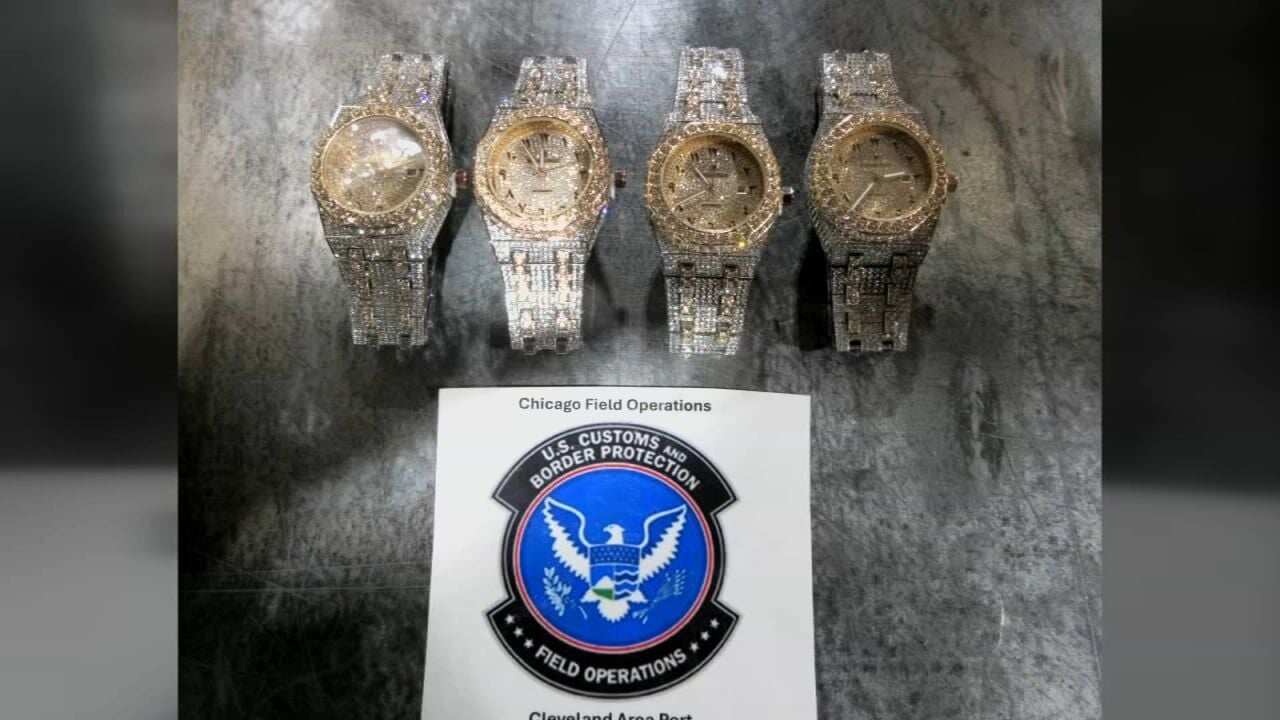
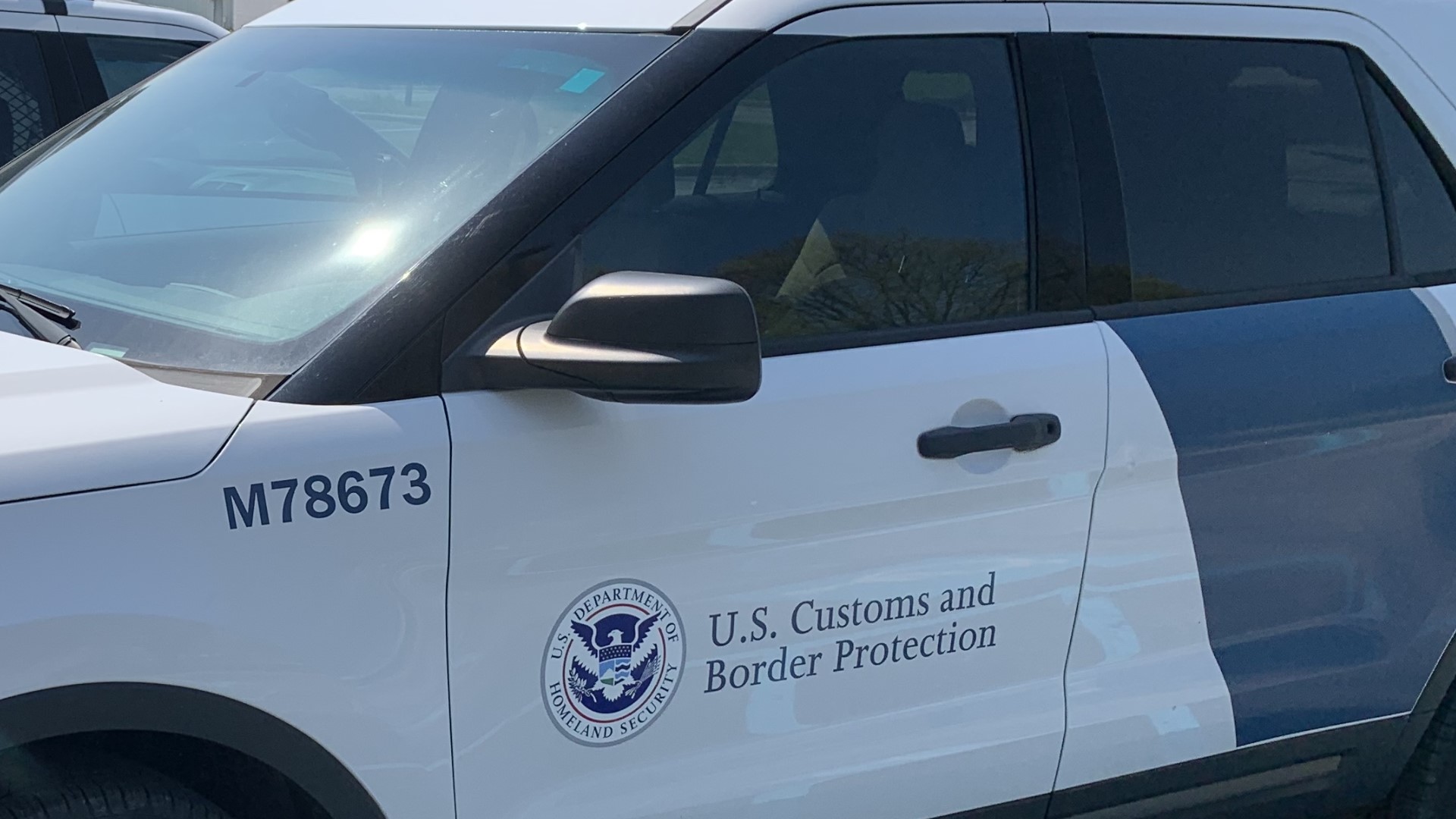
Escalating CBP enforcement against counterfeit luxury goods is creating a compliance moat that eliminates non-compliant sellers while protecting legitimate branded merchandise importers. Between summer 2026 and recent enforcement actions, U.S. Customs and Border Protection (CBP) intercepted 875+ counterfeit Audemars Piguet watches valued at over $1.25 billion if authentic, with a single seizure of 300 units at Port of Louisville (July 31, 2026) representing $43 million in counterfeit value. Additional seizures at Indianapolis CBP facilities included 96+ counterfeit watches, demonstrating systematic enforcement across major inland ports. This represents a critical compliance barrier: sellers importing branded watches from Hong Kong and Asian markets now face advanced scanning technology, risk assessment algorithms, and intelligence databases that flag suspicious shipments before entry into U.S. commerce.
The compliance cost structure is now prohibitive for non-compliant sellers. CBP's enforcement creates three distinct seller segments: (1) Legitimate branded importers with manufacturer certificates of authenticity, authorized distributor agreements, and proper customs declarations—these sellers face minimal seizure risk but must maintain comprehensive documentation; (2) Inadvertent counterfeit importers who source from unreliable suppliers and face shipment seizure, substantial fines, legal liability, and criminal charges; (3) Intentional counterfeiters facing trafficking penalties up to $2 million in fines, 10 years imprisonment, or both. The market elimination rate is substantial: counterfeit watches represent among the most commonly seized items due to high profit margins (authentic Audemars Piguet retail $39,000-$1.1M for bejeweled versions), meaning non-compliant sellers are systematically removed from the market.
Platform policies amplify the compliance moat. Amazon, eBay, and other marketplaces explicitly prohibit counterfeit sales, with violators facing account suspension or permanent bans. This creates a dual enforcement mechanism: CBP intercepts goods at borders while platforms police listings. The news indicates over 90% of counterfeit seizures now occur in international mail environments, with encrypted messaging apps (WhatsApp, Telegram) facilitating direct-to-consumer sales outside platforms—suggesting legitimate sellers on Amazon/eBay have competitive advantage as platforms enforce authenticity requirements. For sellers importing branded merchandise, the fastest compliance path involves: (1) sourcing exclusively from authorized distributors with verifiable credentials; (2) obtaining manufacturer certificates of authenticity for all inventory; (3) maintaining detailed customs documentation; (4) implementing supplier verification procedures through official channels. Compliance timeline: 2-4 weeks for documentation review, ongoing for each shipment. The underground counterfeit market drains an estimated $1 billion in tax revenue from New York state and city services annually, indicating CBP enforcement intensity will remain high, particularly at major ports (Louisville, Indianapolis) processing thousands of shipments daily.
Questions 8
What documentation do I need to prove authenticity when importing branded watches to Amazon or eBay?
You must maintain: (1) manufacturer certificates of authenticity for all inventory; (2) authorized distributor agreements proving legitimate sourcing; (3) proper customs declarations; (4) detailed supplier verification records; (5) proof of purchase from authorized channels. Amazon Brand Registry and eBay Authenticity Guarantee programs require this documentation for branded merchandise. The news indicates CBP screens millions of shipments annually using advanced technology and intelligence databases, so incomplete documentation triggers seizure. Sellers should implement robust due diligence procedures and maintain comprehensive records of all import transactions. This documentation protects against both CBP seizure and platform account suspension.
Which U.S. ports have the most aggressive counterfeit enforcement for watch imports?
Indianapolis and Louisville ports are currently the most active enforcement locations based on recent CBP seizures. The news reports CBP seized 300 counterfeit Audemars Piguet watches at Port of Louisville (July 31, 2026) and multiple seizures at Indianapolis CBP facilities. Port of Louisville processes thousands of shipments daily via river, rail, and highway, making it a critical gateway for inland transport. CBP utilizes advanced scanning technology and risk assessment algorithms at these facilities. Sellers should expect heightened scrutiny when importing branded watches through these ports and ensure all documentation is complete and authentic before shipment arrival.