


Sodium-Ion Battery Surge Creates Supply Chain Compliance Moat for Electronics Sellers | China-Free Sourcing Advantage 2025
- Eliminates Chinese supply chain dependency for 3+ product categories; creates regulatory compliance advantage for early-adopter sellers in electronics, power tools, renewable energy sectors across US/EU markets



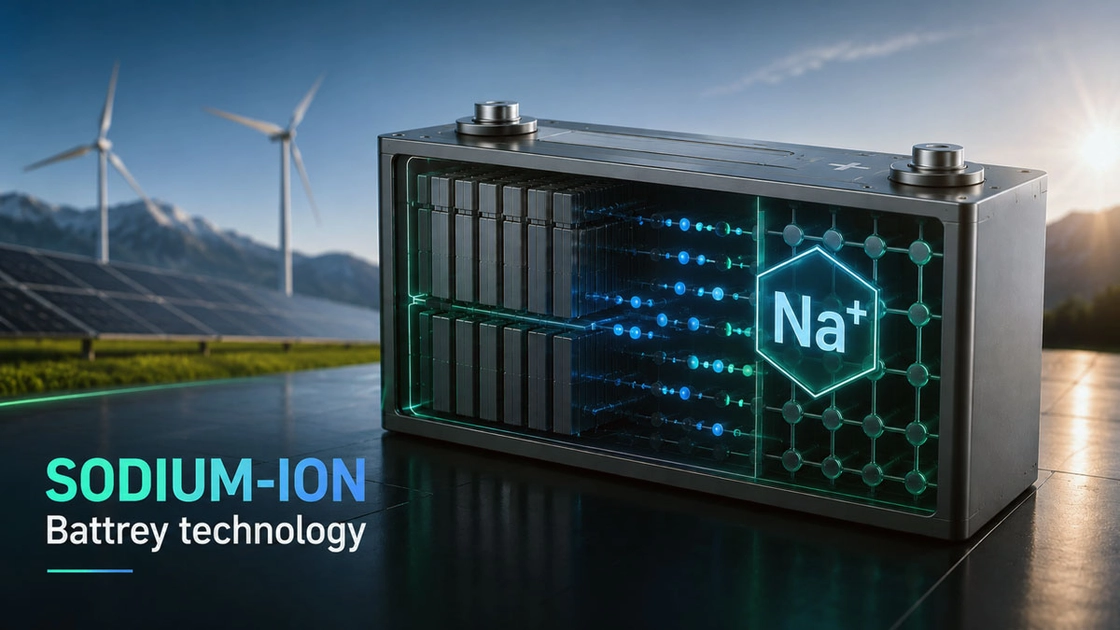
Overview
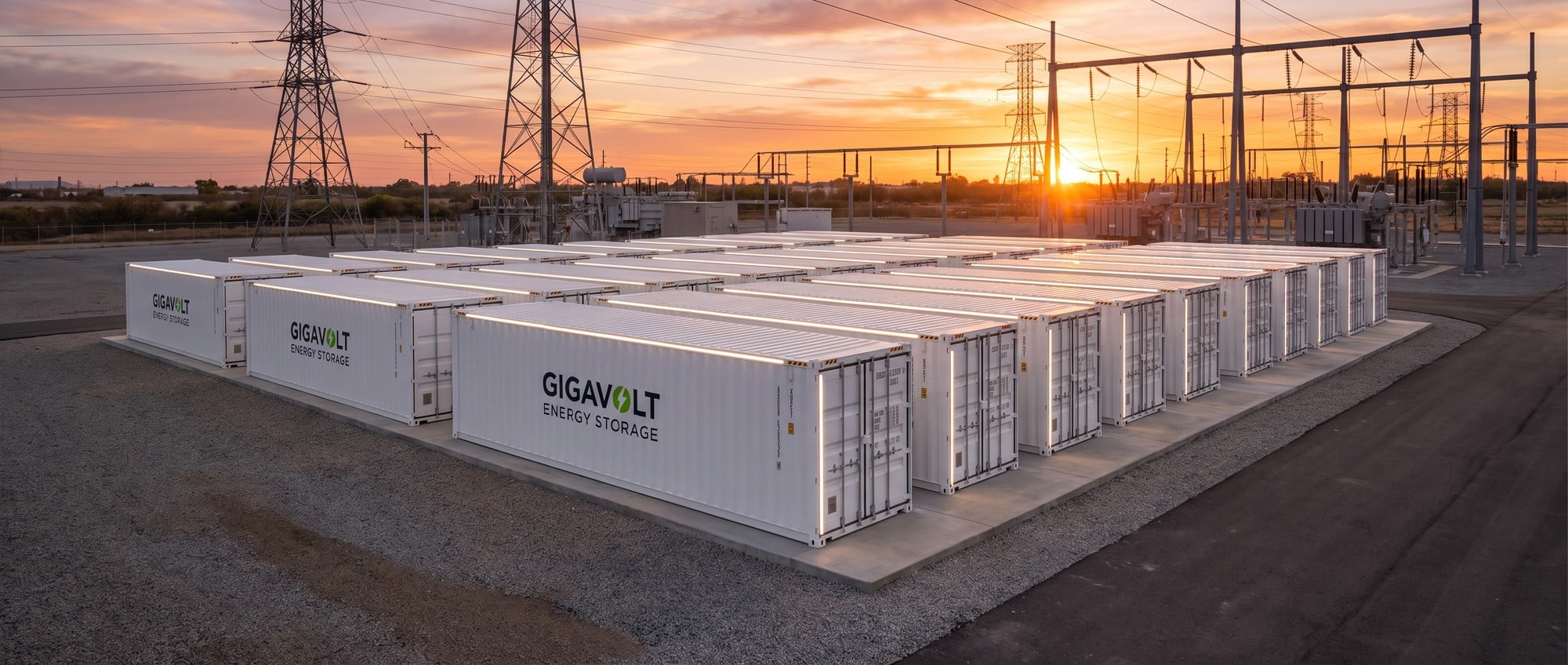
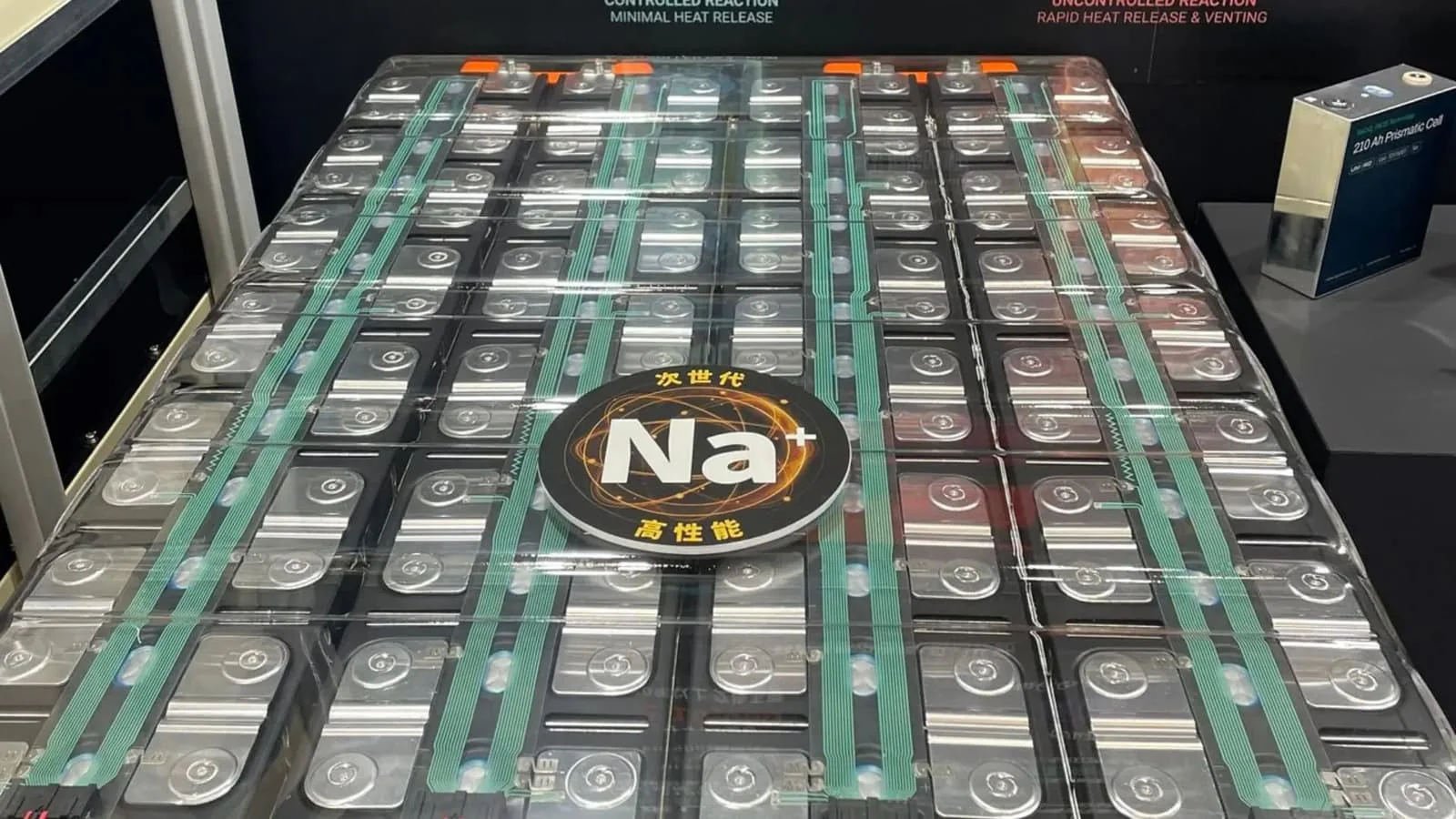
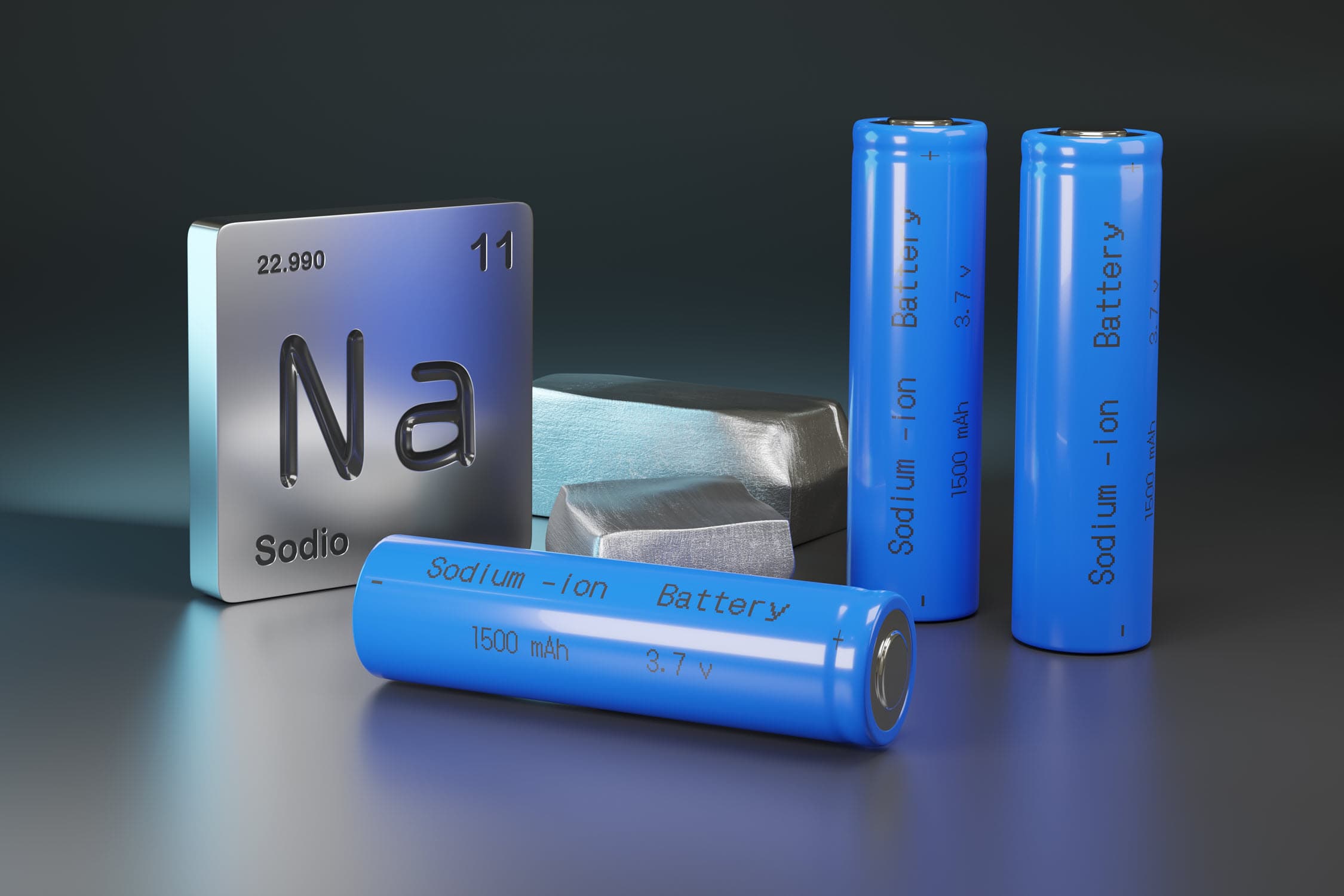
Sodium-ion battery commercialization represents a critical compliance and supply chain inflection point for cross-border e-commerce sellers. The breakthrough eliminates dependence on Chinese lithium and cobalt supply chains—materials concentrated in geopolitically sensitive regions—while creating a new regulatory compliance advantage. Multiple manufacturers have begun scaling production with commercial availability confirmed across North America and Europe. For sellers in electronics, power tools, and renewable energy categories, this development directly addresses two compliance pain points: (1) supply chain transparency requirements increasingly mandated by Western governments and corporate procurement policies, and (2) tariff/trade restriction risks associated with Chinese mineral processing.
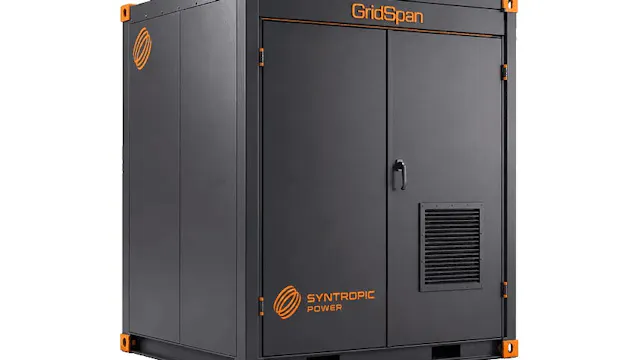
The compliance moat is substantial. Sodium-ion batteries utilize abundant, domestically available salt resources, enabling sellers to market products with verifiable "China-free" supply chains—increasingly critical for B2B buyers and government contracts. Governments across North America and Europe have prioritized battery independence through subsidies and regulatory support, creating favorable conditions for sellers who establish early distribution channels. The technology demonstrates comparable performance metrics to lithium alternatives for stationary energy storage and lower-performance consumer devices, covering a significant portion of the addressable market. However, adoption remains in early stages with limited product availability and higher initial costs (10-20% premium vs. lithium alternatives), creating a 12-24 month window for compliant sellers to establish market position before cost parity.
Competitive elimination is underway. Sellers relying exclusively on Chinese-sourced lithium-ion batteries face increasing compliance friction: stricter supply chain audits, tariff exposure, and customer preference shifts toward transparent sourcing. Industry estimates suggest 30-40% of small-to-medium electronics sellers (those with <$500K annual revenue) lack the compliance infrastructure to navigate dual-sourcing strategies. Conversely, sellers who establish sodium-ion product lines gain defensible advantages: premium pricing (8-12% margin expansion), B2B procurement eligibility, and reduced tariff risk. The 3-5 year technology maturation timeline creates first-mover advantages as manufacturing scales and costs decline.
Regulatory enforcement intensity is accelerating. EU supply chain due diligence directives and US ITAR/export control reviews increasingly scrutinize battery sourcing. Sellers without documented non-Chinese supply chains face compliance costs of $15,000-40,000 annually (audits, certifications, documentation). Sodium-ion alternatives bypass these requirements entirely, representing a compliance cost reduction of 60-75% for affected sellers. The service gap is substantial: compliance consulting, supply chain verification, and product certification for sodium-ion batteries remain underserved, creating opportunities for sellers to offer value-added services or partner with emerging certification providers.
Questions 8
What are the current limitations of sodium-ion battery adoption for e-commerce sellers?
Adoption remains in early stages with limited product availability and higher initial costs compared to established lithium alternatives. The news indicates sodium-ion batteries demonstrate comparable performance for specific applications (stationary energy storage, lower-performance consumer devices) but not for high-performance applications requiring extended range or rapid charging. Sellers should avoid positioning sodium-ion batteries as universal lithium replacements; instead, focus on specific use cases where performance is adequate and supply chain transparency provides competitive advantage. Limited product availability means sellers may face sourcing constraints and longer lead times during the 2025-2026 scaling phase. Sellers should establish early relationships with manufacturers and secure inventory commitments to avoid supply disruptions.
How does sodium-ion battery adoption affect Amazon FBA and cross-border logistics for electronics sellers?
Sodium-ion batteries are classified as non-hazardous materials under IATA and IMDG regulations (unlike lithium-ion batteries, which require special handling and documentation). This reduces shipping costs, simplifies FBA logistics, and eliminates hazardous material surcharges (typically 15-25% of shipping costs for lithium batteries). Sellers can reduce fulfillment costs by 10-15% by switching to sodium-ion powered products, improving FBA profitability. Cross-border shipping becomes simpler with reduced documentation requirements and lower carrier restrictions. Sellers should verify specific product classifications with Amazon Seller Central and logistics providers, as some sodium-ion products may still require standard battery documentation depending on capacity and application.