
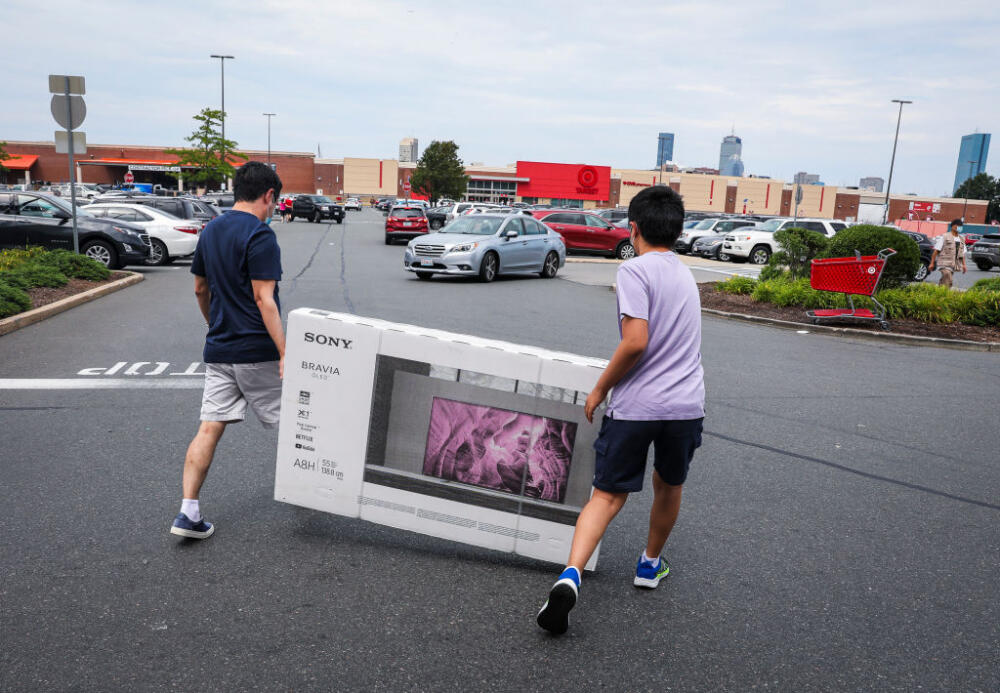


Massachusetts Tax-Free Weekend 2025-2026 | Critical Compliance & Sales Surge Strategy for E-Commerce Sellers
- 6.25% sales tax suspension drives 40-60% demand spike in electronics, furniture, apparel; mandatory compliance required for Amazon, eBay, Shopify sellers shipping to Massachusetts











Overview
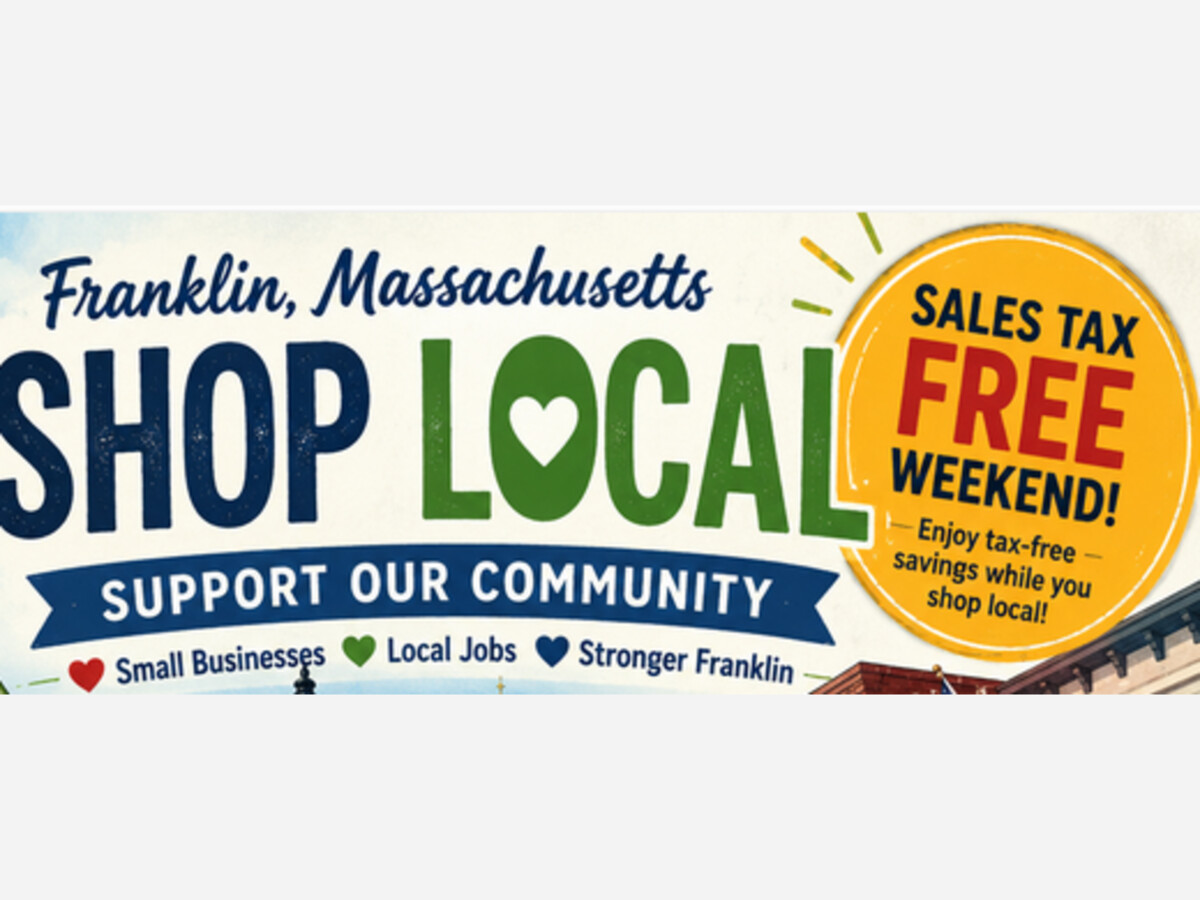
Massachusetts' annual tax-free weekend (August 8-9, 2025 and 2026) represents a critical compliance event and demand surge opportunity for e-commerce sellers. The state suspends its 6.25% sales tax on qualifying purchases up to $2,500, creating a mandatory operational requirement for all retailers including Amazon, eBay, and Shopify sellers. According to the Retailers Association of Massachusetts, this event drives increased business during traditionally slow economic periods, with retailers layering additional promotional discounts atop tax savings to maximize conversion.
For cross-border and multi-state e-commerce sellers, this event presents both compliance obligations and revenue opportunities. Online purchases qualify for the tax exemption if payment occurs during the weekend (August 8-9), regardless of delivery timing. Sellers must ensure their tax compliance software correctly applies the temporary rate change to Massachusetts customers, avoiding costly compliance violations. The $2,500 per-item threshold creates operational considerations for high-value transactions—items exceeding this cap remain fully taxed, though some retailers voluntarily offer the 6.25% discount as competitive strategy. Categories with strongest demand include electronics (TVs, laptops, Chromebooks for back-to-school), furniture, appliances, yard tools, and apparel items exceeding the $175 clothing threshold. Excluded categories (food, alcohol, tobacco, vehicles, boats, gasoline) require clear customer communication to prevent transaction disputes.
The fixed $2,500 threshold, unchanged since 2004, has eroded significantly in purchasing power—now worth approximately $4,405 in 2026 dollars. This creates strategic opportunities for sellers positioning products just under the threshold to maximize tax savings appeal. Retailers report that electronics represent the strongest value proposition, as TVs and laptops rarely receive substantial discounts throughout the year, making the tax holiday a unique savings window. The timing coincides with back-to-school shopping (August peak), benefiting sellers of student laptops, Chromebooks, and tech accessories. Consumers can exchange tax-free purchases after the holiday ends without retroactive tax charges, reducing purchase friction.
Operational impact for sellers includes mandatory point-of-sale adjustments, customer communication about eligible categories, and monitoring of Massachusetts sales during the weekend period. Multi-state sellers managing varying state tax policies must verify their systems handle temporary exemptions correctly. The event demonstrates the importance of maintaining accurate, region-specific tax rules in e-commerce operations—non-compliance risks include transaction reversals, customer disputes, and potential state penalties. Sellers should monitor Massachusetts sales during this period and ensure proper tax calculation to avoid compliance issues.
Questions 8
What is the Massachusetts tax-free weekend and how does it affect online sellers?
Massachusetts' annual tax-free weekend (August 8-9) suspends the state's 6.25% sales tax on qualifying purchases up to $2,500 for both in-store and online shoppers. For e-commerce sellers on Amazon, eBay, and Shopify, this is a mandatory compliance event requiring point-of-sale adjustments to correctly apply the temporary tax exemption to Massachusetts customers. Online purchases qualify if payment occurs during the weekend, regardless of delivery timing. Sellers must ensure their tax compliance software handles the temporary rate change correctly to avoid transaction reversals and customer disputes. Non-compliance can result in state penalties and damage to seller ratings.
Which product categories see the highest demand during Massachusetts tax-free weekend?
Electronics represent the strongest value proposition, with TVs and laptops rarely receiving substantial discounts throughout the year, making the tax holiday a unique savings window. The timing coincides with back-to-school shopping (August peak), driving demand for student laptops, Chromebooks, and tech accessories. Other high-demand categories include furniture, appliances, yard tools, and apparel items exceeding the $175 clothing threshold (which is already tax-free year-round). Retailers report layering additional promotional discounts atop the 6.25% tax savings to maximize conversion. Excluded categories—food, alcohol, tobacco, vehicles, boats, gasoline—require clear customer communication to prevent transaction disputes.