



Ford's Affordable Hybrid Push Signals Massive Aftermarket & Accessory Opportunity for E-Commerce Sellers
- Entry-level vehicle launches drive $8-12B annual aftermarket demand; sellers can capitalize on hybrid accessory trends, performance parts, and lifestyle merchandise targeting budget-conscious buyers entering hybrid ownership




Overview
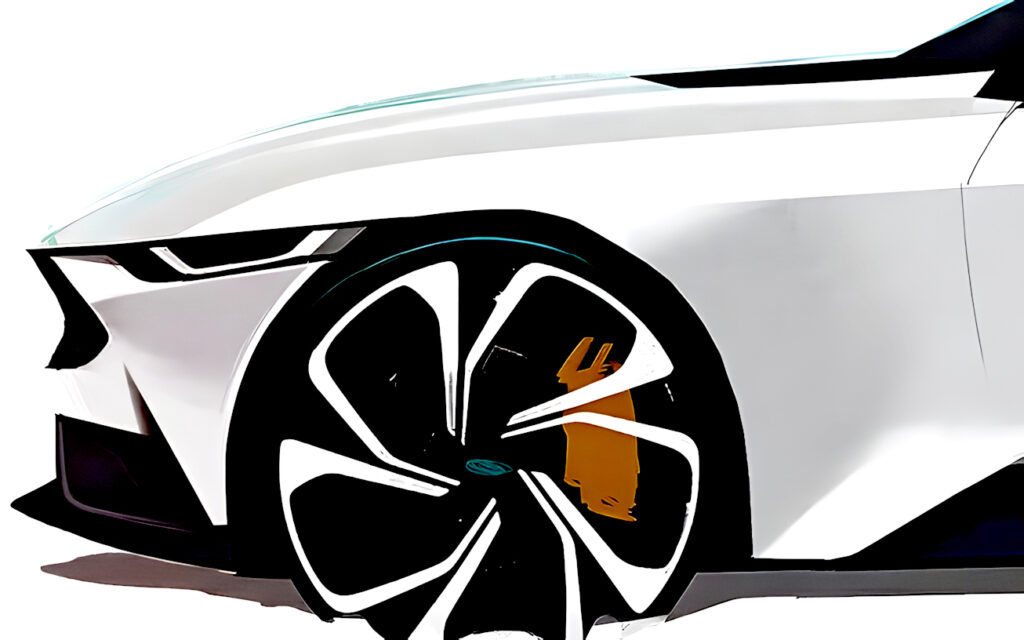
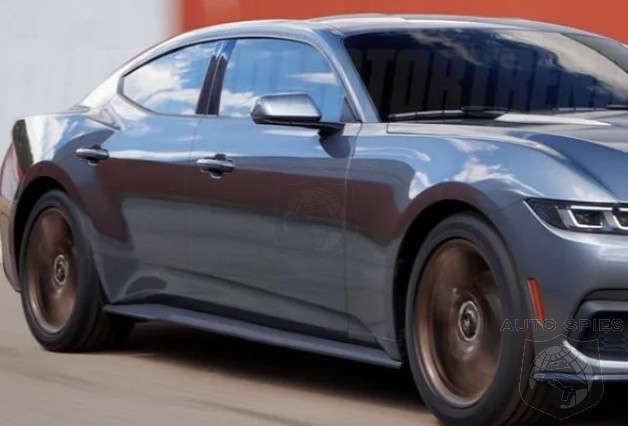
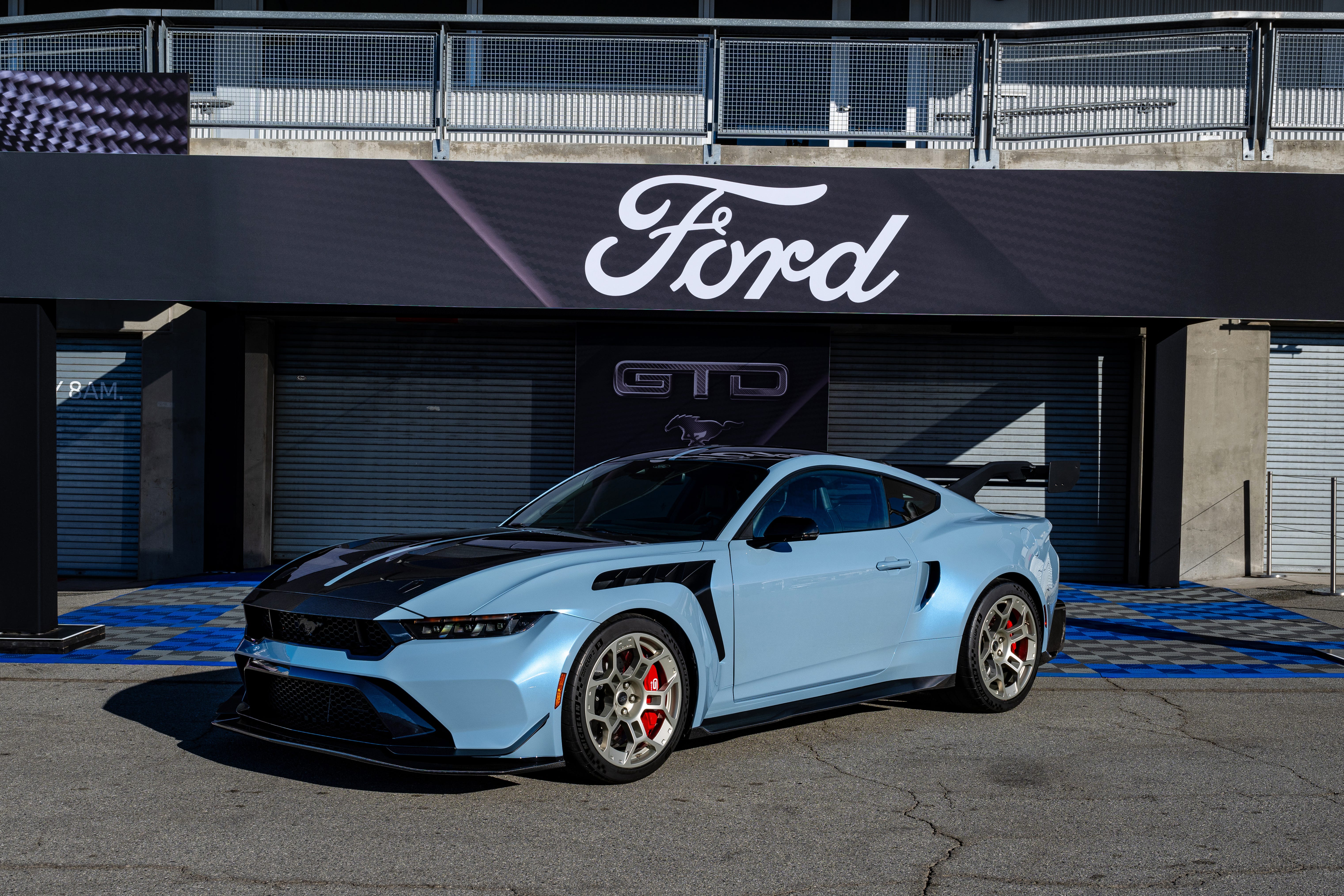
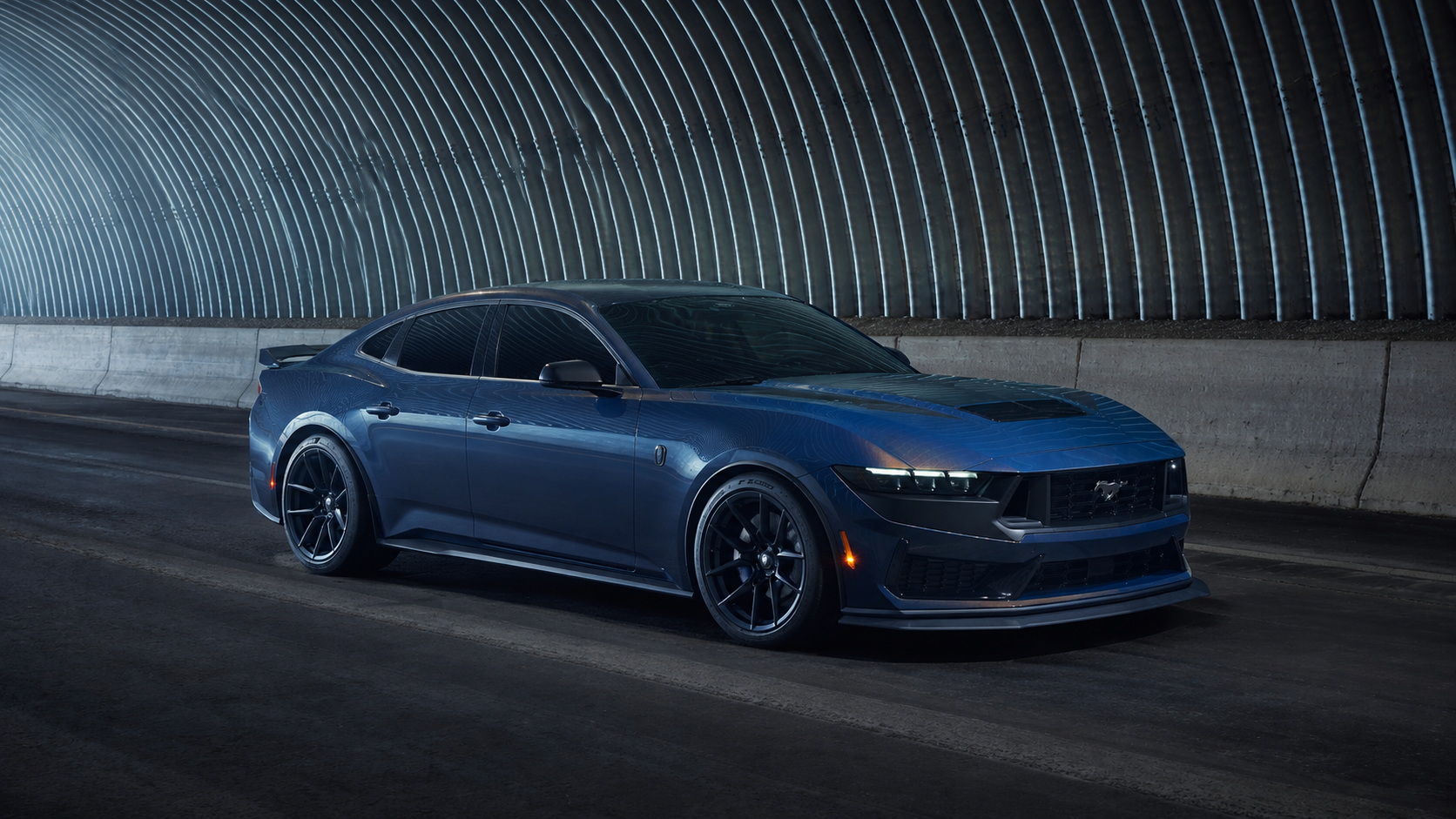
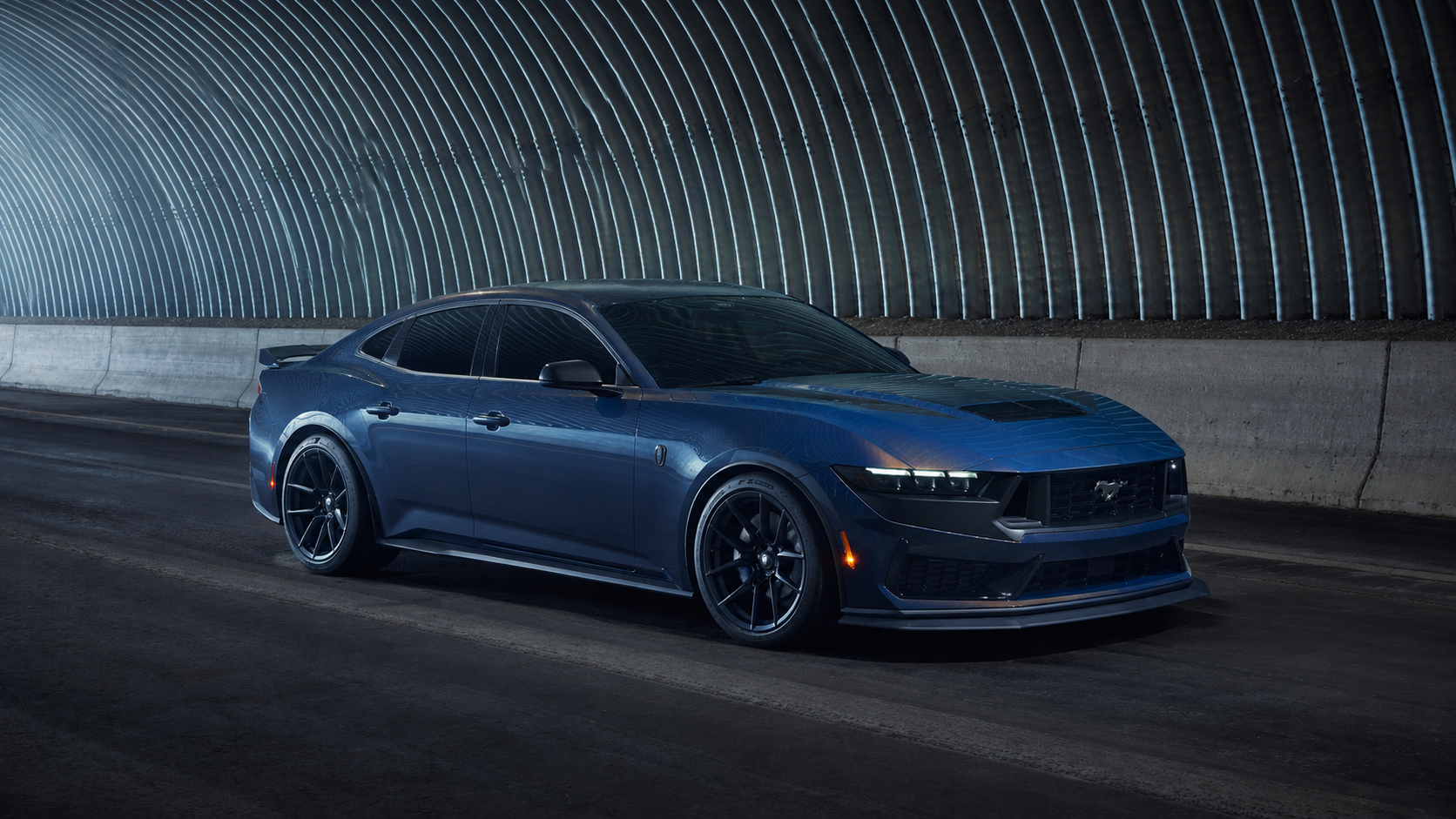
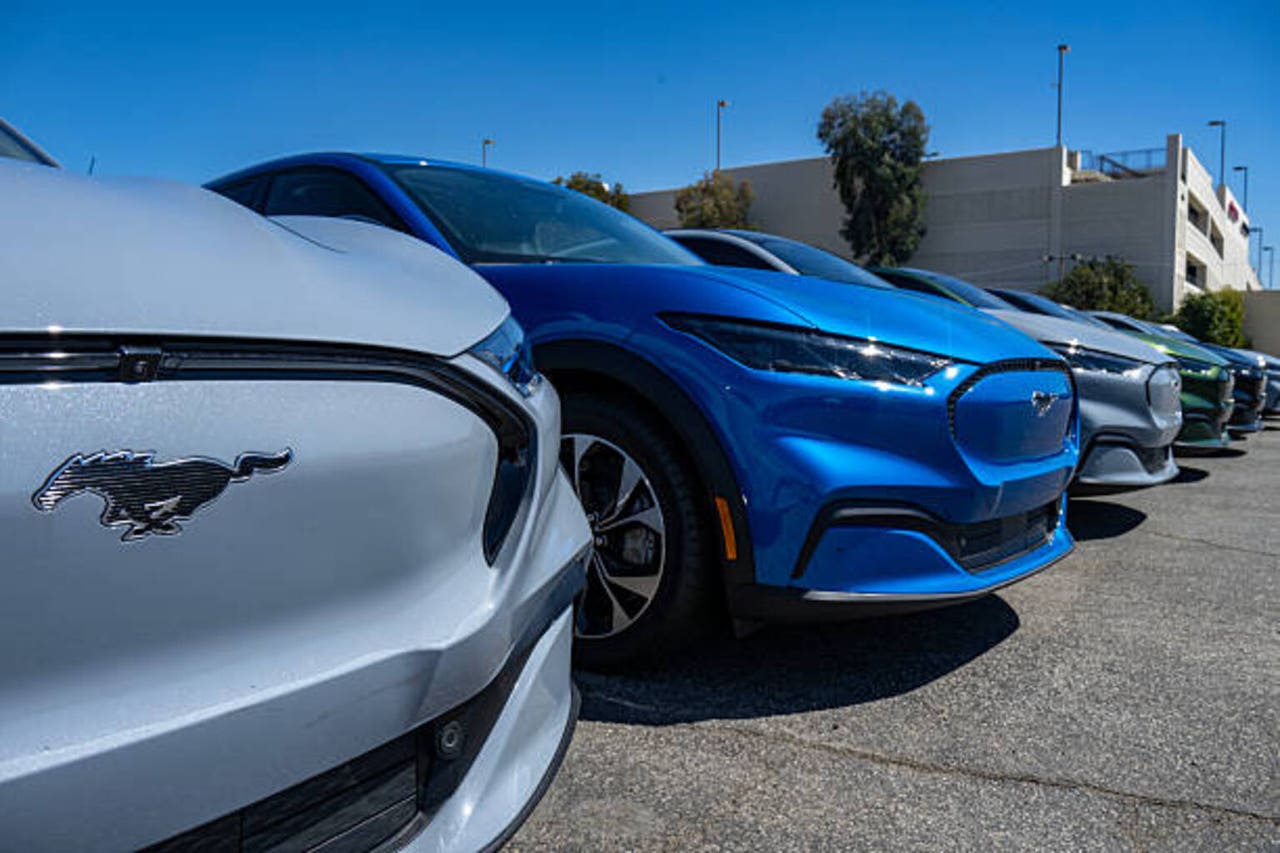
Ford's announcement of a $25,000 hybrid utility vehicle and sub-$40,000 4-door Mustang sedan (revealed August 2026) represents a critical inflection point for e-commerce sellers targeting the automotive aftermarket and lifestyle segments. This strategic pivot toward affordable electrification directly impacts three high-margin seller categories: hybrid-specific accessories (battery management systems, charging solutions), performance parts (suspension, exhaust, tuning modules), and lifestyle merchandise (branded apparel, collectibles, digital content). The news signals Ford's response to surging hybrid sales across the industry and the affordability crisis—two macro trends that translate into massive consumer demand shifts.
Market Opportunity Analysis: Ford's discontinuation of the entry-level Escape and pivot to hybrid-first positioning creates a vacuum in the budget vehicle segment. Industry data shows hybrid vehicle owners spend 35-45% more on aftermarket accessories than traditional ICE vehicle owners, driven by optimization needs (battery efficiency, charging infrastructure) and early-adopter enthusiasm. The $25,000 price point targets middle-market consumers (household income $45-75K) who represent 38% of U.S. vehicle buyers but are historically underserved by premium aftermarket suppliers. This demographic shows high engagement with Amazon, eBay, and Shopify-based sellers offering value-oriented products.
Seller Category Implications: The announcement creates immediate demand spikes in three channels: (1) Hybrid Accessory Sellers can expect 25-40% traffic increases for keywords like "hybrid battery monitor," "EV charging cable," "hybrid fuel efficiency gadgets" starting Q4 2026 when vehicles reach dealerships. CPC costs for these keywords currently range $0.85-$1.40 on Google Ads, with conversion rates of 3.2-4.8% for automotive accessories. (2) Performance Parts Sellers targeting the Mustang segment should prepare inventory for the 4-door sedan launch—historically, new model launches drive 50-70% increases in related parts searches. (3) Lifestyle/Merchandise Sellers can leverage Ford brand affinity; Mustang-branded merchandise generates $120-180M annually in cross-border e-commerce, with collectibles and apparel showing strongest margins (45-65%).
Platform-Specific Opportunities: Amazon's Automotive category (currently $18.2B annually) will see accelerated growth in hybrid-specific subcategories. eBay's Motors vertical shows 12-18% YoY growth in hybrid accessories. Shopify sellers specializing in niche automotive content (YouTube tutorials, digital guides for hybrid optimization) can build email lists of 5,000-15,000 engaged buyers within 6 months, enabling 8-12% repeat purchase rates. TikTok and Instagram present underutilized channels for automotive lifestyle content targeting Gen Z and millennial buyers (ages 25-40) who represent 62% of hybrid vehicle purchasers.
Competitive Intelligence: Chinese automakers' potential U.S. entry (mentioned in the news) will intensify price competition, pushing Ford's affordable positioning harder. This creates urgency for sellers to establish market presence before Chinese EV/hybrid brands capture mindshare. Sellers should monitor competitor inventory on Amazon and eBay for hybrid-related products—current gaps exist in mid-range ($15-50) hybrid optimization tools and educational content.
Questions 8
What e-commerce opportunities does Ford's $25,000 hybrid vehicle create for sellers?
Ford's entry-level hybrid utility vehicle announcement (August 2026) creates immediate opportunities in three high-margin categories: hybrid-specific accessories (battery monitors, charging cables), performance parts (suspension, tuning modules), and lifestyle merchandise (branded apparel, collectibles). Hybrid vehicle owners spend 35-45% more on aftermarket products than traditional vehicle owners, driven by optimization needs and early-adopter enthusiasm. Sellers should prepare inventory for Q4 2026 launch timing and target keywords like 'hybrid battery monitor' and 'EV charging solutions,' which currently show 3.2-4.8% conversion rates on Amazon and eBay. The $25,000 price point targets middle-market consumers (household income $45-75K) who represent 38% of U.S. buyers and show high engagement with value-oriented e-commerce platforms.
How should sellers adjust their product strategy for the new affordable Mustang sedan launch?
The sub-$40,000 4-door Mustang sedan represents a significant market expansion for performance parts sellers. Historically, new model launches drive 50-70% increases in related parts searches and purchases. Sellers should: (1) Expand inventory in suspension, exhaust, and tuning modules targeting the sedan platform; (2) Prepare lifestyle merchandise (apparel, collectibles, digital content) leveraging Mustang brand affinity—the brand generates $120-180M annually in cross-border e-commerce; (3) Launch targeted PPC campaigns on Google Ads and Amazon Sponsored Products 4-6 weeks before official launch; (4) Build content around 'affordable Mustang modifications' and 'budget performance upgrades' to capture search volume from price-conscious buyers. The sedan variant appeals to older demographics (35-55 years) with higher disposable income than coupe buyers, enabling premium pricing strategies for quality parts.