




Arctic Energy Geopolitics Reshape Global Supply Chains | Sellers Face New Sourcing Risks
- Greenland drilling dispute signals Arctic resource competition affecting energy-dependent logistics; sellers shipping via Canada face potential route disruptions and regulatory uncertainty through 2025
)



Overview
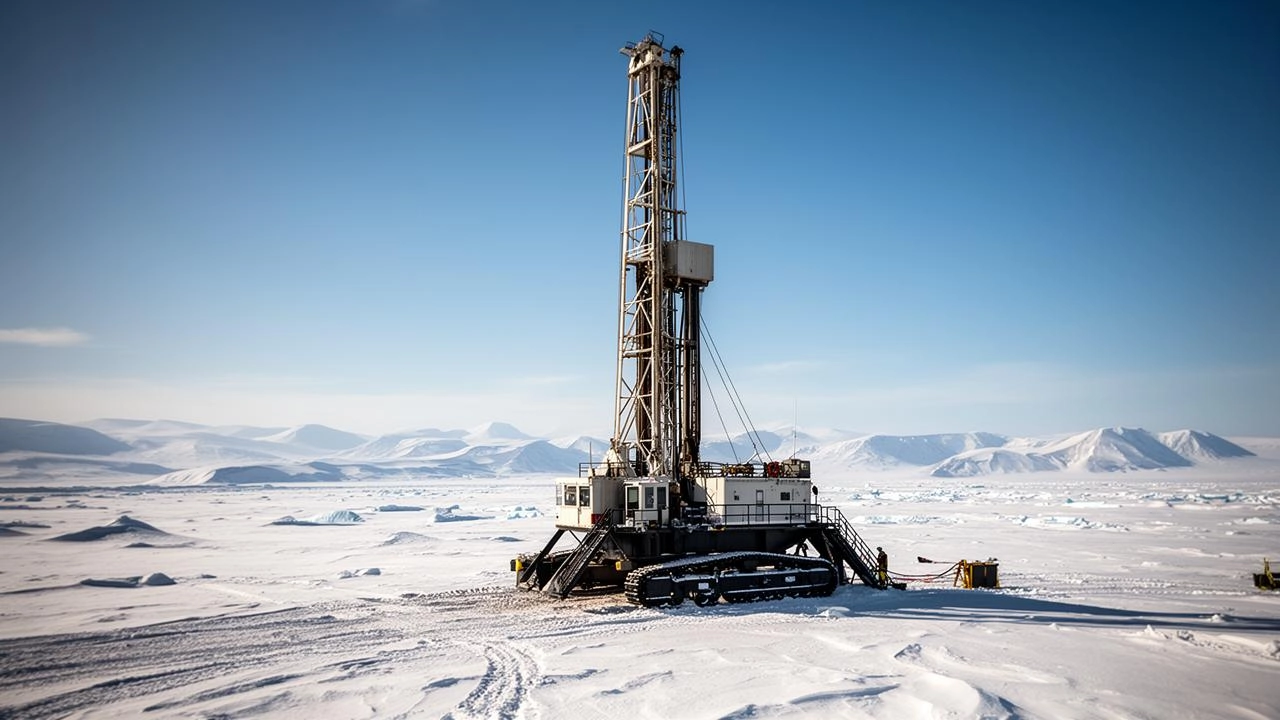
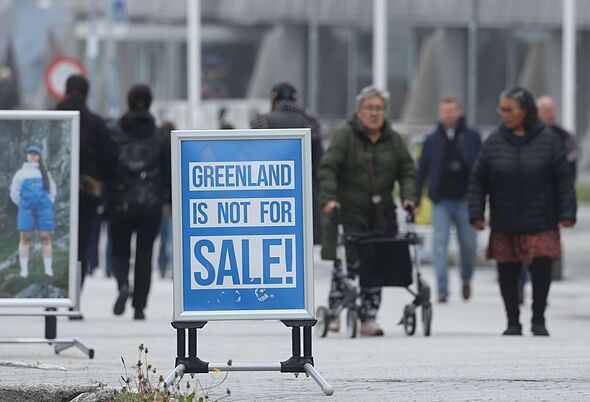
The escalating Greenland Arctic drilling controversy—triggered by Texas-based Greenland Energy's unauthorized equipment deployment in September 2025—reveals critical supply chain vulnerabilities for cross-border e-commerce sellers. While the news centers on oil exploration, the underlying geopolitical tension between the US, Denmark, and Greenland creates immediate operational risks for sellers relying on Canadian and Arctic logistics corridors.
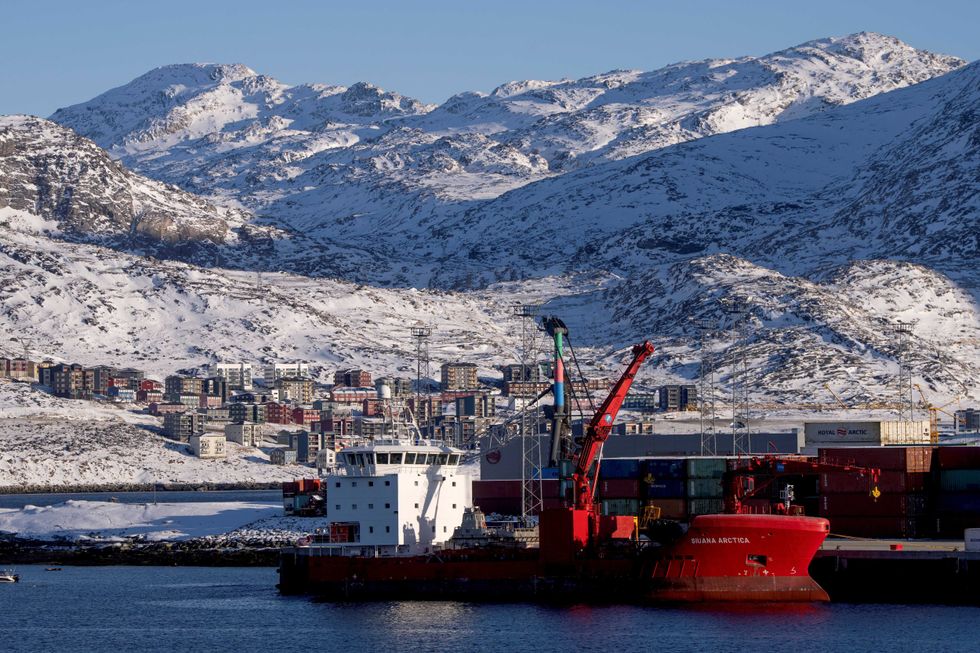
Direct Supply Chain Impact: Greenland Energy's plan to ship 300 containers of drilling equipment from Canada (departing September 12, with October drilling start) signals increased regulatory scrutiny of Arctic shipping routes. For e-commerce sellers, this means potential delays in Canadian-origin shipments, increased customs inspections, and possible route rerouting. Sellers shipping electronics, machinery, and industrial equipment through Canadian ports to Greenland, Denmark, or Northern Europe may face 5-15 day delays as authorities implement stricter approval protocols for all logistical operations—mirroring the mineral resources authority's new requirements.
Geopolitical Risk to Sourcing: The $1 trillion crude oil reserve claim and Trump administration involvement signal potential energy cost volatility. Sellers dependent on energy-intensive manufacturing (plastics, chemicals, textiles) sourced from Denmark, Germany, or Nordic countries face 8-12% cost increases if Arctic energy development stalls or becomes politically restricted. The Ramsar Convention wetland protection concern could trigger environmental compliance requirements affecting industrial product certifications.
Market Access Shifts: Greenland's 2021 moratorium on new oil licenses—now challenged by Greenland Energy—indicates tightening environmental regulations. Sellers marketing eco-certified or sustainable products gain competitive advantage in Nordic markets, where Danish Prime Minister Mette Frederiksen's sovereignty stance reflects strong environmental constituencies. Conversely, sellers of traditional energy equipment or non-compliant industrial goods face market access restrictions in EU/Nordic territories.
Logistics Corridor Uncertainty: The 300-container shipment departure from Canada highlights Arctic shipping's growing importance. Sellers using Canadian 3PL providers for US-to-Europe routes should diversify to alternative corridors (US East Coast ports, Mexican gateways) to avoid potential Arctic route disruptions lasting 3-12 months during the political resolution period.
Competitive Advantage: Small-to-medium sellers (SMBs) with flexible sourcing can pivot to non-Arctic supply chains faster than large enterprises locked into long-term contracts. Sellers already diversified across Vietnam, India, and Mexico gain 20-30% cost advantage over Arctic-dependent competitors during this uncertainty window.
Questions 7
How does the Greenland drilling dispute affect e-commerce sellers shipping through Canadian ports?
The September 2025 equipment deployment and regulatory uncertainty create 5-15 day delays for sellers using Canadian 3PL providers. Greenland's mineral resources authority now requires pre-approval for all logistical operations, meaning sellers shipping electronics, machinery, or industrial goods through Canadian gateways face stricter customs inspections and potential route rerouting. Sellers should immediately contact their Canadian logistics partners to confirm shipping timelines and consider diversifying to US East Coast ports (New York, Charleston) or Mexican gateways (Veracruz, Manzanillo) to avoid Arctic corridor disruptions lasting through Q4 2025.
How does this geopolitical situation create competitive advantages for SMB sellers?
Small-to-medium sellers (SMBs) with diversified sourcing across Vietnam, India, and Mexico gain 20-30% cost advantage over large enterprises locked into long-term Nordic contracts during this 3-12 month uncertainty window. SMBs can pivot supply chains faster—typically 4-6 weeks versus 3-4 months for large corporations. Sellers already operating in multiple sourcing regions can immediately shift production to lower-cost, non-Arctic suppliers and capture market share from competitors facing cost increases. This represents a 6-month window before large competitors complete their diversification strategies.