


)


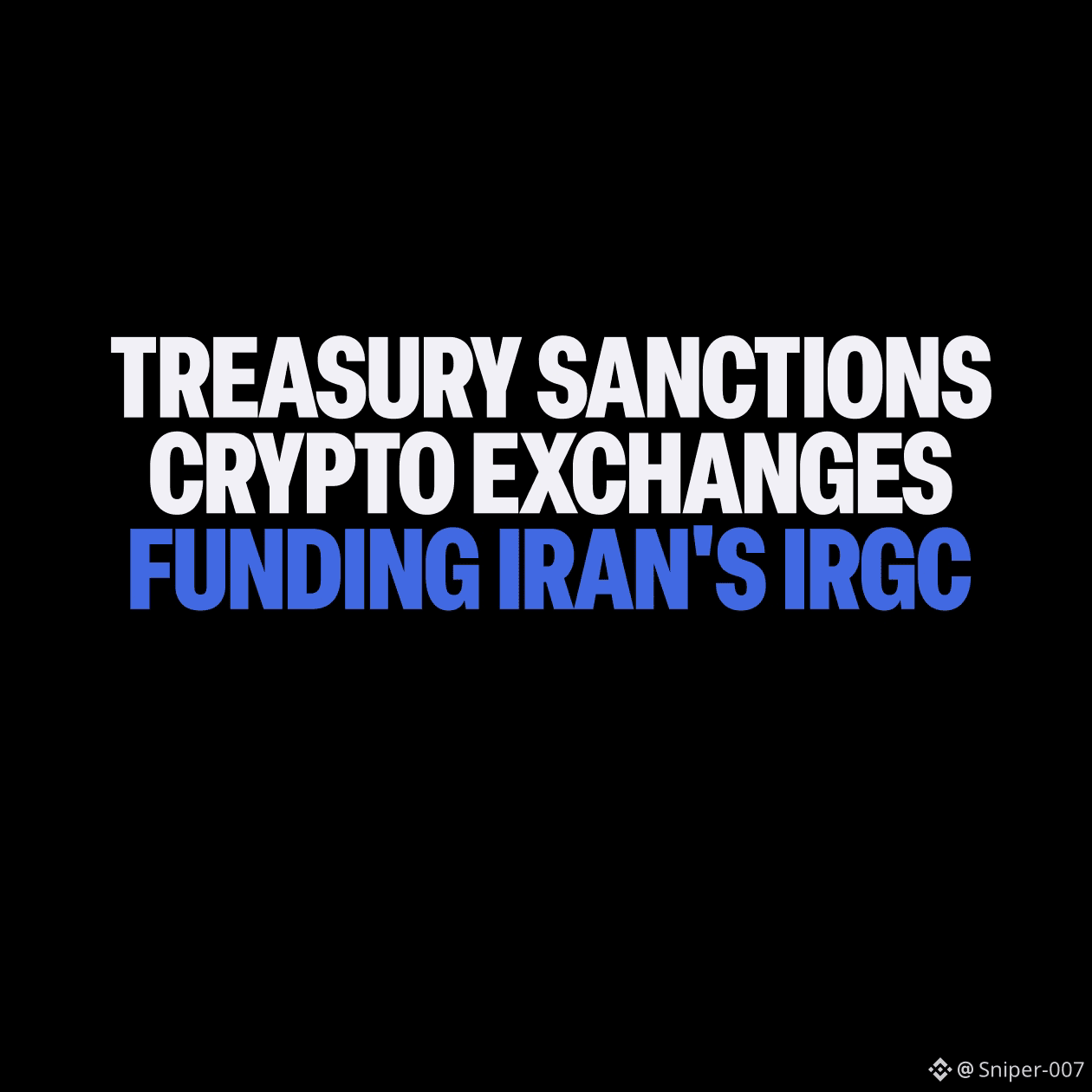
The United States Treasury Department executed its eighth consecutive round of Iran sanctions on August 7-8, 2026, targeting Shelbit (Dubai crypto exchange), Nobitex (Iran's largest crypto platform), and multiple financial intermediaries across Dubai, Hong Kong, and Singapore. The coordinated enforcement action, following a Reuters investigation identifying a $4 billion sanctions evasion network, signals an unprecedented tightening of anti-money laundering (AML) and counter-terrorism financing (CTF) compliance requirements for cross-border e-commerce sellers.
Critical for sellers: This enforcement wave directly impacts payment processing, currency conversion, and cross-border transaction routing. The Treasury Department designated Shahr Bank, Titan Exchange, and Alps International—entities that historically facilitated high-volume international payments for exporters and merchants. Dubai's Virtual Assets Regulatory Authority (VARA) issued compliance notices on July 24 citing violations of AML/CTF regulations, explicitly noting that cross-border transaction patterns "threatened UAE financial system integrity." This regulatory escalation means payment processors, fintech platforms, and 3PL providers serving cross-border sellers will face heightened scrutiny of transaction flows, customer due diligence (CDD), and beneficial ownership verification.
Operational impact for sellers: Sellers using alternative payment corridors (particularly those routing through Dubai, Hong Kong, or Singapore intermediaries) face increased transaction delays, higher compliance documentation requirements, and potential account freezes if flagged for high-risk jurisdictions. The sanctions specifically targeted currency conversion networks coordinating with Russia's VTB Bank, indicating that sellers with supply chain exposure to sanctioned jurisdictions or using non-traditional payment rails risk compliance violations. The investigation revealed that Shelbit processed "tens of millions of dollars" from bitcoin mining operations and illegal gambling networks—categories that payment processors now view as high-risk, potentially affecting legitimate sellers in cryptocurrency-adjacent categories (mining hardware, gaming merchandise) or those accepting crypto payments.
Market access implications: The enforcement action demonstrates the Trump administration's commitment to "disconnect facilitators from the U.S. financial system" (per Treasury Secretary Scott Bessent). This creates a cascading compliance burden: payment processors will implement stricter transaction monitoring, requiring sellers to provide enhanced documentation of fund sources, business legitimacy, and end-use verification. Sellers with complex supply chains, multiple payment methods, or cross-border fund transfers face 3-6 week delays in payment settlement as processors conduct enhanced due diligence. The sanctions also targeted shell companies across Hong Kong and Singapore, signaling that sellers using corporate structures in these jurisdictions for tax optimization or payment routing may face increased scrutiny.
Industry experience with similar enforcement actions suggests 3-6 week payment settlement delays as processors conduct enhanced due diligence. The Treasury Department's designation of multiple financial intermediaries (Shahr Bank, Titan Exchange, Alps International) means processors must verify that transactions don't involve sanctioned entities—a time-consuming manual review process. Sellers routing payments through Dubai, Hong Kong, or Singapore intermediaries face the longest delays, as processors must trace fund flows through designated high-risk jurisdictions. The VARA compliance notice issued July 24 indicates that UAE regulators are actively monitoring cross-border transactions, so processors may implement additional verification steps for UAE-routed payments. Recommendation: Maintain 4-6 weeks of operating capital reserves to cover payment settlement delays, and consider consolidating to direct payment processing from major US/EU providers to minimize routing complexity and reduce verification timelines.
The August 2026 sanctions targeting Shelbit, Titan Exchange, and Alps International directly impact payment processors' risk tolerance for cross-border transactions. Payment providers now implement enhanced due diligence (EDD) on all international transfers, particularly those routed through Dubai, Hong Kong, or Singapore intermediaries. Sellers may experience 3-6 week payment settlement delays, increased documentation requests (proof of business legitimacy, fund source verification, beneficial ownership disclosure), and potential account restrictions if flagged for high-risk jurisdictions. The Treasury Department's designation of shell companies across these financial hubs means sellers using corporate structures in these regions for payment optimization face heightened scrutiny. Immediate action: Review your payment processor's sanctions compliance policy and provide updated beneficial ownership documentation within 30 days.
Cryptocurrency payments and mining hardware sales are not prohibited, but they face heightened compliance scrutiny. The investigation identified 'tens of millions of dollars' from suspected Iranian bitcoin mining operations flowing through Shelbit, causing payment processors to view crypto-adjacent transactions as elevated-risk. Sellers accepting cryptocurrency payments or selling mining hardware should expect: (1) Enhanced transaction monitoring—processors will flag crypto-related transactions for manual review; (2) Increased documentation requirements—proof that customers are legitimate businesses, not sanctioned entities; (3) Potential payment delays—crypto transactions may take 4-8 weeks to settle; (4) Account restrictions—some processors may limit crypto payment volumes or require pre-approval. The sanctions did not target legitimate mining hardware manufacturers or crypto payment processors, but the enforcement action signals that these categories face elevated compliance costs. Sellers should maintain detailed customer due diligence records and be prepared to demonstrate that their crypto-related business activities are legitimate and compliant with sanctions regulations.
If your account is flagged, the processor will typically issue a compliance notice requesting enhanced documentation within 10-30 days. Failure to respond may result in account suspension or termination. The process typically involves: (1) Initial notice—processor requests beneficial ownership, business documentation, and transaction history; (2) Review period—processor conducts enhanced due diligence (3-6 weeks); (3) Resolution—account is either cleared, placed under enhanced monitoring, or terminated. During the review period, your account may be restricted, limiting payment processing or settlement. The Treasury Department's enforcement action indicates that processors are implementing stricter compliance standards, so even legitimate sellers may face account reviews if their transaction patterns appear unusual. Recommendation: Proactively provide comprehensive documentation to your payment processor within 30 days, maintain detailed transaction records, and avoid high-risk payment corridors (Dubai, Hong Kong, Singapore intermediaries). If your account is flagged, respond immediately with complete documentation and consider engaging a compliance consultant to accelerate the review process.

Major payment processors like Wise, Stripe, and PayPal implement OFAC sanctions screening and AML compliance protocols aligned with Treasury Department enforcement actions. Following the August 2026 sanctions, these platforms have tightened transaction monitoring and enhanced due diligence requirements. Sellers should expect: (1) Increased transaction holds—payments may be held for 5-10 business days pending compliance review; (2) Enhanced documentation requests—processors will request beneficial ownership, business legitimacy, and fund source verification; (3) Geographic restrictions—transactions routed through high-risk jurisdictions (Dubai, Hong Kong, Singapore) may be declined or delayed; (4) Crypto payment restrictions—some processors may limit or prohibit cryptocurrency-related transactions. Wise and Stripe have publicly committed to sanctions compliance, so they will implement stricter monitoring following Treasury enforcement actions. Sellers should review their processor's sanctions compliance policy, provide updated documentation proactively, and avoid high-risk payment corridors. If your account is flagged, respond immediately with comprehensive documentation to avoid account suspension.
The Reuters investigation identified Shelbit as the central hub of a $4 billion network facilitating illegal currency conversions, cryptocurrency transfers, and payment routing for sanctioned Iranian entities. The network processed 'tens of millions of dollars' from bitcoin mining operations and illegal gambling networks. For sellers, this matters because payment processors now view cryptocurrency-adjacent transactions and high-volume currency conversions as elevated-risk activities. If your business involves accepting crypto payments, selling mining hardware, or processing large international fund transfers, your payment processor may flag your account for enhanced compliance review. The investigation's focus on 'cross-border transaction patterns threatening UAE financial system integrity' signals that processors will scrutinize transaction velocity, geographic routing, and fund destination. Sellers should expect stricter transaction monitoring and may need to provide detailed business documentation to maintain payment processing access.
The sanctions specifically targeted financial intermediaries in Dubai (Shelbit, Titan Exchange, Alps International), Hong Kong, and Singapore, plus coordination with Russia's VTB Bank. This means payment flows through these jurisdictions face heightened scrutiny. Sellers with supply chain exposure to these regions, those using corporate structures in Hong Kong/Singapore for tax optimization, or those routing payments through Dubai intermediaries should expect increased compliance friction. The Treasury Department's focus on 'shell companies' indicates that sellers using complex corporate structures for payment routing will face beneficial ownership verification requirements. Additionally, the sanctions targeted currency conversion networks, so sellers conducting frequent international fund transfers or using non-traditional payment rails face longer settlement times. Recommendation: Consolidate payment processing through major US/EU-regulated providers and avoid routing transactions through designated high-risk jurisdictions.
Following the sanctions enforcement, payment processors implement enhanced due diligence (EDD) requiring: (1) Beneficial ownership verification—identify all individuals owning 25%+ of your business; (2) Business legitimacy documentation—articles of incorporation, business licenses, tax returns; (3) Fund source verification—bank statements, invoices, proof of legitimate business income; (4) Transaction purpose disclosure—detailed explanation of international transfers, payment routing, and fund destinations; (5) Sanctions compliance certification—attestation that you have no connections to sanctioned jurisdictions or entities. The VARA compliance notice specifically cited 'cross-border transaction patterns,' so processors will request detailed transaction histories showing legitimate business activity. Sellers should prepare comprehensive documentation packages within 30 days and proactively submit to payment processors to avoid account restrictions. Failure to provide documentation may result in account suspension or termination.
Industry experience with similar enforcement actions suggests 3-6 week payment settlement delays as processors conduct enhanced due diligence. The Treasury Department's designation of multiple financial intermediaries (Shahr Bank, Titan Exchange, Alps International) means processors must verify that transactions don't involve sanctioned entities—a time-consuming manual review process. Sellers routing payments through Dubai, Hong Kong, or Singapore intermediaries face the longest delays, as processors must trace fund flows through designated high-risk jurisdictions. The VARA compliance notice issued July 24 indicates that UAE regulators are actively monitoring cross-border transactions, so processors may implement additional verification steps for UAE-routed payments. Recommendation: Maintain 4-6 weeks of operating capital reserves to cover payment settlement delays, and consider consolidating to direct payment processing from major US/EU providers to minimize routing complexity and reduce verification timelines.
The August 2026 sanctions targeting Shelbit, Titan Exchange, and Alps International directly impact payment processors' risk tolerance for cross-border transactions. Payment providers now implement enhanced due diligence (EDD) on all international transfers, particularly those routed through Dubai, Hong Kong, or Singapore intermediaries. Sellers may experience 3-6 week payment settlement delays, increased documentation requests (proof of business legitimacy, fund source verification, beneficial ownership disclosure), and potential account restrictions if flagged for high-risk jurisdictions. The Treasury Department's designation of shell companies across these financial hubs means sellers using corporate structures in these regions for payment optimization face heightened scrutiny. Immediate action: Review your payment processor's sanctions compliance policy and provide updated beneficial ownership documentation within 30 days.
Cryptocurrency payments and mining hardware sales are not prohibited, but they face heightened compliance scrutiny. The investigation identified 'tens of millions of dollars' from suspected Iranian bitcoin mining operations flowing through Shelbit, causing payment processors to view crypto-adjacent transactions as elevated-risk. Sellers accepting cryptocurrency payments or selling mining hardware should expect: (1) Enhanced transaction monitoring—processors will flag crypto-related transactions for manual review; (2) Increased documentation requirements—proof that customers are legitimate businesses, not sanctioned entities; (3) Potential payment delays—crypto transactions may take 4-8 weeks to settle; (4) Account restrictions—some processors may limit crypto payment volumes or require pre-approval. The sanctions did not target legitimate mining hardware manufacturers or crypto payment processors, but the enforcement action signals that these categories face elevated compliance costs. Sellers should maintain detailed customer due diligence records and be prepared to demonstrate that their crypto-related business activities are legitimate and compliant with sanctions regulations.
If your account is flagged, the processor will typically issue a compliance notice requesting enhanced documentation within 10-30 days. Failure to respond may result in account suspension or termination. The process typically involves: (1) Initial notice—processor requests beneficial ownership, business documentation, and transaction history; (2) Review period—processor conducts enhanced due diligence (3-6 weeks); (3) Resolution—account is either cleared, placed under enhanced monitoring, or terminated. During the review period, your account may be restricted, limiting payment processing or settlement. The Treasury Department's enforcement action indicates that processors are implementing stricter compliance standards, so even legitimate sellers may face account reviews if their transaction patterns appear unusual. Recommendation: Proactively provide comprehensive documentation to your payment processor within 30 days, maintain detailed transaction records, and avoid high-risk payment corridors (Dubai, Hong Kong, Singapore intermediaries). If your account is flagged, respond immediately with complete documentation and consider engaging a compliance consultant to accelerate the review process.
Major payment processors like Wise, Stripe, and PayPal implement OFAC sanctions screening and AML compliance protocols aligned with Treasury Department enforcement actions. Following the August 2026 sanctions, these platforms have tightened transaction monitoring and enhanced due diligence requirements. Sellers should expect: (1) Increased transaction holds—payments may be held for 5-10 business days pending compliance review; (2) Enhanced documentation requests—processors will request beneficial ownership, business legitimacy, and fund source verification; (3) Geographic restrictions—transactions routed through high-risk jurisdictions (Dubai, Hong Kong, Singapore) may be declined or delayed; (4) Crypto payment restrictions—some processors may limit or prohibit cryptocurrency-related transactions. Wise and Stripe have publicly committed to sanctions compliance, so they will implement stricter monitoring following Treasury enforcement actions. Sellers should review their processor's sanctions compliance policy, provide updated documentation proactively, and avoid high-risk payment corridors. If your account is flagged, respond immediately with comprehensive documentation to avoid account suspension.
The Reuters investigation identified Shelbit as the central hub of a $4 billion network facilitating illegal currency conversions, cryptocurrency transfers, and payment routing for sanctioned Iranian entities. The network processed 'tens of millions of dollars' from bitcoin mining operations and illegal gambling networks. For sellers, this matters because payment processors now view cryptocurrency-adjacent transactions and high-volume currency conversions as elevated-risk activities. If your business involves accepting crypto payments, selling mining hardware, or processing large international fund transfers, your payment processor may flag your account for enhanced compliance review. The investigation's focus on 'cross-border transaction patterns threatening UAE financial system integrity' signals that processors will scrutinize transaction velocity, geographic routing, and fund destination. Sellers should expect stricter transaction monitoring and may need to provide detailed business documentation to maintain payment processing access.
The sanctions specifically targeted financial intermediaries in Dubai (Shelbit, Titan Exchange, Alps International), Hong Kong, and Singapore, plus coordination with Russia's VTB Bank. This means payment flows through these jurisdictions face heightened scrutiny. Sellers with supply chain exposure to these regions, those using corporate structures in Hong Kong/Singapore for tax optimization, or those routing payments through Dubai intermediaries should expect increased compliance friction. The Treasury Department's focus on 'shell companies' indicates that sellers using complex corporate structures for payment routing will face beneficial ownership verification requirements. Additionally, the sanctions targeted currency conversion networks, so sellers conducting frequent international fund transfers or using non-traditional payment rails face longer settlement times. Recommendation: Consolidate payment processing through major US/EU-regulated providers and avoid routing transactions through designated high-risk jurisdictions.
Following the sanctions enforcement, payment processors implement enhanced due diligence (EDD) requiring: (1) Beneficial ownership verification—identify all individuals owning 25%+ of your business; (2) Business legitimacy documentation—articles of incorporation, business licenses, tax returns; (3) Fund source verification—bank statements, invoices, proof of legitimate business income; (4) Transaction purpose disclosure—detailed explanation of international transfers, payment routing, and fund destinations; (5) Sanctions compliance certification—attestation that you have no connections to sanctioned jurisdictions or entities. The VARA compliance notice specifically cited 'cross-border transaction patterns,' so processors will request detailed transaction histories showing legitimate business activity. Sellers should prepare comprehensive documentation packages within 30 days and proactively submit to payment processors to avoid account restrictions. Failure to provide documentation may result in account suspension or termination.
Industry experience with similar enforcement actions suggests 3-6 week payment settlement delays as processors conduct enhanced due diligence. The Treasury Department's designation of multiple financial intermediaries (Shahr Bank, Titan Exchange, Alps International) means processors must verify that transactions don't involve sanctioned entities—a time-consuming manual review process. Sellers routing payments through Dubai, Hong Kong, or Singapore intermediaries face the longest delays, as processors must trace fund flows through designated high-risk jurisdictions. The VARA compliance notice issued July 24 indicates that UAE regulators are actively monitoring cross-border transactions, so processors may implement additional verification steps for UAE-routed payments. Recommendation: Maintain 4-6 weeks of operating capital reserves to cover payment settlement delays, and consider consolidating to direct payment processing from major US/EU providers to minimize routing complexity and reduce verification timelines.
The August 2026 sanctions targeting Shelbit, Titan Exchange, and Alps International directly impact payment processors' risk tolerance for cross-border transactions. Payment providers now implement enhanced due diligence (EDD) on all international transfers, particularly those routed through Dubai, Hong Kong, or Singapore intermediaries. Sellers may experience 3-6 week payment settlement delays, increased documentation requests (proof of business legitimacy, fund source verification, beneficial ownership disclosure), and potential account restrictions if flagged for high-risk jurisdictions. The Treasury Department's designation of shell companies across these financial hubs means sellers using corporate structures in these regions for payment optimization face heightened scrutiny. Immediate action: Review your payment processor's sanctions compliance policy and provide updated beneficial ownership documentation within 30 days.