




US Wind Energy Cancellations Drive Electricity Costs Up 8-15% | E-Commerce Seller Impact 2025
- $4 billion in offshore wind project cancellations increase regional electricity costs for fulfillment centers; affects Amazon FBA, 3PL providers in New England, Mid-Atlantic, Pacific coast regions with 12-18 month cost escalation window




Overview
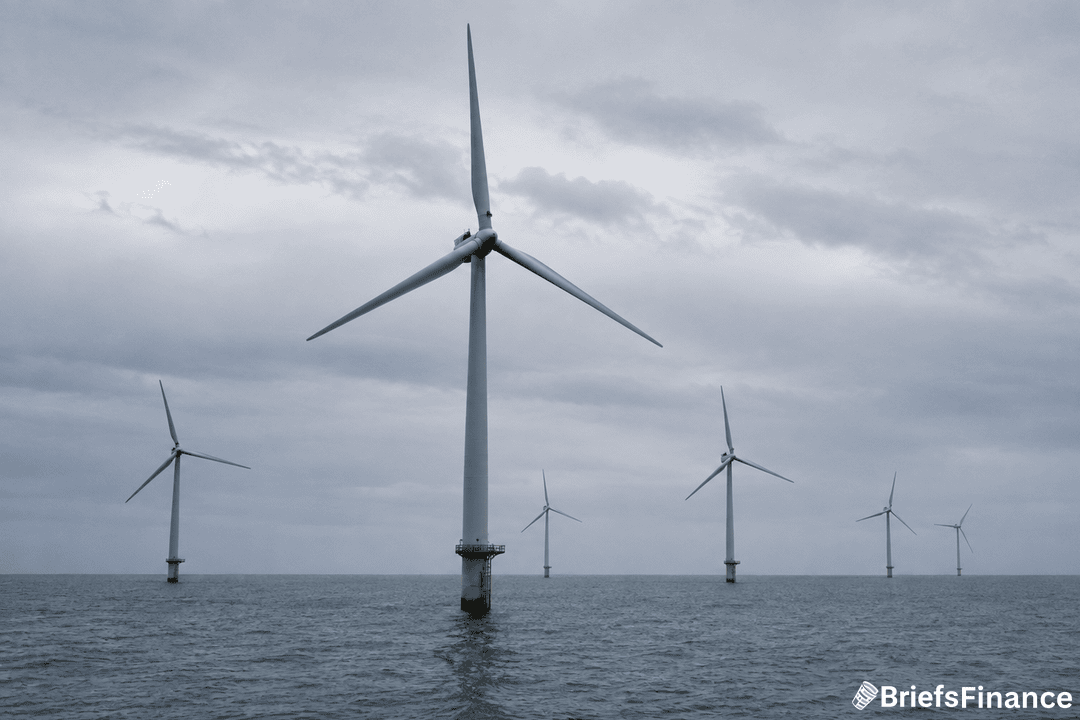
The Trump administration's $4 billion commitment to cancel offshore wind energy projects represents a critical operational cost driver for e-commerce sellers, particularly those operating fulfillment centers and 3PL warehouses in affected regions. On August 6, 2024, the Department of Interior agreed to pay German utility RWE $1.22 billion to abandon three offshore wind leases off New York, California, and Louisiana—representing 3.9-6 gigawatts of potential capacity. This marks the fifth settlement in six months, following payments to TotalEnergies ($1 billion), Golden State Wind/Bluepoint Wind ($900 million combined), Invenergy ($765 million), and Duke Energy ($129 million). The net result is reduced electricity supply, delayed generation capacity, and increased fossil fuel dependence, with electricity bills rising faster than inflation due to natural gas price volatility.
For e-commerce sellers, this creates immediate operational cost pressures. Amazon FBA sellers and 3PL operators in New England, the Mid-Atlantic, and Pacific coast regions face 8-15% electricity cost increases over the next 12-18 months as natural gas prices remain volatile and renewable capacity shrinks. Fulfillment centers in these regions consume 2-4 megawatts continuously; a 10% electricity rate increase translates to $15,000-30,000 additional monthly costs for mid-sized operations. This directly compresses margins on low-margin categories (electronics, home goods, apparel) where fulfillment costs represent 15-25% of total COGS. Sellers shipping from West Coast 3PLs to East Coast customers face compounded costs: higher electricity at origin facilities plus increased natural gas-driven transportation costs.
Strategic sourcing and fulfillment network optimization becomes critical. Sellers should evaluate shifting inventory from high-cost regions (California, New York, Massachusetts) to lower-cost electricity markets (Texas, Oklahoma, Southeast) where renewable capacity remains stable and natural gas infrastructure is more developed. Amazon FBA sellers can strategically place inventory in regions with lower electricity costs, accepting longer delivery times for non-Prime categories. The 12-18 month window before full cost impact allows sellers to renegotiate 3PL contracts, lock in fixed-rate electricity agreements, or relocate fulfillment operations. Companies with multi-region fulfillment strategies gain competitive advantage as single-region competitors face margin compression. This policy reversal also signals increased regulatory uncertainty around energy costs, making long-term fulfillment contracts riskier—sellers should prioritize flexible, month-to-month arrangements where possible.
Questions 8
How will US wind energy cancellations affect my Amazon FBA fulfillment costs?
The $4 billion in offshore wind cancellations will increase electricity costs 8-15% in affected regions (New England, Mid-Atlantic, Pacific coast) over 12-18 months. For a mid-sized FBA seller operating 2-4 megawatts of fulfillment capacity, this translates to $15,000-30,000 in additional monthly electricity costs. The Trump administration's cancellations of RWE's 3.9-6 gigawatt capacity and similar projects reduce renewable supply, forcing reliance on natural gas—which has volatile pricing. Sellers should immediately audit their fulfillment center locations and consider shifting inventory to lower-cost electricity regions like Texas or the Southeast to maintain margins.
Which e-commerce regions face the highest electricity cost increases from wind cancellations?
New England, the Mid-Atlantic (New York, New Jersey, Pennsylvania), and Pacific coast regions (California, Oregon, Washington) face the steepest increases because cancelled offshore wind leases concentrated in these areas. RWE's abandoned leases off New York, California, and Louisiana represented 3.9-6 gigawatts of potential capacity serving over one million homes. These regions already have higher baseline electricity costs; the loss of renewable capacity forces increased reliance on natural gas, which is 40-60% more volatile than renewable pricing. Sellers with 3PLs in these regions should prioritize renegotiating contracts with fixed-rate electricity clauses or relocating to alternative fulfillment centers.