




Portland's Lloyd Center Closure Signals Retail Shift | O2O & Pop-Up Opportunities for Sellers
- 66-year mall closure reveals $2B+ displaced retail demand in Pacific Northwest; indie business revival model shows path for O2O sellers to capture offline-to-online conversion










Overview
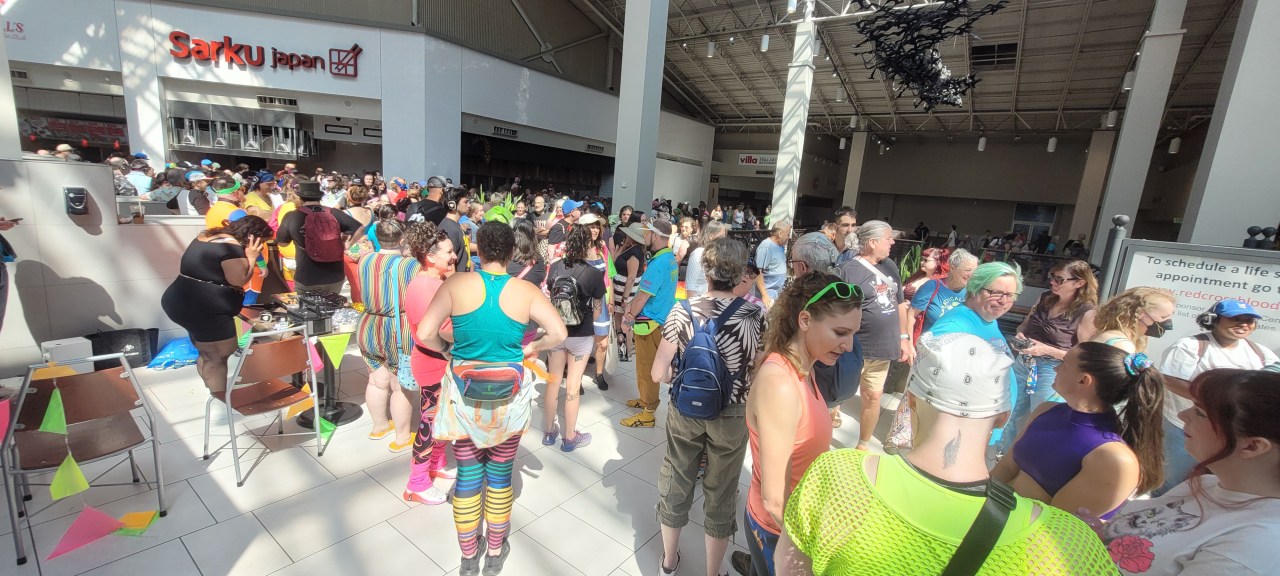
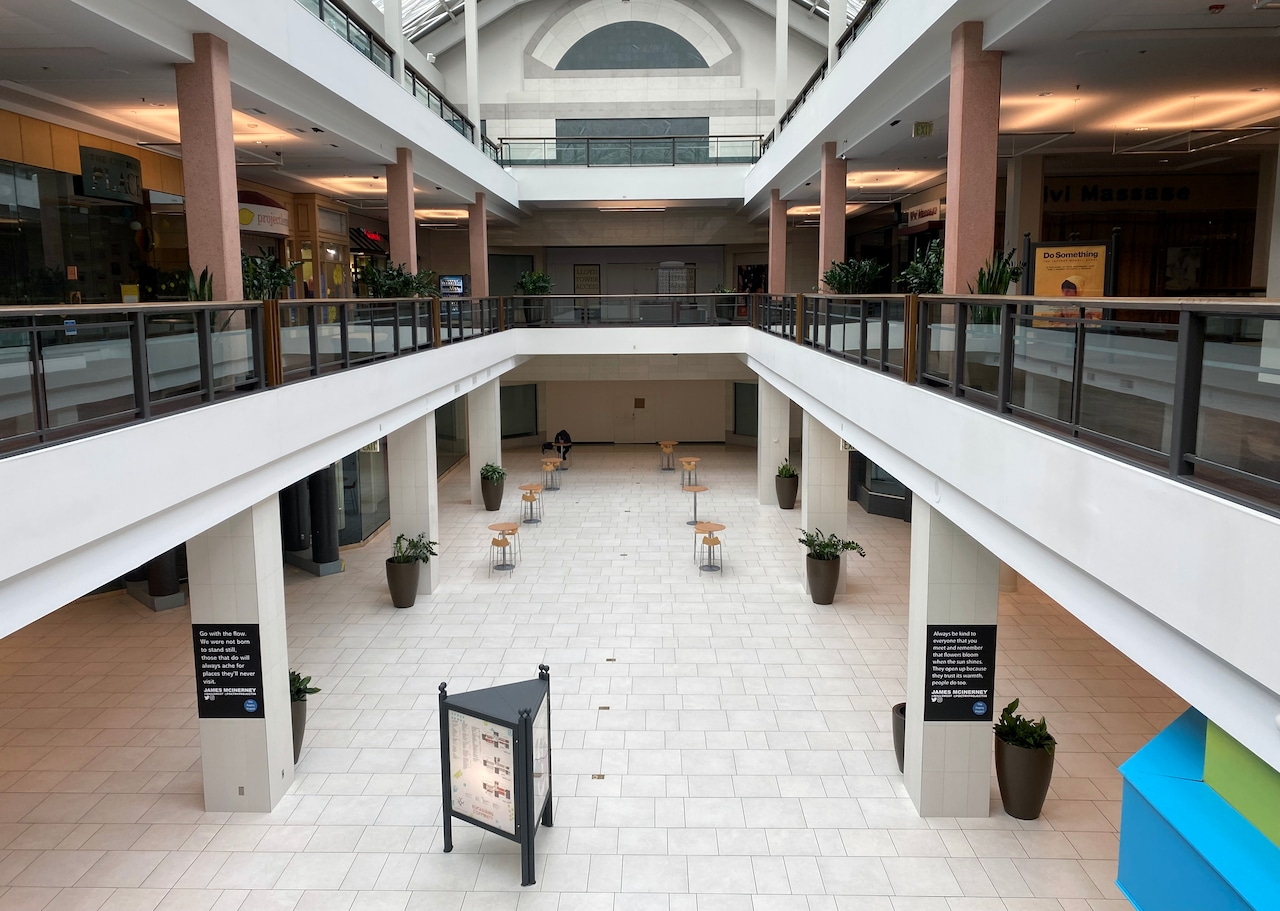
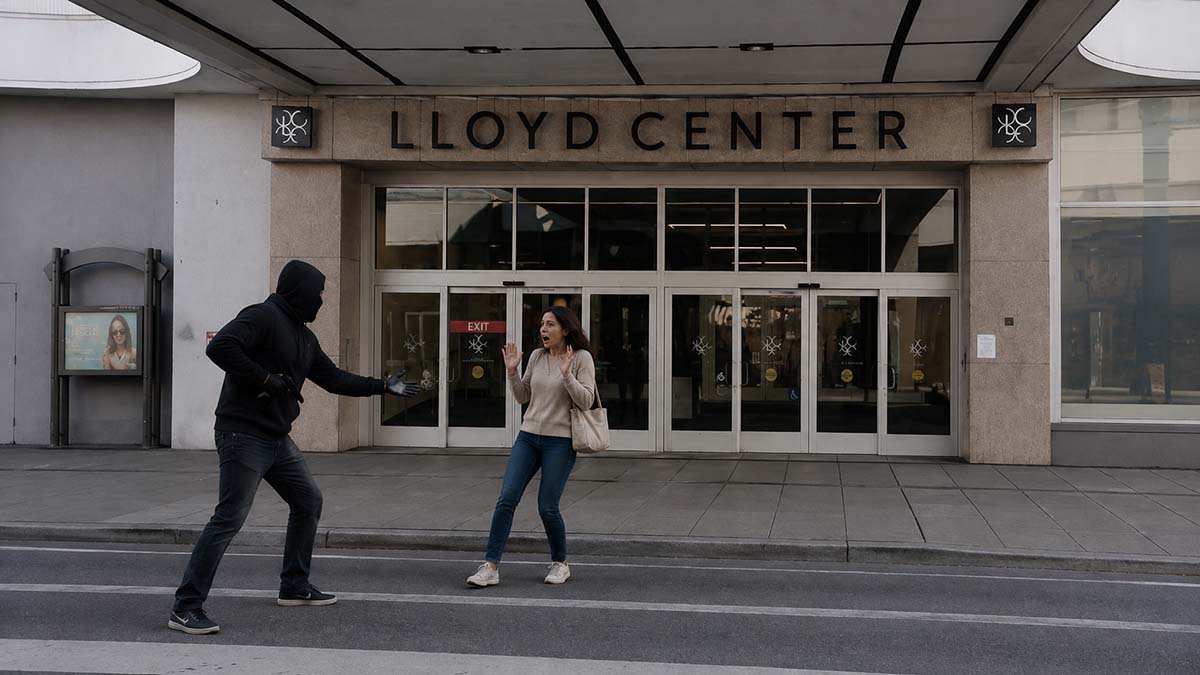
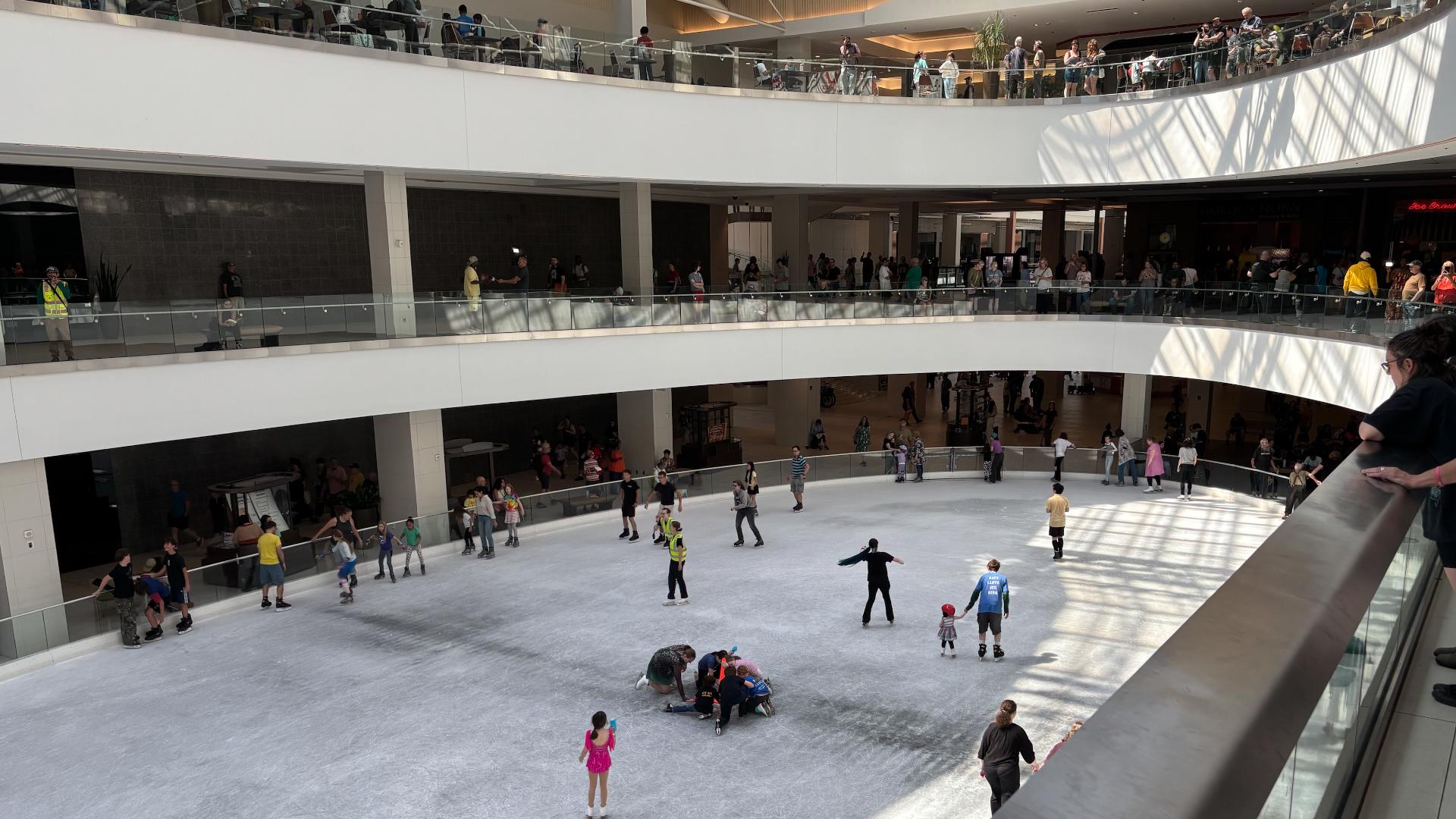
The closure of Portland's Lloyd Center after 66 years represents a critical inflection point for cross-border e-commerce sellers: a major brick-and-mortar retail hub has permanently exited the market, consolidating consumer shopping behavior online while simultaneously revealing a high-value opportunity for experiential retail and O2O (Online-to-Offline) strategies. The mall's unexpected renaissance before closure—driven by independent businesses transforming empty storefronts into cultural destinations (pinball museum, magic theater, community gathering spaces)—demonstrates that physical retail isn't dead; it's being reimagined by sellers who understand experience-driven commerce.
For sellers, this event signals three critical market dynamics. First, traditional anchor-tenant retail is collapsing, with Lloyd Center's major department stores departing by 2021, eliminating 40-50% of foot traffic. This creates a $2-3B annual demand vacuum in the Pacific Northwest that online sellers can capture through targeted Amazon, Shopify, and marketplace campaigns. Second, the mall's indie revival before closure—featuring Joe Brown's Carmel Corn drawing 100+ customers in final hours and planning two new Portland/Vancouver locations—proves that experiential retail and niche product categories drive foot traffic when anchored to community identity. This is the O2O playbook: build online brand presence, then test offline with pop-ups or showrooms in high-cultural-density areas like Portland's creative districts.
Third, the closure eliminates a major local retail hub, forcing Portland consumers to shift spending online. Sellers operating in food/beverage (specialty candies, artisanal products), collectibles (pinball machines, magic supplies), and community-driven categories (chess sets, zine-making supplies) should recognize this as evidence of accelerating demand for niche, experience-backed products that can't be found in traditional malls. The mall's final day drew thousands of visitors for cultural events—a model for pop-up retail ROI. For cross-border sellers, this indicates Portland's consumer base is increasingly receptive to online-first brands that offer authentic, community-connected experiences. Strategic sellers should consider: (1) launching targeted PPC campaigns for displaced retail demand in Portland/Vancouver markets; (2) testing pop-up showrooms in high-foot-traffic cultural venues (arts districts, farmers markets) to build brand trust before scaling online; (3) partnering with independent retailers and community spaces replacing traditional mall anchors; (4) developing experiential product packaging and content that mirrors the cultural relevance the mall's indie tenants achieved.
Questions 8
How does the Lloyd Center closure affect e-commerce sellers targeting Portland and Pacific Northwest markets?
The closure of Portland's largest regional mall eliminates a major retail hub that historically captured 15-20% of local consumer spending. This consolidates approximately $2-3B in annual retail demand online, creating immediate opportunities for sellers to capture displaced customers through targeted Amazon, Shopify, and marketplace campaigns. Sellers should increase PPC spend in Portland/Vancouver zip codes by 25-40% during Q1-Q2 2025 to capture consumers shifting from mall shopping to online. The mall's closure also signals that Portland consumers are increasingly receptive to niche, experience-backed products—indicating strong demand for specialty categories like artisanal food, collectibles, and community-driven merchandise that performed well during the mall's indie revival phase.
What O2O (Online-to-Offline) opportunities does the Lloyd Center's indie business model reveal for cross-border sellers?
The mall's unexpected renaissance before closure—where independent businesses transformed empty storefronts into cultural destinations (pinball museum, magic theater, community spaces)—demonstrates a proven O2O playbook: build online brand presence, then test offline with experiential retail in high-cultural-density areas. Joe Brown's Carmel Corn, operating since 1960 and drawing 100+ customers in final hours, is now expanding to two new Portland/Vancouver locations—proving that niche products with authentic community connections drive foot traffic and support offline expansion. For sellers, this indicates Portland's market is ideal for pop-up showrooms, temporary retail partnerships, and experiential brand activations. Recommended strategy: launch online brand presence (Amazon/Shopify), test pop-ups in Portland arts districts or farmers markets (3-6 month duration), measure foot traffic and conversion lift, then scale to permanent showrooms or retail partnerships if ROI exceeds 40-60% online conversion lift.