


Amazon AWS Infrastructure Expansion | Data Center Power Demands Drive Seller Compliance & Logistics Shifts
- Amazon's massive AI data center buildout signals accelerated AWS growth, creating new compliance requirements and logistics bottlenecks for sellers relying on AWS infrastructure and Texas-based fulfillment networks through 2026





Overview
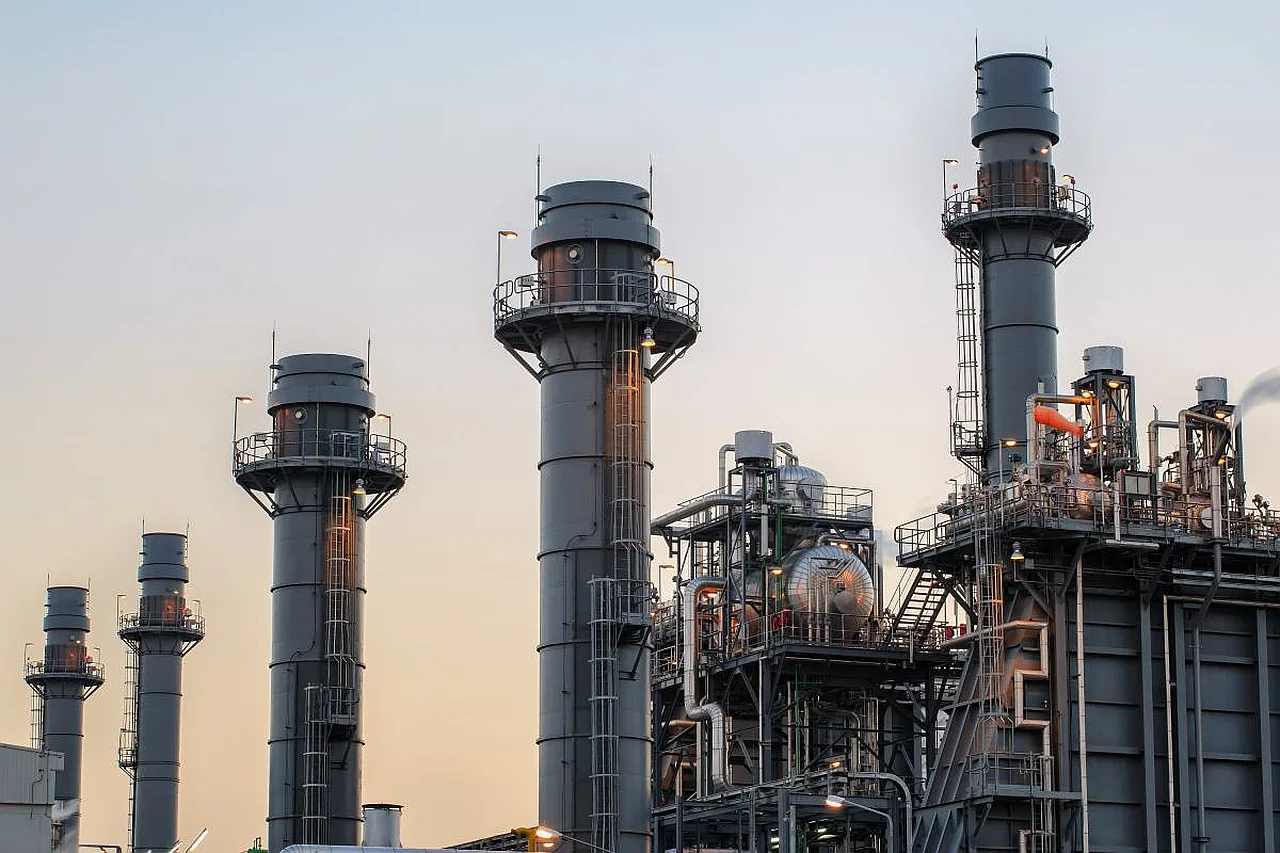
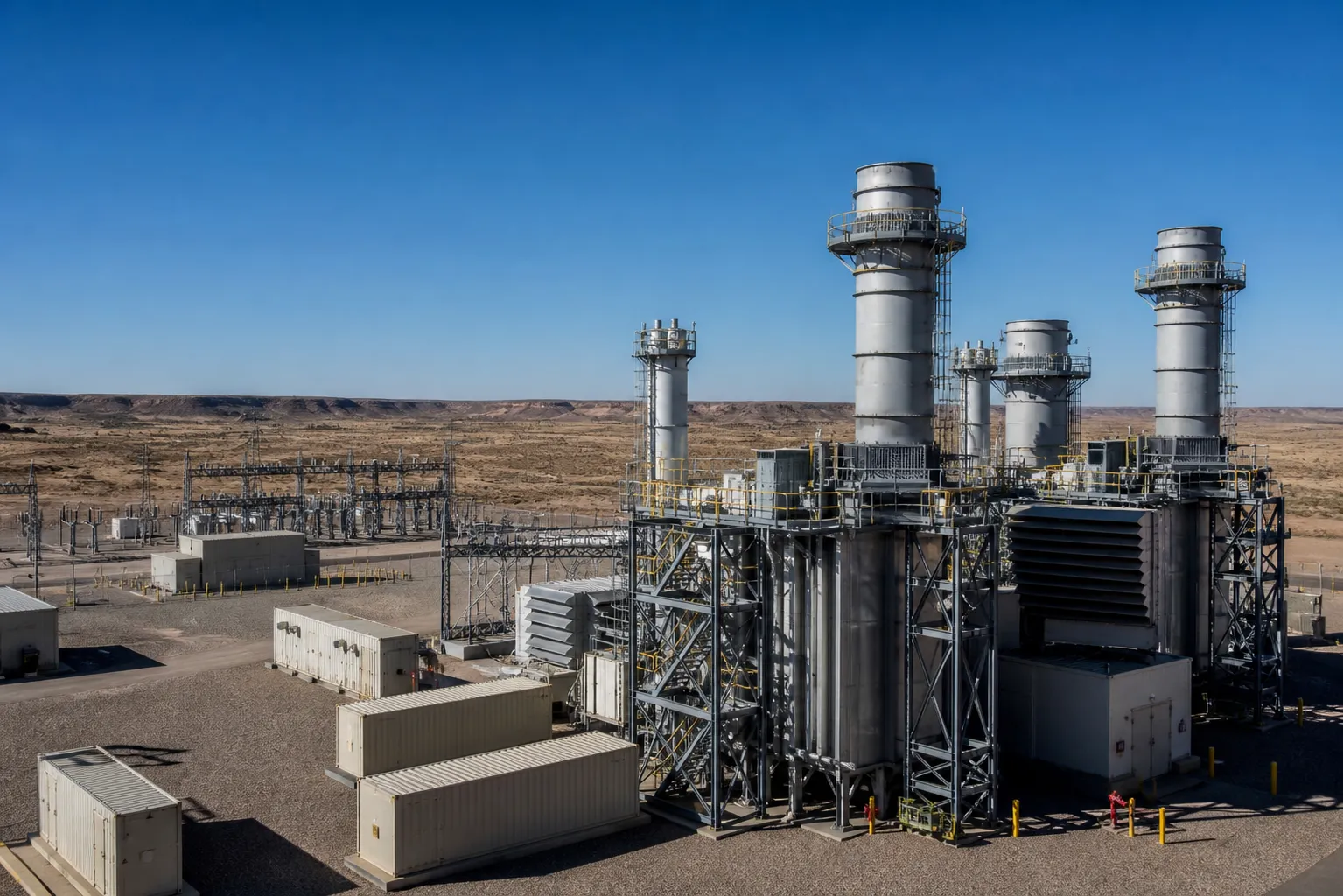
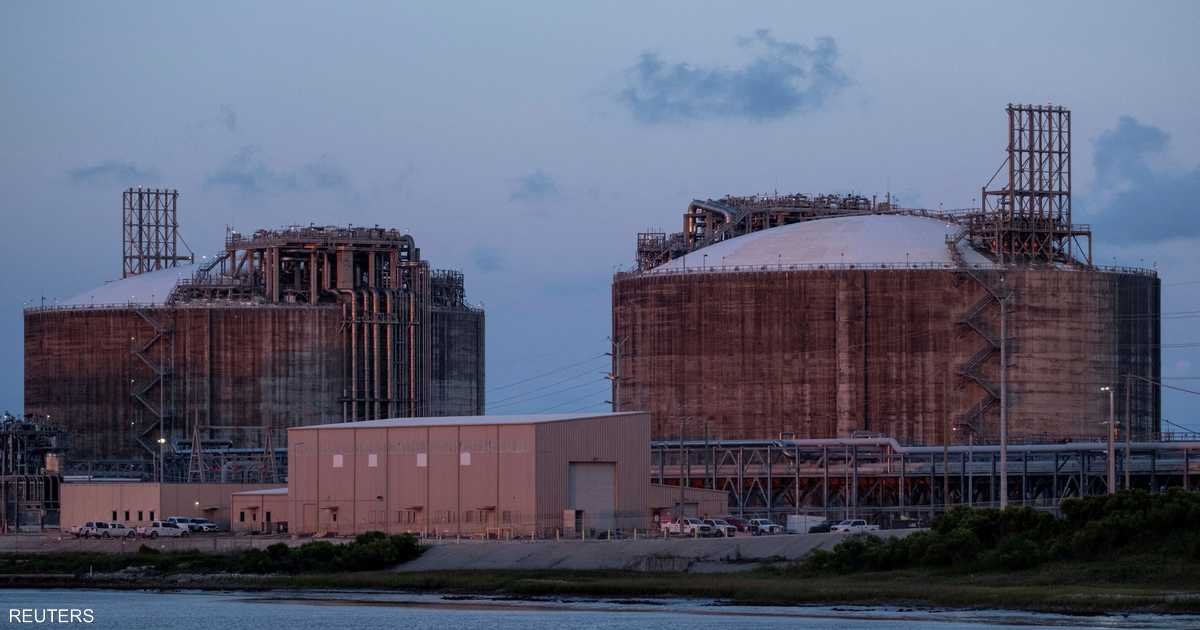
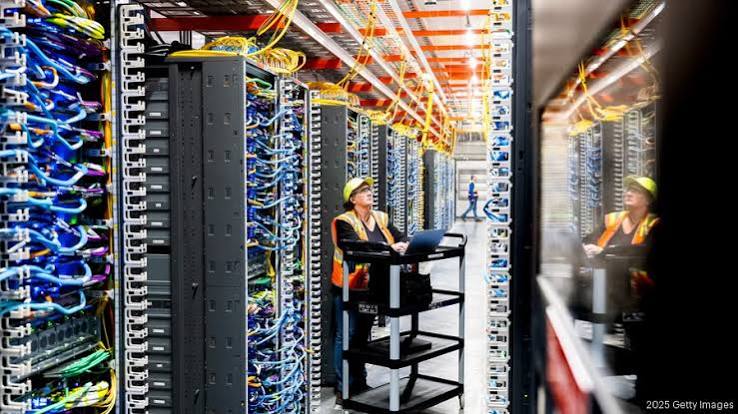
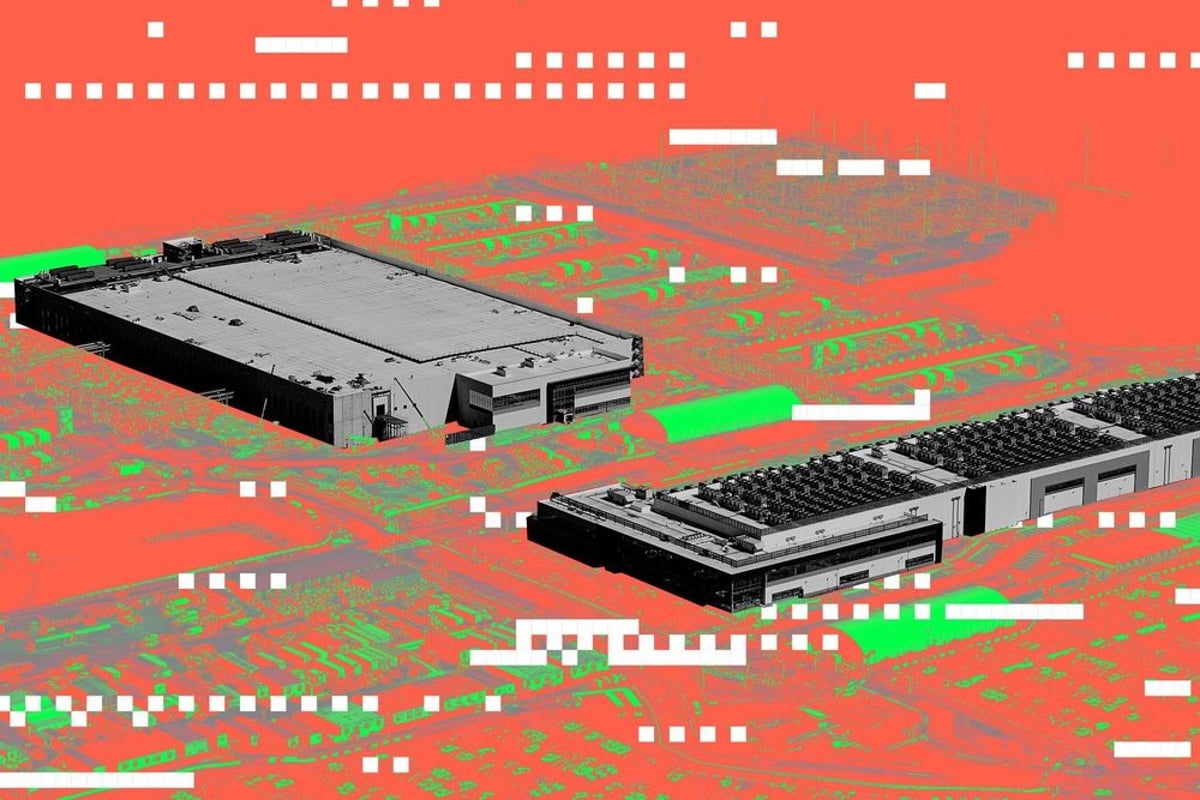
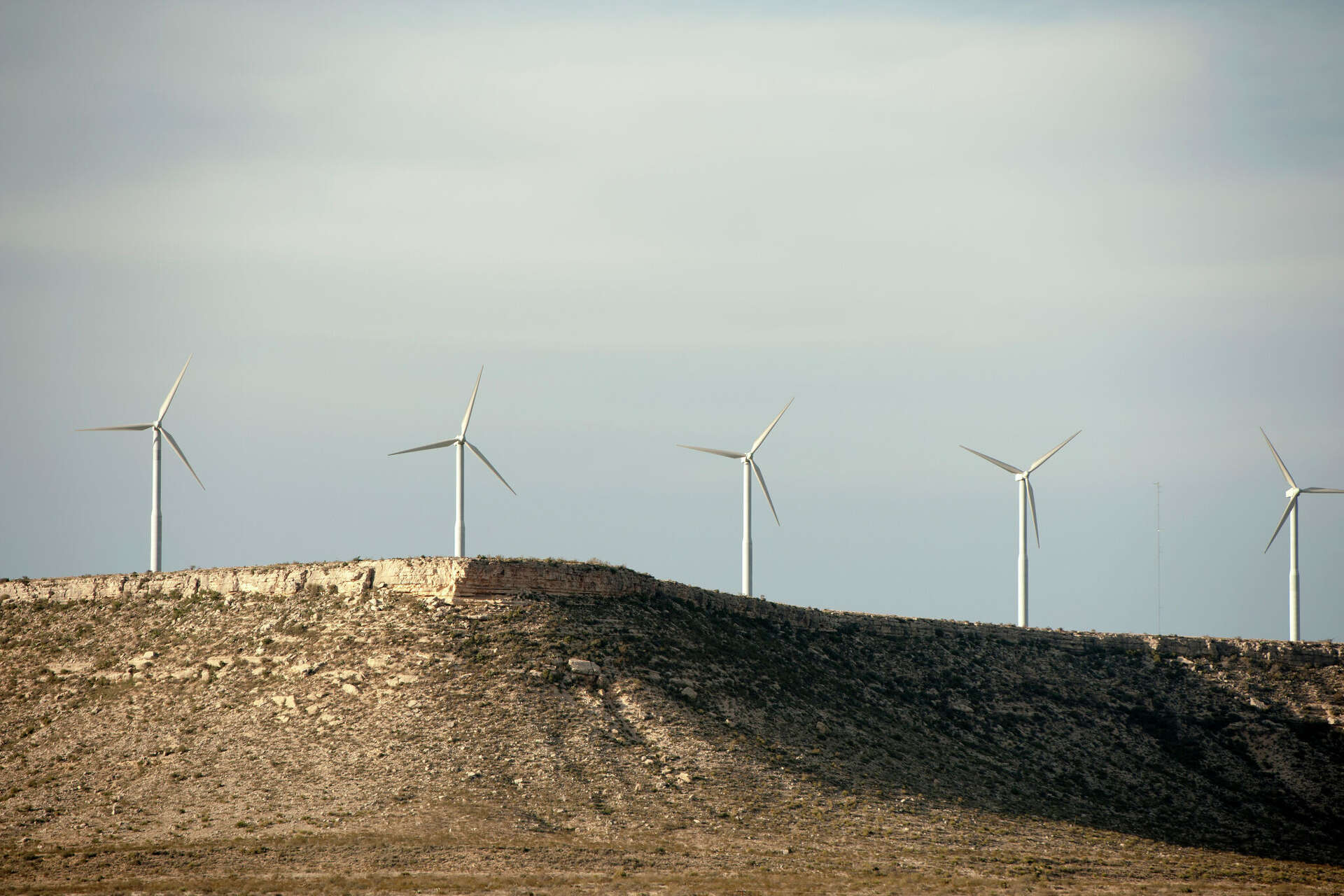
Amazon's $7.65 gigawatt natural gas power plant project at GW Ranch in Pecos County, Texas represents a critical infrastructure inflection point for cross-border e-commerce sellers. The facility—designed to power AI data centers and featuring 35 turbines generating more power than any currently operating US gas plant—signals that AWS supply constraints will persist through 2026, directly impacting sellers dependent on cloud infrastructure for inventory management, pricing algorithms, and fulfillment operations. AWS grew at its fastest rate in 18 quarters due to AI demand, but this growth has created a supply crunch that Amazon is now addressing through private power generation rather than grid expansion.
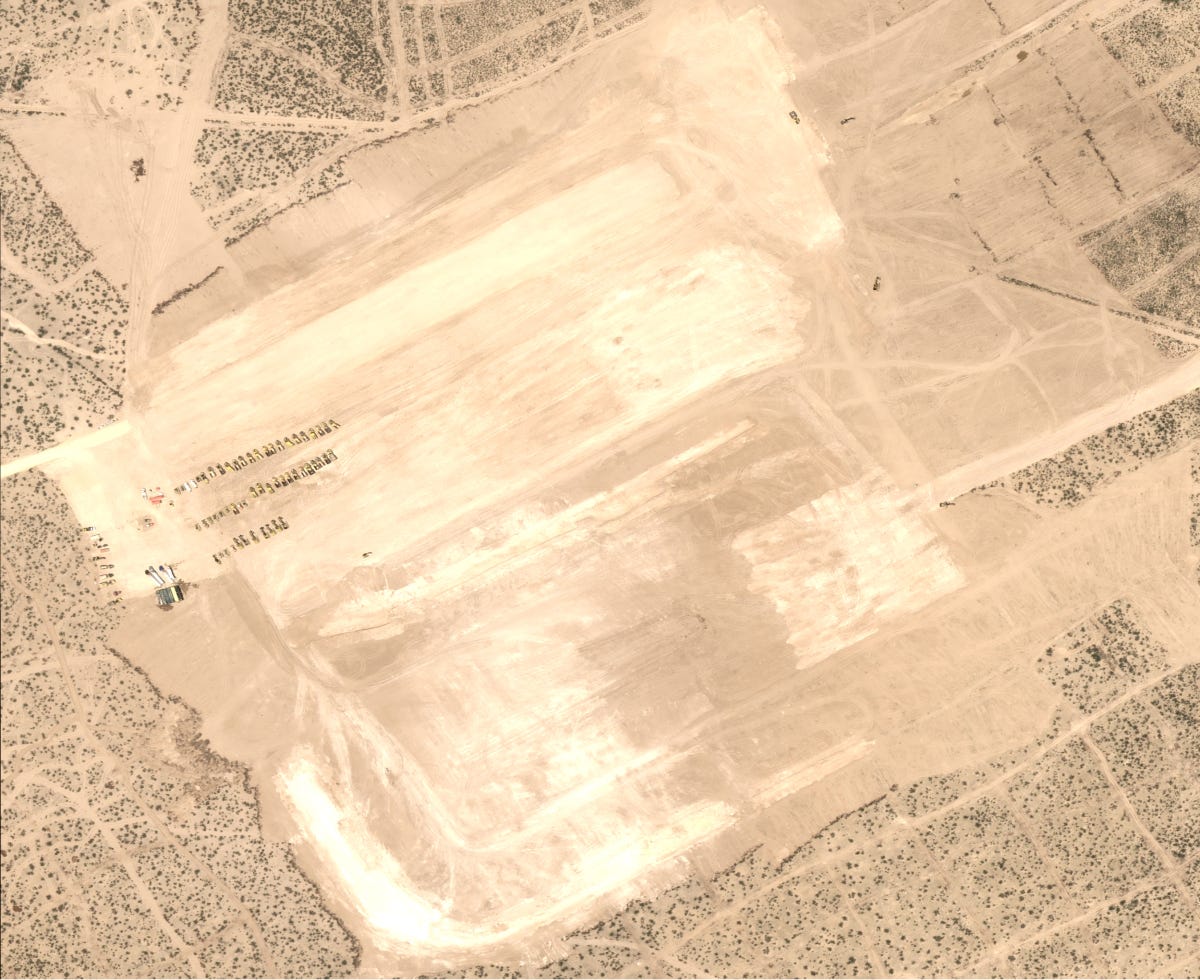
For e-commerce sellers, this infrastructure investment has three immediate compliance and operational implications. First, sellers using AWS services for critical operations (dynamic pricing, inventory forecasting, order management) should expect continued service availability constraints and potential price increases as Amazon allocates resources to AI workloads. The company's decision to build private power generation rather than negotiate grid access suggests AWS will prioritize AI customers over general cloud services. Second, sellers with fulfillment operations in Texas face potential electricity cost volatility and grid stability concerns during the 2-3 year construction period (construction permits filed immediately, satellite imagery confirms land clearing has begun). Third, the broader trend of 97 gigawatts of behind-the-meter power projects planned across Meta, Microsoft, and Oracle indicates that cloud infrastructure costs will rise industry-wide, forcing sellers to optimize their technology spending.
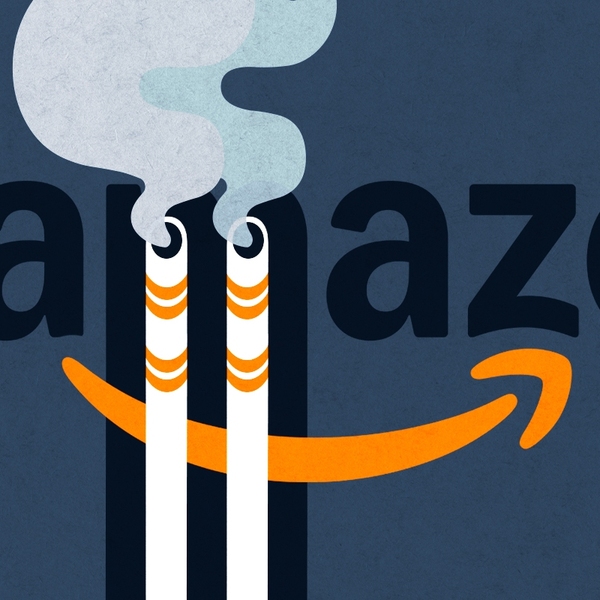
The regulatory and environmental backlash creates secondary compliance risks. The facility would emit 33 million tons of CO2 annually—exceeding the nation's largest coal plant—and faces significant bipartisan opposition from rural Texas communities. This political opposition could trigger new state-level environmental compliance requirements for data centers, potentially affecting sellers' fulfillment operations in Texas. Additionally, Amazon's contradiction between its Climate Pledge commitment (net-zero by 2040) and this massive emissions project creates reputational risk that could influence seller brand partnerships and sustainability certifications. Sellers marketing "eco-friendly" or "carbon-neutral" products may face increased scrutiny if they rely on Amazon's infrastructure, which now includes one of the country's largest pollution sources.
Questions 8
How does Amazon's private power generation strategy differ from competitors like Microsoft and Google?
Amazon's approach mirrors Microsoft (partnering with Chevron for a 2 GW facility 30 miles west of GW Ranch) and differs from xAI's mobile gas turbine deployment in Memphis (2024). All hyperscalers are pursuing behind-the-meter power generation to accelerate AI infrastructure deployment and avoid grid interconnection delays. However, Amazon's 7.65 GW facility is significantly larger than competitors' projects, indicating Amazon is betting heavily on AI workload growth. Sellers should monitor which cloud provider (AWS vs. Azure vs. Google Cloud) has the most reliable capacity through 2026, as this will determine pricing and service availability.
What is the timeline for Amazon's Texas data center buildout and when will capacity constraints ease?
Construction permits for three data center buildings were filed immediately, with satellite imagery confirming land clearing has begun. Amazon CEO Andy Jassy stated AWS supply constraints are expected through 2026, meaning capacity relief won't arrive until 2027 at earliest. The GW Ranch facility is designed to eventually connect to the Texas grid as interconnection timelines allow, but this process typically takes 18-24 months. Sellers should plan for continued AWS service constraints and cost pressures through Q4 2026, then reassess infrastructure strategy in Q1 2027 when new capacity comes online.