



Cyclosporiasis Outbreak Triggers FDA Food Safety Crackdown | Seller Compliance Requirements
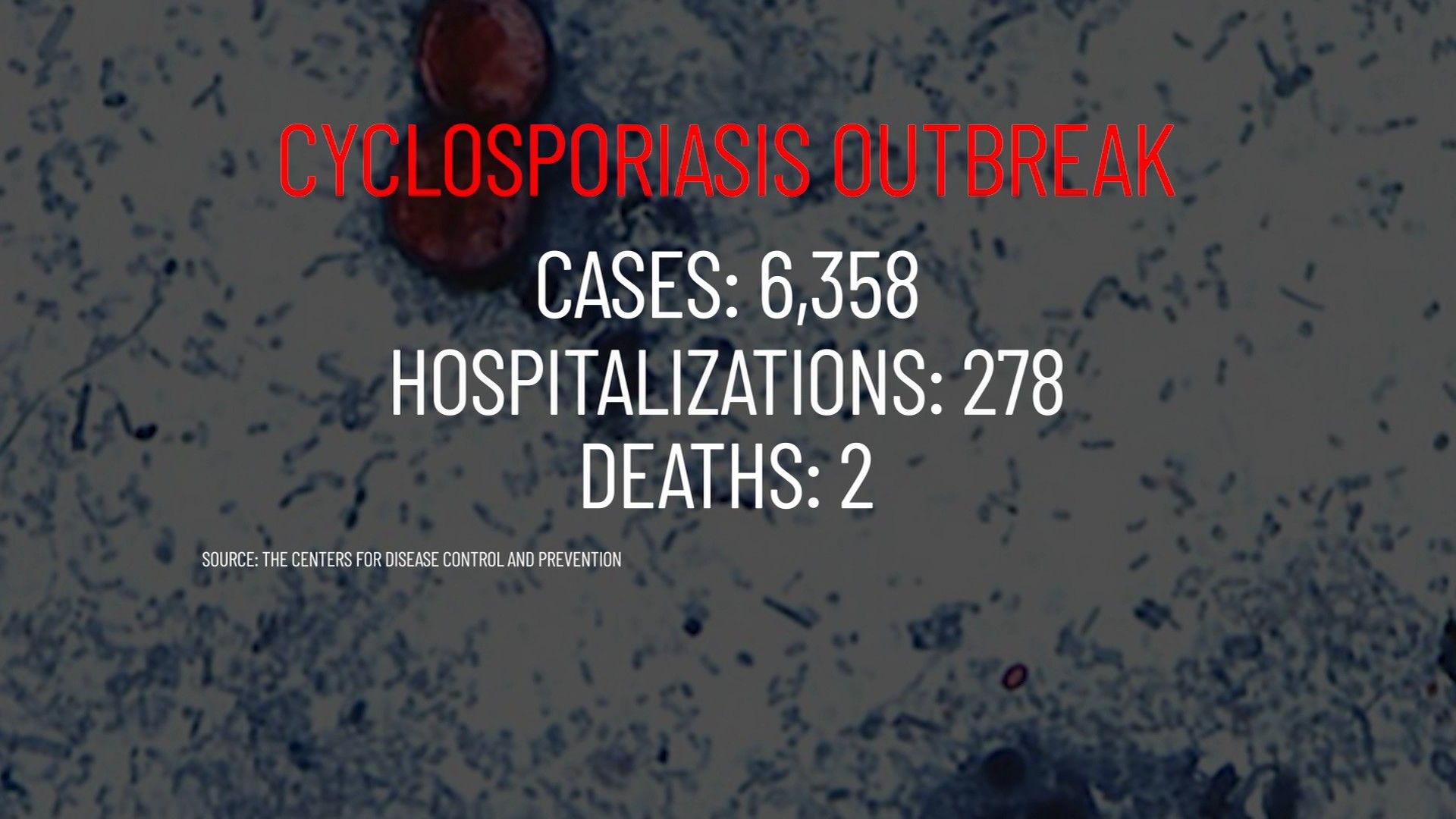
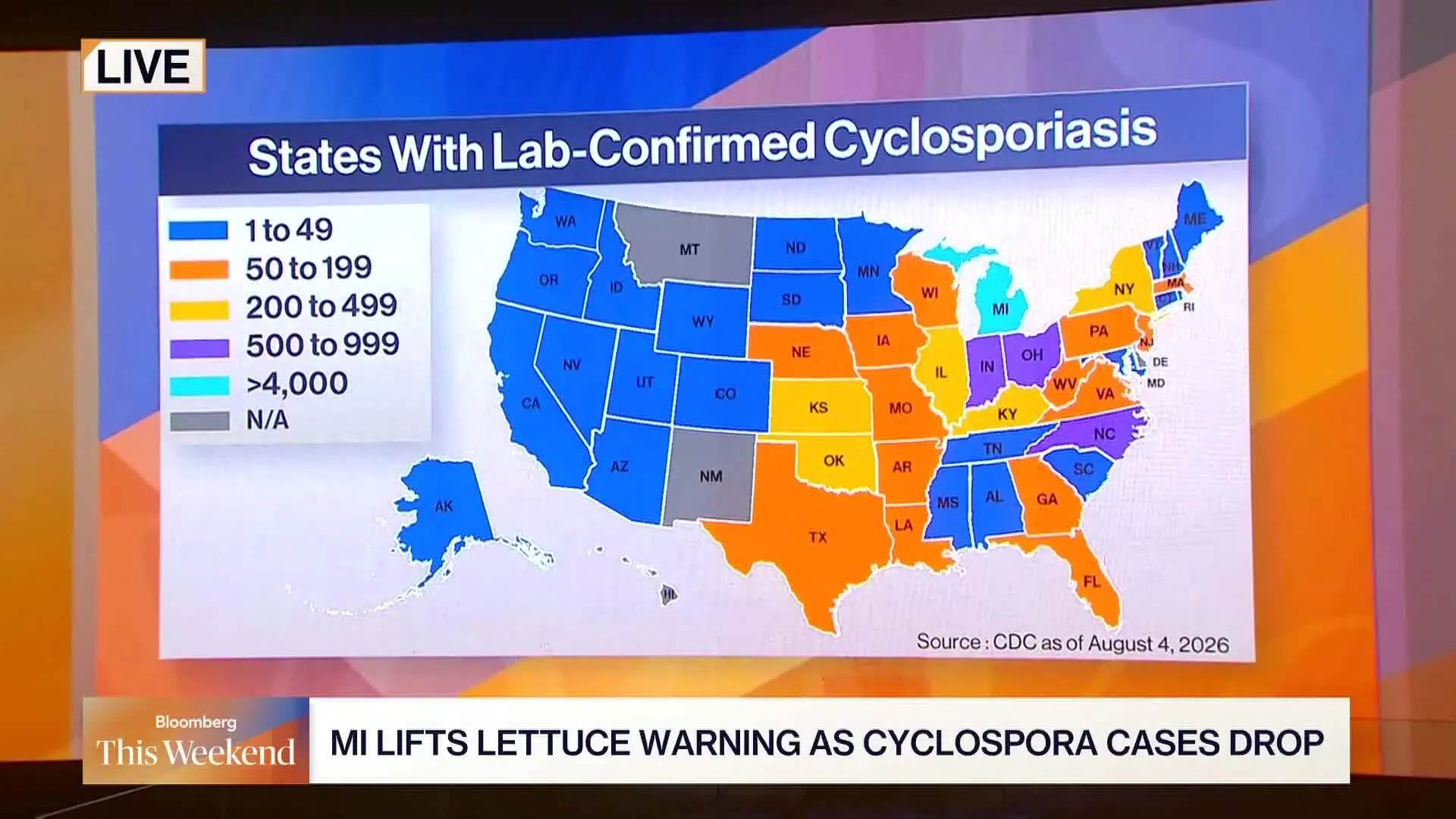
- 15-state outbreak (largest on record) drives new produce traceability regulations affecting fresh food sellers; McHenry County reports 5x case increase; FDA investigating sewage contamination pathway












Overview
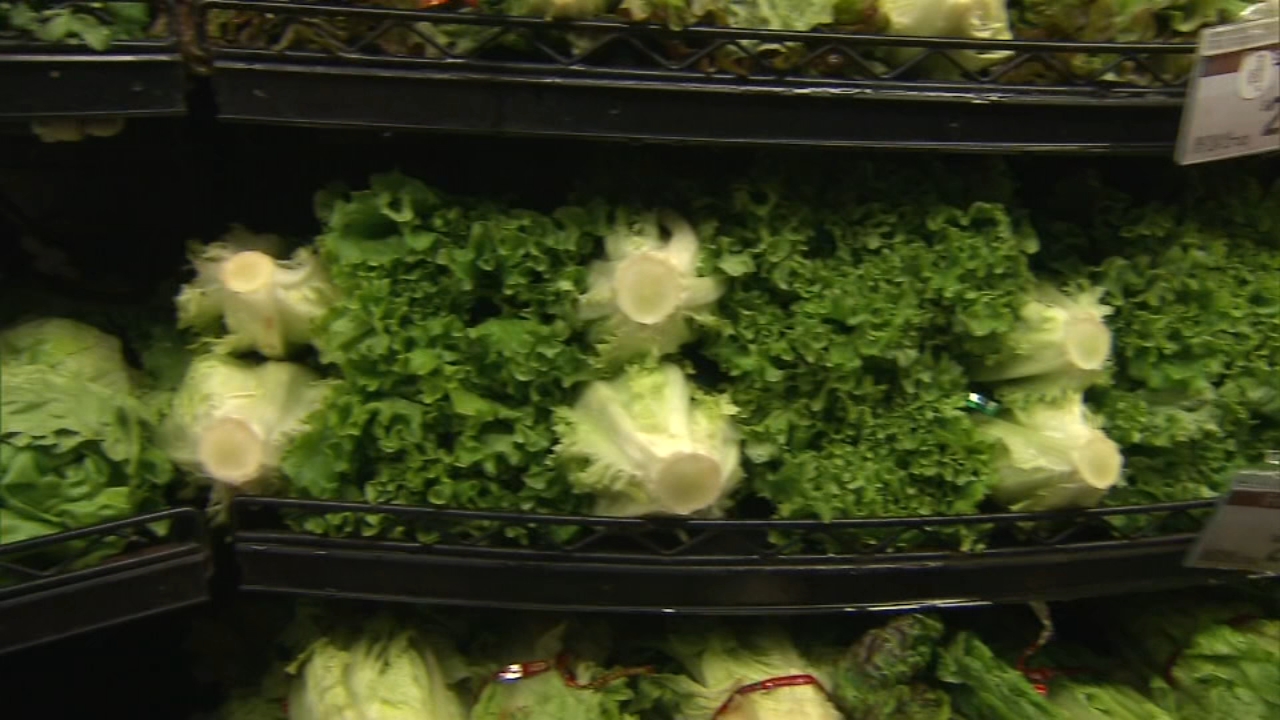
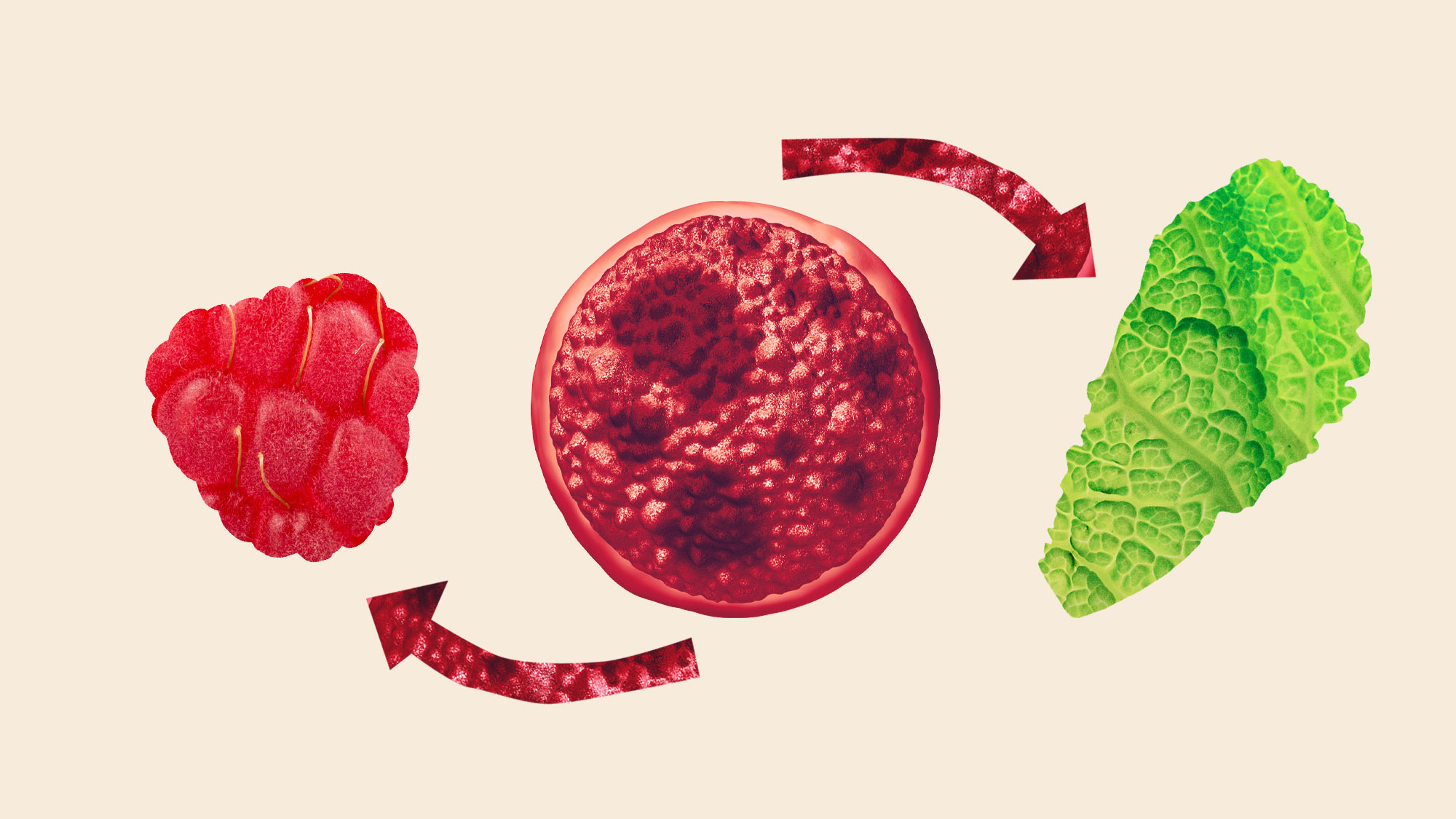
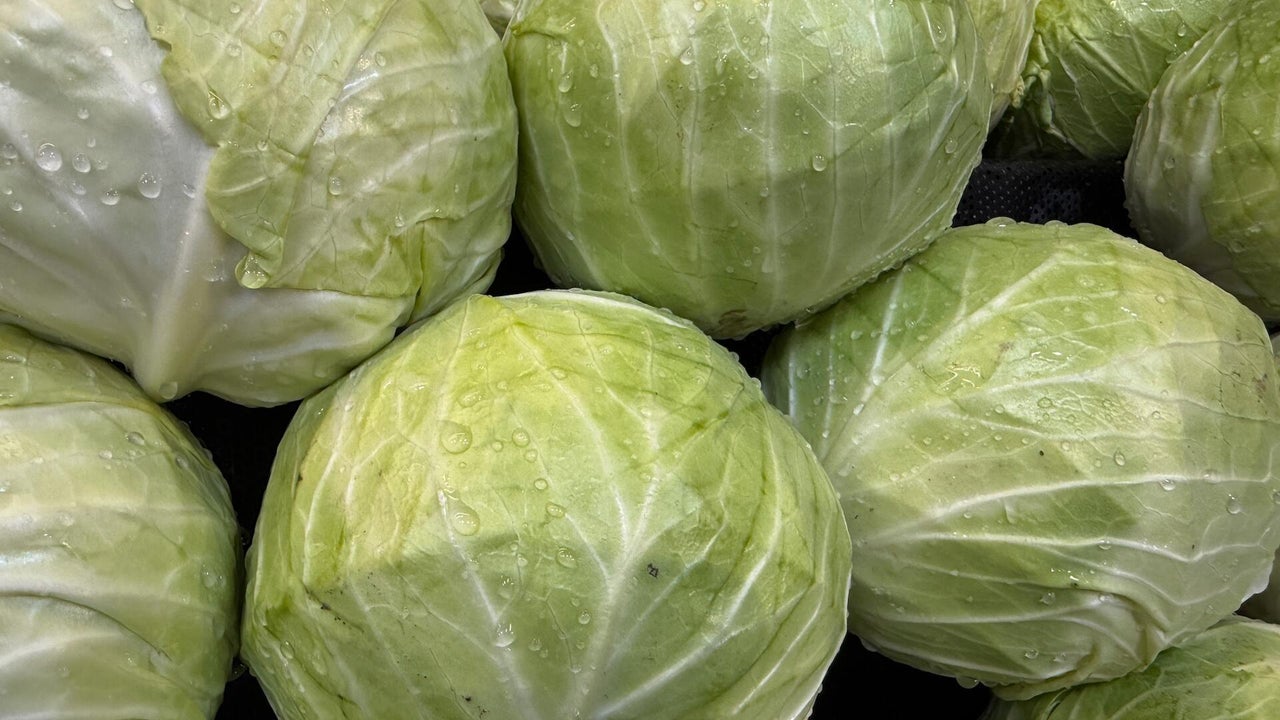
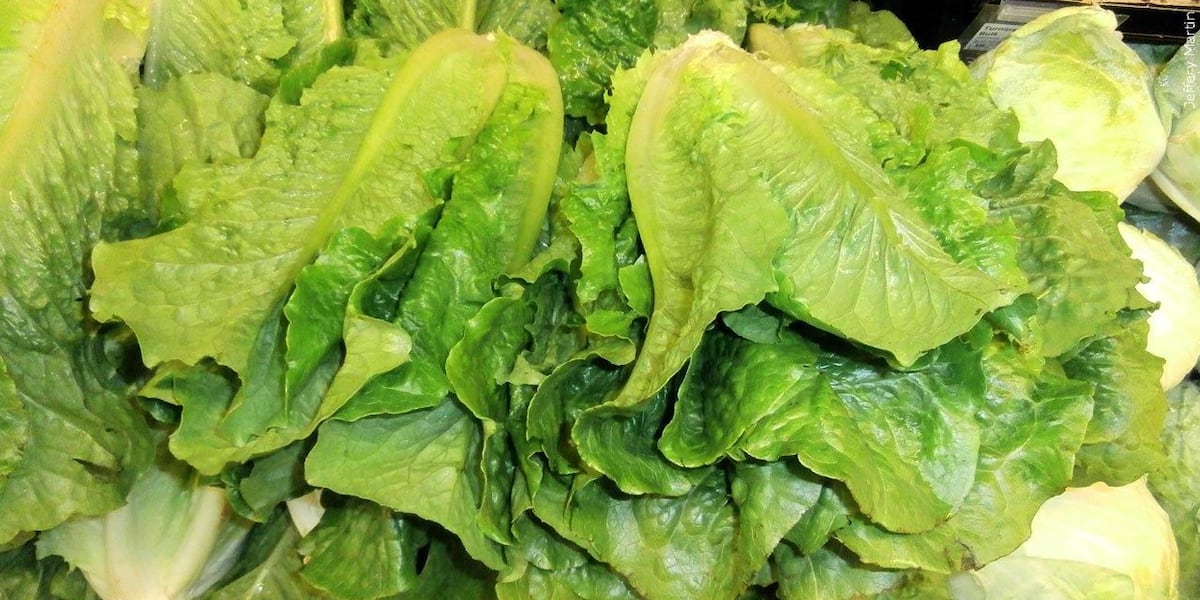
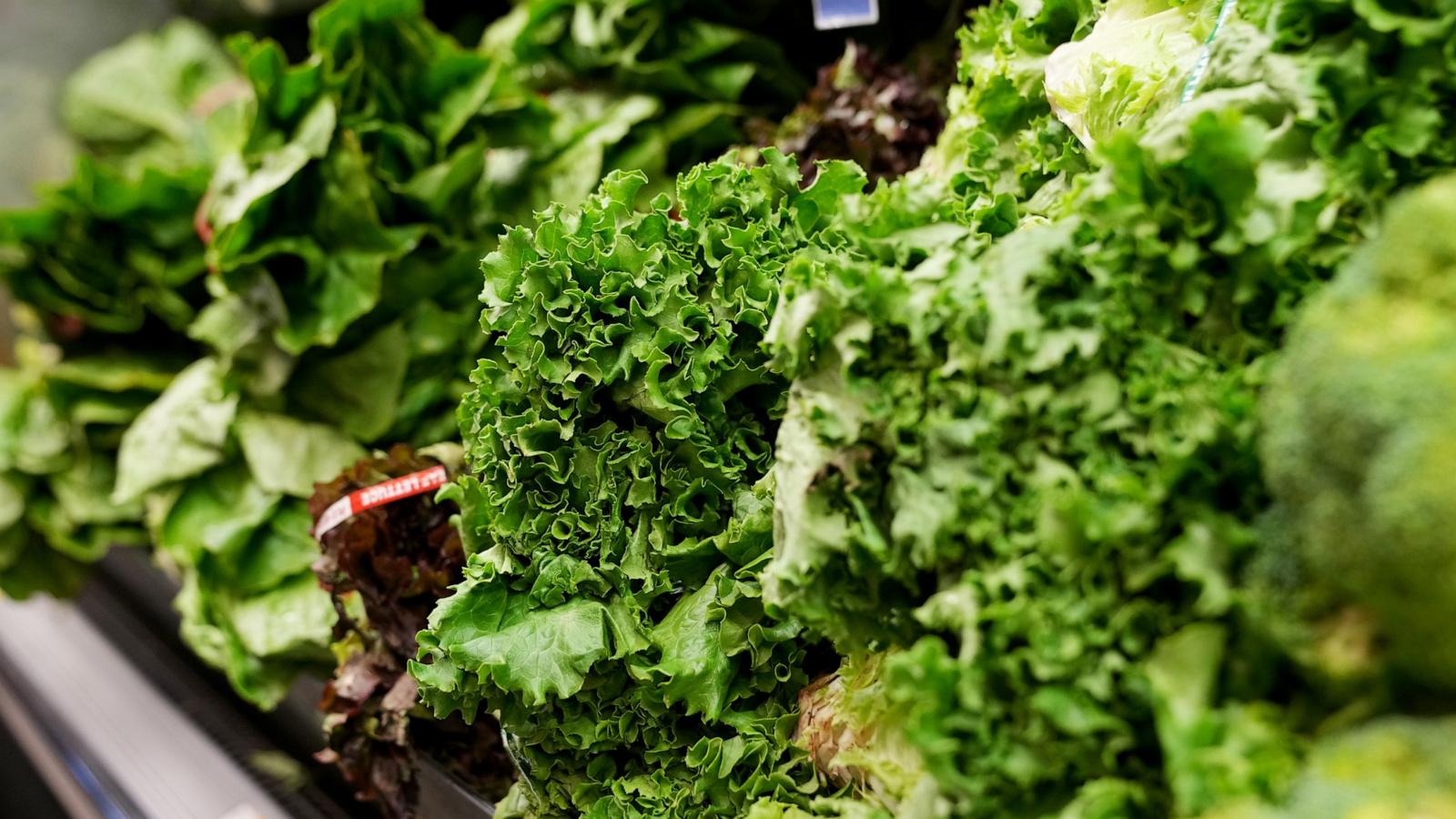
The cyclosporiasis outbreak affecting 15 U.S. states represents the largest recorded outbreak of this parasitic infection, with the CDC confirming expansion on August 4, 2026. The FDA is actively investigating the contamination pathway, which researchers have identified as sewage-contaminated irrigation water used on fresh produce. This outbreak creates an immediate regulatory compliance opportunity for food sellers on Amazon Fresh, Walmart+, and specialty produce platforms. The investigation reveals that cyclospora oocysts survive standard sewage treatment in residual quantities, persisting when treated wastewater irrigates crops consumed raw or minimally processed—particularly leafy greens, lettuce, fresh herbs, snow peas, green onions, and berries.
For food sellers, this outbreak will likely trigger new FDA produce traceability requirements within 6-12 months. Historical precedent shows that major foodborne illness outbreaks (E. coli in 2006, Listeria in 2011) resulted in mandatory FSMA compliance, increased testing protocols, and supplier certification requirements. Sellers currently offering fresh produce without documented water source verification or pathogen testing face potential delisting from major platforms. The McHenry County investigation (61 confirmed cases, 5x increase since June 2024) demonstrates the outbreak's geographic concentration, suggesting FDA will mandate region-specific sourcing documentation and water quality certifications. Compliance costs typically range from $5,000-$25,000 per supplier for initial testing infrastructure, plus $2,000-$5,000 monthly for ongoing pathogen monitoring.
The regulatory window is narrowing rapidly. FDA investigations typically conclude within 90-180 days, after which enforcement actions and new guidance emerge. Sellers who proactively implement water source traceability, pathogen testing protocols, and supplier certification now will gain competitive advantage as non-compliant competitors face delisting. The outbreak also creates demand for compliance services: water quality testing providers, produce traceability software (similar to blockchain solutions used post-2006 E. coli outbreak), and third-party food safety auditors. Sellers in affected states (particularly Illinois, where McHenry County is located) should prioritize supplier verification immediately. Alternative sourcing from regions with stricter water treatment standards (California, Washington) may command 8-15% price premiums but ensure platform compliance and consumer trust during the outbreak period.
Questions 8
Should sellers consider geographic sourcing shifts away from affected regions?
Yes, sellers should evaluate sourcing from regions outside the 15-state outbreak zone, particularly for high-risk categories (leafy greens, lettuce, herbs). However, complete avoidance is impractical—the outbreak's root cause (sewage contamination pathway) exists nationwide. Better strategy: implement water source verification regardless of region, then use compliant sourcing as a marketing advantage. Sellers can highlight 'verified water source' or 'pathogen-tested' on product listings to command 5-8% price premiums. Geographic diversification (sourcing from 2-3 regions) reduces outbreak risk while maintaining supply stability. Documentation of sourcing decisions protects against future liability.
Which compliance services will be in highest demand during this outbreak investigation?
Water quality testing providers, produce traceability software (blockchain-based systems similar to IBM Food Trust), third-party food safety auditors, and supplier verification consultants will see 40-60% demand increases. These services typically cost $2,000-$8,000 per engagement. Sellers should prioritize: (1) water quality certification ($1,500-$3,000), (2) supplier audit documentation ($2,000-$5,000), (3) traceability system implementation ($3,000-$10,000). Early adopters gain competitive advantage as non-compliant competitors face delisting. Service providers in Illinois and surrounding states will see fastest growth.