

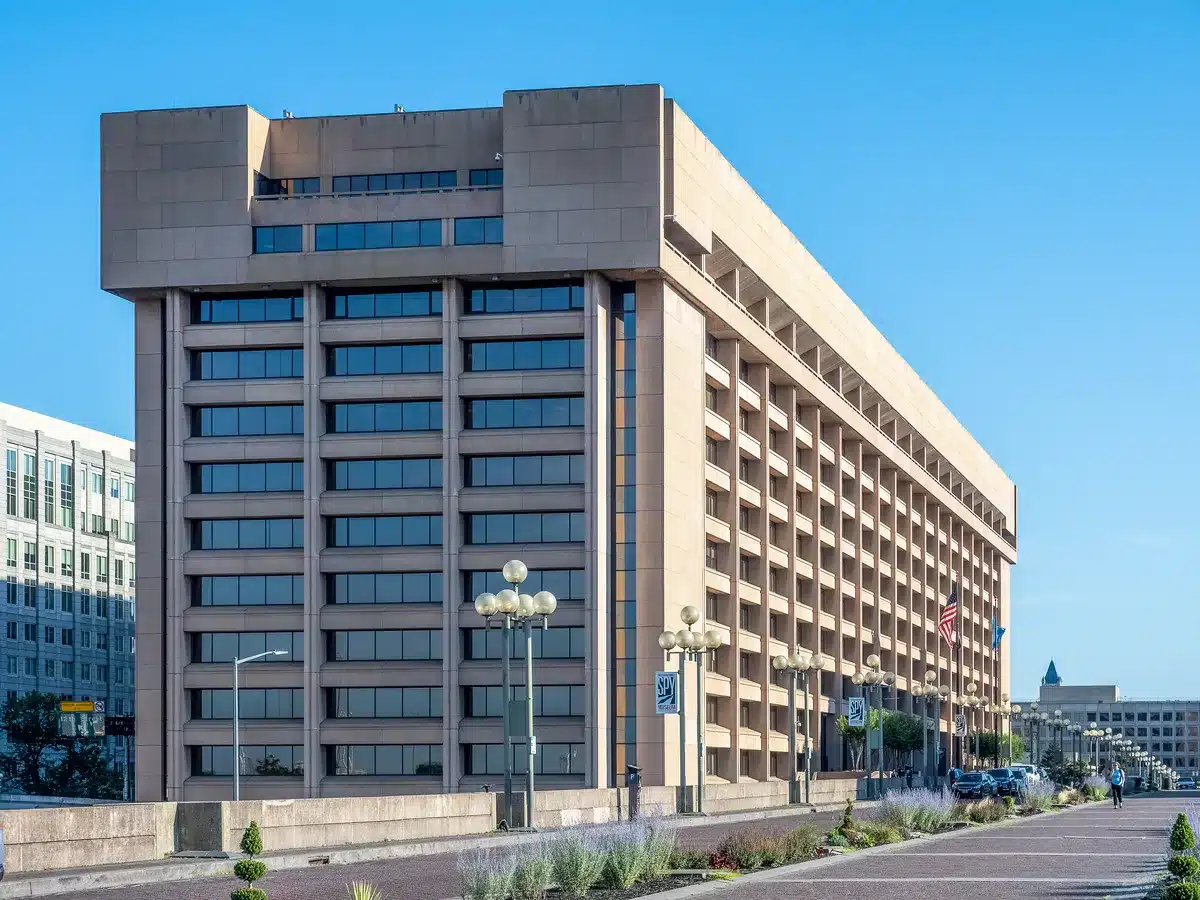




USPS $2.5B Quarterly Loss Triggers Rate Hikes & Service Cuts | Seller Logistics Crisis
- Stamp prices rising to 82-95 cents; parcel surcharges expanding; 1000s of post offices facing closure; sellers must diversify carriers immediately



Overview
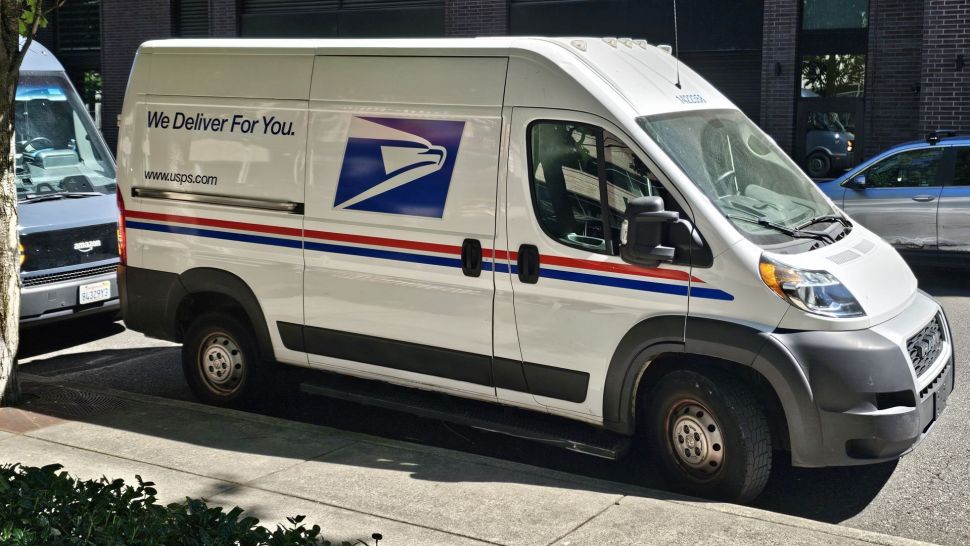
The U.S. Postal Service faces an existential financial crisis that directly threatens e-commerce sellers' profitability and logistics reliability. USPS reported a $2.5 billion net loss in Q3 2026 (improved from $3.1 billion in Q3 2025), but the agency projects cash reserve exhaustion by early 2027 and a liquidity cliff in 2031 without Congressional intervention. Postmaster General David Steiner is aggressively pursuing rate increases—First-Class stamps jumped from 78 cents (July 2026) to 82 cents, with proposals to raise them to 95 cents by January 2027. More critically, USPS implemented an $8 parcel surcharge in April 2026 (expiring January 17, 2026), which increased parcel revenue 7.7% despite a 3.4% volume decline, signaling the agency's shift toward aggressive pricing over volume.
The structural crisis is severe: USPS delivers to 170 million addresses with six-day-a-week service costing $3.4 billion annually, yet 70% of routes operate at a loss. Mail volume has declined 50% since 2007 while delivery points grew 1.8 million, reducing average pieces per stop from 5.5 to 2.4. The agency is evaluating four operational restructuring paths that could include automation, facility consolidation, and route optimization—potentially closing thousands of unprofitable post offices (currently 58 of 18,000 are unprofitable). USPS has already suspended nonessential spending and temporarily suspended employer pension contributions, conserving $2.5 billion through September 2026 and potentially $15 billion through 2030.
For cross-border e-commerce sellers, this creates immediate logistics cost pressures: Parcel volume declined 6.2% in the first nine months of fiscal 2025 to 4.9 billion pieces, reflecting broader e-commerce shipping challenges. Sellers relying on USPS for affordable domestic and international small parcel shipping face margin compression of 3-8% from rate increases alone. The agency's cash crisis means service reliability is at risk—potential post office closures in rural/unprofitable areas could disrupt last-mile delivery for sellers using USPS as a fulfillment partner. Additionally, USPS's inability to raise rates more frequently (limited to once annually by the Postal Regulatory Commission) has cost the agency $700 million in lost revenue, creating pressure for alternative pricing mechanisms that could further increase seller costs.
Strategic logistics implications are critical: Sellers must immediately evaluate alternative carriers (UPS, FedEx, DHL) for domestic and international parcels, as USPS rate increases will likely continue quarterly or semi-annually if regulatory restrictions are lifted. The $8 parcel surcharge expiring January 17, 2026 may be replaced with permanent rate increases. Small sellers (under 1,000 units/month) who depend on USPS's cost advantage for international shipping to Canada, Mexico, and overseas markets face the most acute pressure. Warehouse positioning should shift toward FedEx/UPS hubs in major metros to reduce reliance on USPS last-mile delivery. Sellers should stress-test their logistics models assuming USPS rates increase 5-10% quarterly through 2027 and service availability contracts in unprofitable ZIP codes.
Questions 8
What inventory and warehouse strategies should sellers adopt now?
Sellers should immediately conduct a logistics cost audit: calculate the percentage of revenue spent on USPS shipping by destination (domestic, Canada, Mexico, international). For high-USPS-dependent categories (small electronics, apparel, books), shift inventory positioning toward FedEx/UPS regional hubs in major metros (Los Angeles, Chicago, New York, Dallas) to reduce reliance on USPS last-mile delivery. Consider 3PL partnerships with carriers offering volume discounts. Stock 60-90 days of inventory in fulfillment centers near major customer concentrations to reduce per-unit shipping distances. For sellers using USPS for international small parcels, evaluate consolidation services (DHL eCommerce, Asendia) that offer better rates on bulk shipments. Implement dynamic pricing: increase shipping charges 5-8% to offset USPS rate increases before January 2027.
How will USPS post office closures affect international sellers?
USPS closures in unprofitable areas will disrupt international parcel drop-off and pickup services, particularly for sellers in rural regions. The agency currently serves 170 million addresses with declining mail volume (down 50% since 2007), making rural post offices increasingly unprofitable. Sellers relying on local post offices for international parcel acceptance should identify alternative drop-off locations (UPS stores, FedEx centers, regional mail facilities) within 10-15 miles. For cross-border sellers shipping to Canada, Mexico, and overseas, USPS International Priority Mail and Priority Express Mail will likely see rate increases of 8-12% by Q2 2027. Diversify to DHL Express or FedEx International for critical shipments to ensure service continuity.