


Third-Party Vendor Breach Exposes 100K+ Customers | Compliance & Data Security Risks for E-Commerce Sellers
- Framework's second breach in 24 months reveals critical supply chain vulnerability affecting all customers; Metabase zero-day exploited across 100,000 enterprise clients including major retailers

.png.webp)


Overview
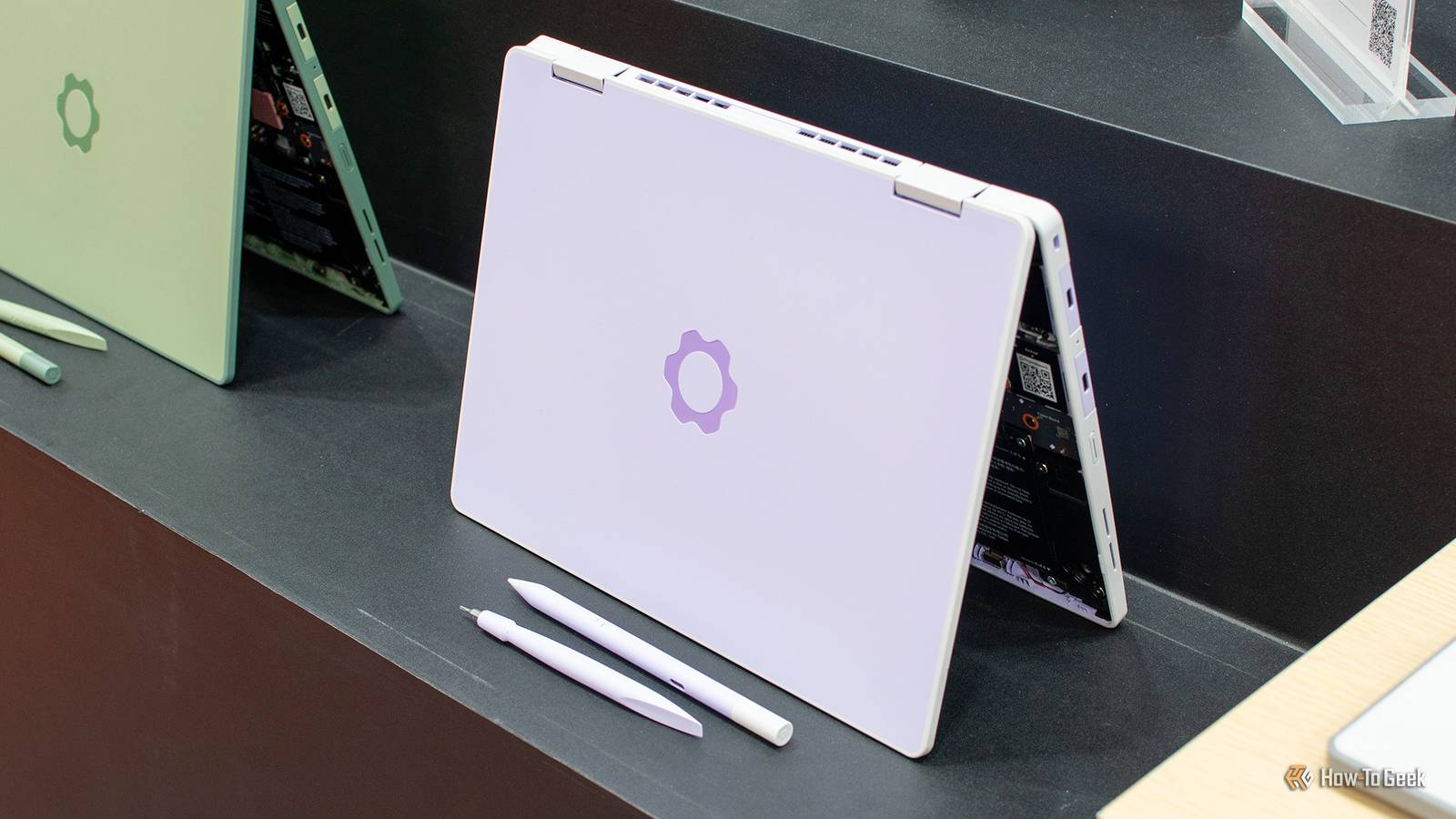
Framework Computer's August 2026 data breach represents a critical compliance and operational risk for e-commerce sellers relying on third-party cloud infrastructure. On August 3, 2026, attackers exploited a zero-day SQL vulnerability in Metabase Cloud (versions 1.58+) to access Framework's customer database, exposing names, email addresses, phone numbers, shipping addresses, and login IP addresses across all customers. While payment data remained secure, the breach affected hundreds of thousands of devices sold since Framework's inception. This incident directly impacts sellers in multiple ways: it demonstrates how third-party business intelligence platforms—used by approximately 100,000 enterprise clients including McDonald's, T-Mobile, and Hugging Face—create systemic data security risks that cascade to downstream customers.
For e-commerce sellers, this breach triggers immediate compliance obligations under GDPR, CCPA, and state data protection laws. Framework's notification on August 6-7, 2026, and subsequent credential rotation exemplify required incident response procedures, but the exposure of shipping addresses and login IPs creates phishing and identity theft vectors that sellers must monitor. The breach is Framework's second in less than two years—January 2024's Keating Consulting breach exposed customer names and emails—establishing a pattern of third-party vendor vulnerabilities. This pattern directly correlates with the news that Framework simultaneously faces pricing pressures (two price increases in 2026 due to RAM costs) and customer satisfaction issues (Laptop 13 Pro preorder configurations reduced without prior notice). The timing compounds reputational damage: customers already frustrated by price increases and reduced specifications now face data breach notifications, creating churn risk.
The compliance opportunity for sellers lies in vendor security due diligence and data residency strategies. Sellers using Metabase, Shopify's analytics integrations, or similar third-party BI platforms must immediately audit vendor security certifications (SOC 2 Type II, ISO 27001), patch management timelines, and data residency options. The zero-day vulnerability—unpatched until after exploitation—reveals gaps in vendor vulnerability disclosure programs. Sellers should prioritize vendors offering on-premise or private cloud deployments over shared SaaS infrastructure, reducing exposure to zero-day exploits affecting 100,000+ concurrent users. Additionally, the breach demonstrates that even transparent incident response (Framework's prompt notification, credential rotation, investigation transparency) cannot fully mitigate reputational damage when combined with operational challenges. For sellers managing customer data across multiple platforms, this incident underscores the need for data minimization strategies: storing only essential customer information in third-party systems and maintaining encrypted backups in controlled environments.
Questions 8
How does the Metabase zero-day vulnerability affect sellers using third-party analytics and BI tools?
The zero-day SQL vulnerability in Metabase Cloud versions 1.58+ affected approximately 100,000 enterprise clients including McDonald's, T-Mobile, and Hugging Face—demonstrating systemic risk across shared SaaS infrastructure. Sellers relying on Metabase, Shopify Analytics, or similar platforms face exposure to unpatched vulnerabilities that can remain exploited for days before vendor disclosure. The vulnerability was exploited on August 3 but not patched until after the breach was discovered. Sellers should prioritize vendors offering on-premise deployments, private cloud options, or those with formal vulnerability disclosure programs and 24-48 hour patch timelines. Request vendor security roadmaps and patch management documentation before contract renewal.
What data was exposed in the Framework Metabase breach and what are the compliance implications?
The August 3, 2026 breach exposed customer names, email addresses, phone numbers, shipping addresses, and login IP addresses across all Framework customers—estimated at hundreds of thousands based on community data. Critically, payment card data remained secure. Under GDPR Article 33, Framework was required to notify supervisory authorities within 72 hours; under CCPA, California residents must receive breach notifications. For sellers using similar third-party BI platforms, this breach triggers mandatory vendor security audits and potential liability if customer data stored in your systems is compromised through vendor negligence. Sellers should immediately verify their vendor's SOC 2 Type II certification and incident response SLAs.