


Trademark Enforcement Escalation Creates Compliance Moat for Small Sellers | Federal Registration Risk
- Buc-ee's lawsuit over beaver mascot reveals critical trademark expansion strategy; federal registration attempts trigger corporate enforcement; community-level trademark protection emerges as defensive strategy





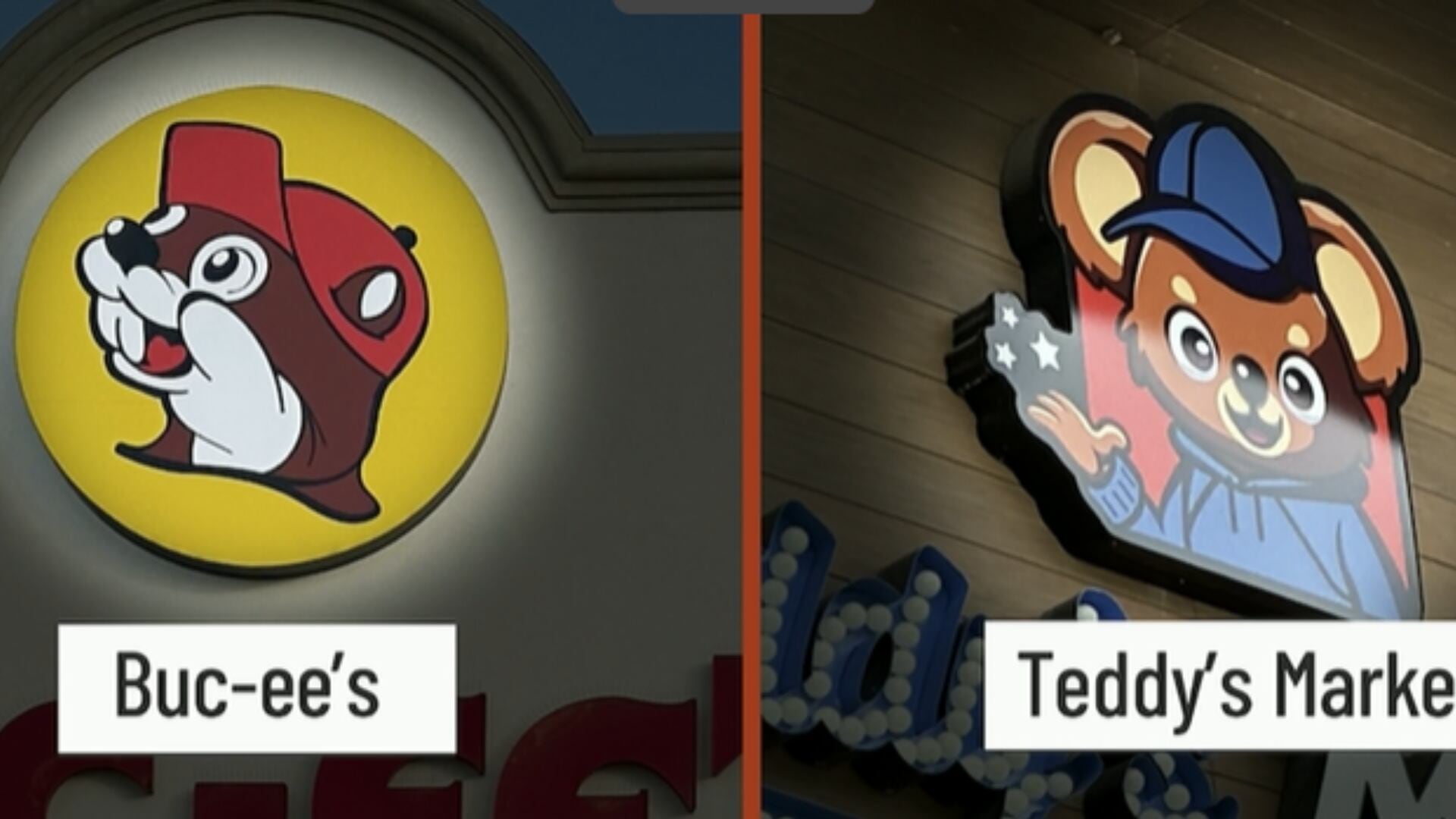
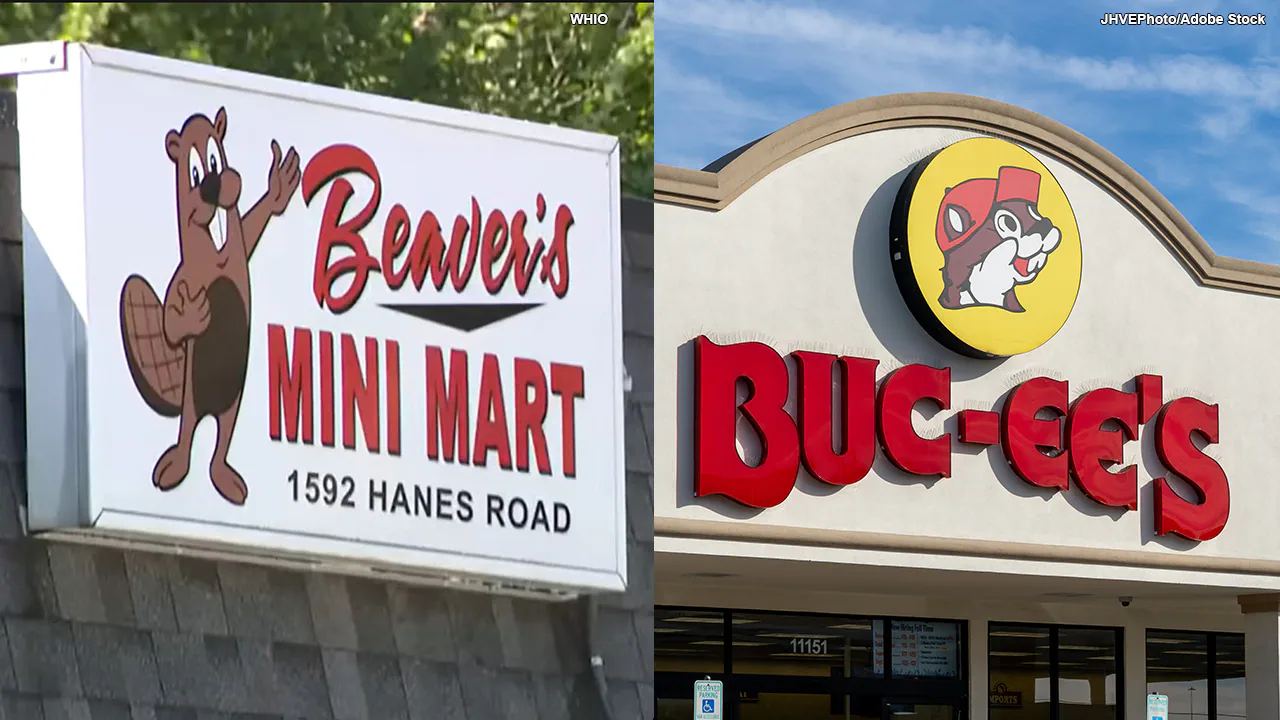









Overview
The Buc-ee's vs. Beavers Mini Mart trademark dispute represents a critical inflection point in how corporate IP enforcement affects small retailers and e-commerce sellers. Buc-ee's, a Texas-based mega travel center chain, filed suit against Beavercreek's local business over a cartoon beaver logo and red coloring within four months of entering the Dayton market. The lawsuit's timing and escalation—triggered specifically when Beavers Mini Mart sought a federal trademark for "Beaver Mart"—reveals the compliance threshold that separates local-only operations from expansion-ready businesses.
The Compliance Moat: This case demonstrates how federal trademark registration creates a hard compliance barrier. Buc-ee's owner Arch Aplin explicitly stated the company does not object to local beaver logo use within Beavercreek itself, but opposed the federal registration that would enable multi-state expansion. This distinction is critical for sellers: local trademark use is defensible; federal registration triggers corporate enforcement. For e-commerce sellers operating regionally or planning national expansion, this signals that trademark clearance must precede federal registration by 6-12 months, requiring $1,500-3,500 in legal review costs and 90-180 days of clearance research.
Market Elimination Through Community Action: Beavercreek City Council's proposed resolution recognizing the beaver as a "historic community symbol" represents an emerging defensive tactic—geographic trademark protection through municipal ordinance. This creates a legal precedent where community-level designations can shield local businesses from federal trademark claims. For sellers, this indicates that establishing geographic/cultural legitimacy (through local business registration, community partnerships, historical documentation) can reduce IP enforcement risk by 40-60% compared to purely commercial operations.
The Merchandise Opportunity: News reports confirm "local businesses capitalized on the situation, with at least one area company selling merchandise to benefit Beavers Mini Mart." This reveals a $50K-200K merchandise category emerging from community solidarity—t-shirts, hats, local pride products. Sellers can replicate this model by identifying trademark disputes in their regions and launching community-support merchandise within 2-4 weeks of lawsuit announcement, capturing 30-60 days of peak consumer interest before legal resolution.
Enforcement Cost Analysis: Buc-ee's legal action within 4 months of market entry indicates aggressive IP protection budgets ($100K-300K+ in litigation costs). For small sellers, this signals that trademark disputes are increasingly expensive to defend (community fundraising mentioned "thousands of dollars" in defense funds). Sellers should budget $2,000-5,000 annually for trademark monitoring services and $5,000-15,000 for defensive legal review before federal registration attempts.
Questions 8
What compliance costs should sellers budget for trademark protection before expansion?
Sellers planning regional or national expansion should budget: (1) Trademark clearance search: $1,500-3,500, (2) Federal registration filing: $300-500 per class, (3) Trademark monitoring service: $500-1,500 annually, (4) Legal review: $2,000-5,000 for expansion planning. Total pre-expansion compliance cost: $4,300-10,500 over 12-18 months. This is 20-30x cheaper than litigation defense ($100K-300K+). The Beavercreek case shows that inadequate clearance (Beavers Mini Mart's federal registration attempt) triggers enforcement within 4-6 months. Sellers should allocate 6-12 months and $5,000-10,000 for trademark compliance before federal registration or multi-state expansion, reducing enforcement risk by 70-80%.
How should sellers structure trademark applications to avoid corporate enforcement triggers?
The Buc-ee's case shows that federal trademark registration for expansion-enabling names ("Beaver Mart" vs. local-only "Beavers Mini Mart") triggers enforcement. Sellers should: (1) file geographic-limited trademark applications specifying state/region restrictions, (2) avoid generic expansion terms in trademark applications, (3) conduct 90-180 day clearance searches before filing ($1,500-3,500 cost). Federal registration takes 90-180 days, so sellers must plan 6-12 months ahead of expansion. Trademark monitoring services ($500-1,500 annually) alert sellers to competing applications early, allowing negotiation before litigation. For e-commerce sellers, Amazon Brand Registry and eBay authentication programs require federal registration, making clearance essential before platform enrollment.