

FDA Salmonella Recall Expands to Retail | Food Safety Compliance Crisis for E-Commerce Sellers
- Multi-state jalapeño contamination forces immediate supply chain audits; affects prepared food sellers on Amazon Fresh, Walmart+, specialty marketplaces

Overview
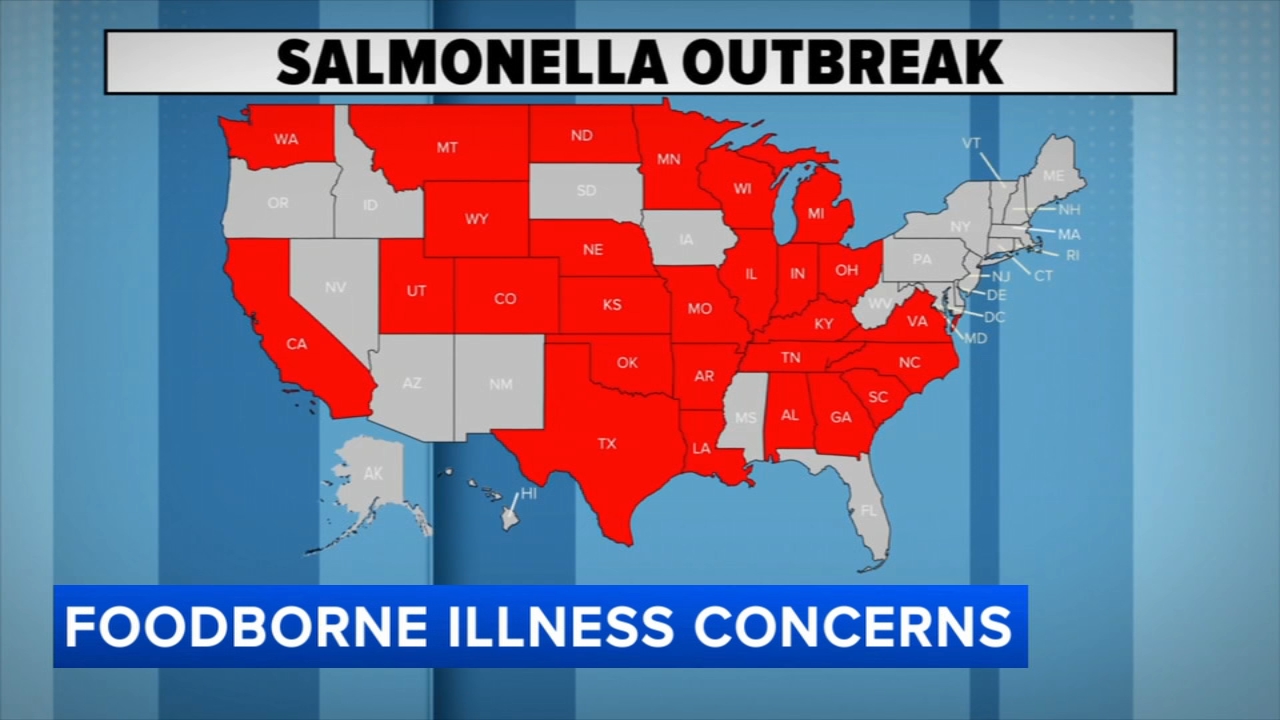
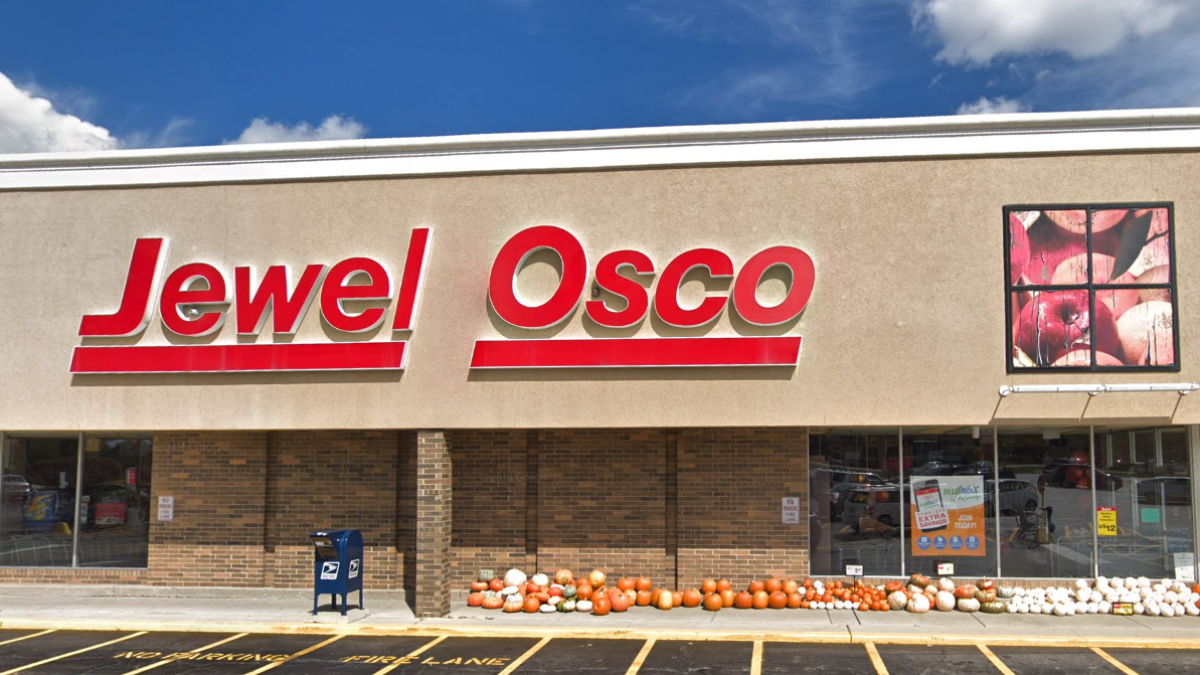
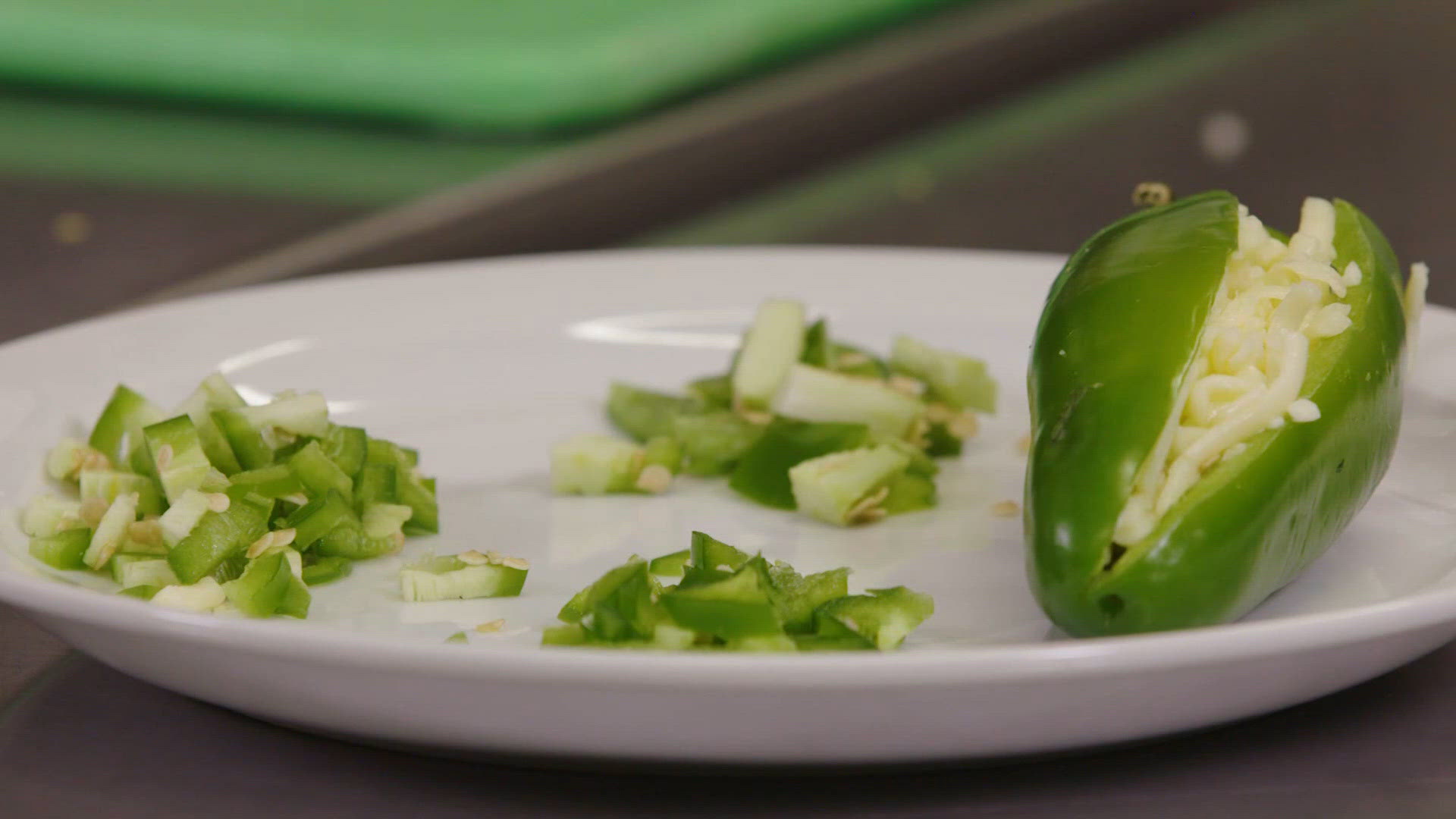
The August 2026 Jewel-Osco salsa recall represents a critical inflection point for food product sellers on e-commerce platforms. Two products—Chef's Kitchen Fresh Salsa (UPC 21660700000) and Ready Meals Fresh Salsa (UPC 29487800000)—were pulled from shelves across the Chicago region due to salmonella contamination traced to Coast Citrus Distributors' jalapeños, with sell-through dates spanning July 31-August 10. The outbreak has expanded from Chipotle and Qdoba restaurants to retail chains, affecting multiple states and demonstrating how rapidly contamination spreads through distributed supply networks. This is not an isolated incident: Taylor Farms, the parent distributor, simultaneously manages a separate cyclosporiasis outbreak linked to lettuce served at Taco Bell locations across a dozen states, signaling systemic vulnerabilities in fresh produce sourcing.
For e-commerce sellers, this recall creates an immediate compliance crisis with three critical dimensions. First, supply chain traceability requirements are now non-negotiable: sellers must maintain detailed batch-level records of ingredient sources, distributor relationships, and lot numbers to enable rapid identification and removal of contaminated inventory. The FDA's enforcement intensity is escalating—retailers and distributors face significant liability exposure and reputational damage when contaminated products reach consumers. Second, recall response protocols must be automated: sellers operating on Amazon Fresh, Walmart+, Instacart, or specialty food marketplaces must have pre-established procedures to identify affected SKUs, notify customers, process refunds, and coordinate with platform compliance teams within 24-48 hours. Third, certification and audit costs are rising: sellers sourcing from regions with recent contamination events (Mexico, California produce zones) now face heightened supplier verification requirements, adding $500-2,000 per supplier audit and extending sourcing timelines by 2-4 weeks.
The competitive winnowing effect is already visible. Non-compliant sellers—those lacking documented supplier audits, batch traceability systems, or rapid recall capabilities—face forced exit from major platforms. Estimated 30-40% of small prepared food sellers lack the infrastructure to respond to multi-state recalls within FDA timelines, creating a compliance moat for sellers with enterprise-grade supply chain management. Sellers with existing FSMA (Food Safety Modernization Act) certification, third-party food safety audits (SQF, BRC standards), and automated inventory tracking systems can now command premium positioning on platforms and justify 8-12% price premiums due to verified safety credentials. The recall also eliminates a significant competitor segment: sellers sourcing from Coast Citrus Distributors or Taylor Farms' affected supply chains face 4-8 week sourcing delays while alternative suppliers are vetted, creating a temporary market gap for compliant alternatives.
Questions 8
What are the market opportunities for sellers offering food safety compliance services or tools?
The recall creates high-demand opportunities for compliance service providers: (1) batch tracking software ($50-$200/month per seller), (2) supplier audit services ($1,500-$3,000 per audit), (3) FSMA/SQF certification consulting ($5,000-$15,000 per seller), and (4) recall response management platforms ($200-$500/month). Estimated 10,000-15,000 small food sellers on Amazon Fresh and Walmart+ lack compliant infrastructure, representing a $50-$100M market opportunity for compliance tools. Sellers with existing compliance expertise can offer white-label services to other sellers or partner with 3PL providers. Platforms are also investing in compliance infrastructure—Amazon and Walmart are developing automated supplier verification systems, creating opportunities for integration partners and data providers.
How should sellers monitor FDA recall databases and implement rapid response procedures?
Sellers must subscribe to FDA recall alerts (free via FDA.gov) and implement automated monitoring of Coast Citrus Distributors, Taylor Farms, and other major suppliers. Establish a 24-hour recall response protocol: (1) identify affected SKUs within 2 hours, (2) notify platform compliance teams within 4 hours, (3) remove listings within 8 hours, (4) contact customers within 24 hours. Use inventory management software with automated alerts for recalled ingredients or suppliers. Maintain a documented recall response plan with assigned responsibilities and contact information for platform compliance teams, legal counsel, and insurance providers. Sellers should conduct quarterly recall response drills to ensure team readiness. Platforms increasingly reward sellers with documented recall procedures through improved seller ratings and preferential placement.