


US Polysilicon Tariffs & Price Floor 2026 | Solar Panel Sellers Face 15% Cost Surge
- Trump administration implements 15% tariff on polysilicon products effective August 2026, raising solar panel costs 20-35% for cross-border sellers importing Chinese components
Overview
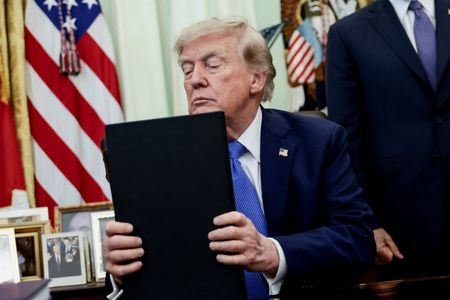
On August 8, 2026, the Trump administration announced a transformative trade policy targeting polysilicon—the critical semiconductor and solar panel component—with a 15% tariff alongside a price floor mechanism. This policy directly impacts the fastest-growing energy sector in the US according to the Energy Information Administration, creating immediate supply chain disruptions and cost pressures for cross-border e-commerce sellers in renewable energy equipment, solar accessories, and semiconductor-dependent products.
Tariff Arbitrage & Sourcing Implications: The 15% tariff on polysilicon-manufactured products fundamentally reshapes sourcing economics for sellers. Chinese polysilicon currently dominates 80%+ of global supply at $0.15-0.25/watt, but the tariff plus price floor mechanism will increase landed costs by 20-35% for imported solar panels and related components. Sellers currently sourcing from China face immediate margin compression—a 500-unit monthly solar panel seller importing at $150/unit will see costs rise to $172.50-202.50/unit. The policy creates a critical 60-90 day window before competitors adjust pricing and sourcing strategies. Sellers must decide: (1) absorb margin losses, (2) shift sourcing to Vietnam/India (tariff-advantaged alternatives), or (3) pivot to domestic US manufacturers at premium pricing.
Market Access & Competitive Shifts: The policy creates a two-tier competitive landscape. Large sellers with established US manufacturing partnerships or Vietnam/India supply chains gain competitive advantage, while small-to-medium sellers relying on direct China imports face 15-25% margin compression. Amazon FBA sellers in the solar accessories category (HS codes 8541.40, 8504.40) will experience inventory cost increases of $8,000-15,000 per 1,000-unit shipment. The policy signals protectionist intent, suggesting additional tariffs on semiconductor-dependent categories (electronics, smart home, industrial equipment) may follow. Sellers should expect supply chain delays of 3-6 weeks as manufacturers adjust sourcing and customs documentation requirements tighten.
Strategic Sourcing Reallocation: Vietnam and India emerge as immediate beneficiaries—both countries have tariff advantages and growing polysilicon capacity. Sellers can legally exploit this arbitrage by: (1) establishing Vietnam-based procurement (tariff rate ~5-8% vs 15%), (2) utilizing India's solar manufacturing incentives under Production-Linked Incentive (PLI) scheme, or (3) exploring Mexico as a USMCA-advantaged alternative. The time-sensitive opportunity window closes within 90 days as competitors execute similar strategies and tariff rates potentially expand to finished goods. Small sellers should prioritize Vietnam sourcing immediately; large sellers should negotiate long-term contracts with Vietnam/India suppliers before pricing adjusts upward.
Questions 8
What are the supply chain risks and delays sellers should anticipate?
The news indicates supply chain delays of 3-6 weeks as manufacturers adjust sourcing strategies and customs documentation requirements tighten. Sellers should anticipate: (1) inventory delays from current Chinese suppliers as they adjust to tariff costs, (2) documentation delays for Vietnam/India sourcing (3-4 weeks for new supplier setup), (3) potential customs holds for HS code verification (1-2 weeks), (4) price volatility as suppliers adjust to tariff costs. Sellers should build 4-6 week buffer inventory by September 2026 before transition period begins. Monitor Amazon FBA inventory levels closely—delayed shipments combined with tariff-driven price increases could trigger IPI score penalties if inventory turns negative. Consider establishing relationships with 3PL providers in Vietnam/India to accelerate sourcing transitions and reduce customs delays.
How can sellers legally exploit tariff arbitrage opportunities in this policy?
The policy creates legal arbitrage opportunities through strategic sourcing reallocation. Sellers can establish Vietnam-based procurement (5-8% tariff advantage), utilize India's PLI scheme subsidies (10-15% cost advantage), or explore Mexico USMCA advantages (0-2% tariff). The key compliance requirement is accurate HS code classification and country-of-origin documentation—misclassification risks 25-50% penalties. Sellers should: (1) engage customs brokers to verify HS codes (8541.40 vs 8504.40 have different tariff rates), (2) establish Vietnam/India supplier relationships with proper documentation, (3) consolidate shipments to achieve volume discounts offsetting tariff costs. The news indicates a 60-90 day window before competitors execute similar strategies—sellers who establish Vietnam sourcing by October 2026 will lock in supplier pricing before market-wide price adjustments. This is a legal arbitrage opportunity, not a loophole, as long as country-of-origin documentation is accurate.