


FDA Food Safety Compliance Crisis | Fresh Produce Sellers Face 42-State Outbreak Impact
- Cyclospora (15 states) and Salmonella (27 states) outbreaks create urgent compliance barriers for fresh produce sellers; 1M+ egg cartons recalled; consumer anxiety drives demand for certified-safe alternatives and traceability solutions










Overview
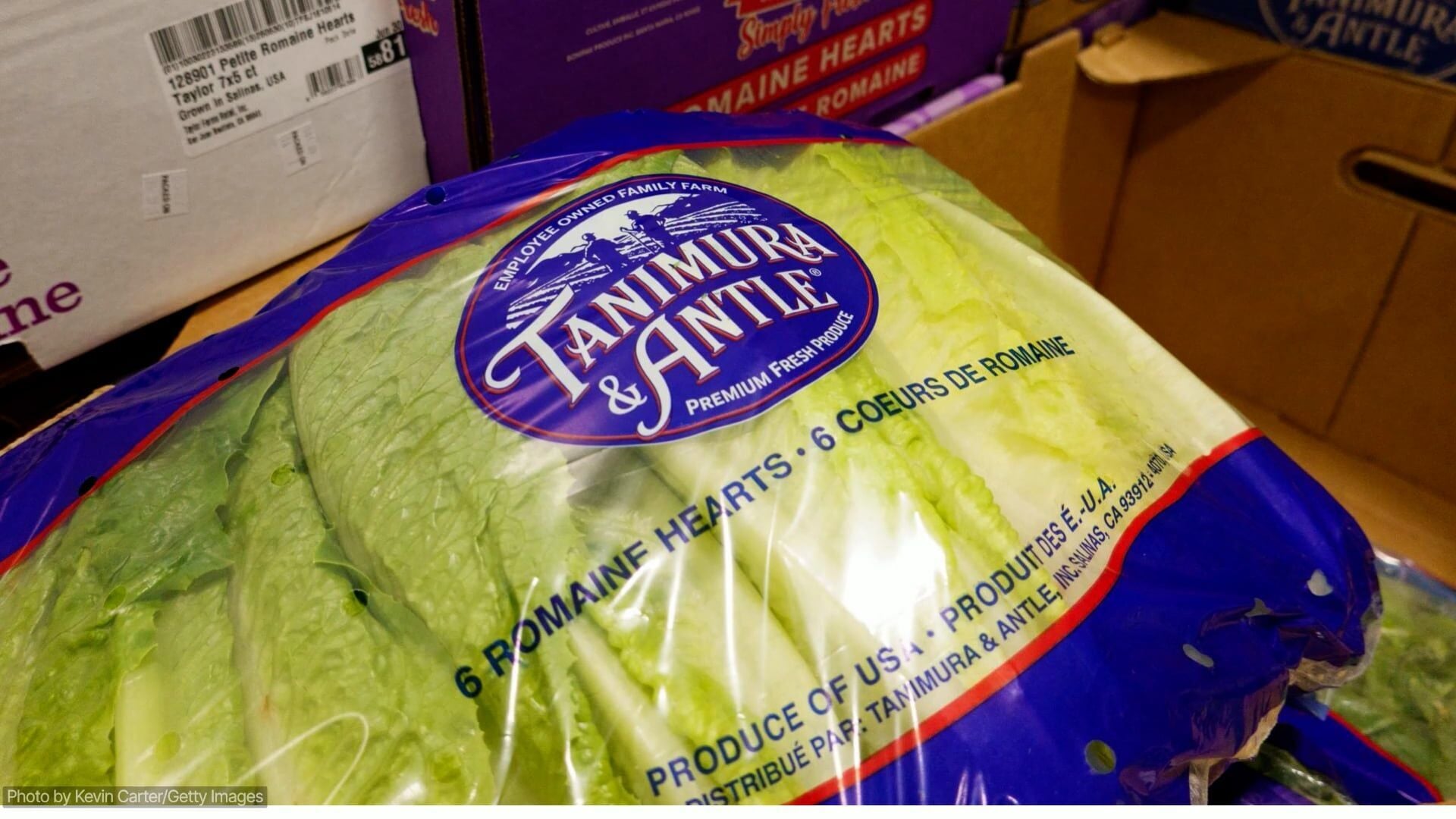
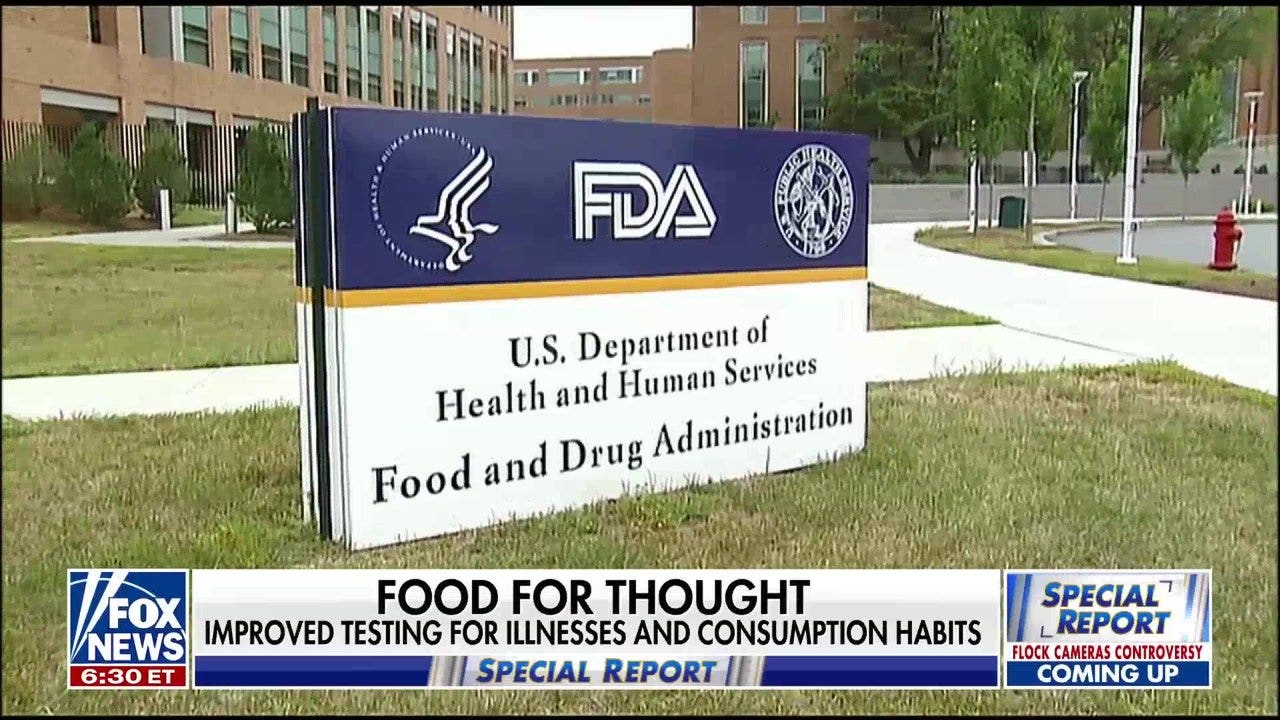
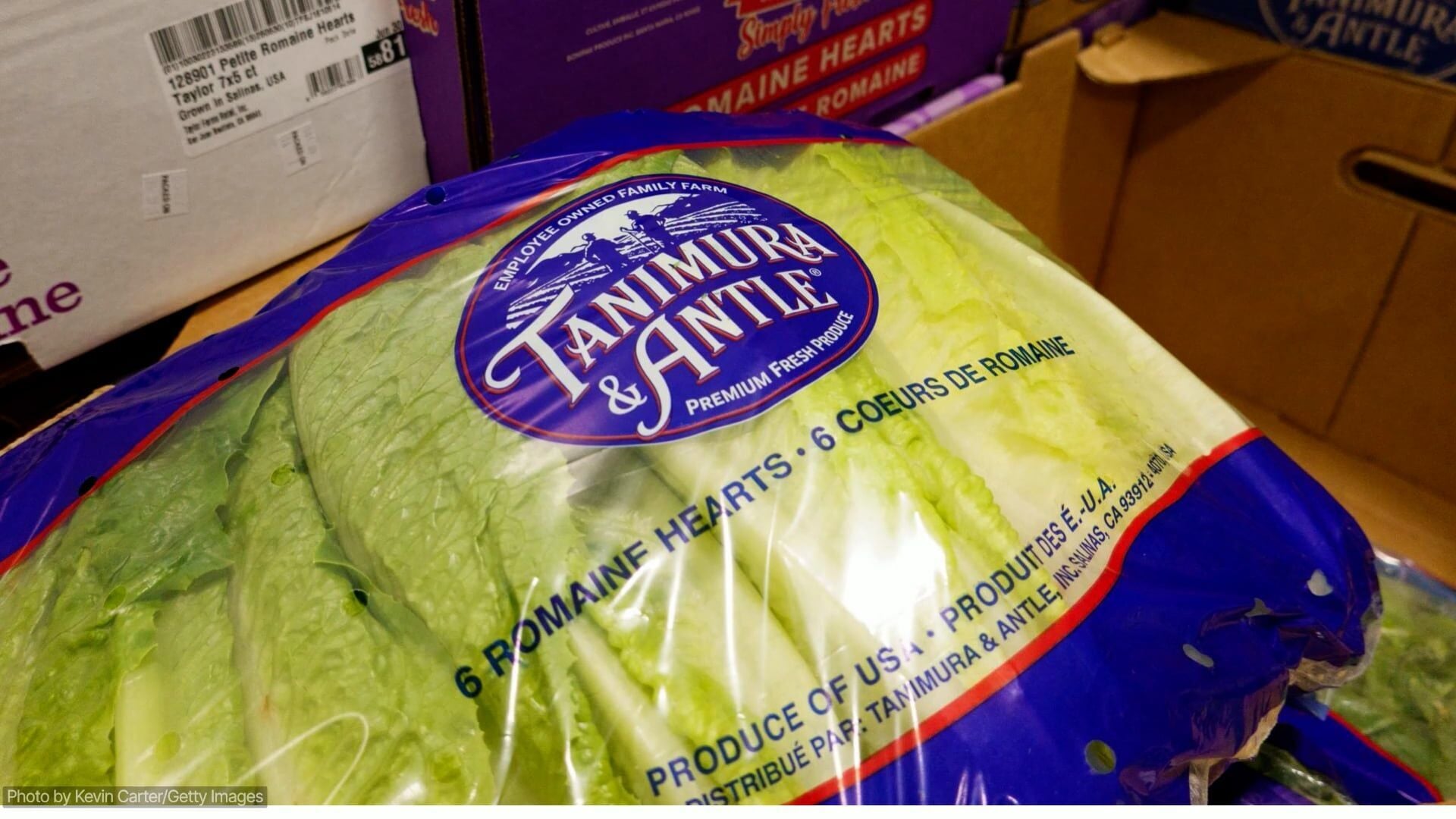
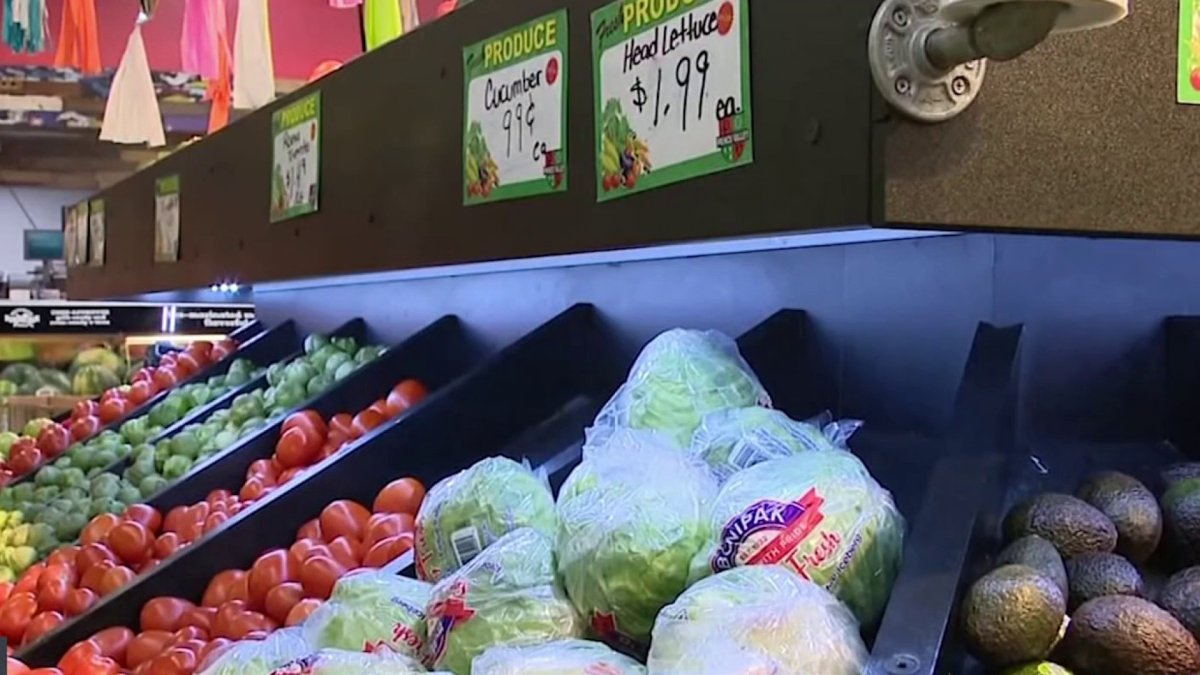
The food safety crisis spanning 42 states represents a critical compliance inflection point for fresh produce and egg sellers on Amazon Fresh, Walmart+, and specialty food platforms. The CDC linked cyclospora cases to iceberg lettuce across 15 states while simultaneously warning of salmonella outbreaks associated with jalapeños affecting 27 states. The FDA announced recalls for berries and over 1 million cartons of eggs—creating immediate compliance barriers that will eliminate non-certified suppliers and establish new market entry requirements.
This outbreak creates a compliance moat favoring sellers with FDA FSMA (Food Safety Modernization Act) certification and supply chain traceability systems. Sellers without documented farm-to-consumer tracking, third-party food safety audits, or HACCP (Hazard Analysis Critical Control Points) certification face potential delisting from major platforms. Amazon Fresh and Walmart+ are likely to implement stricter vendor verification protocols, requiring sellers to provide proof of compliance within 30-60 days. The cost of FSMA compliance ranges from $5,000-$25,000 for small producers, creating a 40-60% elimination rate among non-compliant suppliers. Sellers with existing certifications gain competitive advantage as platforms prioritize verified suppliers during outbreak investigations.
Consumer behavior is shifting dramatically toward premium, traceable alternatives. Dr. Chowdhury's guidance to "explore alternative fresh produce options" and avoid pre-packaged salads signals demand surge for: (1) organic/certified produce with visible traceability (20-35% price premium), (2) locally-sourced vegetables with farm identification, (3) pre-washed salad alternatives with third-party safety certifications, and (4) supplement/vitamin products as salad substitutes. Sellers offering produce with QR-code traceability linking to farm certifications can capture 15-25% margin expansion. The outbreak creates 60-90 day window for compliant sellers to capture market share before non-compliant competitors are delisted.
Compliance service providers face immediate demand surge. Food safety consulting, FSMA certification facilitation, and supply chain traceability software will see 3-5x inquiry volume. Sellers should immediately audit supplier certifications, implement blockchain/QR-based traceability systems, and obtain third-party food safety audits. Non-compliance penalties include platform delisting (immediate revenue loss), FDA fines ($500-$10,000 per violation), and potential criminal liability for sellers knowingly distributing recalled products.
Questions 8
How can sellers use traceability to gain competitive advantage during outbreaks?
Sellers offering produce with QR-code or blockchain traceability linking to farm certifications, harvest dates, and safety test results can command 20-35% price premiums and capture market share from non-compliant competitors. Platforms like Amazon Fresh and Walmart+ prioritize vendors with visible traceability during outbreak investigations. Implementing traceability systems costs $1,000-$5,000 but generates 15-25% margin expansion. Sellers should highlight traceability in product listings and marketing to address consumer anxiety about food safety.
What compliance costs should sellers budget for food safety certification?
FDA FSMA compliance costs range from $5,000-$25,000 depending on operation scale. Third-party audits (SQF/BRC) cost $3,000-$8,000 and require 2-4 weeks. Supply chain traceability systems cost $1,000-$5,000 for implementation. Ongoing compliance monitoring costs $500-$2,000 monthly. Non-compliance penalties include platform delisting (immediate revenue loss), FDA fines ($500-$10,000 per violation), and potential criminal liability. Sellers should prioritize third-party audits first (highest platform credibility) within 30 days.