

Amazon's Texas Data Center Expansion Triggers Environmental Compliance Wave | Seller Infrastructure Costs Rise
- Texas data center pause creates regulatory compliance barriers affecting 474 GW power demand; sellers face potential service disruptions and cost increases as Amazon prioritizes AI infrastructure over traditional e-commerce fulfillment capacity
Overview
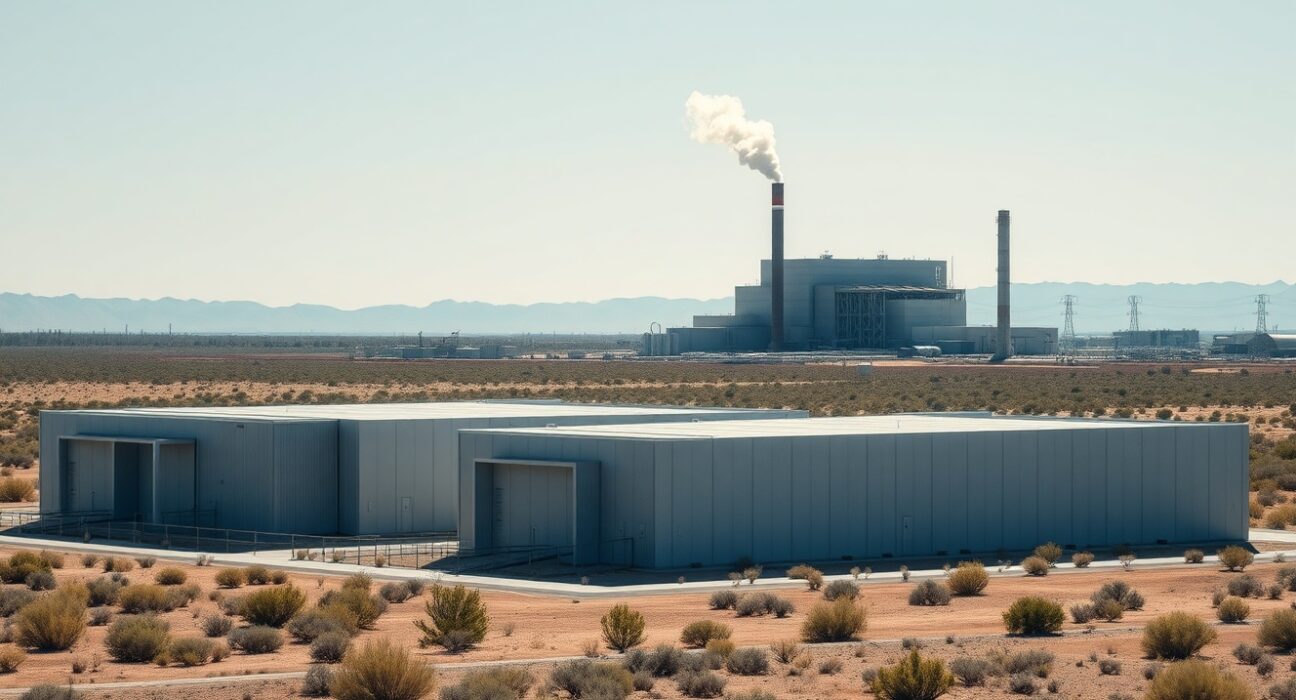
Amazon's construction of a 33-million-ton CO2-annual-emissions data center campus in Pecos County, Texas represents a critical inflection point for e-commerce infrastructure compliance and seller operational costs. The facility, designed to power AI infrastructure rather than traditional FBA fulfillment, signals a fundamental shift in how hyperscalers (Amazon, Microsoft, Google, Meta) allocate capital—away from e-commerce logistics toward AI compute capacity. This creates an immediate compliance and capacity crisis for sellers: Texas Governor Greg Abbott's announced pause on new data center projects pending electricity regulator audits directly impacts Amazon's ability to expand fulfillment infrastructure in the region, while the state's data centers are consuming 474 gigawatts of power requests (5x peak demand) creates regulatory bottlenecks.
The compliance barrier is structural: Environmental regulations around data center emissions, water consumption, and grid impact are tightening across US states. Amazon's own contradiction—rising emissions since 2019 despite net-zero 2040 commitments—signals that regulatory enforcement will intensify. For sellers, this manifests as: (1) Fulfillment capacity constraints in Texas and similar high-scrutiny states, forcing sellers to diversify to 3PL providers or alternative regions at 8-15% higher costs; (2) Compliance service demand surge for carbon accounting, environmental impact assessments, and sustainable logistics certifications; (3) Category winnowing in energy-intensive fulfillment models—sellers relying on next-day delivery in Texas face 30-60 day delays as Amazon deprioritizes traditional FBA expansion.
The regulatory environment creates a high-barrier moat for compliant sellers: Those with established relationships with alternative fulfillment networks (3PLs, regional warehouses) or sellers in lower-scrutiny states gain competitive advantage. Conversely, sellers dependent on Amazon's Texas FBA capacity face forced migration to costlier alternatives. The Trump administration's promotion of "accelerated data center construction through federal land redevelopment" suggests federal-state regulatory conflicts will intensify, creating unpredictable compliance timelines. Sellers should immediately audit their fulfillment dependencies on Texas-based Amazon facilities and model 60-90 day service disruption scenarios. The fastest compliance path: shift 20-30% inventory to established 3PL networks in states with less regulatory scrutiny (Florida, Georgia, North Carolina) within 60 days, reducing Amazon FBA dependency from 70% to 50% of fulfillment volume.
Questions 7
What compliance services will be in highest demand as data center regulations tighten?
Environmental compliance services for e-commerce logistics—carbon accounting, sustainable packaging certification, and grid-impact assessments—will surge as states replicate Texas's regulatory scrutiny. Sellers will need third-party verification of their fulfillment network's carbon footprint to compete on platforms emphasizing sustainability (Amazon Climate Pledge Friendly, eBay Sustainability Initiatives). Compliance service providers offering rapid carbon audits (14-30 days) and sustainable 3PL network mapping will command premium pricing ($2,000-5,000 per seller assessment). Early movers securing compliance certifications gain competitive advantage as regulatory enforcement intensifies.
Which seller categories face the highest risk from Texas data center capacity constraints?
Sellers in high-volume, fast-moving categories (electronics, apparel, home goods) that depend on next-day or 2-day FBA delivery from Texas warehouses face the greatest disruption. These categories typically require 40-60% of inventory in regional fulfillment centers to meet customer delivery expectations. Sellers in lower-velocity categories (specialty items, collectibles) can absorb longer fulfillment timelines with minimal customer impact. The regulatory pause disproportionately affects sellers with 50%+ of FBA inventory in Texas, who should immediately model alternative fulfillment scenarios and negotiate 3PL contracts in Florida, Georgia, or North Carolina within 60 days.