



Fed Rate Decision Impact on Cross-Border Seller Financing Costs | September 2024 Critical Window
- 44% probability of Fed rate hike could increase working capital financing costs 150-250 basis points for sellers; CPI data Wednesday determines borrowing rates for Q4 inventory purchases










Overview
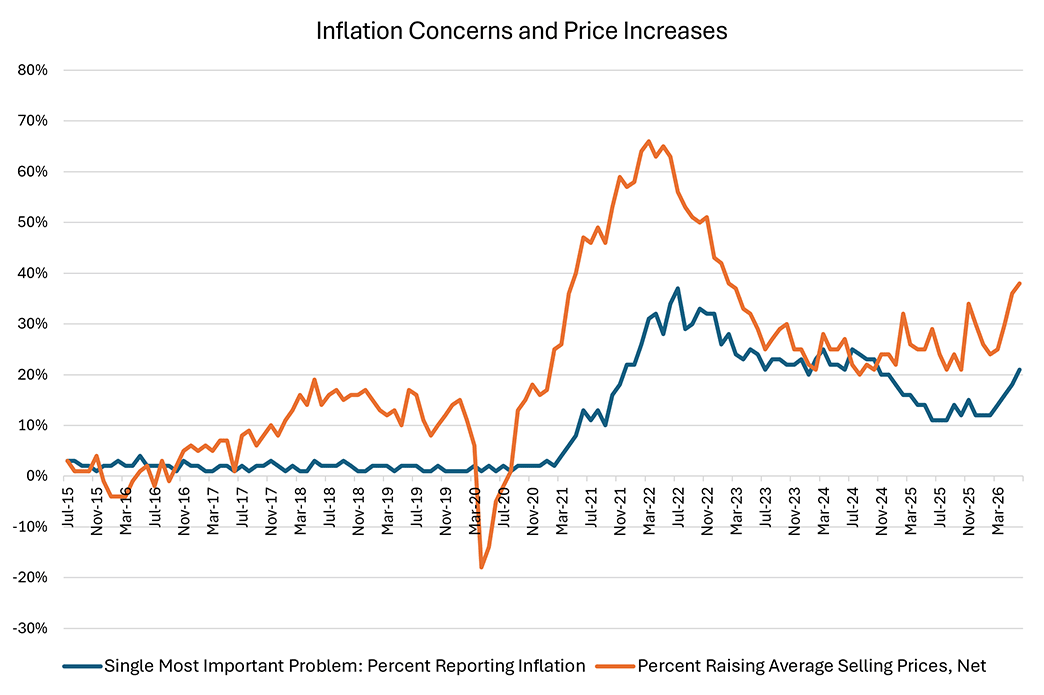
Federal Reserve rate expectations are at a critical inflection point, with immediate implications for cross-border seller financing costs and working capital availability. The news reports that money markets currently price in approximately 44% probability of a Fed rate hike in September, driven by weaker-than-expected July employment data. This creates a narrow window for sellers to lock in financing before potential rate increases. The July Consumer Price Index (CPI) release on Wednesday—forecasted at 3.4% year-over-year versus June's 3.5%—will be the decisive factor determining whether the Fed proceeds with rate hikes in September and beyond.
For cross-border sellers, this rate environment directly impacts three critical financial levers: First, working capital financing costs are at an inflection point. Sellers currently accessing inventory financing, PO financing, or invoice factoring at rates tied to the Fed funds rate (typically prime + 2-4%) face potential increases of 150-250 basis points if the Fed raises rates. A seller financing $500K in Q4 inventory at current rates (~8-9%) could see monthly carrying costs jump from $3,750-4,167 to $5,000-5,417 if rates rise 150 bps. Second, cash conversion cycle optimization becomes urgent. With retail sales data and consumer sentiment indices releasing Friday, sellers must assess whether consumer spending will support aggressive Q4 inventory builds. The semiconductor sector's 80% year-to-date gain but 15% pullback from June peaks signals volatility in tech-adjacent categories—critical for electronics sellers on Amazon, eBay, and Shopify. Third, cross-border payment costs and FX hedging strategies require immediate review. Higher US interest rates typically strengthen the USD, increasing costs for sellers importing from Asia (CNY, JPY, INR) or Europe (EUR). Sellers with unhedged currency exposure face potential 2-4% margin compression if the dollar appreciates 3-5% following a rate hike.
Immediate actions for sellers: Lock in inventory financing rates before Wednesday's CPI release if planning Q4 purchases—rates could increase 50-100 bps within 48 hours of a hawkish inflation print. Review working capital facilities and consider converting variable-rate debt to fixed rates through trade finance providers (Stripe Capital, Fundbox, Clearco) offering 6-12 month terms. For sellers with significant Asia-sourced inventory, implement FX hedging through forward contracts or options strategies to protect against USD strength. Monitor Applied Materials, Cisco, and CoreWeave earnings reports (mentioned as upcoming) for signals on semiconductor supply chain stability, which affects electronics category pricing and availability through Q4.
Questions 7
What does the July CPI forecast of 3.4% mean for my cross-border business?
The forecasted 3.4% CPI (down from 3.5% in June) suggests inflation is moderating, which could reduce the probability of a Fed rate hike from the current 44% to potentially 30-35%. This is positive for sellers because lower inflation expectations typically lead to lower borrowing costs and more stable consumer spending. However, the actual CPI data released Wednesday could surprise in either direction. If inflation comes in higher than 3.4%, the Fed hike probability jumps to 60-70%, triggering immediate rate increases across financing products. Sellers should monitor the Wednesday release closely and be prepared to act within hours if the data is hawkish—locking in rates before they rise.
How will a Fed rate hike in September affect my inventory financing costs?
A Fed rate hike would increase the federal funds rate, which directly impacts prime lending rates and financing products tied to them. If the Fed raises rates 25 basis points in September, sellers using variable-rate inventory financing (PO financing, revolving credit lines) would see costs increase approximately 25-50 basis points within 30 days. For a seller financing $500K in inventory at current 8.5% rates, a 50 bps increase means an additional $2,083 monthly in carrying costs. The news indicates a 44% probability of a September hike, with Wednesday's CPI data being the deciding factor. Sellers should lock in fixed-rate financing immediately if planning Q4 inventory purchases, as rates could increase 50-100 bps within 48 hours of a hawkish inflation report.