




PlayStation Antitrust Ruling Opens Digital Game Resale Market | Seller Opportunity
- Multi-jurisdiction legal cases (UK, US, Netherlands, Mexico, Portugal) challenge Sony's 30% commission monopoly, creating $2B+ opportunity for third-party digital game retailers and alternative distribution platforms


Overview
Sony's PlayStation digital marketplace faces unprecedented antitrust scrutiny across five major jurisdictions, creating a critical compliance and market opportunity for e-commerce sellers. The litigation—valued at £2 billion in the UK and €400 million in the Netherlands—directly challenges Sony's exclusive control over digital game distribution and 30% developer commission structure. This represents a fundamental shift in how digital products are regulated, with implications extending far beyond gaming to all proprietary digital marketplaces.
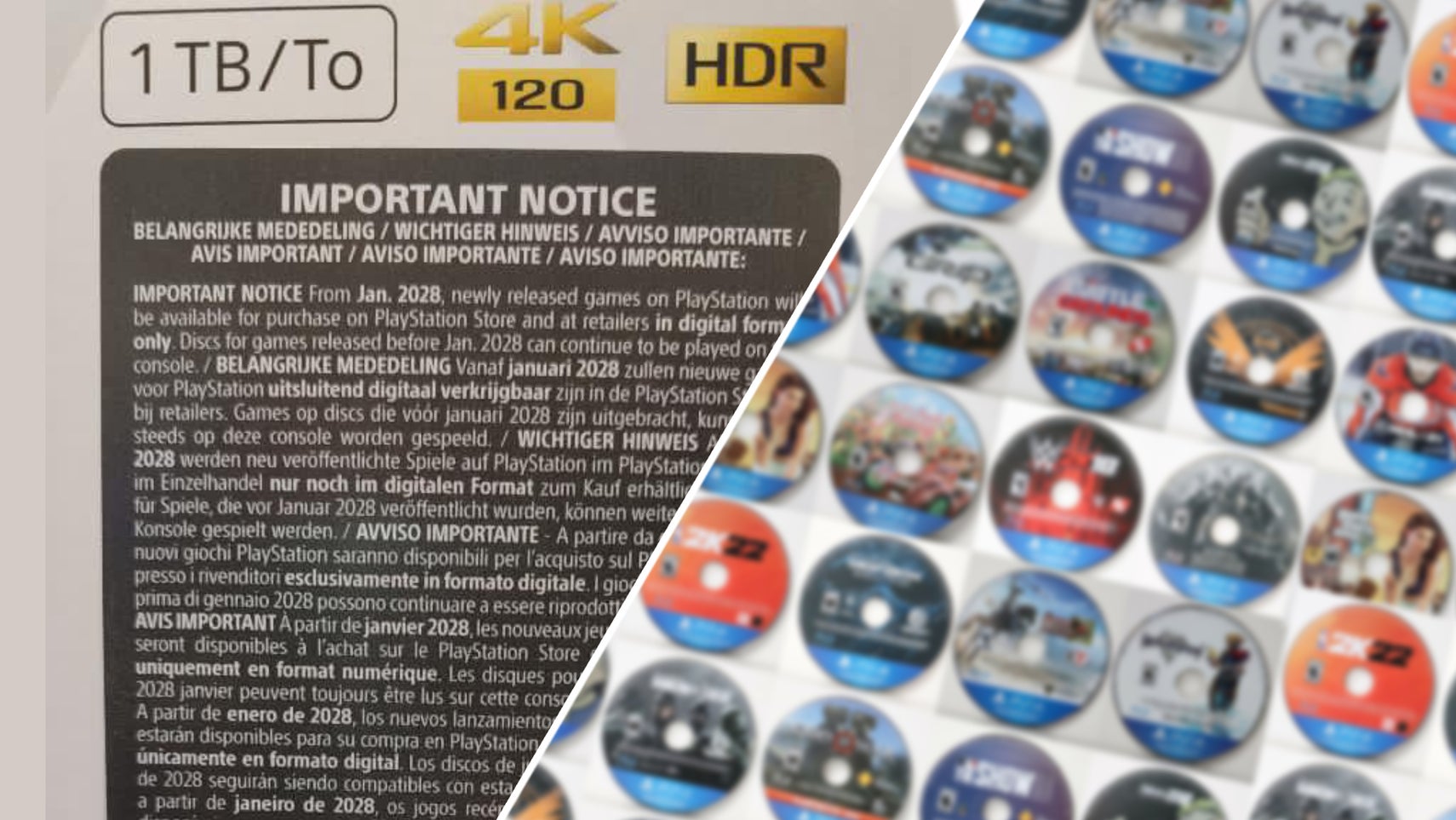
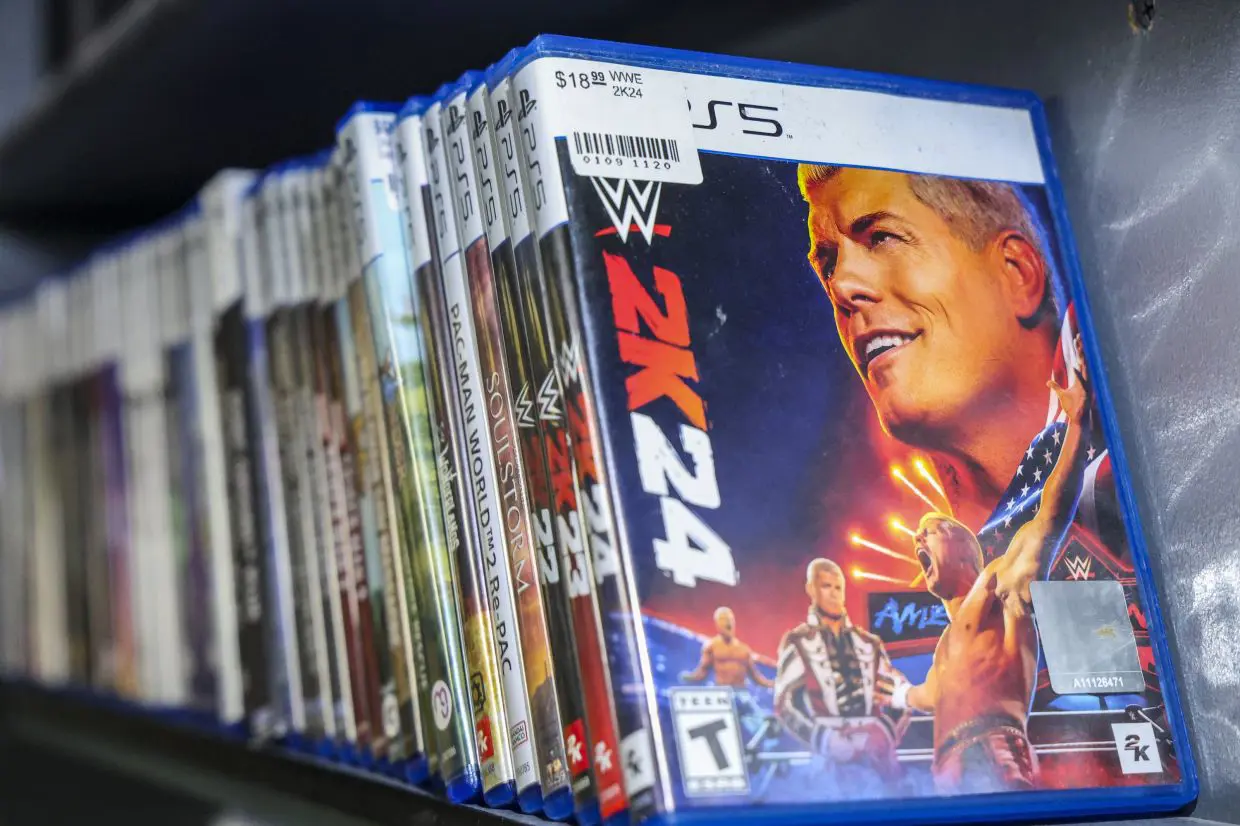
The compliance barrier is collapsing. Sony's 2019 decision to eliminate third-party retailer distribution of digital game codes created an artificial monopoly that regulators now view as anticompetitive. Digital PlayStation games currently cost approximately 20% more than physical equivalents, while developers pay 30% commissions—rates that courts across multiple jurisdictions are finding excessive. The UK case (Alex Neill v. Sony) and Dutch case (Stichting Massaschade Consument representing 1.7 million users) establish precedent that hardware manufacturers cannot unilaterally control digital distribution on their platforms. Mexico's regulatory approach—requiring peso-denominated pricing compliance—signals that enforcement is already active, not merely theoretical.
For e-commerce sellers, this creates three immediate opportunities: First, third-party digital game code retailers can now legally operate in markets where Sony previously blocked them, capturing margin that previously flowed to Sony. Sellers can source legitimate game codes from publishers and resell at 10-15% discounts to physical equivalents, undercutting PlayStation Store pricing while maintaining healthy margins. Second, alternative distribution platforms (Steam, Epic Games Store, GOG) gain regulatory validation to expand console game distribution, creating new seller channels. Third, gaming accessory and complementary product sellers benefit from increased console adoption driven by lower game prices—lower software costs drive hardware sales, expanding the addressable market for controllers, headsets, and gaming furniture.
The regulatory precedent extends to Amazon, eBay, and Shopify sellers in digital products. If courts determine that 30% commissions on closed platforms are anticompetitive, this logic applies to app stores, digital music, e-books, and software distribution. Sellers currently paying 15-30% commissions to platform gatekeepers should monitor these cases closely—favorable rulings could enable direct-to-consumer digital distribution without platform intermediaries. The July 2024 US settlement rejection indicates courts are taking a hardline stance, suggesting enforcement will intensify rather than settle quietly.
Compliance timeline is accelerating. Mexico already enforces local pricing requirements; UK and Dutch cases are advancing through courts; US litigation remains active. Sellers should expect regulatory decisions within 12-18 months that will reshape digital distribution. The fundamental question—whether hardware manufacturers can maintain exclusive control over digital marketplaces—is being answered: no. This creates a 6-12 month window for sellers to establish alternative distribution channels before market consolidation occurs around compliant platforms.
Questions 7
Which alternative gaming platforms benefit most from this antitrust precedent?
Steam, Epic Games Store, and GOG gain regulatory validation to expand console game distribution, reducing Sony's competitive moat. These platforms can now legally offer PlayStation game codes and compete on price. Sellers should prioritize partnerships with these platforms as they expand console game catalogs. Additionally, emerging platforms (Discord, Twitch) may enter digital game distribution, creating new seller channels. The precedent suggests that any platform claiming exclusive distribution rights will face antitrust scrutiny, making multi-platform distribution the regulatory-compliant standard going forward.
How can gaming accessory sellers capitalize on this antitrust ruling?
Lower digital game prices drive hardware adoption—when games cost 20% less, console sales increase as the total cost of ownership drops. Sellers of gaming controllers, headsets, chairs, and accessories benefit from expanded console user bases. Additionally, the ruling validates alternative distribution platforms (Steam, Epic Games Store, GOG) for console games, creating new marketing channels. Sellers should increase inventory of complementary products 15-20% in Q2-Q3 2025 to capture demand surge from price-sensitive gamers entering the market. Bundle strategies (game codes + accessories) become viable as third-party retailers can now offer integrated packages.