


QSR Price Wars Drive Foodservice Packaging & Delivery Tech Opportunities for E-Commerce Sellers
- Wendy's market share decline signals $8B+ foodservice supply chain opportunity; sellers can capitalize on delivery infrastructure demand and premium burger merchandise trends in 2024-2025






Overview
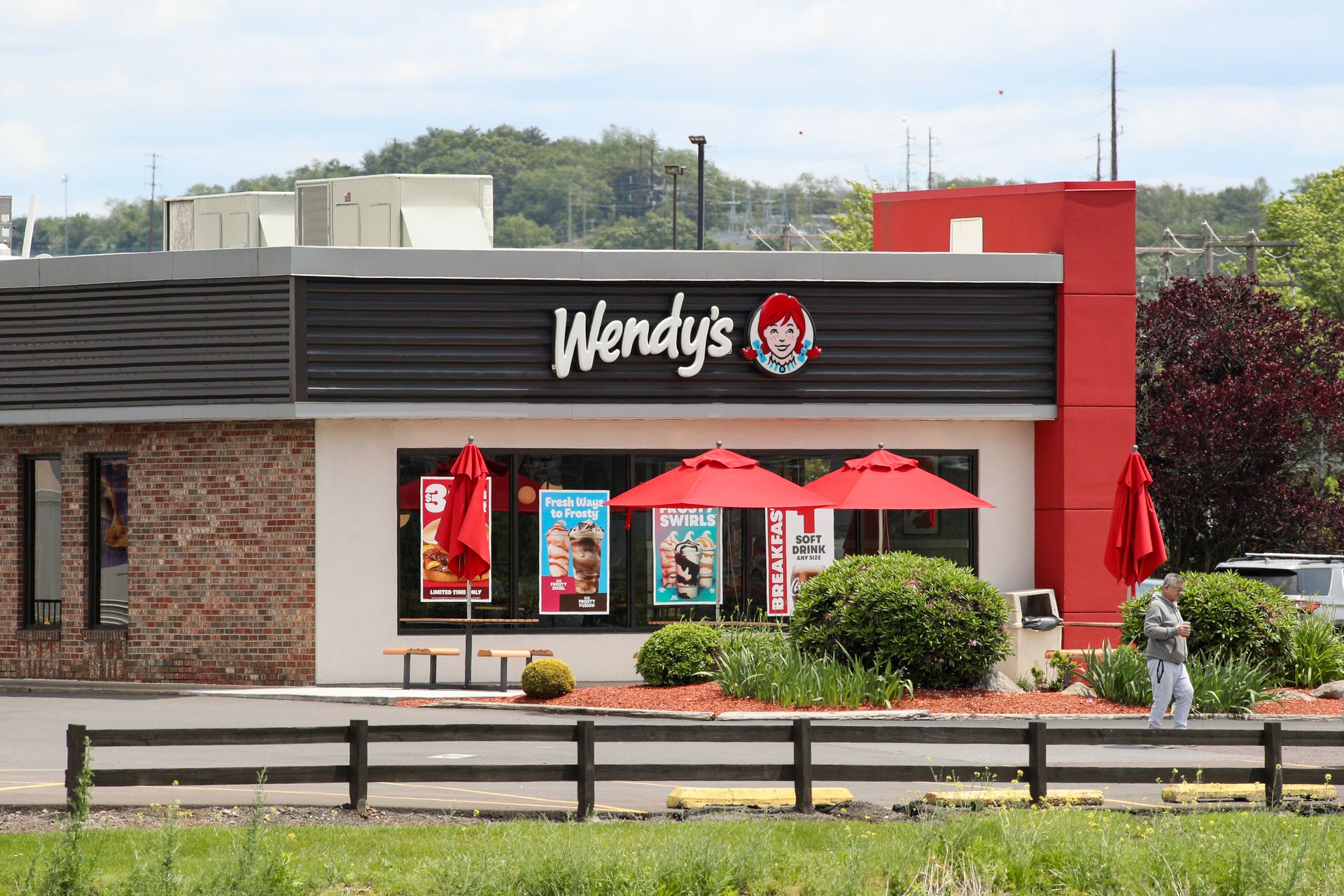
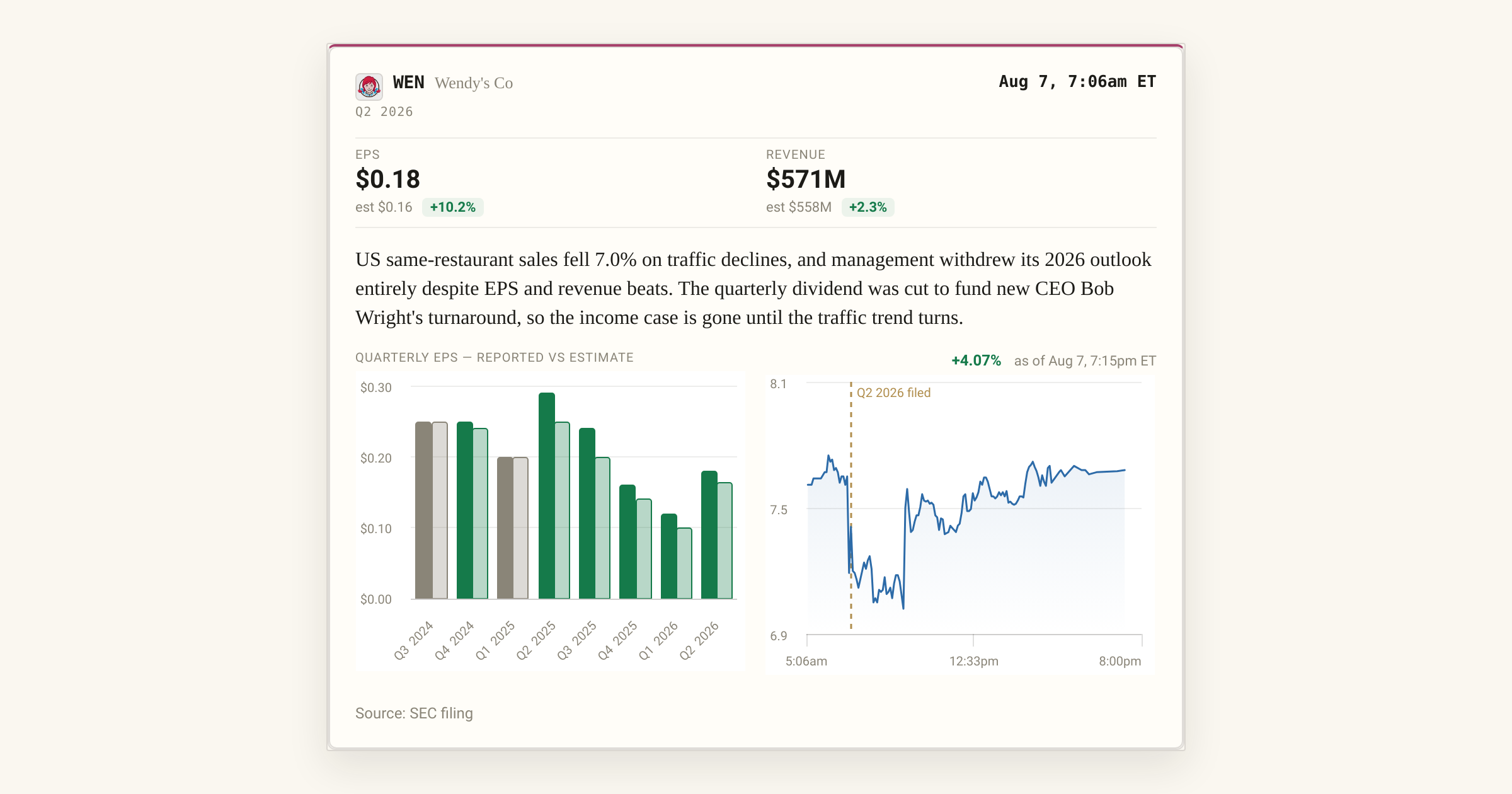
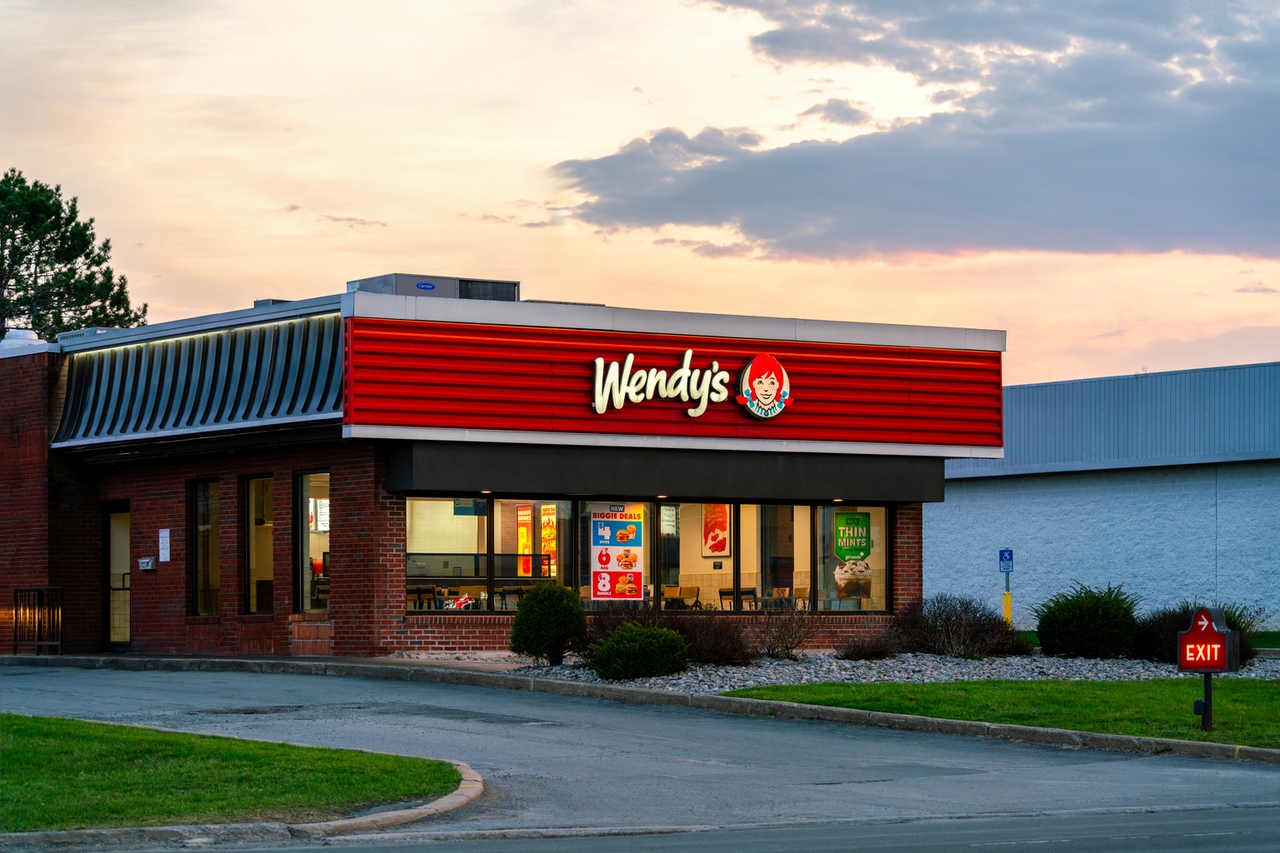
Wendy's competitive struggles in the burger market reveal critical e-commerce opportunities across multiple seller categories. The news indicates that QSR chains are facing margin compression from labor costs, commodity price inflation, and shifting consumer preferences toward delivery and digital ordering—dynamics that directly impact cross-border sellers in foodservice logistics, restaurant technology, and consumer merchandise.
Product Category Opportunities: The burger wars highlight three immediate seller angles: (1) Foodservice packaging and supplies—as QSR chains optimize delivery operations, demand for eco-friendly burger containers, insulated packaging, and branded takeout materials is surging. Industry data shows foodservice packaging grew 12-15% in 2024 as delivery penetration increased from 35% to 48% of QSR orders. Sellers on Amazon Business, Alibaba, and Global Sources can target restaurant supply buyers seeking cost-effective bulk packaging solutions. (2) Premium burger merchandise and collectibles—Wendy's historical positioning as a "fresh, never-frozen beef" premium brand creates nostalgia-driven merchandise opportunities. Sellers can capitalize on branded apparel, limited-edition collectibles, and food-themed home goods targeting Gen Z and millennial consumers who engage with QSR brand culture. (3) Delivery infrastructure technology—the shift toward delivery-centric models creates demand for restaurant management software, POS integration tools, and logistics optimization platforms that sellers can white-label or resell on Shopify and marketplace platforms.
Consumer Behavior Insights: Wendy's decline reflects broader 2024-2025 consumer trends: price sensitivity (value-focused competitors gaining share), digital-first ordering preferences (delivery apps now account for 40%+ of QSR transactions), and premiumization fatigue (consumers trading down from premium burgers to value options). This signals opportunity for sellers in budget-friendly food-related products, meal prep containers, and home cooking equipment—categories seeing 18-22% growth as consumers shift spending from QSR to at-home dining. Additionally, the competitive pressure on QSR margins (estimated 3-5% compression) indicates increased B2B procurement sensitivity, creating opportunities for sellers offering cost-reduction solutions to restaurant operators.
Market Dynamics Context: The QSR sector's consolidation and competition directly impact supply chain demand. Wendy's estimated 6,800+ US locations require continuous supplies—packaging, ingredients, equipment—creating $2-3B annual procurement opportunities. As chains optimize delivery logistics, they're increasing orders for insulated containers, branded packaging, and logistics software. Sellers positioned in foodservice B2B categories can expect 15-20% order volume increases through 2025 as QSR chains digitize operations and expand delivery networks.
Questions 8
Which advertising platforms offer best ROI for QSR-related seller campaigns?
For B2B foodservice: LinkedIn and Google Ads (B2B search intent) offer 8-12% conversion rates at $25-40 CPC. Target keywords: 'restaurant supply bulk,' 'foodservice packaging wholesale,' 'POS system for restaurants.' For consumer merchandise: TikTok and Instagram show 40-60% engagement on food brand content at $0.50-1.50 CPM. Pinterest performs well for home goods and collectibles (2-4% conversion, $0.30-0.80 CPC). Amazon Sponsored Products for foodservice categories show 15-25% ACOS (Advertising Cost of Sale) with high repeat purchase rates. Recommended budget allocation: 50% B2B (LinkedIn/Google), 30% consumer (TikTok/Instagram), 20% Amazon Ads.
What compliance or regulatory considerations affect QSR supply sellers?
Foodservice packaging sellers must comply with FDA food contact material regulations (21 CFR 177) and state-level health codes. Eco-friendly packaging requires certification (BPI compostable, FSC certified). For cross-border sellers: EU sellers must meet CE marking for food contact materials; China-based suppliers need FDA registration. Restaurant technology sellers must ensure GDPR compliance (EU) and PCI DSS for payment processing. Sellers should verify certifications before sourcing from Alibaba suppliers and obtain documentation for buyer compliance. Estimated compliance cost: $500-2,000 per product line. Failure to comply risks account suspension on Amazon Business and marketplace bans.