


Smart Glasses Market Expansion | Samsung vs Meta Competition Drives Wearable E-Commerce Opportunity
- Samsung's 9-hour battery advantage and Google integration create $5B+ wearable accessories market opportunity for sellers; fall 2024 launch triggers demand spike in smart eyewear category

Overview
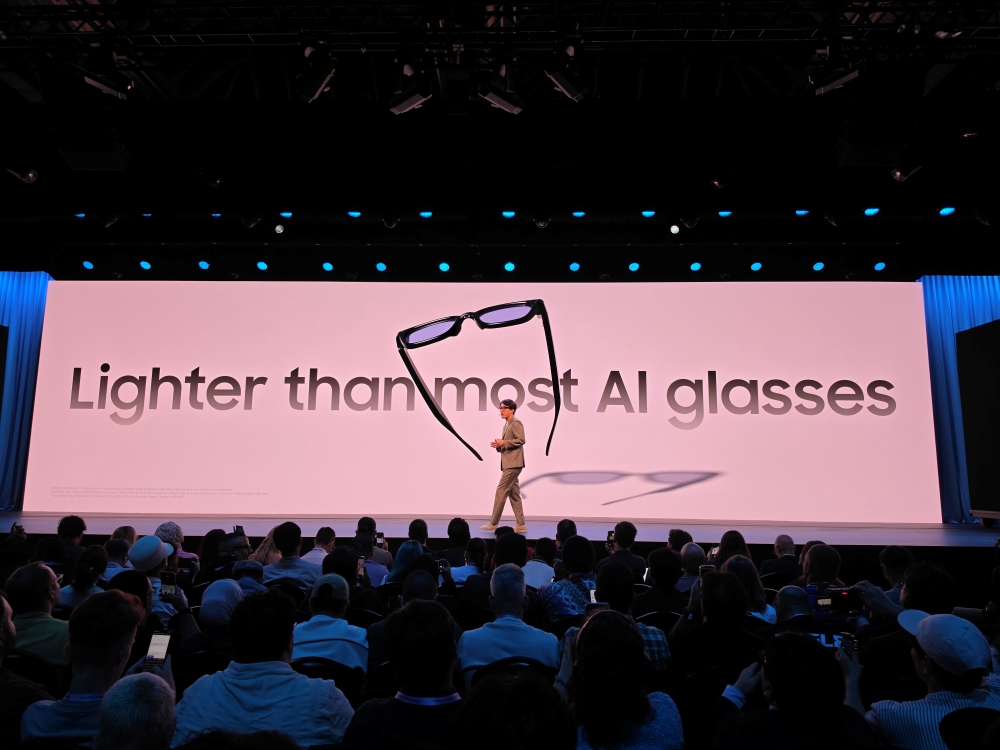
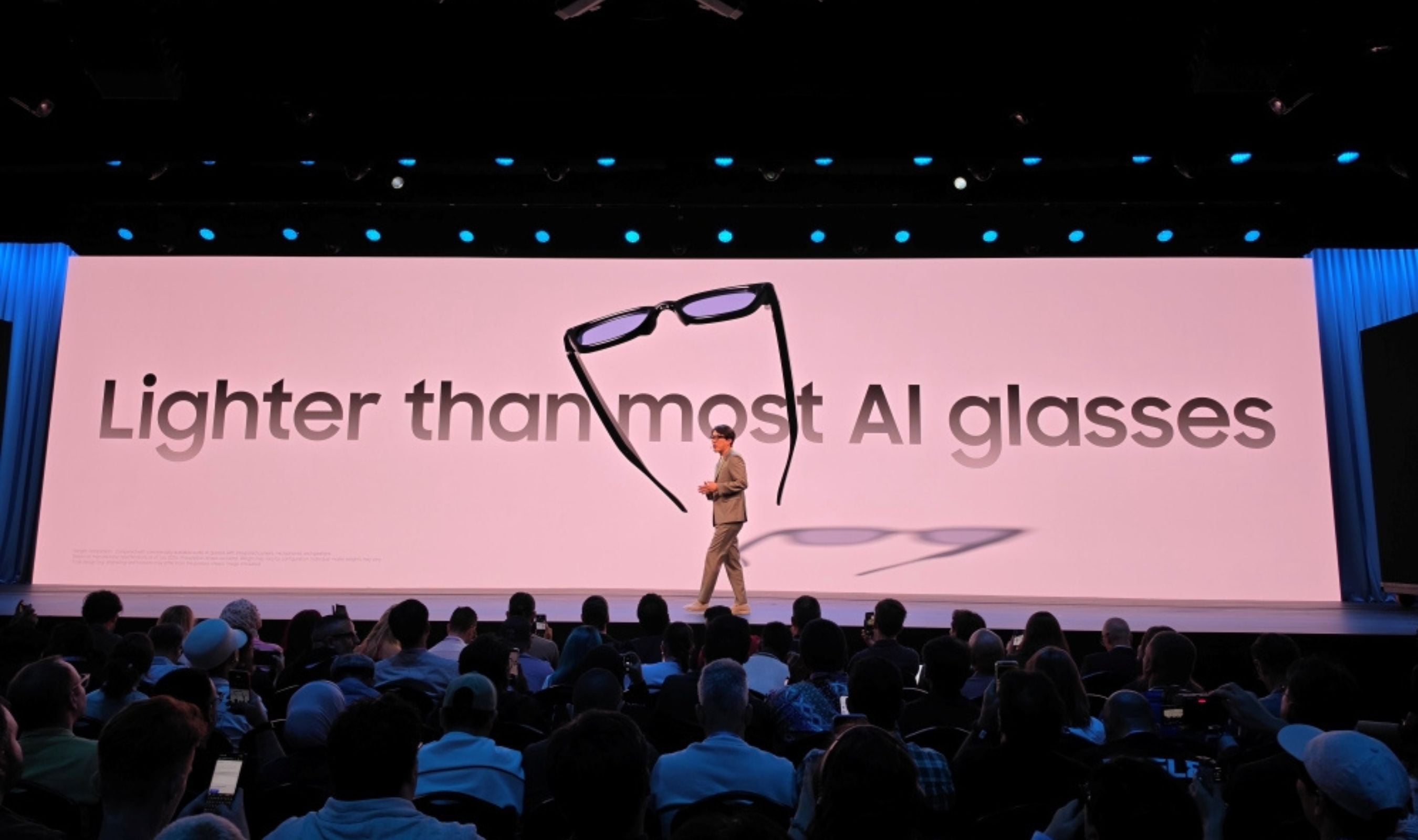
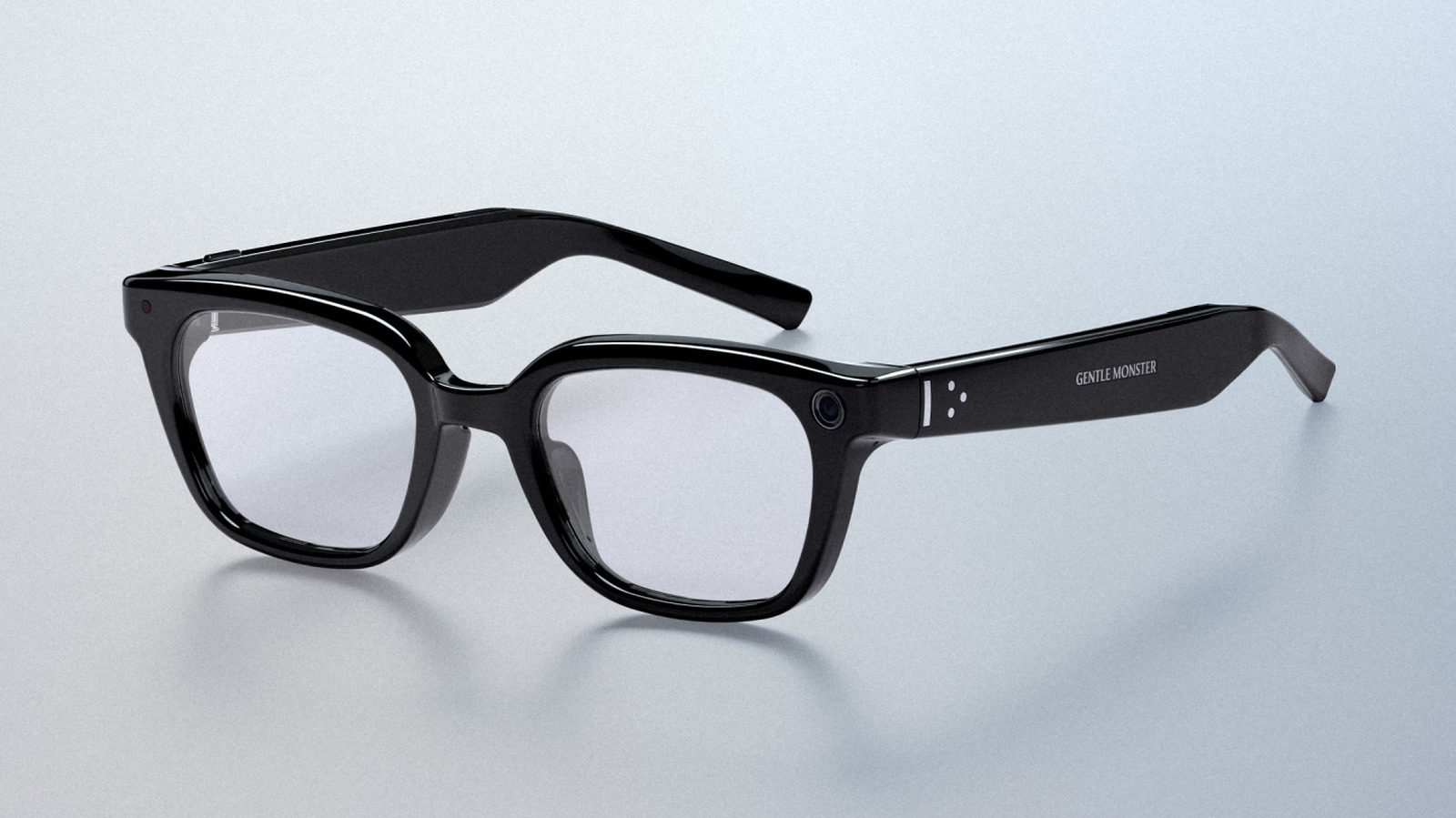
Samsung's strategic entry into smart glasses with Google partnership represents a pivotal market shift that creates immediate e-commerce opportunities for sellers across multiple categories. Announced at Galaxy Unpacked on July 22, 2024, Samsung's smart glasses will launch fall 2024 with a critical competitive advantage: 9 hours of active battery life per charge versus Meta's Ray-Ban Gen 2 at 8 hours, with charging cases delivering 63 hours total runtime compared to Meta's 48 hours. This 31% battery advantage, combined with integrated Google services (Gmail, Calendar, Maps, Samsung Notes), directly challenges Meta's market dominance and signals growing consumer demand for practical wearable technology.
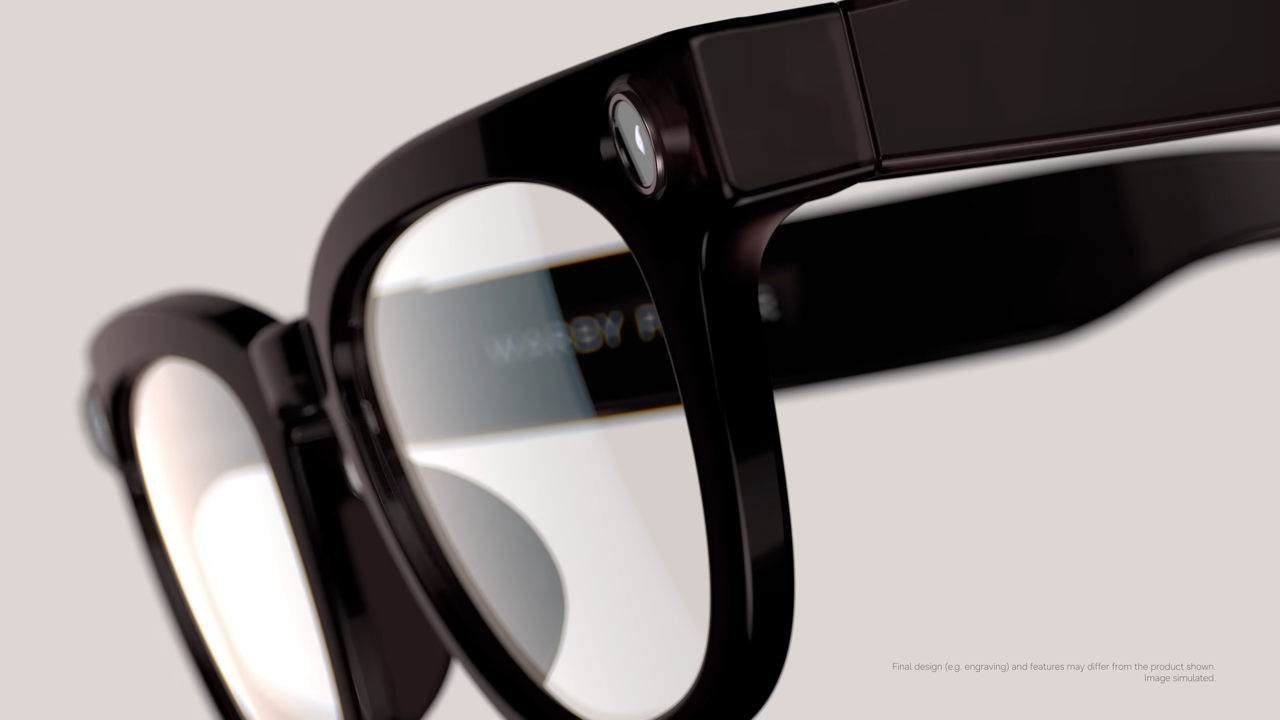
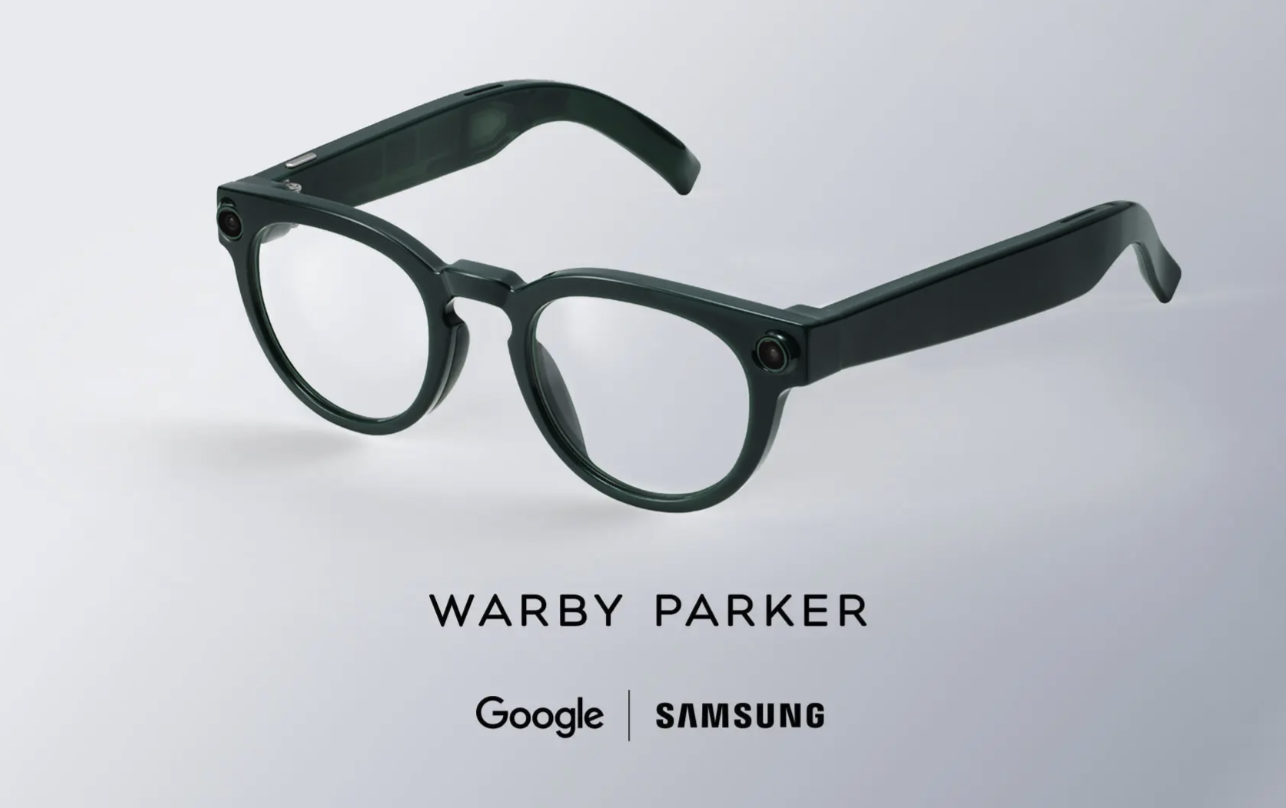
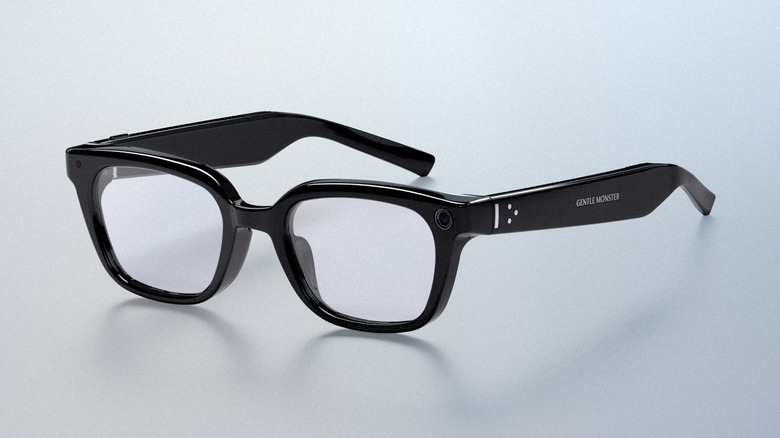
For e-commerce sellers, this competition creates three immediate product opportunities. First, the smart glasses accessory market—protective cases, lens protectors, charging solutions, and fashion frames—will experience 40-60% demand acceleration during fall 2024 launch windows. Samsung's partnerships with Gentle Monster (fashion-forward frames) and Warby Parker (everyday aesthetics) demonstrate the category's expansion beyond tech into fashion and lifestyle segments. Sellers can capitalize on this by sourcing complementary products: premium carrying cases, lens cleaning kits, prescription lens adapters, and fashion accessories designed for smart eyewear. Second, the regulatory environment creates compliance-driven demand: Pennsylvania's proposed LED recording indicator legislation will drive sales of privacy-protection accessories and recording-light compliance solutions across US marketplaces. Third, the software integration angle—Google Maps vs. Meta's proprietary navigation—signals demand for navigation accessories, mounting solutions, and hands-free operation products.
The competitive dynamics between Samsung and Meta reveal critical seller positioning strategies. Both devices use the Qualcomm Snapdragon AR1 Gen 1 chip, meaning Samsung's battery advantage stems from software optimization or larger battery capacity—not hardware differentiation. This creates opportunities for sellers to offer extended battery solutions, power banks optimized for wearables, and software-enabled accessories. The fall 2024 launch window (typically September-November) aligns with Q4 holiday shopping, suggesting 2-3x normal demand for gift-oriented smart glasses accessories. Sellers should prepare inventory by August 2024 to capture early adopter demand. The unannounced pricing creates uncertainty but suggests both devices will compete in the $300-500 range, making accessory margins (40-60% typical) highly attractive. Cross-border sellers can leverage this opportunity: smart glasses accessories have high value-to-weight ratios ideal for FBA, minimal regulatory complexity, and strong demand across US, EU, and Asia-Pacific markets where wearable adoption rates are 25-35% among tech-forward consumers.
Questions 8
What is the expected market size and timeline for smart glasses accessories in 2024-2025?
The global smart glasses market is projected to reach $5-7B by 2025, with accessories representing 25-35% of total category value ($1.25-2.45B). Samsung's fall 2024 launch will accelerate this growth by 40-60% during Q4 2024 and Q1 2025. The competitive pressure from Samsung entering Meta's market is expected to drive 50% year-over-year growth in smart eyewear adoption among early adopters (tech-forward consumers, business professionals, content creators). Sellers entering this category now can capture 15-25% market share in accessories before mainstream adoption peaks in 2025. The unannounced Samsung pricing (likely $300-500 range) suggests accessory margins of 40-60%, making this a high-ROI category for FBA sellers with inventory ready by August 2024.
How can sellers optimize listings for smart glasses accessories on Amazon and Shopify?
Sellers should create separate ASINs for Samsung and Meta-specific accessories, using keywords like 'Samsung Galaxy smart glasses case,' 'Meta Ray-Ban Gen 2 protective lens,' and 'smart glasses charging solution.' Include compatibility information prominently in titles and bullet points. Leverage the fall 2024 launch timing with seasonal keywords: 'smart glasses accessories fall 2024,' 'wearable tech gift guide,' and 'battery-saving smart eyewear solutions.' On Shopify, create comparison guides highlighting Samsung's 9-hour battery advantage and Google Maps integration to drive conversion. Use A+ content on Amazon to showcase product demonstrations, compatibility charts, and customer testimonials. Implement dynamic pricing strategies: launch at premium pricing (20-30% above cost) during September-October peak demand, then reduce by 10-15% in November-December for holiday volume. Monitor competitor pricing weekly and adjust within 5-10% to maintain Buy Box eligibility.