


China PPI Falls to 3.5% in July 2024 | Sourcing Cost Relief & Contract Renegotiation Window for Cross-Border Sellers
- Producer price inflation drops 60 basis points month-over-month; oil extraction/refining PPI falls 11.8%-8.4%; immediate opportunity to lock favorable supplier pricing before demand recovery























Overview
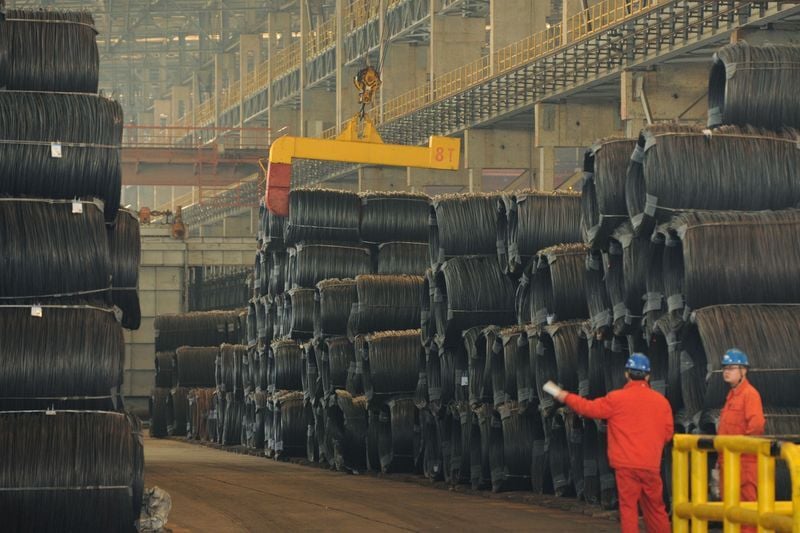
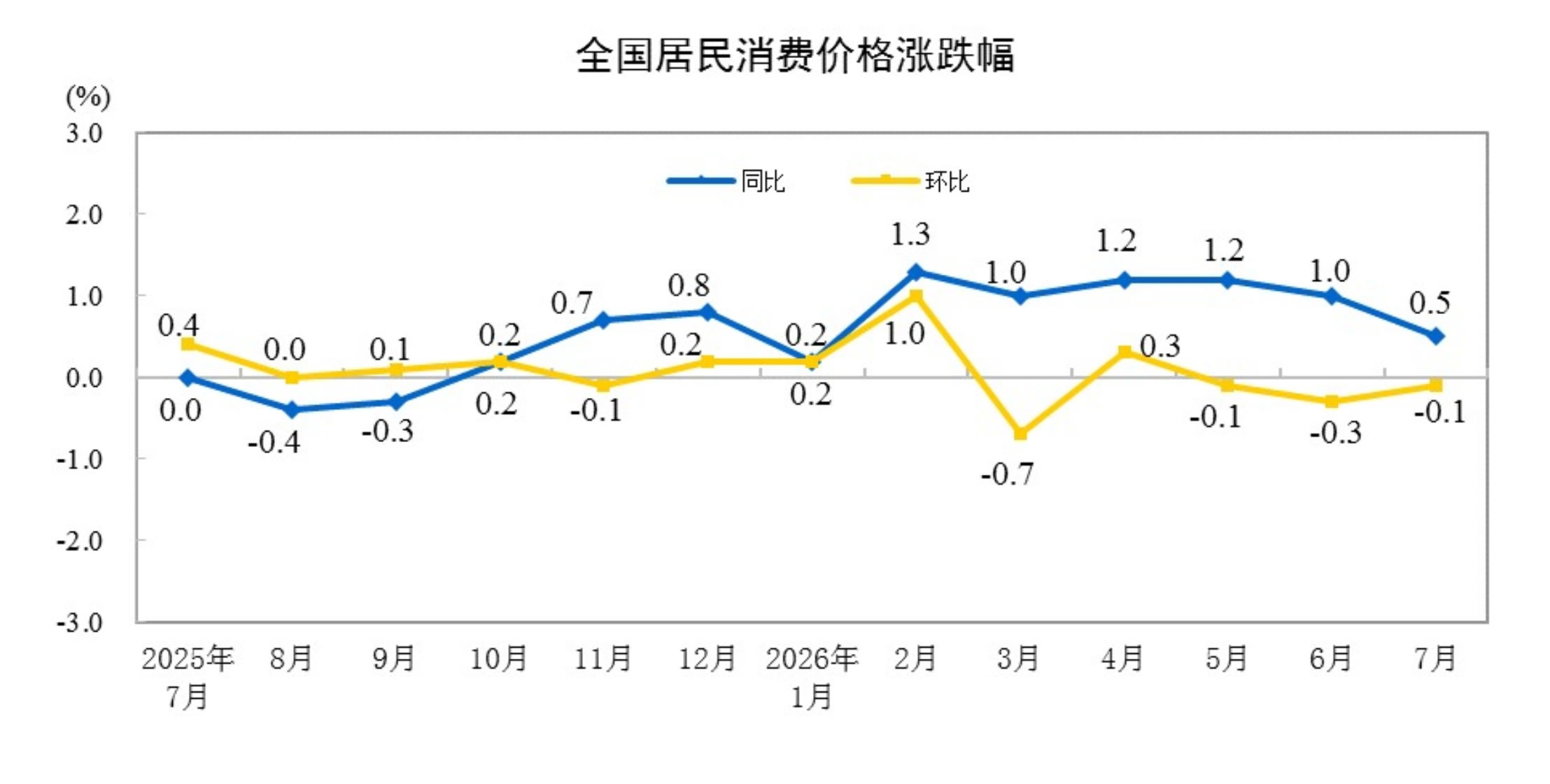
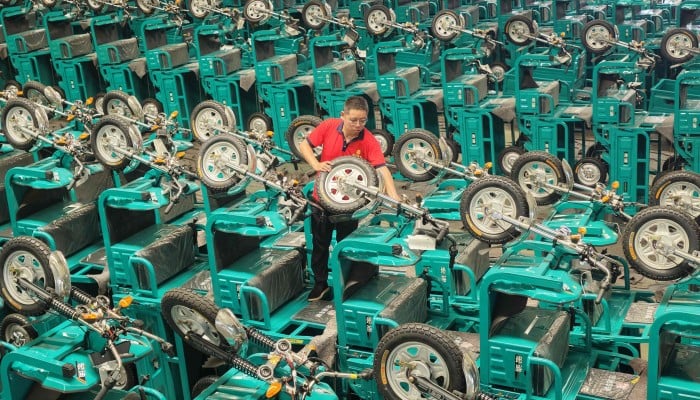
China's factory-gate inflation decelerated sharply in July 2024, with the Producer Price Index (PPI) falling to 3.5% year-over-year from 4.1% in June—marking the first slowdown since geopolitical tensions in the Middle East spiked global oil prices. According to National Bureau of Statistics data released August 9, 2024, this represents a critical inflection point for cross-border e-commerce sellers sourcing from China. The cooling reflects two structural shifts: (1) lower global oil prices easing energy cost pressures, with oil extraction and refining PPI declining 11.8% and 8.4% month-on-month respectively, and (2) weakening domestic demand across China's economy, with factory activity contracting to a four-month low.
For sellers sourcing from China, this inflation moderation translates directly to reduced manufacturing costs and improved margin opportunities. The PPI decline signals that upstream commodity prices—oil, gas, non-ferrous metals, and chemicals—are normalizing after months of volatility driven by Iran conflict concerns. Sellers relying on Chinese suppliers can expect more stable input costs for goods manufactured in facilities dependent on energy-intensive processes (electronics, plastics, textiles, chemicals). The month-on-month PPI decline of 0.7% indicates momentum toward further cost reductions. However, Goldman Sachs analyst Chen Xinquan noted that "mid- and downstream manufacturers remain squeezed between elevated input costs and weak domestic demand," suggesting manufacturers may retain cost savings rather than pass them through immediately. This creates a critical 4-8 week window for sellers to renegotiate supplier contracts and lock in favorable pricing before competitive pressures force manufacturers to absorb margin compression.
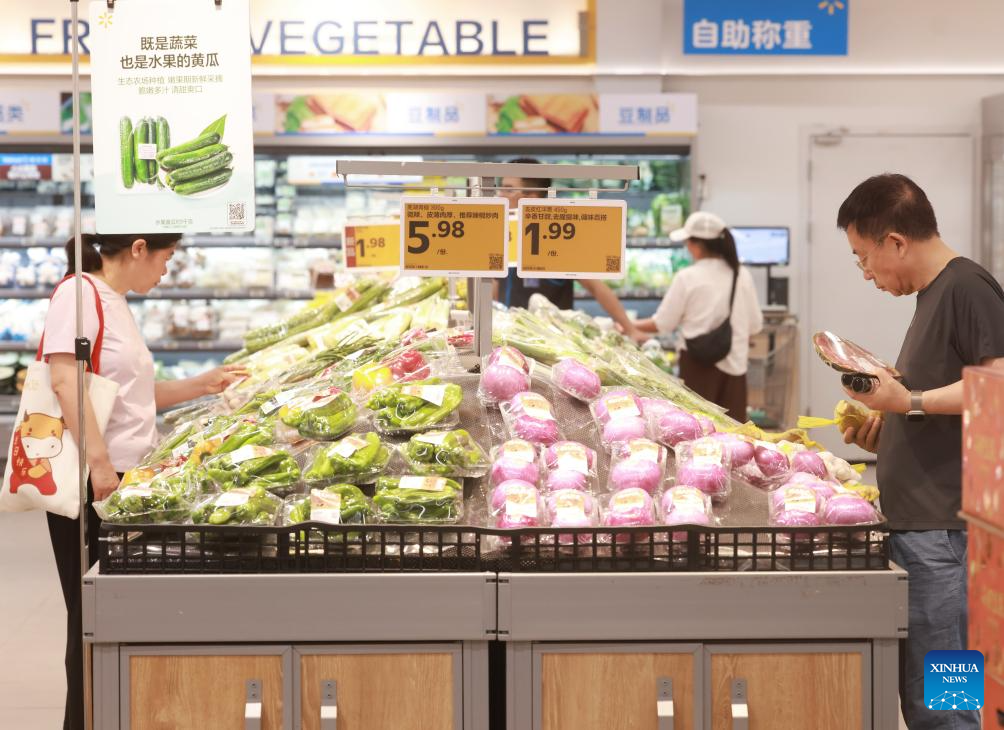
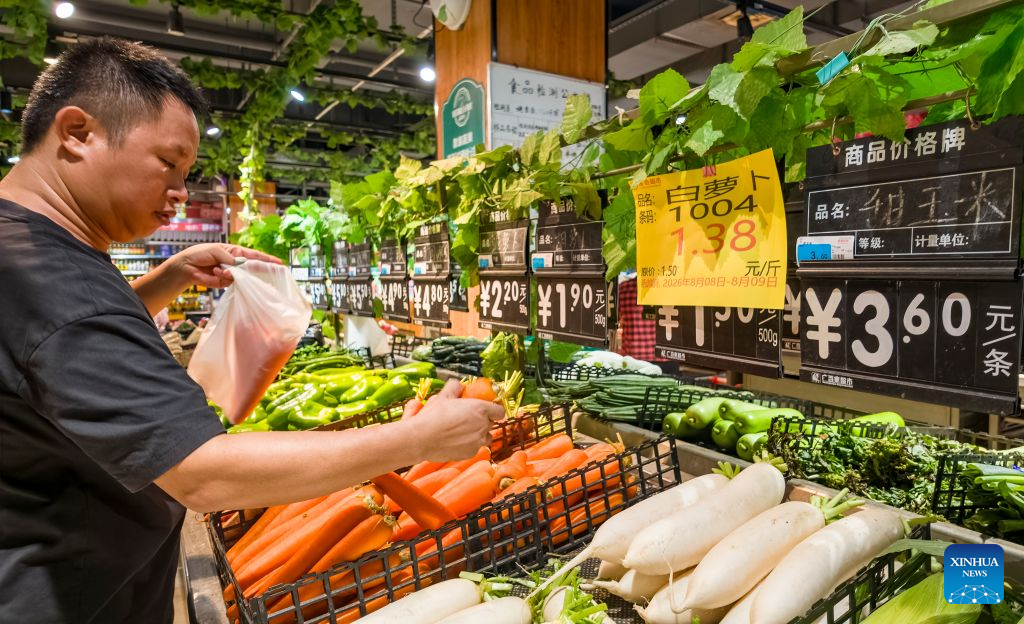
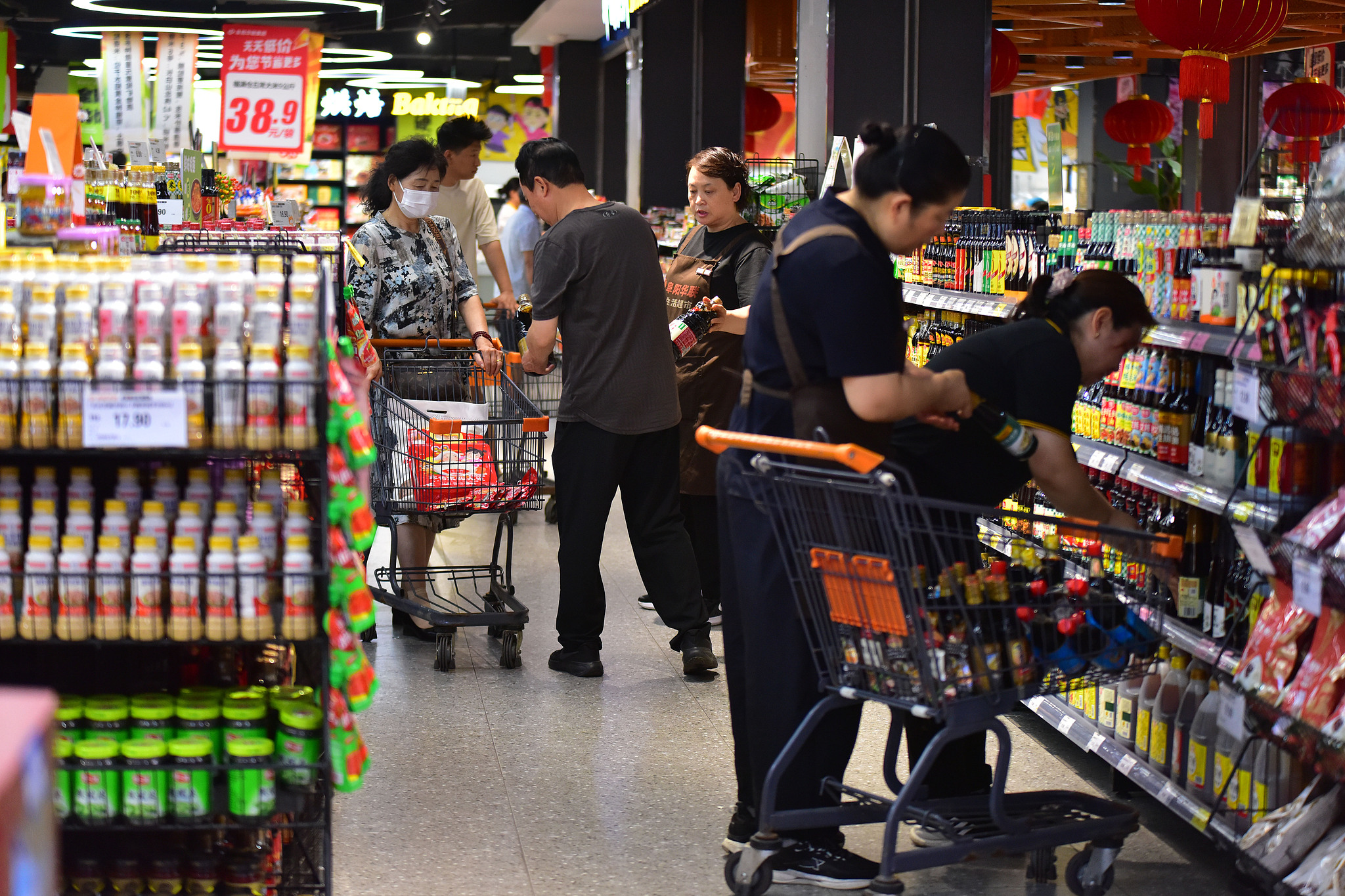
The broader macroeconomic context reveals a two-speed China economy: strong factory output and exports contrasting with weak domestic demand pressured by property market slump and low job security. Consumer Price Index (CPI) inflation also cooled to a six-month low at 0.5% year-on-year, with food prices declining 1.5% and core CPI increasing only 0.9% annually. This demand weakness creates both opportunity and risk for cross-border sellers. Opportunity: reduced logistics costs from lower fuel prices benefit sellers reliant on air freight or temperature-controlled shipping (pharmaceuticals, cosmetics, perishables), with potential savings of 8-12% on shipping expenses. Risk: weaker Chinese consumer purchasing power may reduce demand for imported goods sold into China's domestic market. Chinese government pledged stronger fiscal stimulus through year-end, with transmission effects expected to impact inflation within approximately one quarter, suggesting potential demand recovery by Q4 2024. Sellers should monitor policy announcements and adjust inventory positioning accordingly. Currency implications also matter—deflationary pressures may influence the Chinese yuan's trajectory, affecting conversion rates and profitability for sellers pricing in multiple currencies. The data suggests this cost relief window is time-sensitive; as stimulus measures take effect and demand recovers, manufacturers will face less pressure to maintain discounted pricing.
Questions 7
What risks should sellers monitor regarding this inflation cooling trend?
Three key risks: (1) Reversal risk—if geopolitical tensions resurface (Iran conflict escalation), oil prices spike again, erasing cost savings within weeks; (2) Manufacturer margin retention—suppliers may not pass through cost reductions, limiting seller benefits; (3) Demand recovery timing—if fiscal stimulus takes effect faster than expected (within 6-8 weeks instead of 12 weeks), manufacturers will raise prices before sellers lock in contracts. Mitigation: (1) Diversify supplier base to reduce geopolitical exposure; (2) Negotiate multi-quarter contracts with price floors to protect against reversal; (3) Monitor Chinese government policy announcements weekly for stimulus timing signals. Avoid over-committing inventory based on current low costs.
How does China's inflation cooling impact currency conversion and profitability for sellers?
Deflationary pressures typically weaken the Chinese yuan relative to stronger currencies (USD, EUR), which creates a dual effect: (1) Positive for sellers exporting from China—yuan weakness improves export competitiveness and increases USD/EUR revenue when converted; (2) Negative for sellers importing into China—yuan weakness increases CNY costs for foreign suppliers. For sellers conducting cross-border transactions in Chinese yuan, monitor exchange rate trends closely. Historical data shows deflationary periods correlate with 2-5% yuan depreciation over 3-6 months. Sellers should consider hedging strategies or accelerating USD/EUR collections to lock in favorable rates before further depreciation. Conversely, sellers importing into China should delay CNY payments if possible to benefit from potential yuan weakness.