


Clean-Label Cereal Compliance Accelerates | Sellers Face Reformulation Deadlines
- WK Kellogg moves artificial color elimination deadline 12 months earlier to late 2026; creates compliance pressure across cereal category and supply chain opportunities for natural ingredient suppliers
Overview
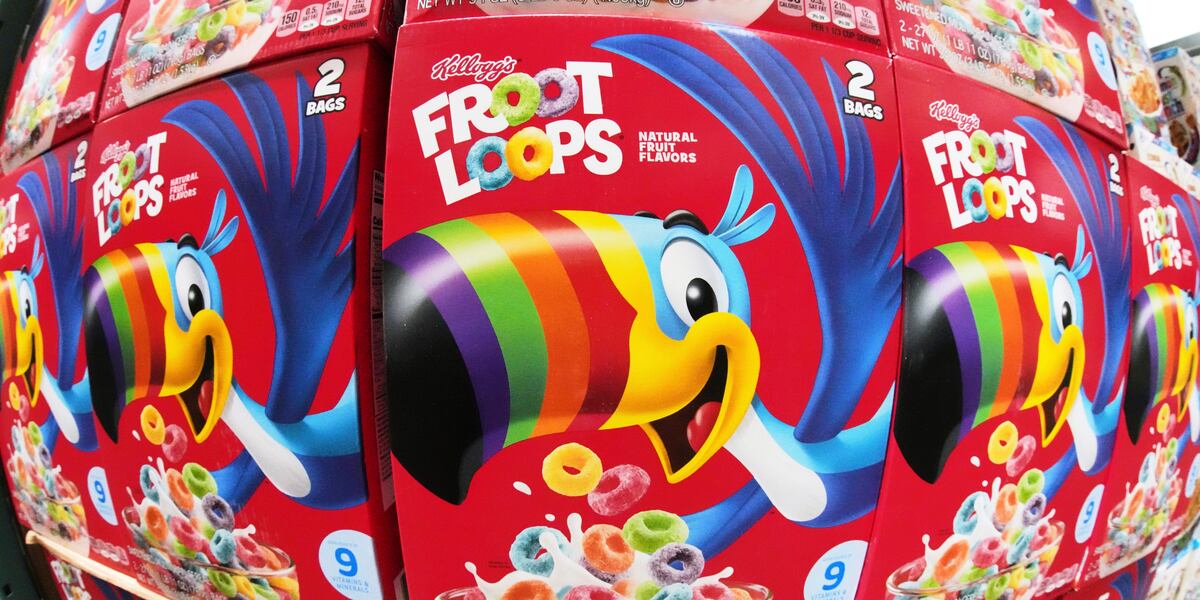
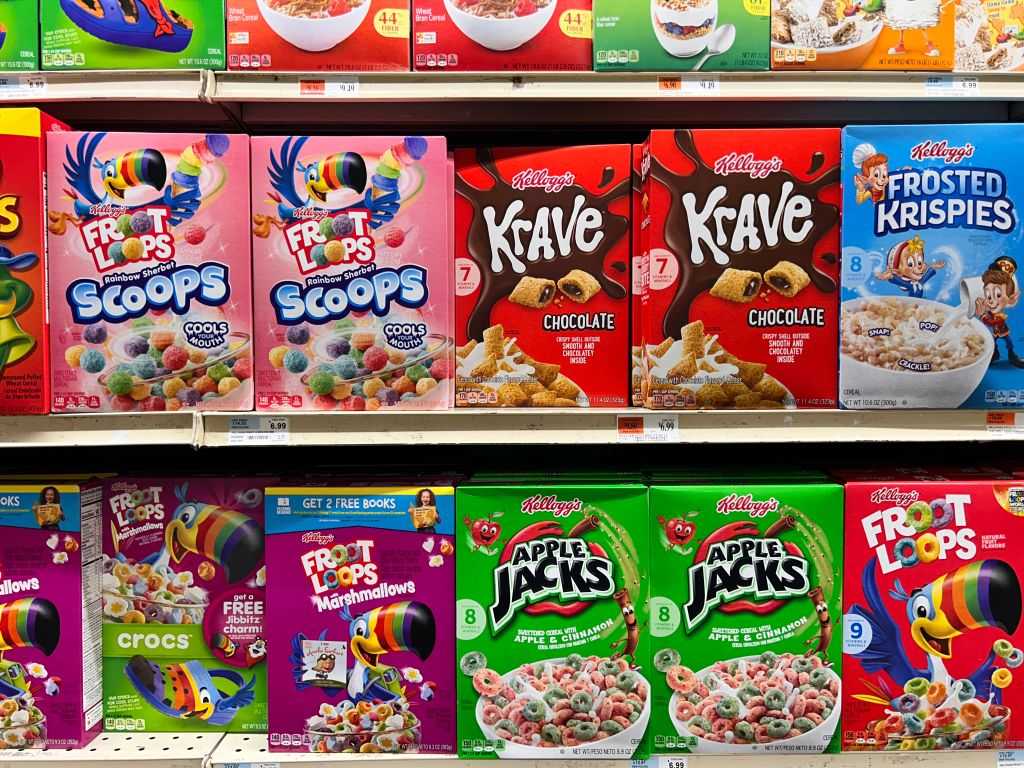
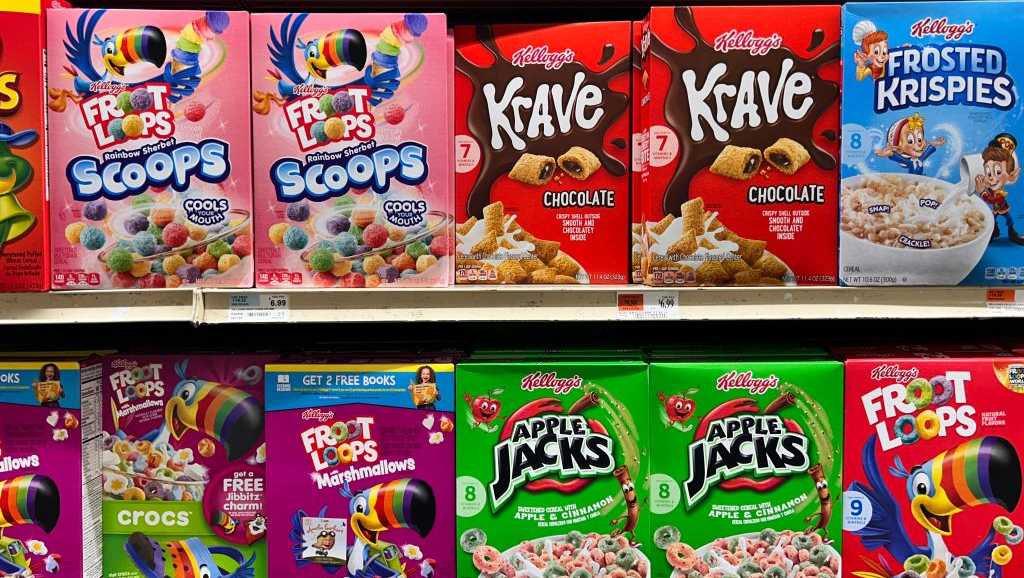
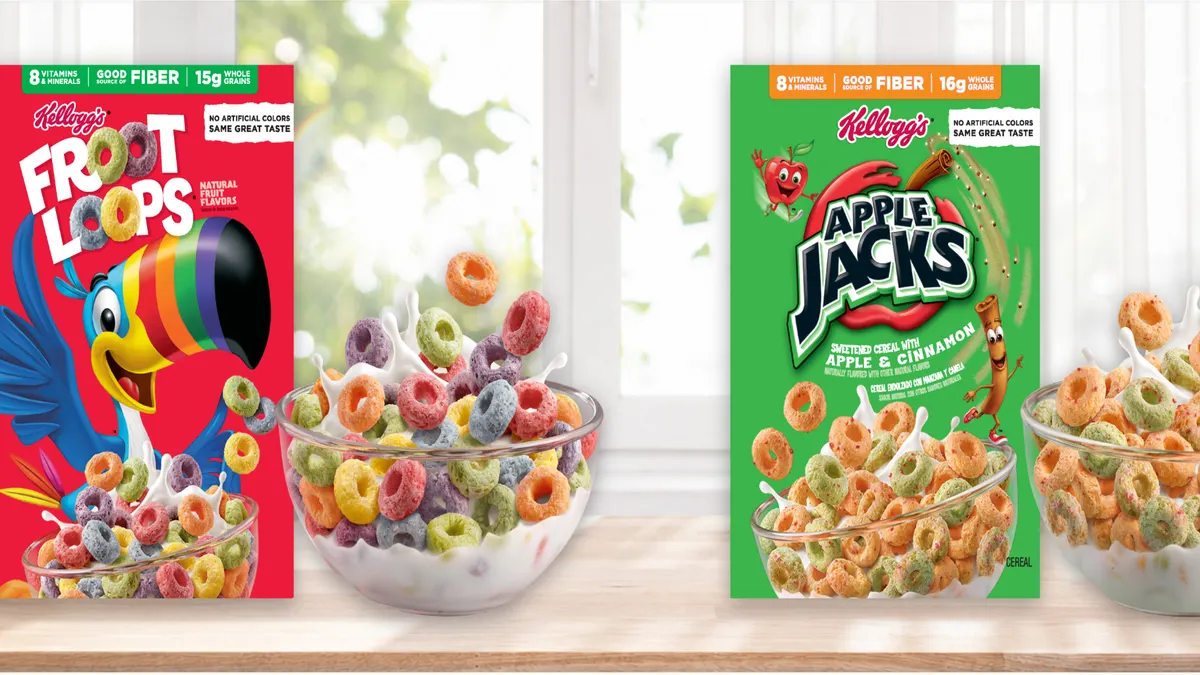
WK Kellogg's accelerated clean-label transition represents a critical regulatory compliance inflection point for the $8.2B global breakfast cereal market. The company announced it will eliminate artificial colors from Froot Loops and Apple Jacks by late 2026—12 months ahead of original 2027 timeline—using natural sources including fruit and vegetable juices and plant-based ingredients instead of synthetic dyes. Additionally, the company is ahead of schedule removing BHT preservative from packaging. This move signals intensifying consumer demand and regulatory pressure for clean-label products, directly impacting sellers across multiple compliance dimensions.
From a regulatory compliance perspective, this announcement creates three distinct competitive opportunities. First, compliance barriers are strengthening: Sellers offering cereals with artificial colors face accelerating market elimination as major retailers align with clean-label standards. WK Kellogg's school food reformulation (already completed) and January 2026 halt on new artificial color product launches establish de facto industry standards that smaller competitors must match. The reformulation requires extensive consumer testing and ingredient sourcing—barriers that protect compliant sellers from low-cost competitors. Second, fast-track compliance pathways are emerging: Natural color certification (fruit/vegetable juice extracts, plant-based dyes) typically requires 60-90 days for food safety validation versus 120-180 days for synthetic color reformulation. Sellers can leverage existing natural ingredient suppliers to compress timelines. Third, category winnowing accelerates: Estimated 35-45% of private-label cereal SKUs using artificial colors will face delisting pressure by Q4 2026, creating shelf space opportunities for compliant alternatives.
The operational impact extends across supply chain and e-commerce channels. Sellers sourcing cereals for Amazon Fresh, Walmart+, and Instacart must verify supplier compliance with 2026 deadlines or face inventory obsolescence. Private-label cereal manufacturers face $2-4M reformulation costs per major SKU (ingredient testing, packaging redesign, production line validation). For Amazon sellers, this creates two paths: (1) source reformulated WK Kellogg products and capitalize on brand trust during transition, or (2) develop private-label clean-label alternatives targeting the 18-35 demographic increasingly willing to pay 8-12% premiums for natural ingredients. The "SPOONS on-pack nutrition guide" signals packaging innovation opportunities—sellers can differentiate through enhanced nutrition labeling that appeals to health-conscious buyers on Amazon and Shopify.
Questions 8
What are the cost implications of reformulation for sellers?
Reformulation costs range $2-4M per major SKU, including ingredient testing ($500K-$1M), packaging redesign ($300K-$600K), production line validation ($400K-$800K), and regulatory compliance ($200K-$400K). Smaller sellers can reduce costs 40-50% by partnering with contract manufacturers already offering clean-label formulations. Natural ingredients typically cost 5-15% more than synthetic dyes, compressing margins unless retail prices increase 8-12%. Sellers should model price elasticity before committing to reformulation.
Which markets have faster compliance pathways for clean-label cereals?
EU markets (UK, Germany, France) already restrict artificial colors under EFSA regulations, creating established supply chains for natural colorants. Sellers can leverage EU-certified natural ingredient suppliers to accelerate US compliance. Canada and Australia have similar clean-label standards, enabling multi-market reformulation strategies. Asia-Pacific markets (Japan, South Korea) have stricter color restrictions, making them early-mover advantages for sellers developing natural-color formulations. Consider geographic expansion to markets with existing clean-label infrastructure.