

$100B IEEPA Tariff Refunds | Critical Cash Recovery for Cross-Border Sellers
- $100 billion in tariff reimbursements available for importers; affects all product categories from Asia/Europe; immediate claims filing required for FBA sellers and marketplace importers
Overview
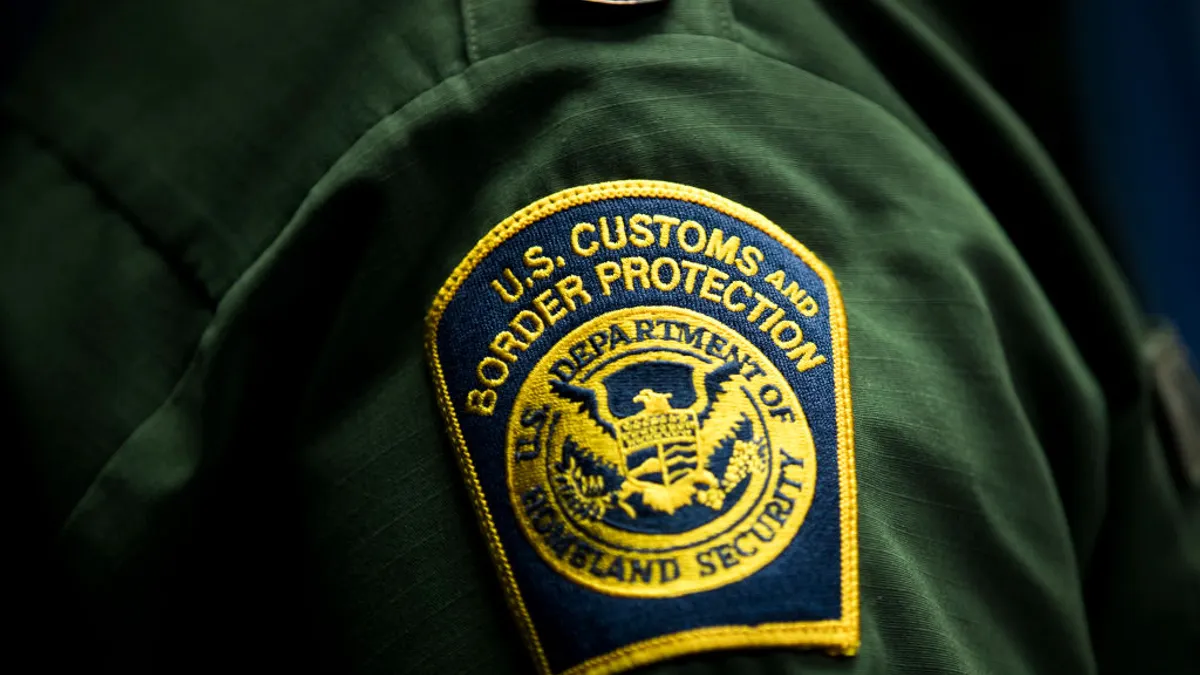
The U.S. Customs and Border Protection (CBP) has issued $100 billion in tariff refunds under the International Emergency Economic Powers Act (IEEPA), representing one of the largest tariff reimbursement initiatives in recent years. This settlement directly impacts cross-border e-commerce sellers, importers, and FBA merchants who absorbed tariff costs during emergency trade actions. The refund program addresses duties collected on goods subject to IEEPA tariffs, providing critical cash relief to businesses struggling with elevated import costs.
Tariff Arbitrage Opportunity: The $100B refund pool creates immediate cash recovery potential for sellers across all product categories—electronics, apparel, home goods, beauty, and consumer products imported from Asia, Europe, and other regions. Sellers who imported goods between 2018-2024 (peak tariff period) are eligible if their products were classified under IEEPA-affected HS codes. The claims process requires detailed customs documentation: entry numbers, duty payment records, and tariff classifications. For FBA sellers, this represents margin recovery of 3-8% on historical inventory costs, directly improving profitability on products still in rotation.
Market Access & Competitive Dynamics: The refund program disproportionately benefits established importers with robust customs documentation systems. Small-to-medium sellers (SMBs) importing 100-500 containers annually could recover $50K-$500K per company, while large importers (1000+ containers) may claim $1M-$10M+. However, the claims filing deadline creates urgency—sellers must act within specified windows or forfeit refunds. This creates a competitive advantage for sellers with dedicated customs compliance teams or 3PL partners experienced in tariff recovery. Marketplace sellers (Amazon, eBay, Shopify) importing directly face lower barriers than those relying on wholesalers, as they control import documentation.
Strategic Sourcing Implications: The refund settlement signals ongoing U.S. trade policy volatility. Sellers should use recovered capital to diversify sourcing—shifting 15-25% of volume from China to Vietnam, India, or Mexico where tariff exposure is lower. This refund window (likely 12-24 months) provides temporary cash flow relief to fund supply chain restructuring. Categories most affected: consumer electronics (25-35% tariff rates), apparel (12-18%), home goods (8-15%), and beauty products (5-12%). Sellers should prioritize claims for high-tariff categories first, as refund processing may be sequential.
Compliance & Timing: The CBP requires entry-level documentation for each shipment claimed. Sellers must gather customs entry numbers, duty payment receipts, and product HS code classifications—a process taking 2-4 weeks per 100 shipments. Filing deadlines are critical; missing windows results in permanent forfeiture. Sellers should immediately audit import records from 2018-2024, identify IEEPA-affected shipments, and engage customs brokers or trade attorneys to file claims. This represents a material financial recovery opportunity with 60-90 day processing timelines for approved claims.
Questions 8
How do small vs. large sellers benefit differently from the $100B refund pool?
The $100B refund pool benefits sellers across all sizes, but with different recovery magnitudes and strategic implications. Small sellers (importing 50-100 containers annually) typically recover $25K-$100K, providing critical cash flow relief but not transforming operations. Medium sellers (100-500 containers) recover $50K-$500K, enabling supply chain restructuring and sourcing diversification. Large importers (1000+ containers) recover $1M-$10M+, allowing significant strategic repositioning. However, small sellers face higher claims filing costs ($500-$2,000 per claim) relative to recovery, making group claims or customs broker partnerships essential. Large sellers with dedicated compliance teams can file claims more efficiently, reducing per-claim costs to $200-$500. The refund program disproportionately benefits established importers with robust documentation systems—sellers lacking customs records face claim denial. Competitive advantage: sellers with 3PL partners experienced in tariff recovery can file claims faster and more accurately than competitors. Immediate action: small sellers should partner with customs brokers or trade attorneys to share filing costs; large sellers should establish dedicated tariff recovery teams.
What is the relationship between IEEPA refunds and future tariff policy changes?
The $100B IEEPA refund settlement signals ongoing U.S. trade policy volatility and potential for additional tariff changes. The refund addresses duties collected during emergency trade actions (2018-2024), but future tariff policies remain uncertain. Sellers should view the refund as temporary relief, not permanent tariff elimination. The CBP's administration of refunds demonstrates government recognition of tariff burden impacts on commerce, suggesting potential for future policy adjustments. However, sellers should not assume tariff rates will decrease—geopolitical tensions and trade disputes may increase duties on specific categories (electronics, apparel, home goods). Strategic implication: use refund capital to diversify sourcing and reduce tariff exposure, rather than reinvesting in China-dependent supply chains. Sellers should monitor CBP announcements for additional tariff changes and adjust sourcing strategies accordingly. Risk mitigation: maintain flexibility in supplier relationships and consider tariff costs in pricing strategies. Immediate action: after filing refund claims, conduct tariff scenario analysis for your top 10 product categories to identify future duty exposure and sourcing alternatives.