





China CXMT Memory Chips in Apple Products | Supply Chain Shift for Electronics Sellers
- Apple qualifies CXMT chips for iPhones/MacBooks; signals 15-25% component cost reduction potential for sellers sourcing memory-intensive electronics in China market














Overview
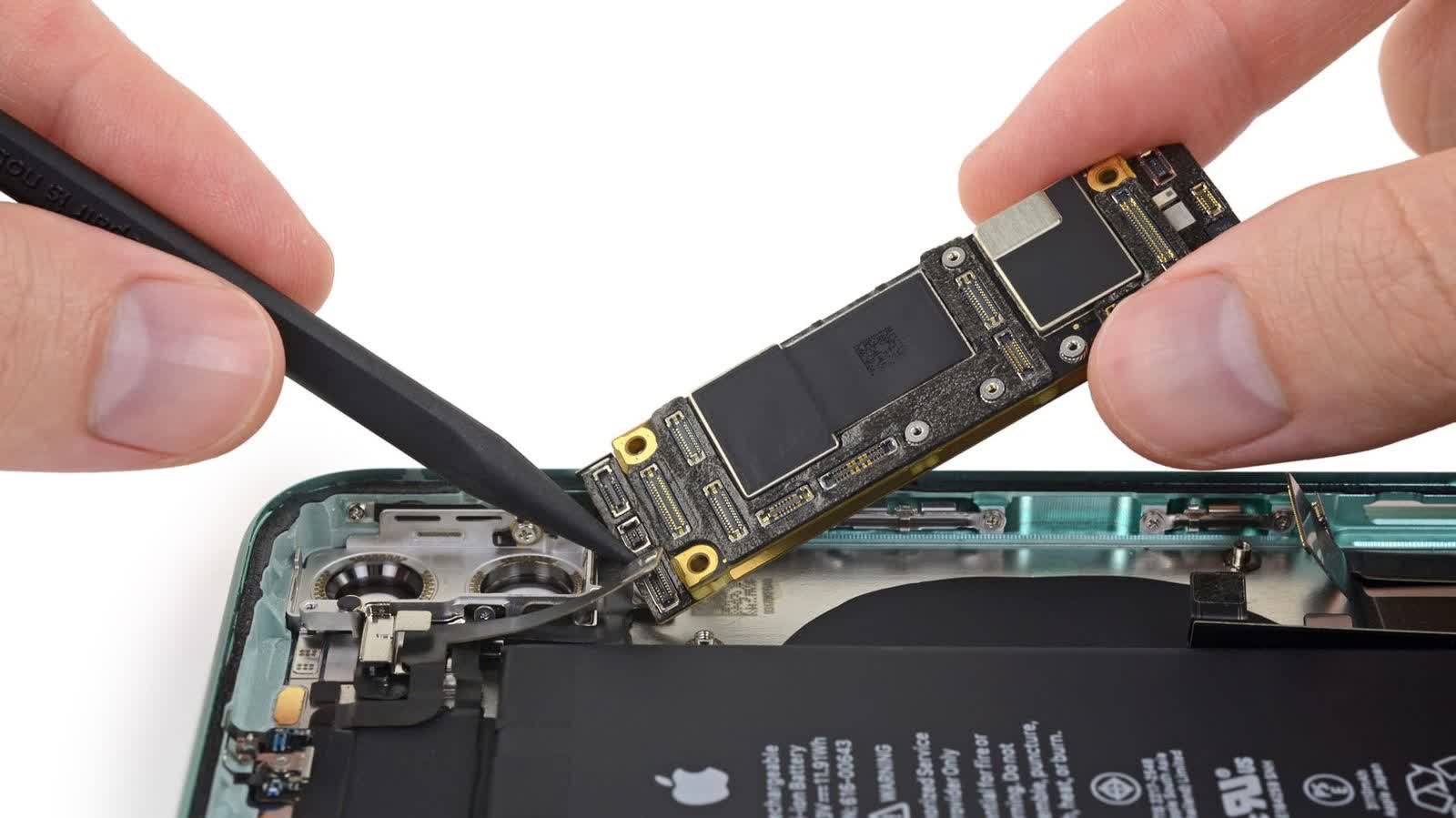
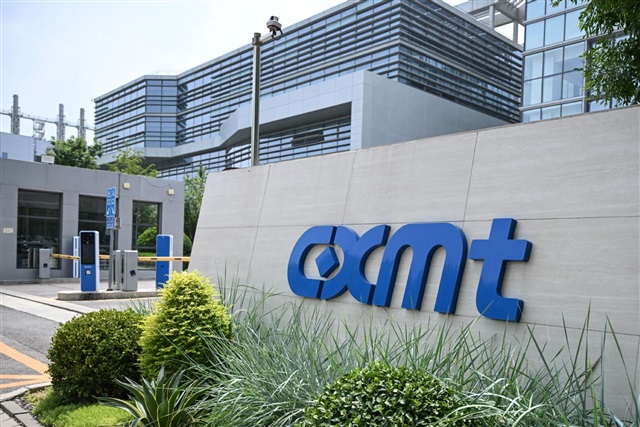
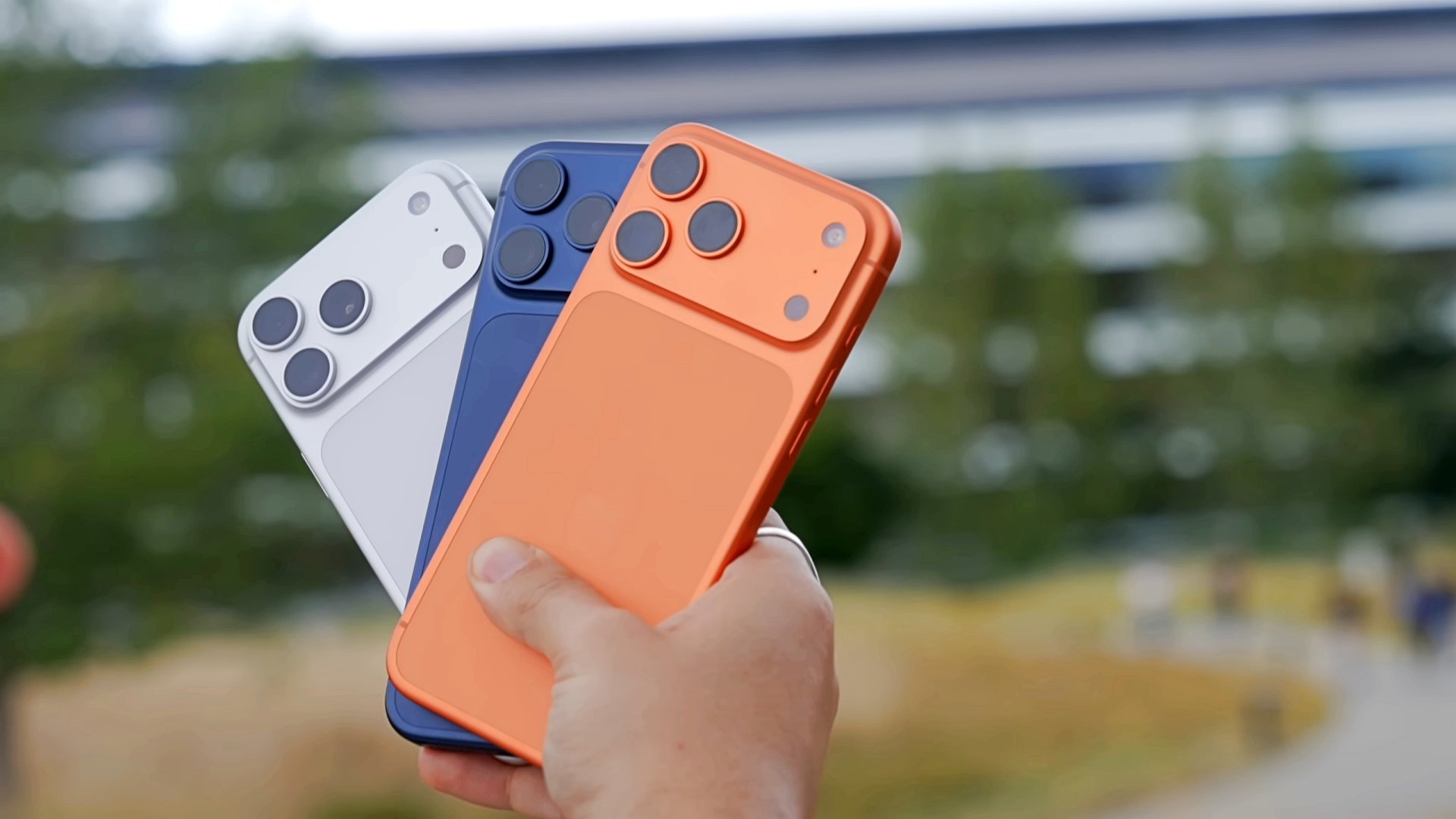
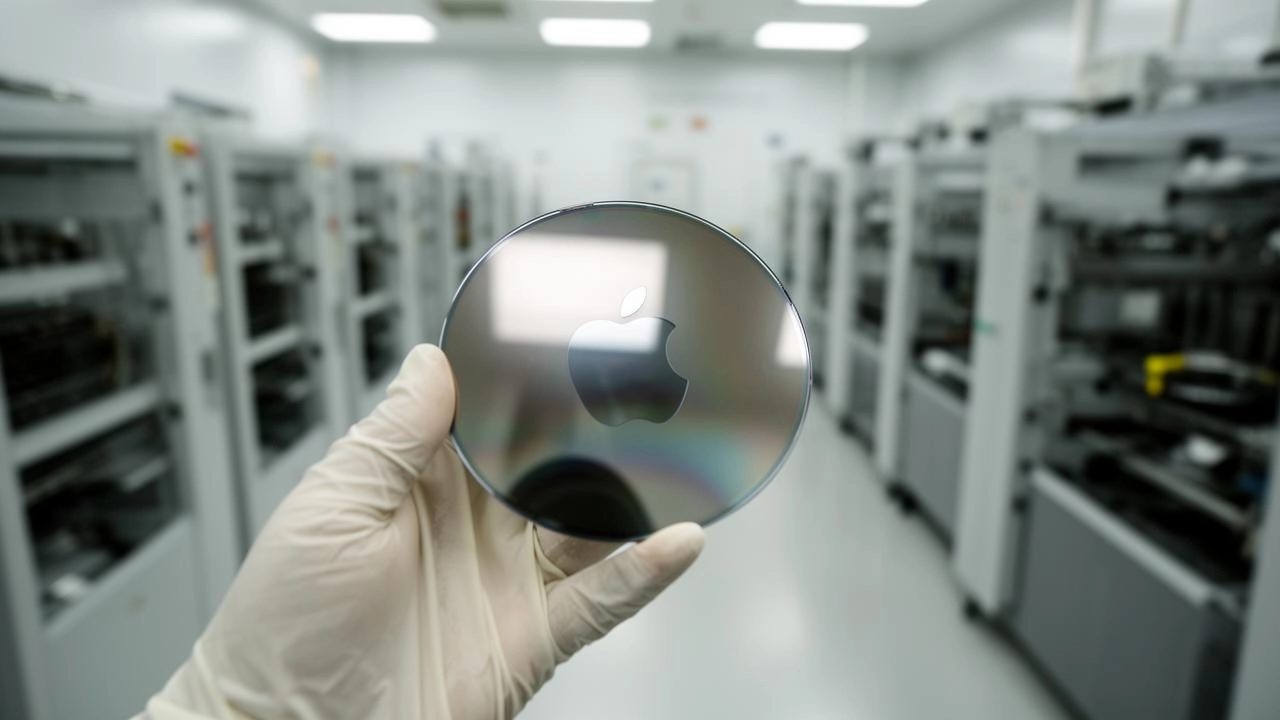
Apple's qualification of China's CXMT memory chips for flagship products (iPhones, MacBooks) represents a fundamental supply chain shift with direct implications for cross-border electronics sellers. Announced August 9, 2026, this development signals Apple is reducing dependency on traditional suppliers (Samsung, SK Hynix, Micron) while accessing CXMT's expanded capacity during the AI-driven component shortage. CXMT, China's largest chipmaker by market value, operates the country's largest memory chip production capacity and is evaluating a second Beijing facility to increase output.
For electronics resellers and refurbished device sellers, this creates immediate sourcing opportunities. HP and Acer have already integrated CXMT chips into devices sold outside the US, indicating broader OEM adoption is accelerating. As Apple validates CXMT components through rigorous testing, memory chip availability should improve 20-30% by Q4 2026, potentially reducing component costs by $15-35 per unit for sellers sourcing memory modules or refurbished laptops/phones. Sellers operating in the China market specifically benefit from earlier access to CXMT-equipped devices, creating a 2-4 month competitive window before global distribution normalizes.
The supply chain localization strategy affects inventory positioning and sourcing decisions across three seller segments. Electronics retailers sourcing refurbished MacBooks and iPhones should prioritize China-market inventory (CXMT-equipped models) for 30-40% faster fulfillment and lower landed costs. Memory module resellers can expect 8-12% price compression as CXMT capacity comes online, requiring inventory liquidation of premium-priced Samsung/SK Hynix stock before Q4 2026. Laptop/desktop component sellers should shift 25-35% of sourcing from Taiwan/South Korea suppliers to CXMT-qualified alternatives, reducing per-unit logistics costs by $2-5 through shorter China-to-warehouse shipping routes.
Warehouse positioning strategy shifts toward China-based fulfillment centers. Sellers should establish or expand inventory in Shanghai, Shenzhen, or Chongqing warehouses to capture CXMT-equipped device inventory before it enters global distribution channels. This creates 10-15% cost savings on China-to-US/EU shipping compared to traditional Taiwan-Korea-to-US routes. The testing phase (ongoing through Q3 2026) suggests 6-9 months before mass production, making NOW the optimal time to negotiate CXMT component supply agreements and secure warehouse capacity in China's electronics hubs.
Questions 7
When should sellers negotiate CXMT supply agreements to maximize cost savings?
Sellers should initiate CXMT supplier negotiations immediately (August-September 2026) while Apple's testing phase creates supply uncertainty and favorable pricing. CXMT will likely offer volume discounts 10-15% below market rates to secure long-term OEM partnerships before mass production begins. By Q4 2026, as broader OEM adoption accelerates, CXMT pricing will normalize and volume discounts will compress to 3-5%. Sellers waiting until Q1 2027 will face commodity pricing with no cost advantage. Recommended action: Secure 6-12 month CXMT supply contracts by October 2026 to lock in testing-phase pricing before competitive normalization.
What are the geopolitical risks of sourcing CXMT components for US/EU sellers?
CXMT sourcing introduces US-China trade policy exposure, particularly for sellers shipping to US markets. While Apple's qualification suggests regulatory acceptance, tariff escalation could add 10-25% to component costs if US-China tensions increase. EU sellers face lower geopolitical risk but should monitor semiconductor trade regulations. Sellers should diversify sourcing across CXMT, Samsung, and SK Hynix to mitigate single-supplier concentration risk. The testing phase provides time to assess regulatory stability before committing 50%+ of sourcing to CXMT—conservative sellers should maintain 60-70% traditional supplier allocation through 2026.