


Meta Smartglasses Privacy Crisis Crushes Influencer Partnerships | Seller Opportunity in Privacy-First Tech
- 7M units sold but influencers lose followers; privacy concerns create $2B+ market gap for alternative wearables and privacy-focused accessories









Overview
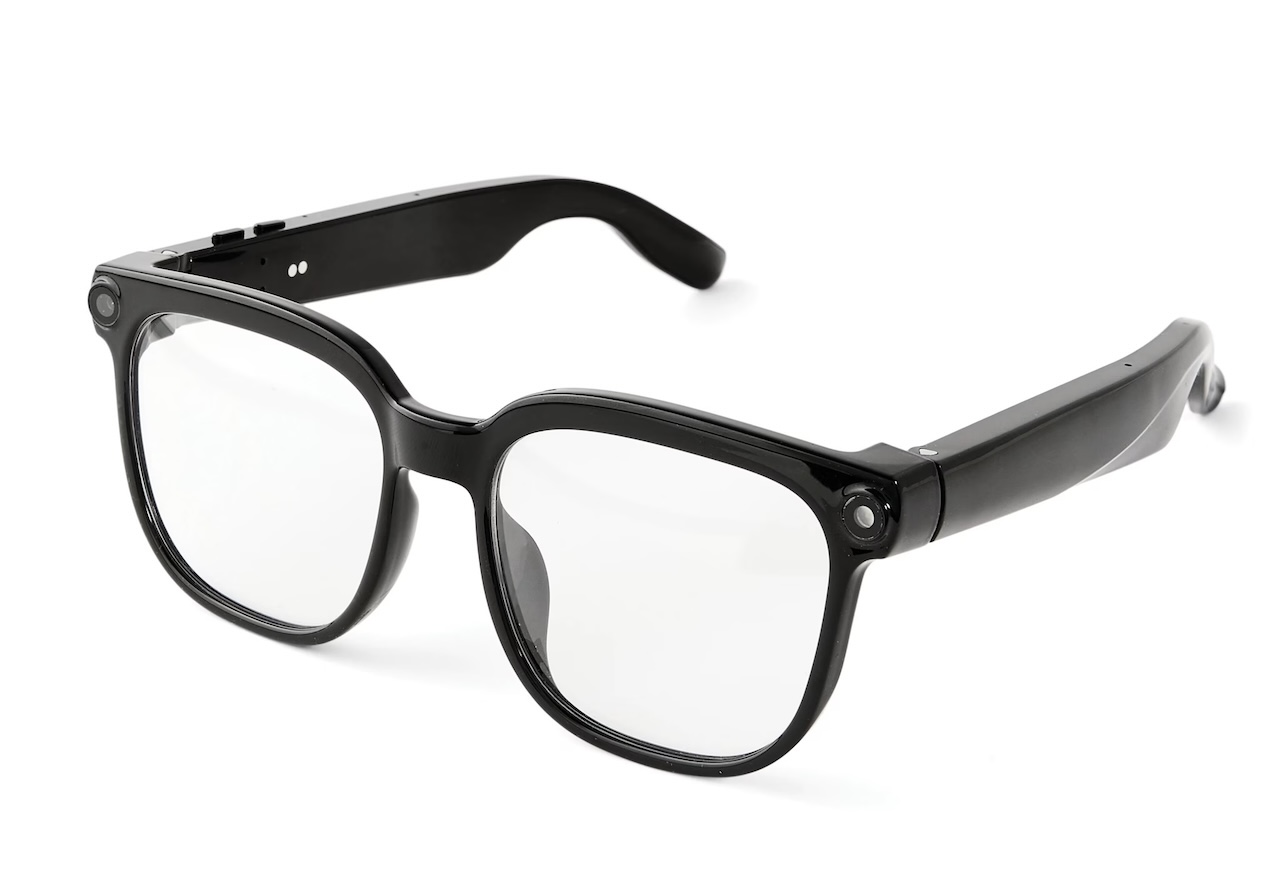
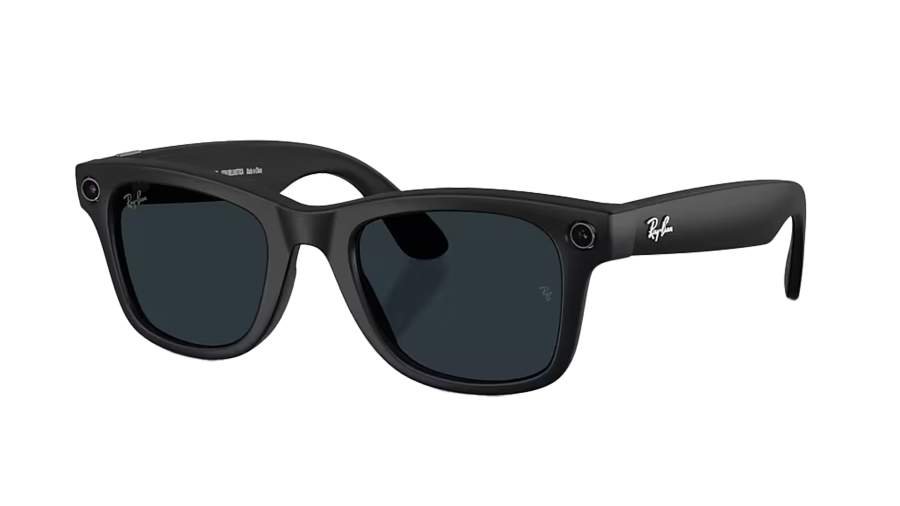
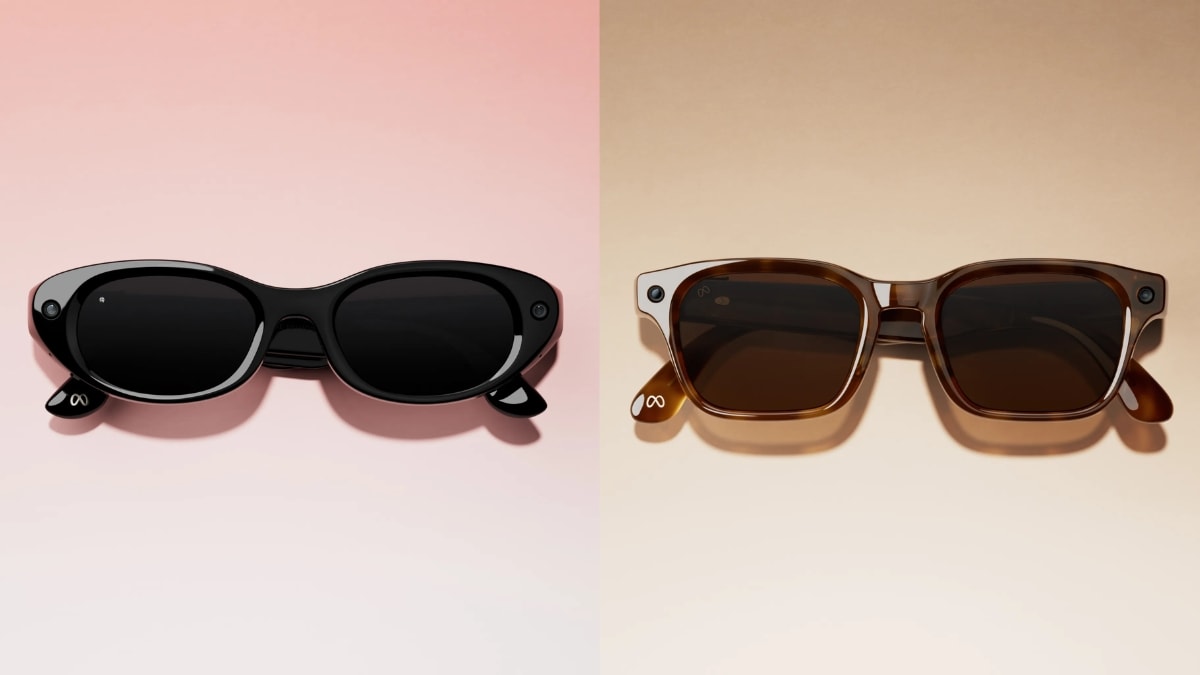
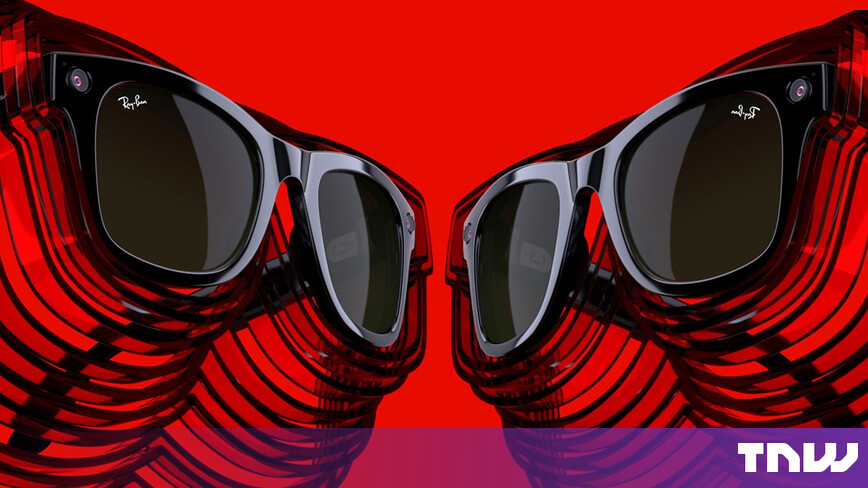
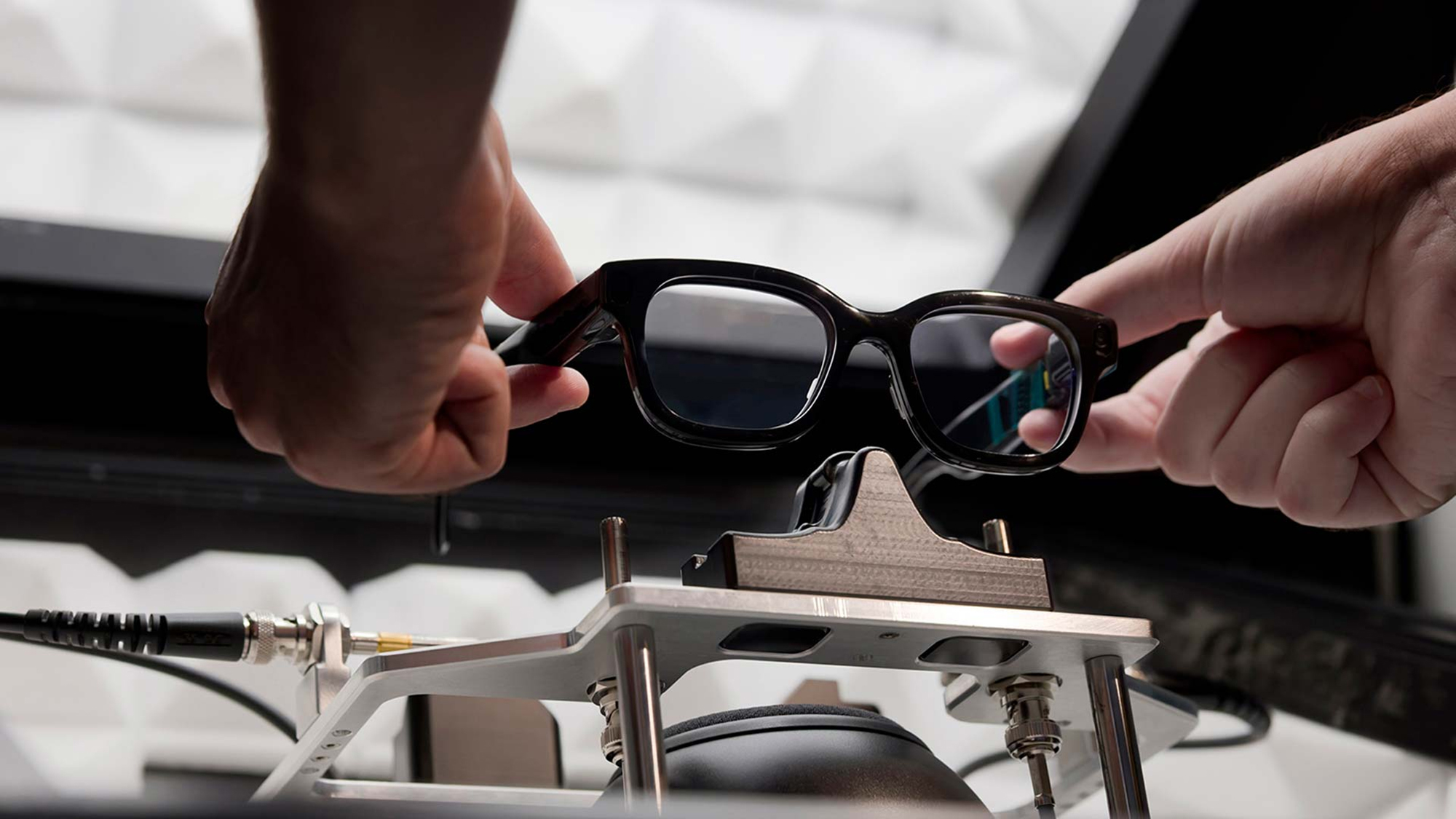
Meta's smartglasses have become a cautionary tale in influencer marketing gone wrong, with the product earning the derogatory label "pervert glasses" after widespread reports of non-consensual recording and harassment. Despite selling 7 million pairs in 2025, the glasses triggered a major backlash when Kylie Jenner and numerous influencers promoted the product in summer 2025, leading creators like Oliver Hooson (224K followers) to lose 50-100 followers and Rida Tharana (1.6M followers) to face significant negative comments. This represents a critical inflection point for influencer-driven tech marketing and reveals a massive opportunity gap in the wearable technology space.
The Core Marketing Failure: Meta's influencer strategy backfired spectacularly because it ignored fundamental consumer concerns about privacy and consent. Influencers discovered they were inadvertently recording strangers without permission—parenting influencer Deena Lang posted cooking class footage only to realize she'd captured unwilling participants. This created a trust deficit that no amount of sponsored content could overcome. The backlash demonstrates that influencer partnerships for surveillance-adjacent products face structural headwinds: audiences now scrutinize the ethical implications of promoted technology, not just its features.
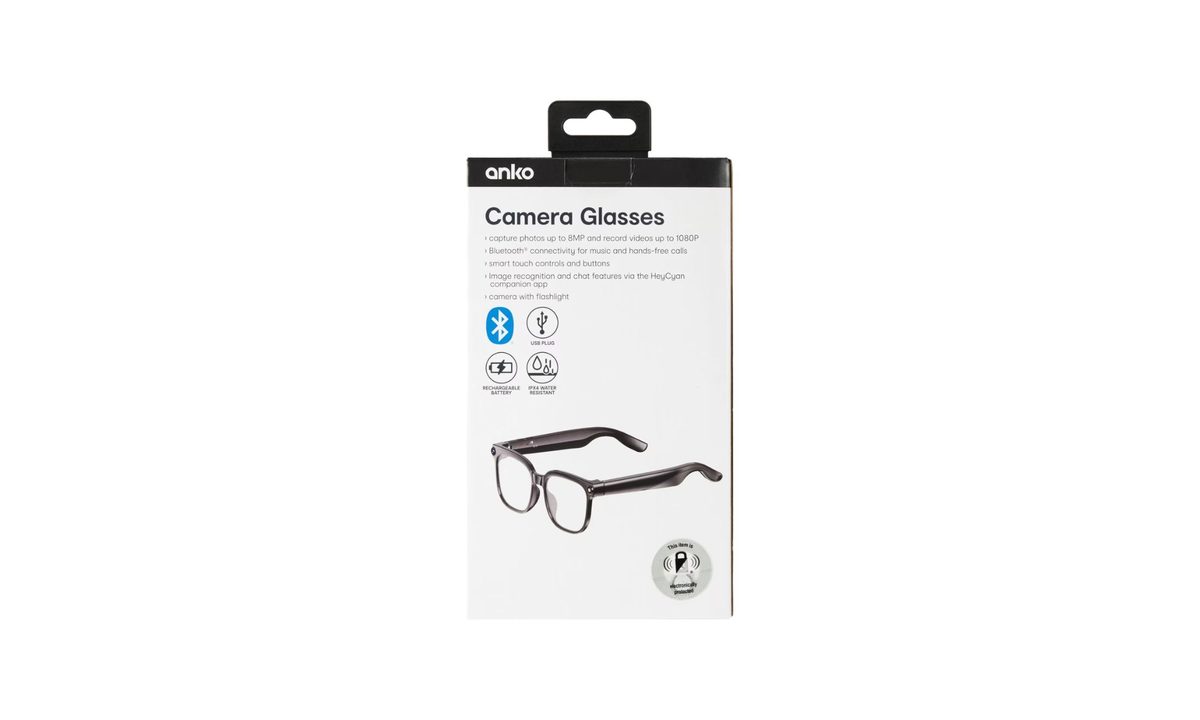
Market Implications for Sellers: This crisis creates three distinct e-commerce opportunities. First, privacy-focused wearable accessories (camera covers, LED blockers, privacy shields) are now in high demand—UK venues including Wetherspoons, restaurants, theatres, and pubs have banned the glasses entirely, signaling institutional concern. Second, alternative smartglasses brands emphasizing privacy-by-design (non-recording AR glasses, audio-only wearables) can capture market share from Meta's damaged reputation. Third, the influencer marketing channel itself is being recalibrated—creators are now more selective about tech partnerships, creating premium positioning for brands that align with privacy values.
Influencer Channel Shift: The 50-100 follower losses reported by mid-tier creators signal a broader audience sentiment shift. When influencers promote products tied to privacy violations, followers interpret it as endorsement of unethical behavior. This creates an arbitrage opportunity: sellers of privacy-respecting tech can partner with creators at lower CPM rates (estimated 30-40% discount vs. pre-crisis rates) because the category now carries reputational risk. Conversely, brands that position themselves as privacy-first alternatives can command premium positioning in influencer partnerships.
Regulatory and Venue Bans: The UK venue bans (Wetherspoons, restaurants, theatres, pubs) indicate that privacy concerns are moving from consumer sentiment to institutional policy. This creates demand for detection technology (RF detectors, camera-blocking solutions) and privacy-certified alternatives. Sellers should monitor similar bans in EU venues (GDPR compliance) and US establishments, which will drive demand for privacy-assurance products and certifications.
Questions 7
What is the long-term impact on influencer marketing for tech products?
The Meta smartglasses backlash signals a permanent shift in influencer marketing dynamics: audiences now scrutinize the ethical implications of promoted technology, not just features or aesthetics. Influencers who promoted the glasses faced follower losses and negative comments, indicating that audiences hold creators accountable for endorsing products tied to privacy violations. This creates a bifurcation in influencer partnerships—premium creators will demand higher compensation for privacy-sensitive products, while mid-tier creators will be more selective. Sellers should expect influencer CPM rates for surveillance-adjacent products to increase 40-60% as creators price in reputational risk, while privacy-first brands can access influencer partnerships at lower rates due to reduced audience backlash.
How can sellers differentiate privacy-focused wearables in crowded markets?
Sellers can differentiate by emphasizing transparent privacy mechanisms: visible recording indicators, user consent workflows, and third-party privacy certifications. The smartglasses crisis demonstrates that consumers now demand proof of privacy protection—Meta's claims about LED indicators and tamper detection were contradicted by documented instances of non-consensual recording. Sellers should develop content showing privacy features in action, partner with privacy advocates rather than mainstream influencers, and pursue certifications from privacy organizations. Additionally, sellers can target institutional buyers (venues, hospitality chains) who are implementing bans on non-compliant devices, positioning privacy-certified wearables as compliant alternatives that enable recording without legal liability.