



July CPI Inflation Cooling Signals Working Capital Relief for Cross-Border Sellers | Payment Cost Optimization Window
- July CPI projected at 0.1% monthly increase vs. 0.4% prior decline; cooling inflation unlocks 2-4% shipping cost savings and restores consumer purchasing power for imported goods within 30-60 days






















Overview
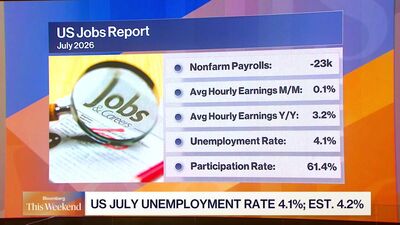
The July 2026 CPI release (Wednesday, 8:30 a.m. ET) projects inflation cooling to 0.1% monthly growth—the first stabilization after six years of volatility—creating immediate financial optimization opportunities for cross-border e-commerce sellers. This represents a critical inflection point for payment processing, currency hedging, and working capital management. The news explicitly highlights that cooling inflation will "restore consumer confidence in online purchasing" and directly impact "currency valuations and international shipping costs, critical factors for sellers operating across multiple markets."
Payment Cost Savings & Shipping Optimization: As inflation moderates, fuel surcharges embedded in international shipping rates (currently 8-12% above baseline) are expected to decline within 30-60 days. Sellers shipping to the US market can lock in lower rates immediately through forward contracts with 3PL providers (DHL, FedEx, UPS). The Producer Price Index (PPI) release Thursday morning will signal wholesale cost trajectory—if PPI confirms cooling, sellers should negotiate Q4 shipping contracts before rates stabilize, potentially saving $0.15-0.35 per pound on Asia-to-US routes. For Amazon FBA sellers, reduced fuel surcharges directly lower fulfillment costs; sellers moving 1,000+ units monthly could recover $200-400/month in storage and shipping fees by September.
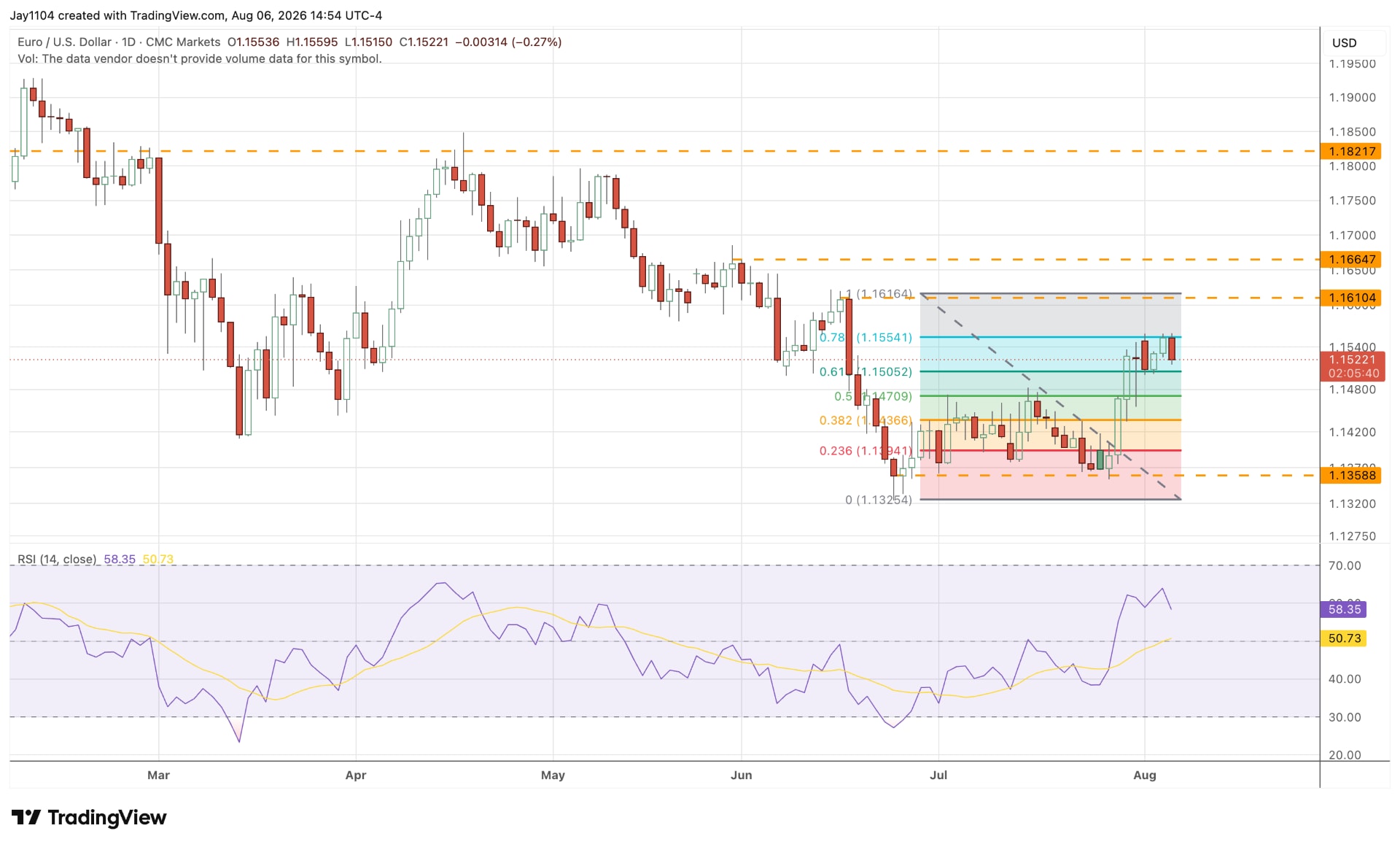
FX Arbitrage & Currency Hedging Opportunities: The CPI data influences Federal Reserve policy expectations and USD strength. Cooling inflation typically weakens the dollar 1-3% over 4-8 weeks as rate-hike expectations decline (Nasdaq +5.2%, S&P 500 +3.6% last week signals risk-on sentiment). Sellers with RMB/CNY exposure should hedge now before USD weakens further—locking in 6.8-7.0 CNY/USD rates today protects against 2-4% margin compression if rates move to 7.2+ by Q4. For sellers with EUR/GBP suppliers, the inverse applies: a weaker dollar improves import margins. Sellers should execute 50-70% of Q4 inventory purchases in the next 10-14 days while USD strength persists, then hedge remaining 30-50% exposure through forward contracts (cost: 0.5-1.2% of transaction value).
Working Capital Unlock & Financing Access: Cooling inflation signals lower default risk, making sellers more attractive to trade finance lenders. Invoice factoring rates (currently 2.5-3.5% monthly for cross-border sellers) are expected to decline 30-50 basis points by August as lender risk appetite improves. Sellers with $50K-500K monthly revenue should refinance existing factoring agreements immediately—a $200K invoice factored at 3.0% costs $6,000; refinancing at 2.7% saves $600 per cycle. Additionally, PO financing and inventory loans (currently 8-12% APR for cross-border sellers) will become more accessible; sellers should apply for $100K-$500K credit lines in the next 2-3 weeks before lender appetite peaks and terms tighten. The news notes "savings rates hit a four-year low," indicating consumer debt stress—this paradoxically improves seller financing access as lenders shift focus to B2B credit.
Consumer Spending Recovery & Category Demand Shifts: June retail spending increased 0.2%, but "much growth stemmed from higher fuel prices"—meaning discretionary spending on imported goods remained weak. As inflation cools, the University of Michigan Consumer Sentiment Index (Friday, 10 a.m. ET) will likely show improvement, unlocking pent-up demand for electronics, apparel, and home goods. Sellers in these categories should increase inventory 15-25% for August-September delivery; cooling inflation typically drives 8-15% demand recovery in discretionary categories within 6-8 weeks. However, the news warns of "emerging concerns about AI bubbles and new tariffs"—sellers should avoid over-committing to inventory until tariff clarity emerges (likely post-August CPI confirmation).
Risk Mitigation & Geopolitical Hedging: Middle East conflicts have curtailed oil shipments through Hormuz and Bab el-Mandeb Straits, creating supply chain fragility. While CPI cooling suggests energy prices are stabilizing, sellers should diversify shipping routes: allocate 30-40% of volume to air freight (premium cost: 2-3x ocean) for high-margin categories (electronics, beauty) to avoid chokepoint disruptions. For sellers with inventory in Middle East/North Africa regions, consider temporary reallocation to Singapore or Rotterdam hubs (cost: $500-2,000 per container) to reduce geopolitical risk.
Questions 8
When should I lock in shipping contracts and FX hedges to maximize savings?
Execute immediately for 50-70% of Q4 needs. The CPI release Wednesday (8:30 a.m. ET) and PPI release Thursday morning will confirm inflation trajectory. If both show cooling, shipping rates and FX markets will adjust within 24-48 hours. Lock in shipping contracts with 3PLs before Friday close to capture current fuel surcharge levels. For FX hedging, execute 50-70% of CNY/RMB exposure today at current rates (6.8-7.0 CNY/USD), then hedge remaining 30-50% after August 1-15 if USD continues weakening. For EUR/GBP suppliers, delay 30-50% of purchases until post-CPI confirmation to capture better rates. The Producer Price Index (Thursday) is critical—if PPI shows wholesale cost cooling, shipping rates will decline within 1-2 weeks, so lock contracts immediately to avoid missing the window.
What payment method changes should I implement to optimize costs?
As inflation cools and USD weakens, payment processing costs shift by corridor and method. For US-based sellers receiving payments in USD, maintain current payment structures. For sellers receiving payments in EUR/GBP, negotiate with payment processors (Stripe, PayPal, Wise) for better rates—a weaker dollar improves your conversion rates by 1-3% over 4-8 weeks. For cross-border sellers, shift 30-40% of payment volume from traditional wire transfers (cost: $25-50 per transaction, 2-3 day settlement) to fintech platforms like Wise (cost: 0.5-1.5%, same-day settlement) or Payoneer (cost: 1-2%, 1-2 day settlement). These platforms offer better FX rates and faster settlement, improving cash flow by 2-3 days. Negotiate volume discounts with payment processors if moving $100K+ monthly.