


QSR Market Shift: Burger King Overtakes Wendy's | Seller Opportunities in Food & Beverage E-Commerce
- Burger King's 8.5% Q2 sales growth vs Wendy's 7% decline signals major brand momentum shift; sellers can capitalize on merchandise, affiliate, and content opportunities tied to winning QSR brands




Overview
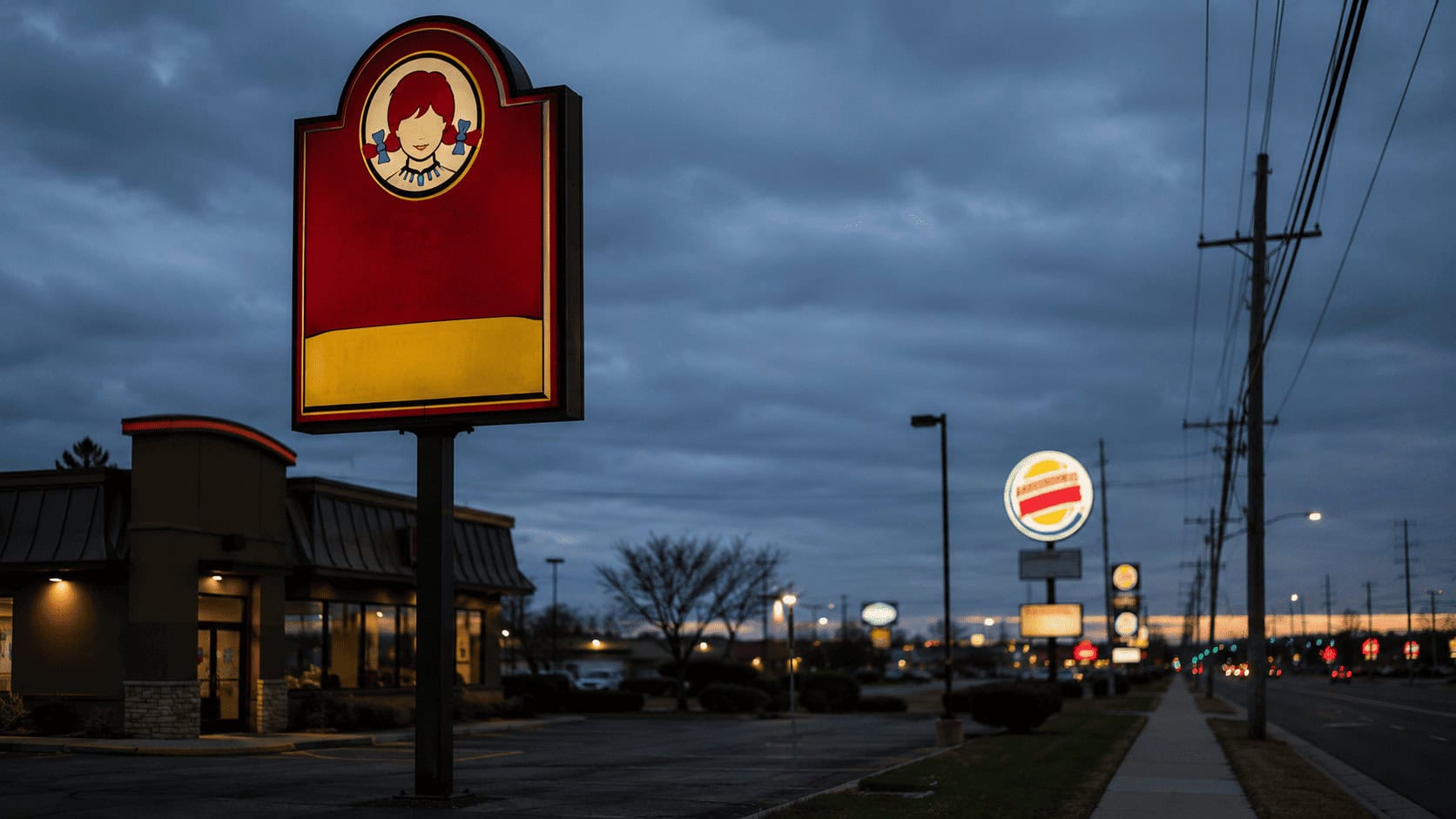
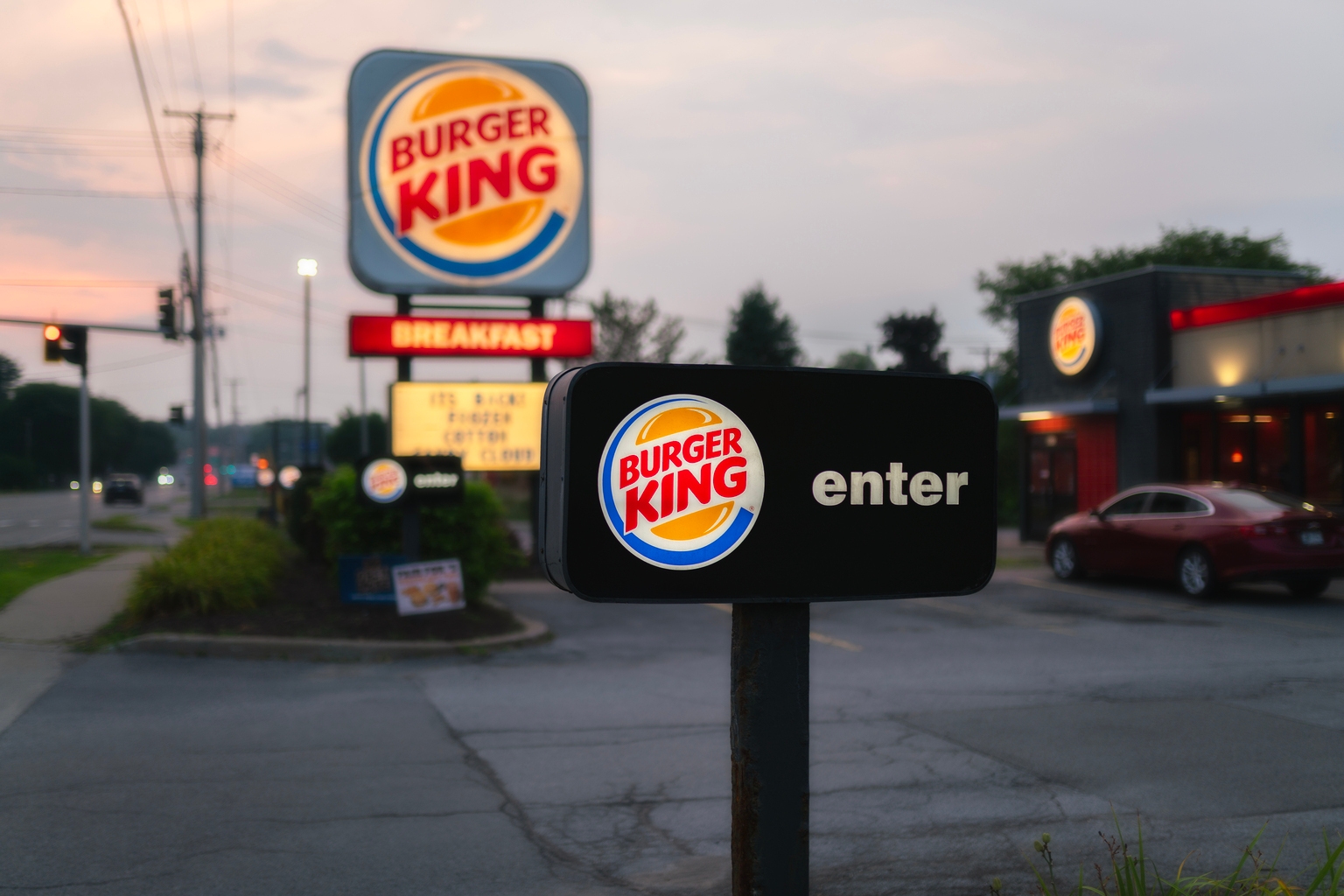
The Quick-Service Restaurant (QSR) market is experiencing a significant competitive realignment, with Burger King surpassing Wendy's as America's second-largest burger chain after Wendy's six-year tenure in that position. This shift reflects fundamental differences in strategic execution: Burger King's U.S. same-store sales jumped 8.5% in Q2 2024, while Wendy's reported a 7% decline in domestic same-store sales—marking its sixth consecutive quarter of contraction. McDonald's maintains dominance with approximately 48% of the U.S. burger market, while Wendy's holds 11.4% and Burger King approximately 10%, according to Barclays data. This competitive dynamic creates multiple e-commerce opportunities for sellers across merchandise, affiliate marketing, and content creation.
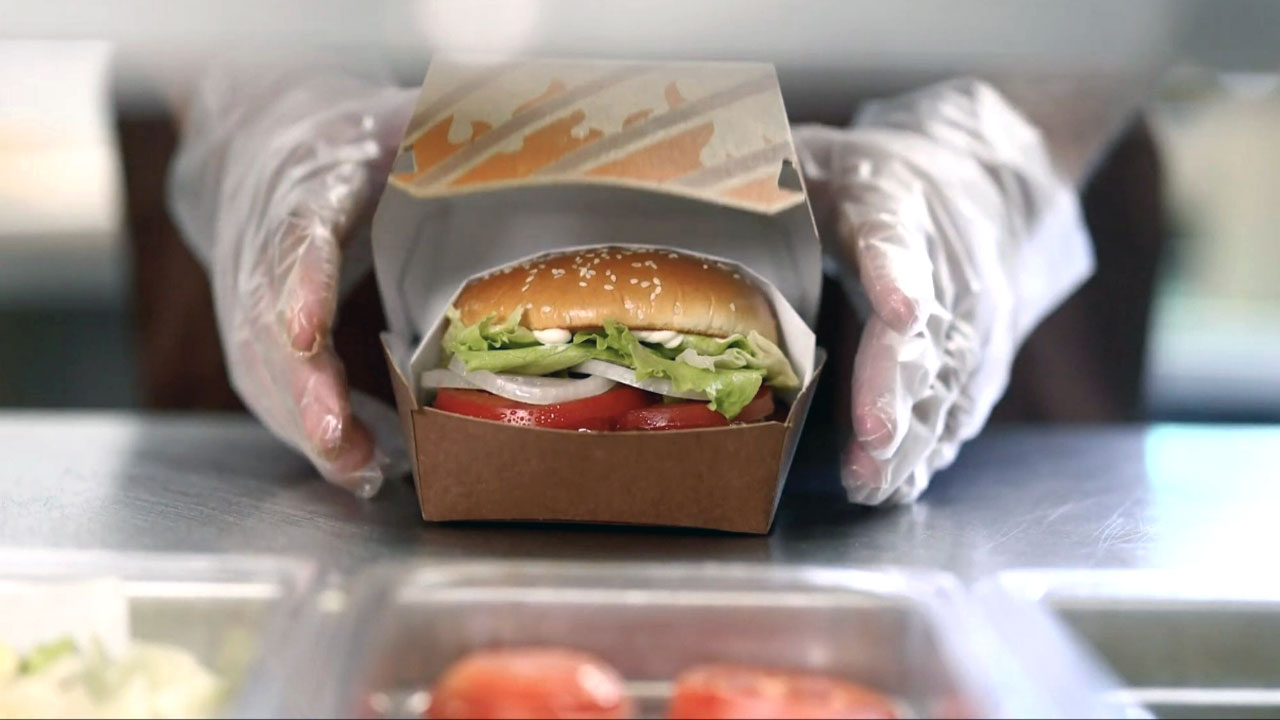
Burger King's turnaround strategy, launched in late 2022 by Restaurant Brands International, demonstrates the power of integrated brand investment. The chain invested heavily in restaurant remodels, increased marketing spend, and menu improvements—most notably revamping its signature Whopper with changes to bun, packaging, and mayonnaise, plus introducing a quality guarantee pledging free replacement Whoppers if customers are unsatisfied. This operational excellence focus directly mirrors what successful e-commerce sellers execute: product quality improvements, customer satisfaction guarantees, and aggressive marketing. For sellers, this signals that brand momentum creates merchandise demand—Burger King branded merchandise (apparel, collectibles, kitchen items, drinkware) will see increased search volume and consumer interest as the brand gains market share. Sellers can capitalize on trending keywords like "Burger King merchandise," "Whopper collectibles," and "fast food branded apparel" with CPCs likely 15-25% lower than McDonald's equivalents due to lower search competition.
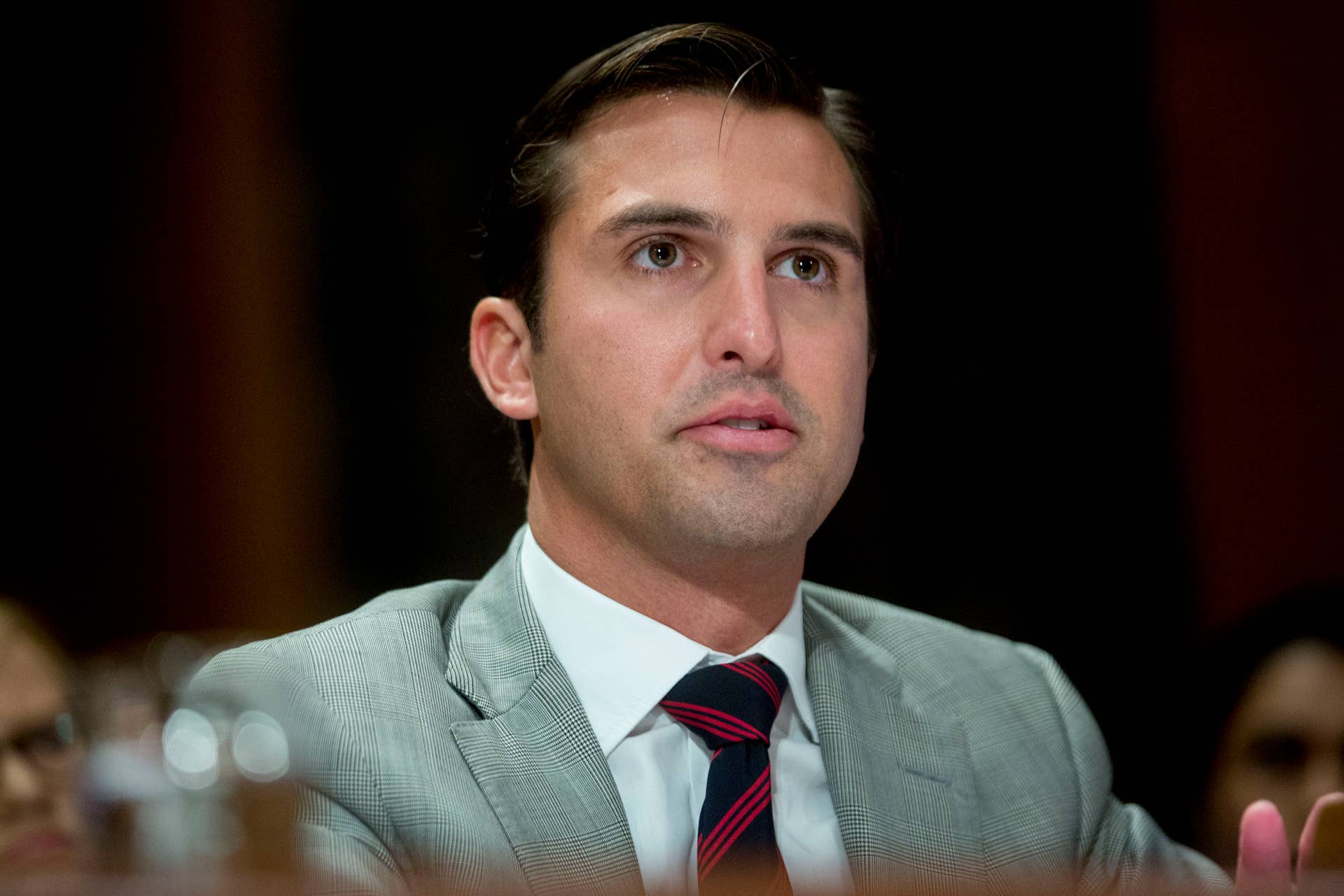
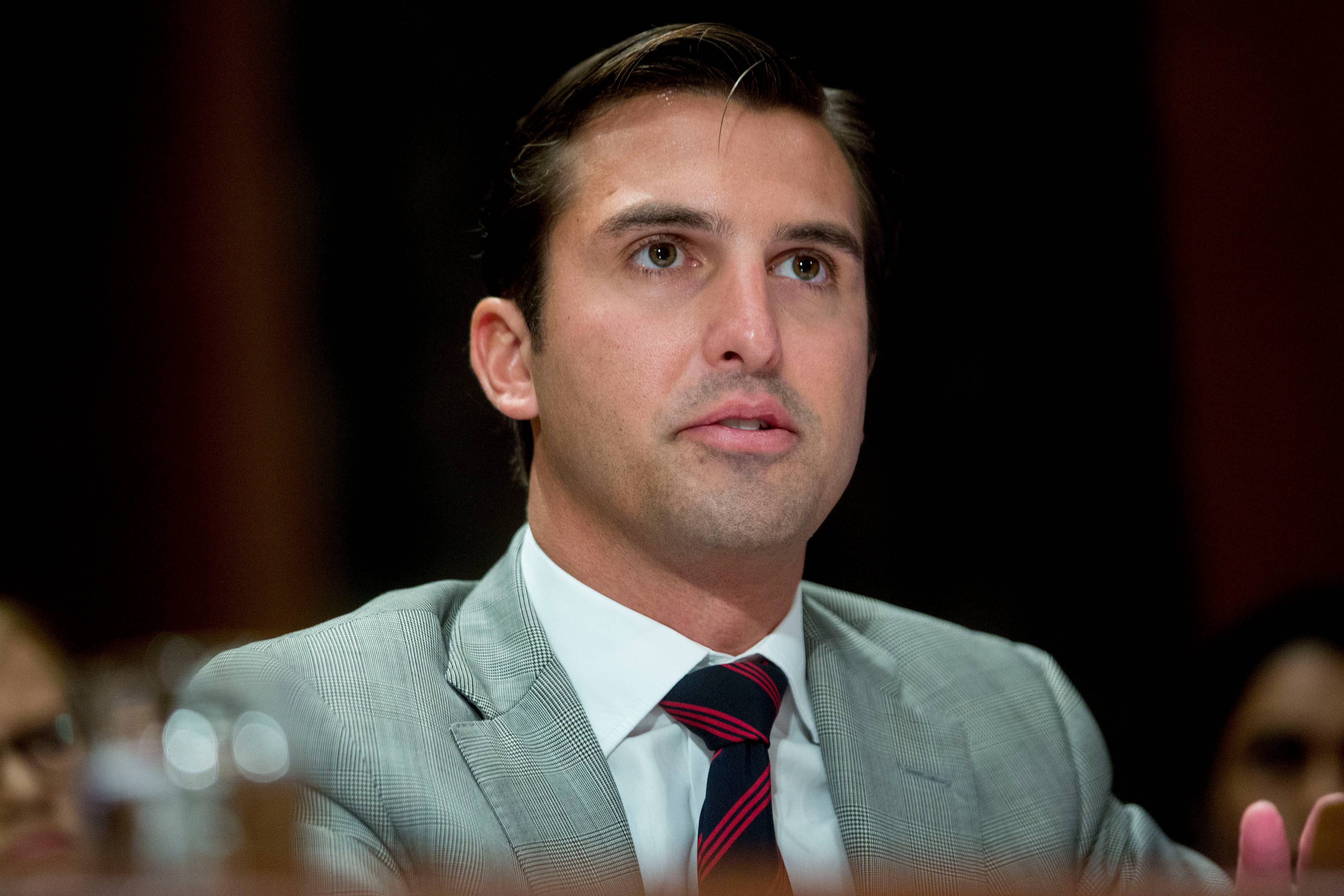
Wendy's decline stems from leadership instability and operational execution gaps, with three CEO changes in 24 months (Todd Penegor retired in 2024 after eight years; successor Kirk Tanner departed after 14 months; Bob Wright appointed in May 2024). New CEO Wright outlined five turnaround priorities: rebuilding a quality menu at compelling value, demand-driving marketing, operational excellence, enhanced digital experience, and restaurant-focused growth strategies. Both chains face industry headwinds—COVID-19 aftermath, supply-chain disruptions, rising food and labor costs, and price-conscious consumers frustrated by menu inflation. For e-commerce sellers, this reveals critical consumer behavior shifts: demand for value-oriented products, increased price sensitivity, and growing interest in quality assurance. Sellers in food/beverage, kitchen equipment, and restaurant-themed merchandise should adjust pricing strategies downward 5-10% and emphasize value propositions in PPC copy. Additionally, the leadership instability at Wendy's creates a 6-12 month window where the brand's marketing spend may be inconsistent, creating arbitrage opportunities for sellers to capture Wendy's-adjacent search traffic (e.g., "affordable burger merchandise," "fast food collectibles") at lower CPCs before the brand stabilizes.
Questions 7
Which advertising platforms offer the best ROI for fast food merchandise during this market shift?
TikTok Shop and Pinterest offer 25-40% lower CPCs than Amazon Ads for fast food merchandise categories, with engagement rates 2-3x higher for nostalgia and collectibles content. Meta (Facebook/Instagram) CPCs run 15-20% lower than Google Shopping for restaurant-themed apparel. Google Shopping performs best for high-intent keywords ('Burger King merchandise buy,' 'Whopper collectibles price'), while TikTok excels for viral content and younger demographics (18-35). Affiliate channels (YouTube, Reddit communities, Discord servers focused on fast food culture) generate 20-30% lower CAC than paid search. Recommended budget allocation: 40% TikTok Shop, 30% Meta, 20% Google Shopping, 10% affiliate partnerships. Monitor ROAS weekly and shift budget toward platforms showing 3:1+ returns during the 6-month transition period.
What supply chain insights does the QSR market shift reveal for sellers?
Both Burger King and Wendy's face supply-chain disruptions, rising food and labor costs, and COVID-19 aftermath impacts. This signals broader supply chain stress affecting restaurant suppliers and related merchandise manufacturers. Sellers should diversify sourcing: reduce reliance on single suppliers for fast food merchandise, increase inventory of value-oriented products (reflecting consumer demand), and monitor food service equipment costs closely. The industry's focus on 'operational excellence' and 'restaurant-focused growth' suggests increased demand for restaurant supply chain solutions, kitchen equipment, and food service merchandise. Sellers with access to alternative suppliers or lower-cost manufacturing (particularly in Asia Pacific regions) can capture market share from competitors facing cost pressures.