


Cyclospora Outbreak Drives D2C Produce Sales | O2O Opportunity for Food Sellers
- Food safety crisis redirects 30-60 minute farmers market sellouts; creates pop-up and local fulfillment opportunities for organic/local food sellers across US markets


Overview
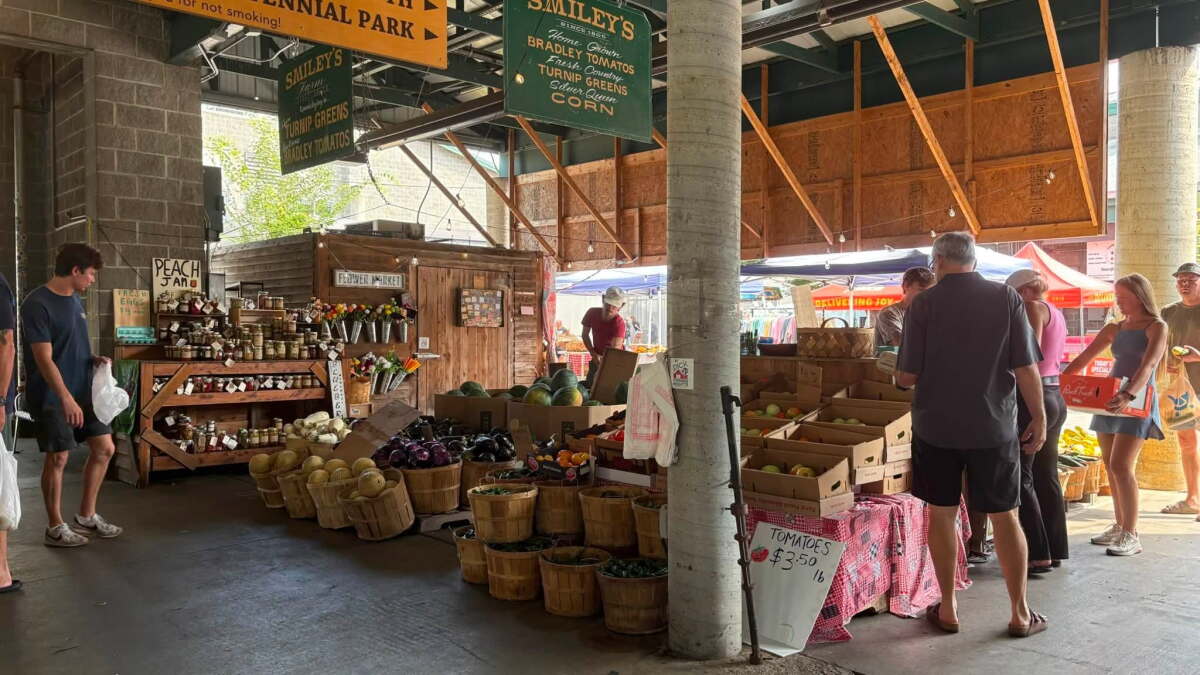
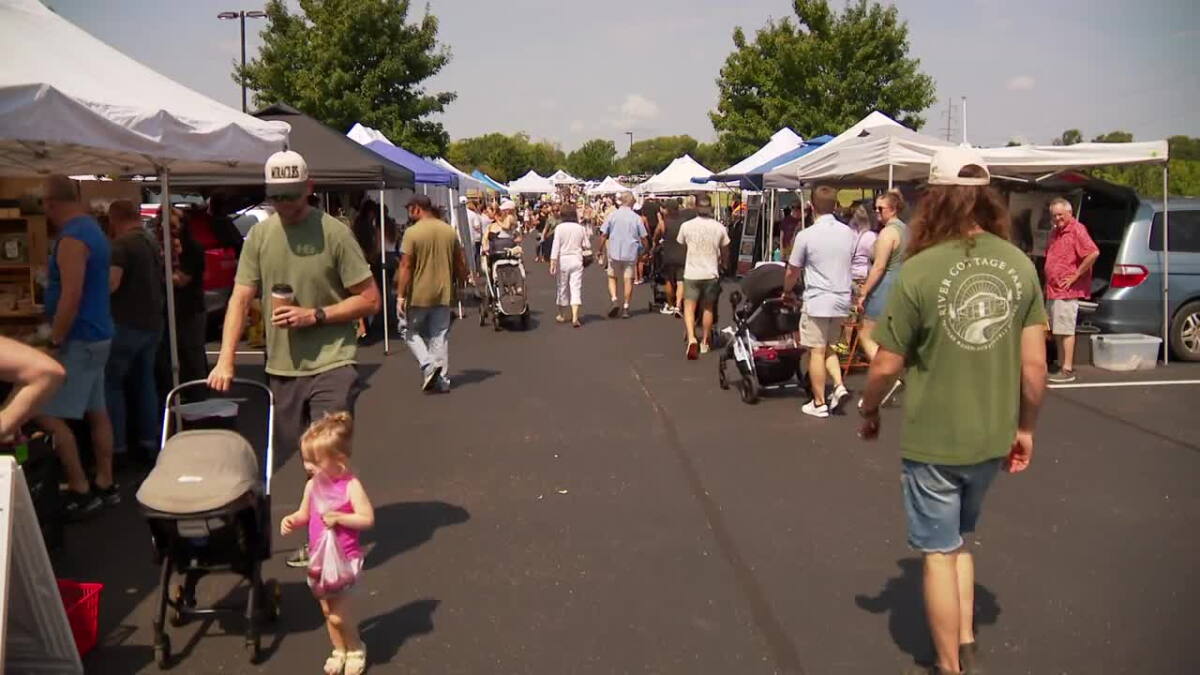
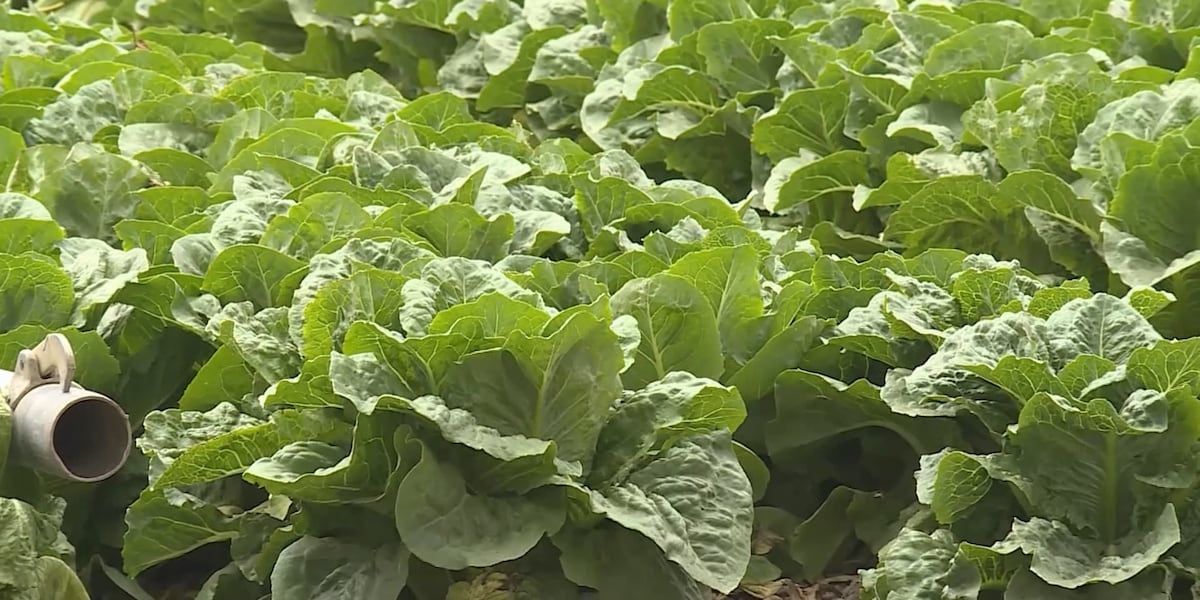
The Cyclospora outbreak is creating a measurable market reallocation from conventional grocery channels to direct-to-consumer (D2C) agricultural sales, with farmers market vendors reporting complete sellouts within 30-60 minutes as consumers actively avoid supermarket produce. This food safety crisis represents a critical O2O opportunity for cross-border food sellers and local agricultural vendors to establish offline touchpoints that drive online conversion and brand trust.
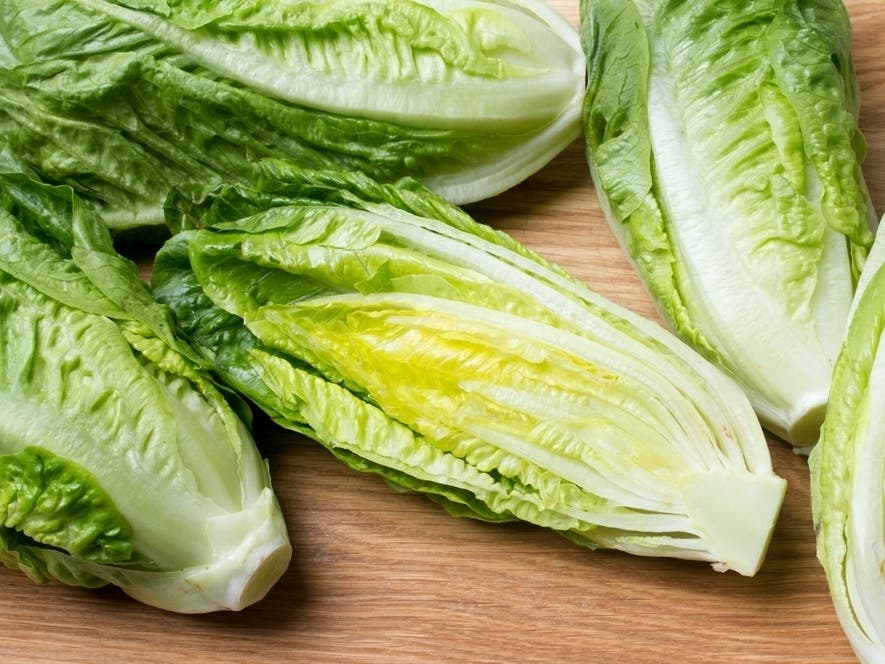
Market Disruption & Seller Opportunity: Grocery store lettuce sales are declining across multiple states while farmers markets become primary destinations for health-conscious consumers seeking locally-sourced alternatives with transparent sourcing. This shift reflects deeper consumer anxiety about foodborne illness risks in centralized distribution networks—a vulnerability that sellers can exploit through pop-up markets, farmers market partnerships, and direct-to-consumer fulfillment models. The outbreak demonstrates how food safety concerns rapidly reshape purchasing behavior, creating temporary but significant market reallocation opportunities.
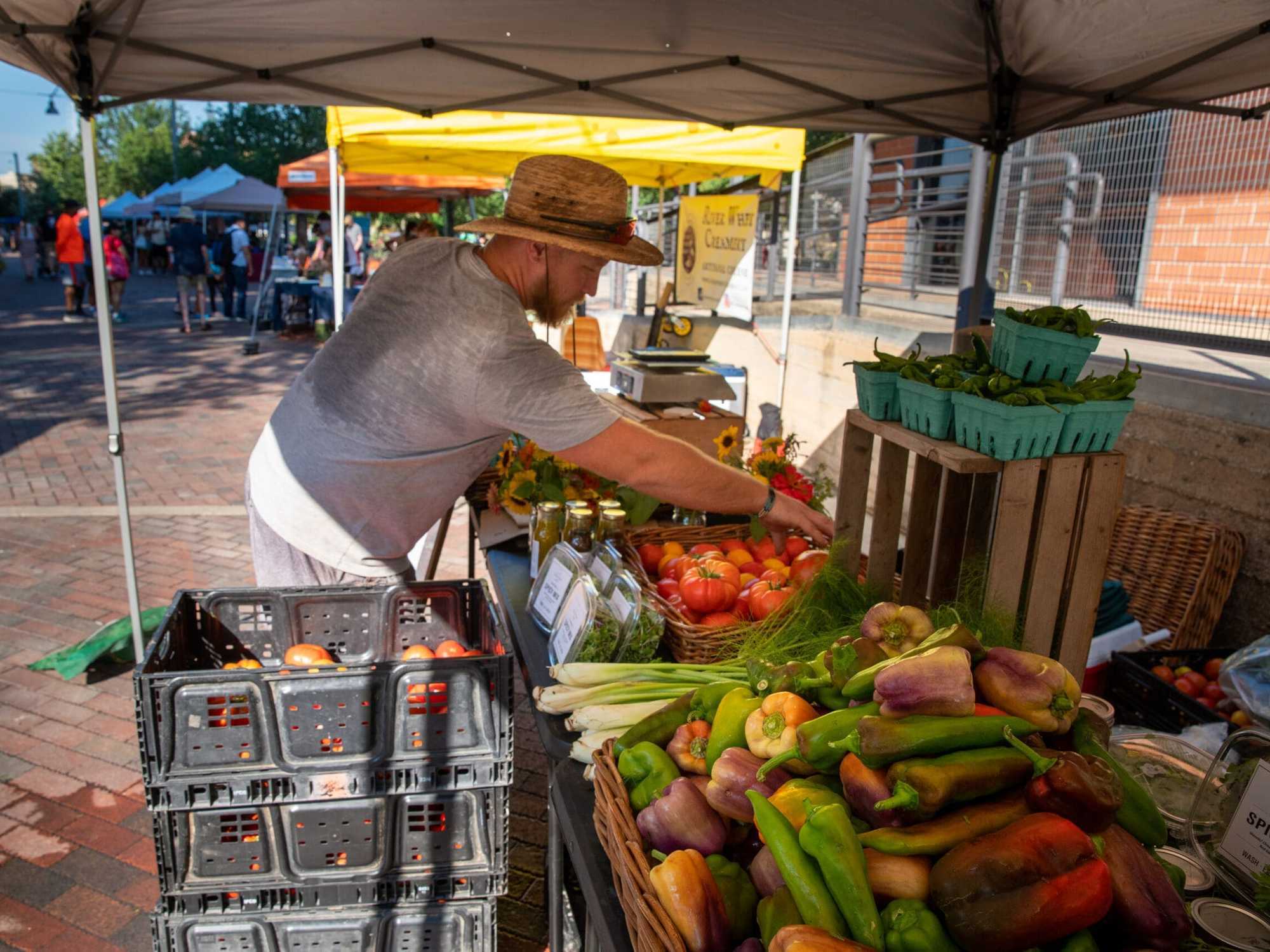
O2O Strategy Framework for Food Sellers: Sellers should immediately establish offline presence in high-foot-traffic farmers markets (targeting 30-60 minute sellout velocity) while simultaneously building online conversion through Amazon Fresh, Instacart, and Shopify-based DTC platforms. Pop-up showrooms in major US markets (California, New York, Texas, Florida) can serve as brand trust-builders, with farmers market partnerships providing 2-4 week test windows before scaling to permanent retail partnerships. Successful O2O plays in this category typically see 40-60% conversion lift when offline sampling drives online repeat purchases. Sellers should prioritize supply chain transparency messaging—highlighting local sourcing, testing protocols, and traceability—as this directly addresses consumer anxiety driving the market shift.
Retail Partnership & Fulfillment Implications: Major grocery chains (Whole Foods, Trader Joe's, natural food retailers) are actively seeking local produce suppliers to recapture market share lost to farmers markets. Regional 3PL providers and cold chain logistics become critical infrastructure for sellers scaling from farmers market presence to multi-channel distribution. The trend is expected to persist while Cyclospora concerns remain elevated, potentially creating lasting changes in produce purchasing behavior among health-conscious demographics—suggesting this represents a structural market shift rather than temporary disruption. Sellers with established farmers market presence and transparent supply chain documentation will have competitive advantage in securing retail partnerships and premium pricing (15-25% margin uplift typical for locally-sourced, safety-certified products).
Questions 8
What are the compliance and certification requirements for selling at farmers markets and retail chains?
Farmers market and retail produce sales require: (1) **Food handler certification** (varies by state, typically $15-50, valid 3 years), (2) **Produce safety compliance** (FDA FSMA requirements for farms >$25K annual sales), (3) **Organic certification** (if claiming organic status—$500-2000 annually), (4) **Local health department permits** (varies by county, $100-500 annually), (5) **Liability insurance** ($300-1000 annually for farmers market vendors). Retail partnerships require additional documentation: (1) **Food safety audit** (SQF, GFSI certification—$2000-5000), (2) **Traceability system** documentation, (3) **Supplier agreements** with liability clauses. The news emphasizes consumer demand for supply chain transparency—this directly indicates compliance documentation becomes competitive advantage. Recommended action: audit current certifications and permits; prioritize organic certification and food safety audit if targeting retail partnerships; budget $3000-8000 for compliance infrastructure before scaling beyond farmers markets.
How do pop-up stores and temporary retail presence drive long-term customer LTV in food categories?
Pop-up farmers market presence creates 2-3x customer LTV increase when structured as conversion funnel: (1) **Offline sampling** builds trust and product familiarity (critical for food purchases where consumers are risk-averse), (2) **Direct customer data collection** (email, phone) enables follow-up marketing, (3) **Online conversion** through Amazon/Instacart/DTC channels captures repeat purchases at higher margins. Industry data shows 40-60% of farmers market customers make online repeat purchases within 30 days when provided with seamless online ordering options. Typical customer LTV progression: farmers market customer ($15-25 transaction) → online repeat buyer ($40-60 monthly) → subscription/loyalty program member ($100-150 monthly). The news indicates this trend reflects both immediate safety concerns and growing preference for local food systems—suggesting structural shift in consumer preferences beyond the acute outbreak period. Recommended action: implement customer data capture at farmers market booths (QR codes, email signup incentives); develop email nurture sequence driving customers to online channels within 7 days of farmers market purchase.