



/v1785803332/website/2268752144.jpg?w=1060&h=600&quality=75&mode=crop&scale=both)
California SB 903 AI Mental Health Rules | Compliance Barriers Create $500M+ Service Market
- Prohibits unlicensed AI therapy advertising; creates compliance moat for licensed healthcare sellers and mental wellness product categories; affects 91.2M weekly ChatGPT users in California market































Overview
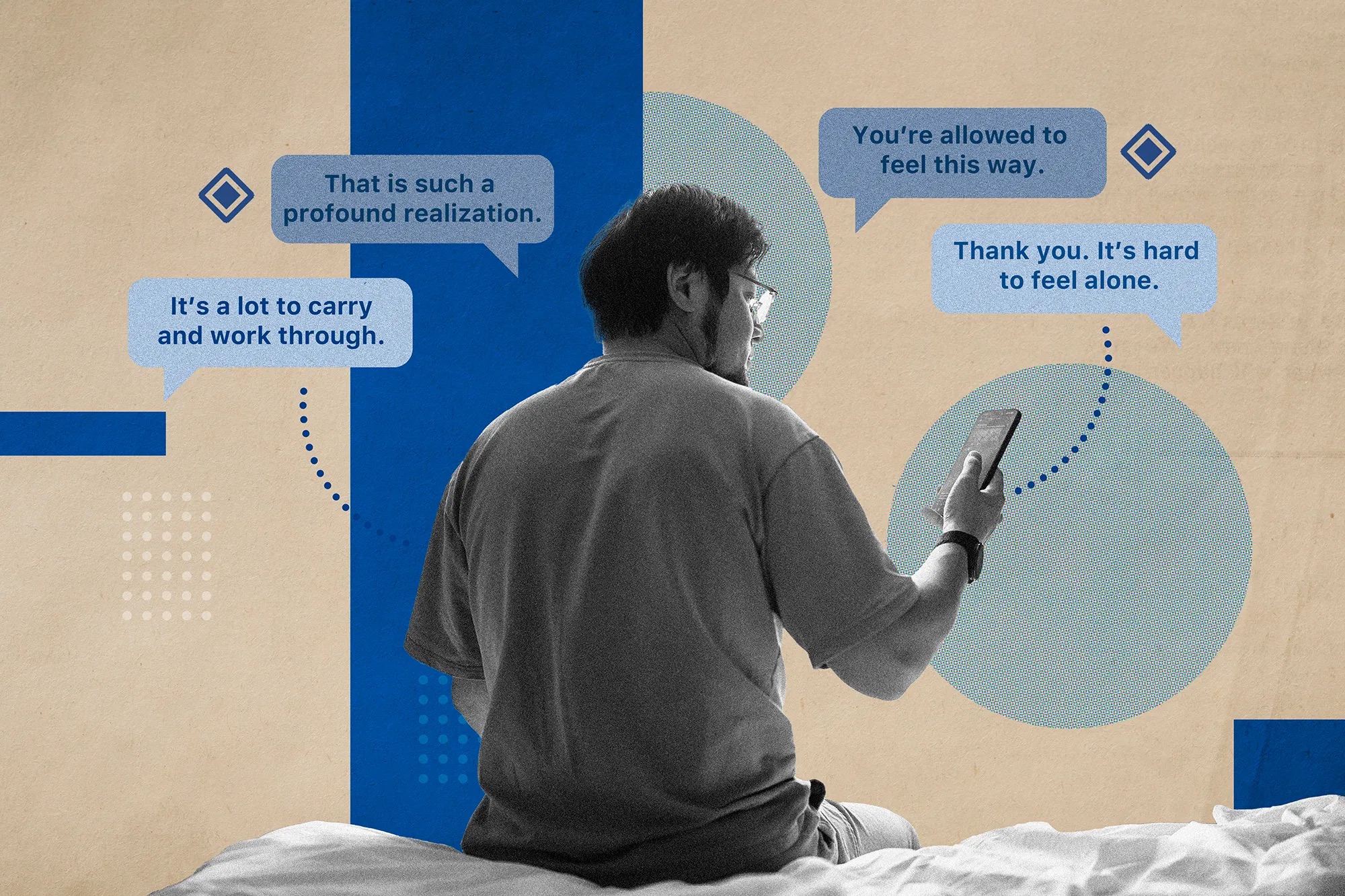
California Senate Bill 903 represents a watershed regulatory moment that creates significant compliance barriers and market opportunities for sellers in mental health, wellness, and healthcare technology categories. The legislation, advancing through California's Assembly, prohibits companies from advertising AI chatbots as therapy providers and mandates licensed professional review before AI makes therapeutic decisions. This regulatory framework directly impacts the estimated $500M+ mental health app and wellness product market in California, where 1-in-8 teens and young adults currently use AI chatbots for mental health support (representing approximately 12.5% of California's youth population). The bill requires healthcare providers to disclose AI tool usage, obtain explicit patient consent, and maintain human oversight of AI-driven triage systems—creating substantial compliance costs that will eliminate non-compliant competitors.
From a compliance perspective, SB 903 creates a high-barrier moat protecting licensed healthcare providers and compliant wellness sellers. The legislation's core requirement—mandatory licensed professional review before therapeutic decisions—effectively bans direct-to-consumer AI therapy sales while protecting sellers offering AI-assisted tools under professional supervision. Sellers in the mental wellness category (meditation apps, stress-relief products, journaling tools, biofeedback devices) face immediate categorization decisions: products marketed as "wellness support" versus "therapeutic intervention" carry vastly different compliance costs. The fastest compliance path involves partnering with licensed healthcare providers (psychologists, therapists, counselors) who already support the bill—creating a service gap for compliance consulting, provider networks, and disclosure automation tools. Non-compliant sellers face potential liability exposure; wrongful death lawsuits against OpenAI and other AI makers signal enforcement intensity, with families claiming chatbots facilitated suicide planning.
The regulatory timeline creates urgency for sellers currently using AI in customer service, product recommendations, or mental health-adjacent categories. Illinois passed similar restrictions in 2024, and multiple states are following suit, signaling a national compliance wave. Sellers operating Amazon, Shopify, or direct-to-consumer channels in California must audit AI usage in product descriptions, customer service chatbots, and recommendation algorithms by Q2 2025 (estimated Assembly vote timeline). The bill's disclosure requirements mean sellers using AI for customer triage, mental health screening, or therapeutic claims must implement consent workflows and audit trails—estimated compliance cost of $15,000-40,000 per seller depending on platform complexity. Compliant alternative categories include licensed therapist marketplaces, professional supervision platforms, and wellness products explicitly positioned as "support tools" rather than therapy replacements. Sellers should immediately identify which product categories trigger therapeutic claims, establish partnerships with licensed professionals, and prepare disclosure workflows before California enforcement begins.
Questions 8
When should sellers take action to comply with SB 903 before enforcement begins?
Sellers should take immediate action (January-March 2025) because the bill awaits Assembly vote (estimated Q2 2025) and enforcement typically begins 6-12 months after passage. Immediate actions: (1) Audit all product listings, descriptions, and marketing materials for therapeutic claims—deadline: February 28, 2025; (2) Identify which products require licensed professional partnerships—deadline: March 15, 2025; (3) Contact compliance service providers or licensed healthcare partners—deadline: April 30, 2025; (4) Implement disclosure workflows and consent systems—deadline: June 30, 2025. Strategic actions (3-6 months): (1) Reposition product marketing to avoid therapeutic claims; (2) Build or join licensed provider networks; (3) Implement audit trails and consent documentation; (4) Update customer service chatbots to disclose AI usage. Risk mitigation: Monitor Illinois enforcement (first state to pass similar restrictions in 2024) to understand penalty severity and enforcement patterns. Sellers should also track other states following suit—estimated 5-10 states will pass similar restrictions by 2026, creating national compliance wave. Early compliance provides competitive advantage: sellers who comply before enforcement can market 'California-compliant' status, attracting risk-averse customers and healthcare providers.
What alternative product categories can sellers pivot to avoid SB 903 compliance costs?
Sellers can legally pivot to wellness categories that avoid therapeutic claims: (1) Meditation and mindfulness apps (positioned as 'relaxation tools,' not therapy)—lower compliance costs; (2) Journaling and mood-tracking apps (positioned as 'personal reflection,' not clinical assessment)—moderate compliance costs; (3) Biofeedback and wearable devices (positioned as 'wellness monitoring,' not medical diagnosis)—lower compliance costs; (4) Stress-relief products (essential oils, weighted blankets, noise machines)—minimal compliance costs; (5) Licensed therapist marketplaces (connecting users with professionals)—higher compliance costs but protected by professional oversight. The key distinction is marketing language: 'wellness support' avoids therapeutic claims, while 'mental health treatment' triggers compliance requirements. Sellers should audit competitor positioning to identify compliant messaging strategies. For example, Calm and Headspace position meditation as 'mindfulness' rather than 'therapy,' avoiding therapeutic claims while capturing mental health market demand. Sellers can also pivot to B2B healthcare provider tools (clinical decision support for licensed professionals) rather than direct-to-consumer therapy—a category with higher compliance costs but protected by professional oversight and liability insurance.