



Trumpflation & Tariff Surge 2026 | Cross-Border Sellers Face 8-15% Cost Pressure
- Core inflation sticky at 3.3% amid tariff policies and energy volatility; import-dependent sellers must reprice inventory immediately before Q3 margin compression




Overview
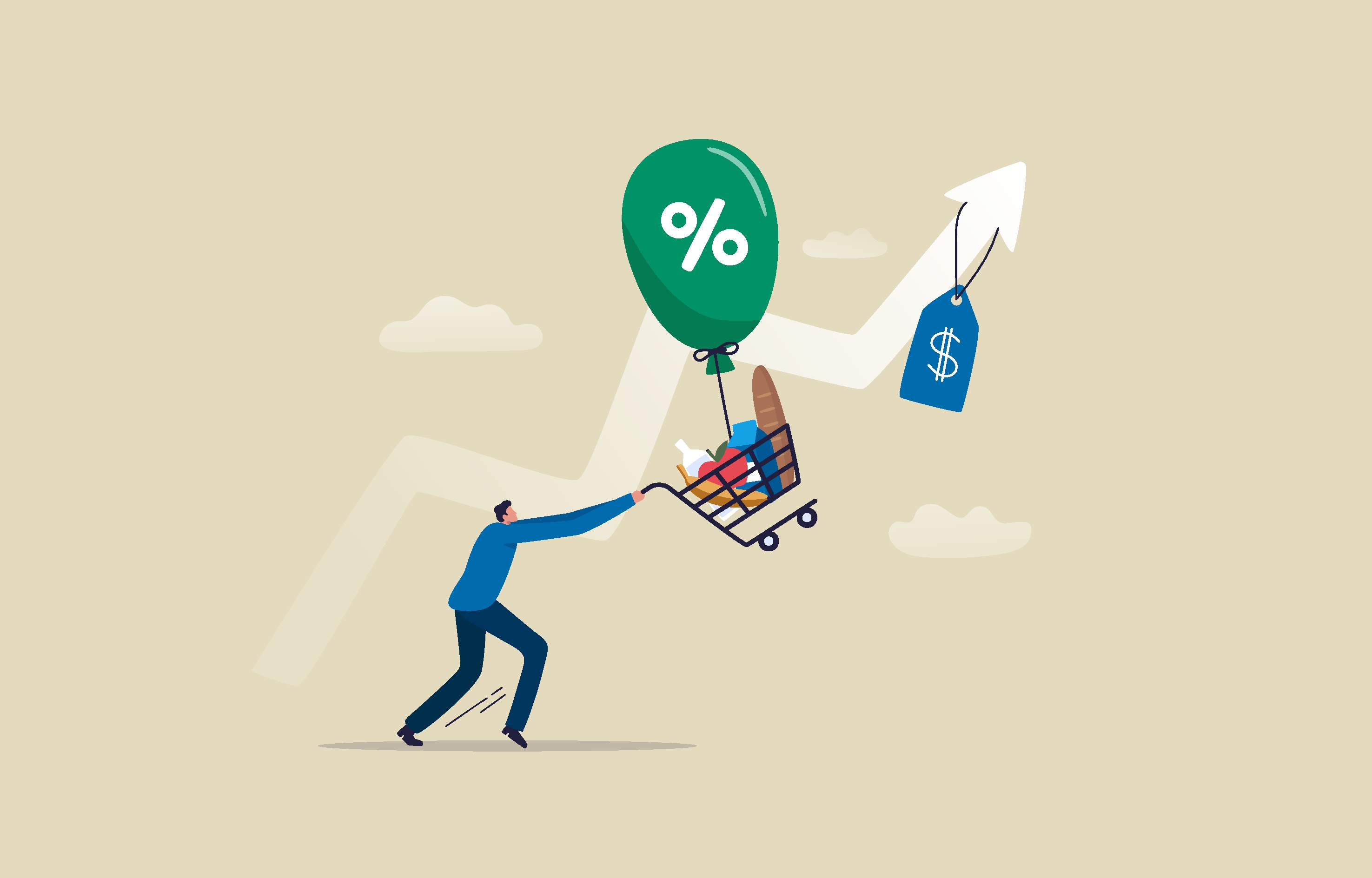
Trumpflation represents an immediate cost crisis for cross-border e-commerce sellers, driven by three converging pressures documented in 2026 market data: tariff policies raising import costs, Middle East geopolitical tensions spiking energy/logistics expenses, and AI adoption paradoxically fueling inflationary pressures. Core PCE inflation remained sticky at 3.3% in June (vs. Federal Reserve's 2% target), with the Cleveland Fed's Inflation Nowcasting tool projecting persistence through July 2026. Trailing 12-month inflation surged from 2.4% (February) to 4.2% (May) before moderating to 3.5% (June), signaling volatile cost structures ahead.
For Amazon FBA sellers and cross-border merchants, this inflation environment creates three distinct operational impacts. First, tariff-driven import cost increases directly compress margins on China-sourced products (electronics, apparel, home goods categories). Sellers importing goods face 8-15% cost increases on tariffed categories, forcing immediate repricing decisions—delay risks inventory devaluation as competitors adjust faster. Second, energy market volatility from geopolitical tensions increases logistics costs: shipping rates from Asia to US/EU typically rise 12-20% during energy spikes, affecting FBA inbound costs and 3PL fulfillment fees. Third, persistent core inflation may trigger Fed rate hikes, which historically compress consumer discretionary spending and reduce Buy Box competition intensity—sellers holding premium inventory face demand destruction.
The competitive advantage shifts toward sellers with three capabilities: (1) Domestic sourcing or nearshoring to Vietnam, India, Mexico reduces tariff exposure vs. China-dependent competitors; (2) Inventory optimization to reduce storage costs (IPI scores become critical as FBA storage fees rise with inflation); (3) Dynamic pricing automation to pass costs to consumers before margin compression becomes irreversible. Small sellers (under $500K annual revenue) face disproportionate pressure—they lack negotiating power with suppliers and cannot absorb 8-12% cost increases without repricing, risking Buy Box loss. Large sellers (Amazon Brand Registry, 7-figure revenue) can negotiate supplier concessions and absorb short-term margin compression while repositioning inventory.
The policy implementation timeline is critical: Tariff policies are "proposed and ongoing," meaning rates may escalate through Q3-Q4 2026. Sellers must act within 30-60 days to: (1) audit inventory by tariff code exposure, (2) renegotiate supplier contracts before tariff increases lock in, (3) adjust pricing on Amazon/eBay/Shopify to reflect new cost basis. Waiting for "clarity" on tariff rates risks inventory obsolescence—competitors repricing now will capture market share as demand softens.
Questions 8
What is the timeline for tariff policy implementation and how should sellers prepare?
The news reports tariff policies are 'proposed and ongoing,' indicating rates may escalate through Q3-Q4 2026. Sellers should prepare for three phases: (1) **Immediate (0-30 days)**: Audit inventory by tariff code, identify high-exposure SKUs, and begin supplier renegotiations; (2) **Short-term (30-90 days)**: Implement pricing adjustments on Amazon/eBay/Shopify, evaluate nearshoring for top SKUs, and lock in Q3-Q4 supplier contracts; (3) **Medium-term (90-180 days)**: Execute nearshoring transitions to Vietnam/India, optimize inventory to reduce storage costs, and monitor Fed rate decisions for demand signals. Waiting for 'clarity' on tariff rates risks inventory obsolescence—competitors repricing now will capture market share as demand softens. The Federal Reserve Bank of Cleveland's Inflation Nowcasting tool suggests core PCE could persist around 3.3% in July, indicating sustained cost pressure through mid-2026. Sellers must act within 30-60 days to protect margins.
How do energy market volatility and logistics costs compound Trumpflation for sellers?
Energy market volatility from Middle East geopolitical tensions increases logistics costs 12-20% during supply disruptions. For cross-border sellers, this means: (1) shipping rates from Asia to US/EU rise $0.50-1.50 per pound, (2) FBA inbound shipping costs increase 15-25%, (3) 3PL fulfillment fees rise 8-12%. Combined with tariff cost increases (8-15%), total landed costs rise 20-35% for import-dependent sellers. The news reports energy volatility is one of three primary inflation drivers pressuring markets. Sellers should: (1) lock in shipping contracts now before rates escalate, (2) consolidate shipments to reduce per-unit logistics costs, (3) evaluate nearshoring to reduce shipping distances and energy exposure, (4) increase prices 12-18% on high-tariff, energy-intensive categories (furniture, appliances). Small sellers face disproportionate pressure—they lack negotiating power with logistics providers and cannot absorb cost increases without repricing.